

In this article
Fine and thin hair get lumped together, but they aren’t the same. Does fine hair always mean less hair? Does thin hair mean a skinny strand? Not quite.
Once you know the difference, you can choose better care, products, and styling for your hair.
Let’s explore the difference between fine hair vs thin hair and the best ways to care for each type.
Key Takeaways
-
Fine hair has a small strand diameter, and genes set shaft thickness.
-
Thin hair means low density and more visible scalp, sometimes tied to hair loss.
-
Fine and thin can coexist, so hair may look sparse and break easily.
-
Gentle detangling, lightweight volumizers, and heat protection help keep volume and limit damage.
What Is Fine Hair

Fine hair means each strand has a small diameter. Here’s what that can translate to for your strands in daily life.
Fine hair often starts with a smaller, narrower hair follicle that produces a slimmer hair shaft. That’s why strands may look and feel delicate and, in many cases, don’t build much natural volume.
Follicle shape and size are mostly genetic, so there isn’t a dependable way to permanently thicken the shaft itself over time. Products boost the look, but won’t change diameter.
What Does Fine Hair Look Like
Fine hair tends:
-
Feels soft and light
-
May lack volume, so it looks flat or limp
-
Breaks more easily because the strands are structurally weaker overall naturally
-
Can be tricky to style because it may not hold curls, volume, or texture well
It’s possible to have fine hair and still have a lot of it. That means your strands are small, but you have plenty of hair overall.
Even with a full head of fine hair, the strands can still look delicate and fragile for many people, especially after heat styling. Fine hair describes hair texture basics, not the total number of hairs on your head.
What Is Thin Hair

Thin hair is about the density, meaning how many strands grow in a certain area of your scalp. So it’s the amount of hair on your scalp and how much scalp shows through. To separate fine from thin, you can have fine strands but high density that still looks fuller. It isn’t the same as strand diameter.
What Does Thin Hair Look Like
You might be born with thinner coverage, and it can also develop later on for some people. When density drops over time, it may be a sign of a hair loss condition.
Common signs of thinning hair include:
-
Fewer strands growing across the scalp
-
More scalp showing, especially when hair is wet or styled
-
Hair that feels less “full” or thick
Thinning may happen gradually over time or because of specific causes (more on that next). It isn’t always about strand strength or texture, and in many cases, it’s about reduced density across the scalp overall.
How to Tell if You Have Fine Hair vs Thin Hair

Telling fine hair from thin hair can be tricky because the two can overlap in real life. These checkpoints can help you figure out which hair type you have:
Texture and Diameter
For fine hair, focus on strand feel and thickness between your fingers. Thin hair is more about how much scalp coverage you have in general. Fine strands often feel silky and smooth, even if you have lots of hair.
Volume and Density
Fine hair can look fuller if your density is high, but each strand is still slim and delicate. Thin hair usually looks flatter because there’s less density to hold it up, so the scalp shows more easily, especially at the part. Remember, fine hair is about strand size, not strand count.
Styling Challenges
Both traits come with different styling issues. Thin hair may fall flat because there isn’t much density to support lift throughout the day. Fine hair can snap more easily during styling if you’re rough or use too much heat.
Can You Have Fine and Thin Hair at the Same Time?
Yes, and this is where it can get confusing. Fine hair and thin hair are different traits, but you can have both at once.
If you have both fine and thin hair, this means:
-
Your strands are narrow and delicate overall (fine hair)
-
You have fewer hairs across the scalp (thin hair)
That combo can make your hair look extra sparse and fragile for many people, so protecting against breakage and volume loss matters.
If this sounds like you, gentle routines and targeted treatments may help your strands feel stronger and boost the look of density over time.
How to Manage Fine and Thin Hair

No matter if your hair is fine, thin, or both, these tips can help you get more lift and less breakage:
1. Be Gentle
Fine hair breaks easily. Over time, that breakage can make your hair look thinner overall and less voluminous, too.
So, treat your strands with care. Use a wide-tooth comb to detangle, and avoid aggressive brushing, especially when hair is wet.
2. Build Volume
Try volumizing shampoo plus a conditioner that boosts body without weighing your hair down.
Avoid heavy oils or silicone-based products that can make fine hair look flat. I noticed a small mousse at the roots gave lift compared with stacking products. For hold or volume, use a styler, like mousse or hairspray.
At the same time, don’t use too many products at once. Too much product can cause build-up that weighs hair down and stands out more on fine or thin hair.
Want to tighten up your routine this week? Check these tips for adding volume to your hair.
3. Protect Your Hair
Heat tools and chemical treatments can stress already delicate strands. Apply a heat protectant before you blow dry, and use lower settings on curling irons or straighteners whenever you can while styling.
Try to limit long sun exposure and frequent chemical services, since both can damage your hair.
4. Choose the Right Hairstyles
The right cut can make fine or thin hair look fuller. Options like a buzzcut, a skin fade, or a crew cut can create a cleaner, denser look.
See our guide to the best hairstyles for thinning hair right now.
Also, very tight styles are best avoided, especially with fine or thin hair. Tight ponytails, braids, cornrows, or man-buns can stress follicles and may lead to a type of hair loss called traction alopecia. It adds up when you wear them often and keep them tight.
Build a Fine, Thin Hair Routine This Week With Keyoma
Before you buy new products, separate strand thickness from hair count so you don’t chase the wrong fix. If your hair feels soft and snaps easily but coverage still looks solid, you likely have fine hair, so your biggest gain is gentler detangling and lighter formulas to cut breakage.
If your scalp shows more, especially when hair is wet or pulled back, you likely have thin hair, so volume is the priority over extra moisture. If you have both traits, skip heavy oils that flatten roots and avoid tight styles that keep pulling over time.
Visit the Keyoma Hair Care blog for easy checklists and volume-friendly routines.
Featured Product
30% Off + 3 FREE Gifts
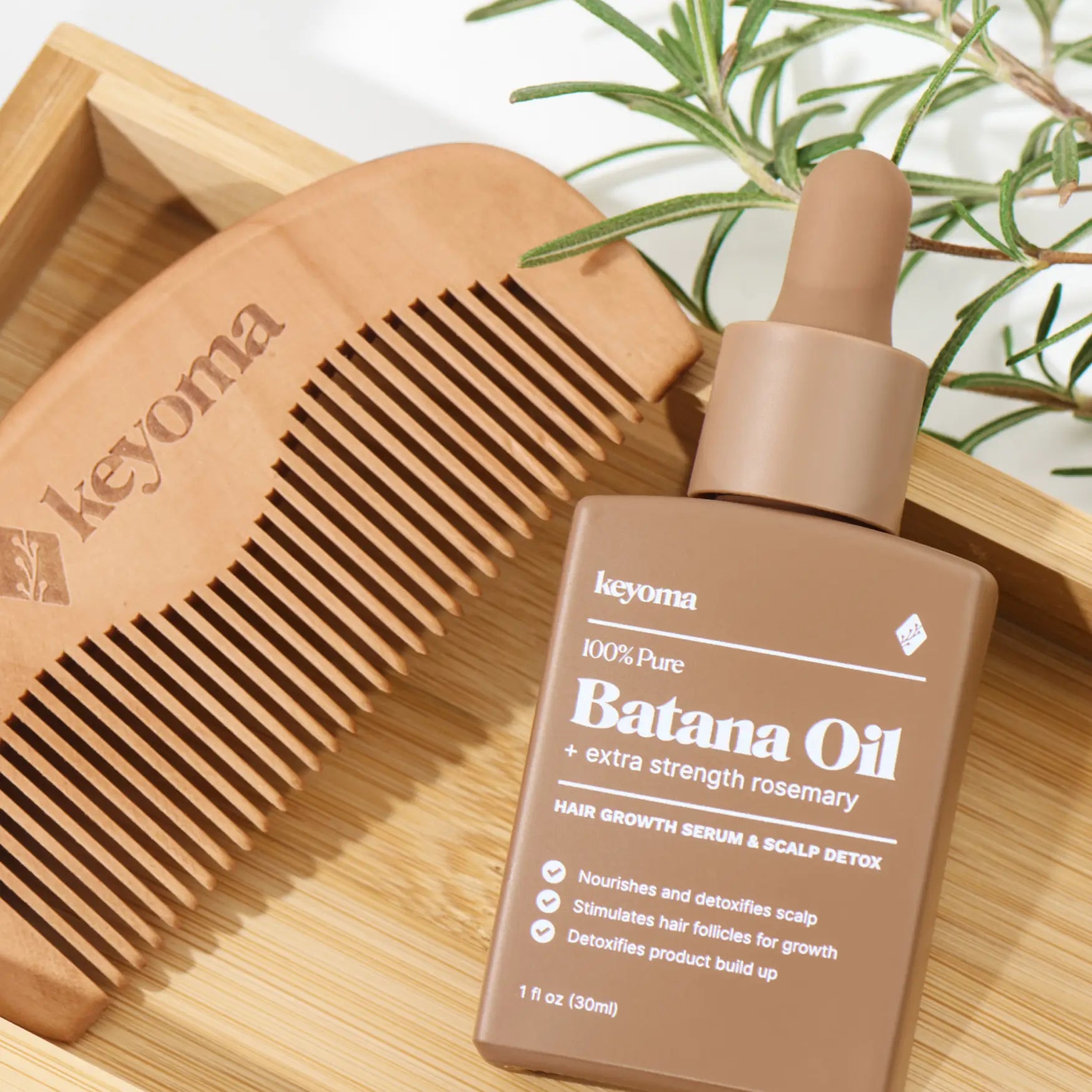
100% Pure Batana Oil + Rosemary


