
In this article
If you wear over-ear headphones a lot, you may see them flatten your style. But can headphones trigger hair loss? Probably not, though it helps to understand what actually leads to balding.
This may sound odd if you mainly use earbuds, but think it through. Headsets and headphones rest on our heads for long stretches while we work, game, commute, and exercise. Could that contact create friction that harms follicles and causes shedding?
You are not the first to search for “do headphones cause hair loss.” There is little direct research here, and chances are the audiophiles among us do not need to worry that headphones alone cause hair loss.
Key Takeaways
-
Occasional headphone use usually does not cause hair loss or permanent follicle damage.
-
Tight headbands and strong clamping force can irritate scalp and stress roots.
-
Repeated sliding creates friction that can break strands, especially at temples and crown.
-
Sweat, heat, and buildup under headphones can worsen itching, dandruff, or inflammation.
Can Wearing Headphones Really Cause Hair Loss?
In general, wearing headphones now and then will not impact your hair. So when might headphone use lead to hair loss?
You are more likely to notice problems if the headband is tight or the on-ear cups press into your hair. Risk rises when you wear them for long blocks, such as for radio hosting, telemarketing, streaming, or gaming, especially if you frequently shift or remove your headphones.
The Science Behind Headphone-Related Hair Concerns

Let's get to the root of it. Headphone-linked hair damage mostly happens through traction alopecia, which means hair loss from steady pulling or pressure on strands. Picture your hair like a delicate audio cable. Too much tension can strain the connection.
The main drivers behind headphone-related hair issues include:
-
Mechanical Stress: Ongoing pressure from a headband can weaken follicles over time, similar to how bending a cable again and again harms its internal wires.
-
Friction Damage: Sliding and rubbing from headphone materials against hair can cause breakage, much like a poorly wrapped cord slowly loses its outer coating.
-
Reduced Blood Circulation: Tight bands may compress blood flow to your scalp, which could influence growth. It is like trying to send a strong signal through a squeezed cable.
How Wearing Headphones Could Impact Hair Health

Headphones do not automatically lead to hair loss, but certain habits and designs can stress the scalp and hair over time. The most common issues come from pressure, friction, and a warm, sweaty scalp environment. Here is how your routine can affect hair health, plus ways to lessen it.
Tight Headbands or Strong Clamping Force
Headphones that squeeze the sides or press on the top can place steady pressure on the same strip of scalp each wear. Over time, that repeated force may irritate skin and stress the roots in the contact zone.
Some people notice tenderness, redness, or a clear “dent” in the hair where the band sits, which signals the fit is too firm.
Follicles are not easily crushed, but long-term pressure with friction can contribute to thinning in sensitive folks, especially if worn for many hours daily and always in the same spot.
Friction and Tension From Repeated Wear
Sliding headphones on and off often can rub against the hair shafts, especially at the crown or near the temples where strands are finer. That rubbing weakens hair and leads to breakage, which shows up as frizz, shorter pieces, or uneven density rather than true bald areas.
If the band also tugs at hair when you remove it, the mix of pull and friction can contribute to traction-like thinning in the same spots over time. This risk goes up with tight styles like slick ponytails, because the hair is already under tension before the band adds more stress.
Sweat and Hygiene Issues
Long sessions, especially during workouts or in heat, can trap sweat and warmth against the scalp. That can irritate skin and worsen itch, dandruff, or follicle inflammation in people who are prone to it.
Irritated scalp skin does not always cause hair loss outright, but it can raise shedding and make hair feel weaker because the scalp environment is not as calm or clean.
Keeping the ear pads and headband clean matters too, since oils and bacteria build up on the parts that touch your skin.
Increased Oil Build-Up and Greasy Scalp Feeling
Covering the scalp and keeping it warm for hours can make oil and sweat feel more noticeable, especially at the crown under the band. It does not mean your scalp is “dirty,” but it can leave a greasy feel, flattened roots, or buildup around the contact zone.
If you already have an oily scalp, you may see quicker buildup and more itch when you wear headphones daily. Regular cleansing and less friction in that area usually helps.
How To Avoid Hair Loss When Wearing Headphones Regularly

Wearing headphones often can irritate the scalp or put pressure on the same spots. With time, that pressure and friction may lead to breakage, soreness, or even traction-style thinning near the headband area for some people. The good news is a few simple changes usually prevent it.
Choose Headphones With an Adjustable Band
An adjustable headband lets you position them so they stay secure without squeezing your scalp. If the band feels too tight, it increases force on the same strip of hair and skin each wear, which can irritate and stress the roots.
Aim for a stable fit that does not clamp. If you see a dent in your hair or redness on your scalp after removal, the band is likely too tight.
Pick a Pair With a Cushioned Strap or Padded Headband
Padding spreads pressure over a wider area and reduces friction, which often causes breakage and scalp soreness. A softer, wider cushion is usually better than a thin, firm band because it does not focus force into one narrow line. If your current set works but feels harsh on top, a soft headband cover can make a clear difference.
Wear Over-Ear Headphones With the Band Positioned Behind Your Neck (When Possible)
Some designs can be worn with the band resting behind the head or neck instead of on the crown. This helps if you are seeing breakage or thinning right where the band usually sits. It also limits rubbing on the top layer of hair, which is most exposed and most likely to break. Just make sure the placement still feels comfortable and does not shift too much.
Consider Behind-the-Head Headphones Instead of Top-of-Head Styles
Behind-the-head styles remove constant crown pressure entirely. If you have scalp sensitivity, fragile hair, or already notice a “headband line,” this style can be a straightforward fix. It also helps if your hairstyles add height at the top, since a traditional band can press and rub that area more.
Use Earbud-Style Headphones When You Can
Earbuds avoid the headband issue completely, which makes them a solid choice if you wear headphones many hours a day. They also cut friction on hair, especially if you move a lot. Remember ear comfort and ear health matter too, so pick a pair that fits well and does not need to be pushed in hard.
Build in Headphone-Free Breaks
The longer the pressure stays in one place, the more likely you are to get irritation and friction. If possible, take brief breaks during long sessions to let your scalp recover and your hair “reset.”
Taking two-minute pauses each hour reduced scalp tenderness for me. Even a few minutes every hour can help lessen soreness and prevent repeated stress on the same area.
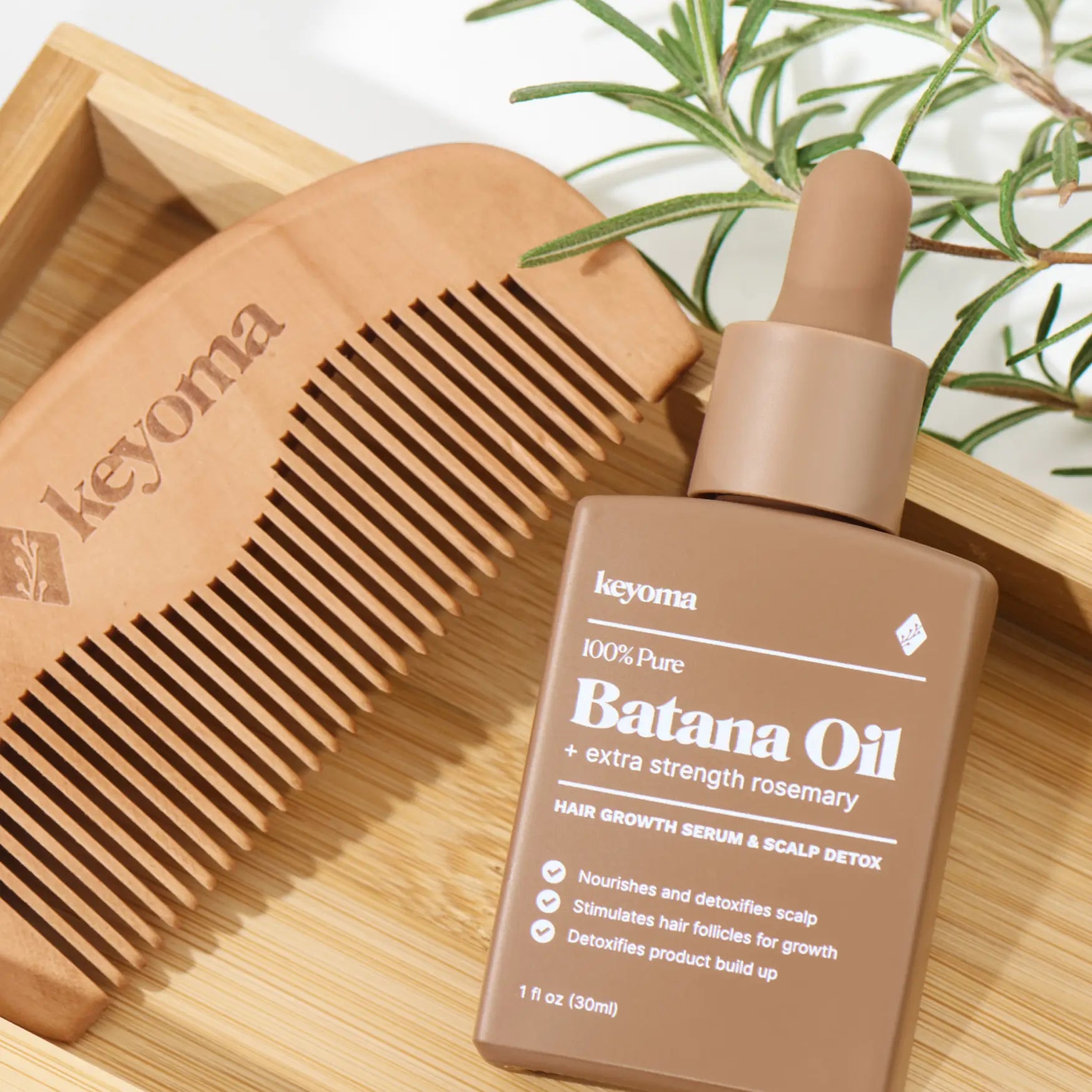
Use Batana Oil With Rosemary as a Scalp and Hair Comfort Step
If your scalp feels dry, tight, or easily irritated from regular headphone use, a light oil routine can help reduce that “stressed scalp” feeling and keep hair more flexible, which may lower breakage risk. Batana oil with rosemary can fit well here because it supports moisture and slip, and rosemary is often used in scalp care routines.
Keep it simple and avoid turning it into an all-day greasy layer under your headset. Apply a few drops to your fingertips, massage gently into the scalp along the headband contact zone, then smooth a tiny amount over the hair in that same area.
Do this 30 to 60 minutes before washing, 1 to 2 times per week, or use an even smaller amount on wash day only if your hair tolerates it. If you notice itchiness, bumps, or more shedding, stop and reassess, since irritation from products can worsen scalp sensitivity.
Avoid Top-Band Headphones During Exercise or Heavy Movement
Movement boosts friction. If you are walking fast, commuting, or working out, the band tends to slide a bit, and that repeated rubbing can cause more breakage than sitting still. For active times, earbuds or a behind-the-head style usually create less rubbing and stay more stable. If needed, wear a thin hat, beanie, or silky liner under the band
A lightweight barrier can cut friction and spread pressure more evenly, especially if the band fabric is rough or the cushion is thin. Keep it thin and smooth so it does not make the headset tighter. If you do this often, choose a breathable layer so heat and sweat do not build up on the scalp.
Skip Cheaply Made Headphones That Feel Uncomfortable
If a headset pinches, creates hotspots, or feels rough on your hair, it is more likely to cause issues over time. Comfort is not just a nice extra here. Look for a pair that feels stable without heavy clamping and that stays comfortable after an hour, not only during the first few minutes.
Reduce Headphone Friction and Explore Keyoma Hair Care
Not all daily headphone wear stresses hair the same way. If you notice a visible dent in your hair after one hour or any scalp redness, your band is too tight and needs adjustment now. That level of pressure can stress follicles with repeated use.
For everyone else, try this: alternate your headphone position by an inch every few days so pressure never sits on the exact same strip of scalp. This single habit prevents the friction-plus-tension combo that leads to breakage around the crown.
Want more strategies for protecting hair during your daily routines? Explore the Keyoma Hair Care blog for step-by-step guides and science-backed tips you can use right away.
Featured Product
30% Off + 3 FREE Gifts
100% Pure Batana Oil + Rosemary


