
In this article
Scalp itch can show up as a light tingle, an occasional tickle, or a strong urge to scratch over and over. However it feels for you, frequent itching can be distracting, uncomfortable, and even embarrassing when it comes with flaking, redness, or bumps.
Whether your scalp bothers you once in a while or you are constantly tempted to scratch, understanding the possible reasons can help you find relief that lasts.
Key Takeaways
-
An itchy scalp means uncomfortable tingling, tightness, or urge to scratch across skin.
-
Common triggers include dryness, dandruff, allergies, infections, chronic skin conditions, lice, or hives.
-
Gentle shampoos, targeted exfoliation, lighter products, and occasional clarifying help reduce itch and buildup.
-
Persistent itching with redness, pain, bleeding, or hair loss needs evaluation by a dermatologist.
What Is an Itchy Scalp?
An itchy scalp, also called scalp pruritus, is a sensation that makes you want to scratch the skin on your head. The feeling can range from a mild annoyance to intense itching that interrupts your sleep or everyday activities.
Your scalp is covered in hair follicles and oil glands and also has its own community of bacteria, fungi, and other microorganisms known as the scalp microbiome. This area is rich in nerves and blood vessels, and about 600 square centimeters in size, which helps explain why even small changes can feel very noticeable.
When that balance is disturbed, your scalp may feel itchy, tight, or irritated. The exact cause can vary from person to person and may involve dryness, inflammation, infections, allergic reactions, or underlying skin conditions.
Explore the key indicators of damaged follicles and what you can do about it.
Common Causes of an Itchy Scalp

There are many reasons your scalp might itch, and some are more common than others. Dryness, dandruff, allergies, infections, and chronic skin conditions can all play a role. Understanding your specific triggers can make it easier to choose the right treatment.
Dry scalp
A dry scalp happens when the skin on your head does not have enough moisture or oil. You might notice fine, small flakes, tightness, or itching, especially in colder months or after using harsh hair products.
Look for shampoos that are labeled as hydrating, moisturizing, or gentle, and avoid washing your hair with very hot water. Using a humidifier in dry indoor air may also help your scalp keep more moisture.
Dandruff and Seborrheic Dermatitis
Dandruff and seborrheic dermatitis are conditions where the scalp becomes flaky, itchy, and sometimes red. The flakes can be white or yellow and may show up on your hair, shoulders, or clothing.
Over-the-counter dandruff shampoos with ingredients like zinc pyrithione, selenium sulfide, ketoconazole, or salicylic acid can improve symptoms when used as directed. If you do not notice improvement after several weeks, a dermatologist can recommend prescription-strength options.
Allergic Reactions
Hair dyes, fragrances, preservatives, and other ingredients in hair products can sometimes trigger contact dermatitis on your scalp. Signs can include itchiness, redness, burning, or a rash where the product touched your skin.
If you suspect a product allergy, stop using anything new you recently introduced and simplify your routine. Patch testing with a dermatologist can help pinpoint which ingredient is causing the reaction so you can avoid it in the future.
Atopic Dermatitis on the Scalp
Atopic dermatitis, often called eczema, is a chronic condition that can affect the scalp as well as other parts of the body. It can lead to dry, itchy, inflamed skin and may occur in people with a personal or family history of allergies or asthma. Gentle hair care and prescribed treatments can help keep flares under control.
Fungal Infection (Tinea Capitis)
Tinea capitis is a fungal infection of the scalp that can cause itching, scaly patches, and sometimes hair loss in the affected areas. It is more common in children but can appear in adults as well.
You will usually need prescription oral antifungal medication to treat tinea capitis effectively. Using medicated shampoos at the same time may help reduce the spread of fungus to others in your household.
Head Lice Infestations
Head lice are tiny insects that live on the scalp and feed on small amounts of blood. Their bites can cause intense itchiness, and you may notice visible nits (eggs) or live lice near the roots of the hair. Treating lice typically involves special shampoos or lotions plus careful combing to remove nits.
Hives and Itchy Welts
Hives, or urticaria, are raised, itchy welts that can appear on any part of the skin, including the scalp. They may come on suddenly and be linked to allergies, infections, medications, or other triggers. Identifying and avoiding the cause, when possible, is an important part of managing hives.
Scalp Psoriasis and Thick, Scaly Patches
Scalp psoriasis is a chronic immune-related condition that leads to thick, scaly plaques and itching along the hairline, behind the ears, or across the scalp.
About half of people with psoriasis have it on their scalp at some point. Treatments can include medicated shampoos, topical steroids, and other prescription therapies recommended by a dermatologist.
How Do You Stop an Itchy Scalp?

Managing an itchy scalp starts with understanding what might be triggering your symptoms and then making targeted changes to your routine. Gentle cleansing, smart product choices, and consistent care can improve itching for many people, though medical treatment is sometimes needed.
Use a Gentle Shampoo
Choose a mild shampoo without strong fragrances or harsh cleansers, especially if your scalp feels dry or easily irritated. I noticed my own scalp felt less tight after I stopped using very aggressive clarifying shampoos. Wash with lukewarm water, and avoid scrubbing your scalp roughly with your nails, which can make itching worse.
Apply Conditioner
The conditioner is designed mainly for the hair shaft, not the scalp. Focus it on the mid-lengths and ends of your hair to keep strands soft while reducing the risk of product buildup at the roots. Rinse thoroughly so no residue is left behind on your scalp.
Exfoliate Your Scalp
Occasional gentle scalp exfoliation can help remove dead skin cells, excess oil, and styling product residue that contribute to itchiness. Use a soft brush, exfoliating shampoo, or scrub designed specifically for the scalp, and follow the directions carefully to avoid over-exfoliating.
Moisturize With Batana and Rosemary Oil
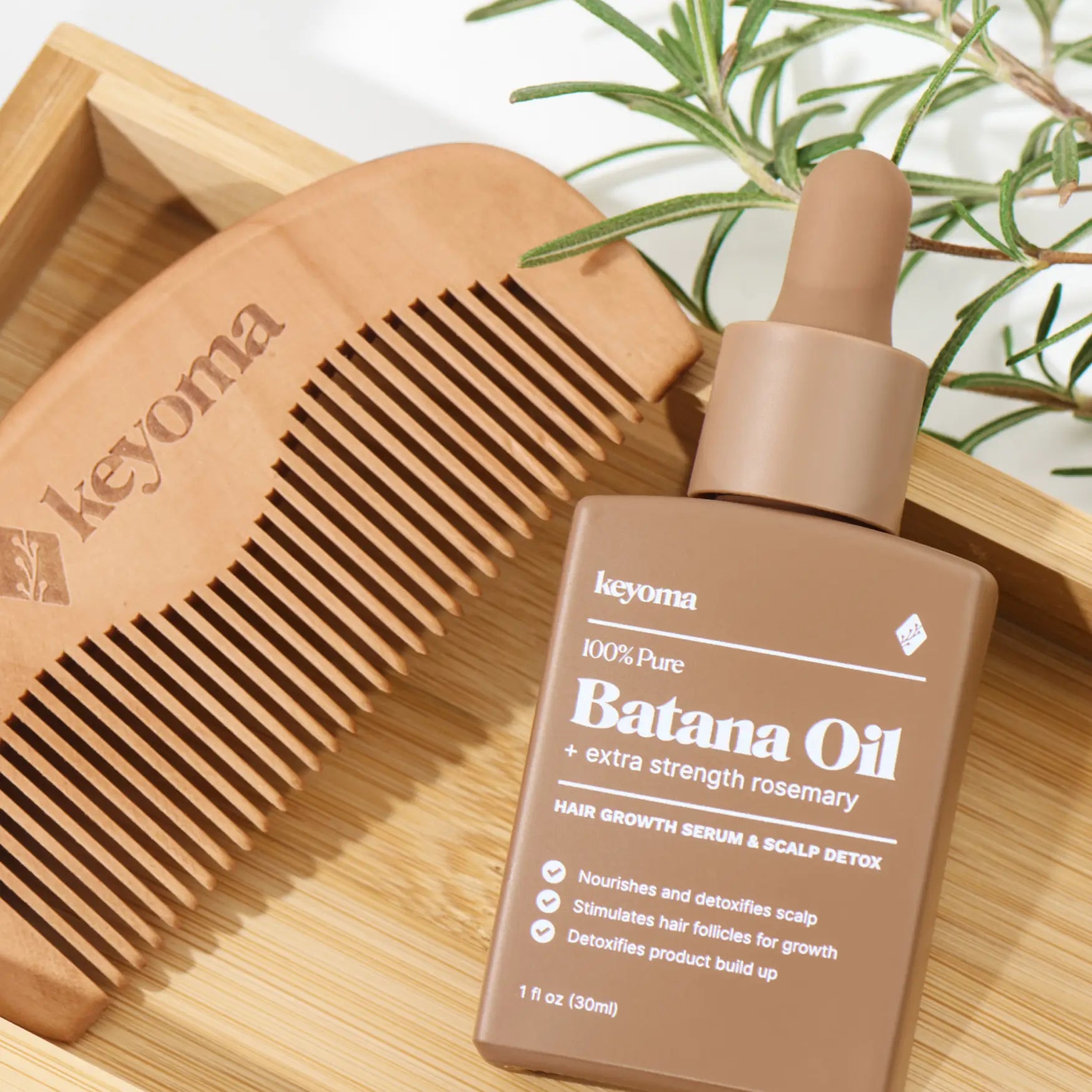
Lightly massaging nourishing oils such as batana oil with rosemary into your scalp may help support moisture and comfort. For me, a small amount worked best and kept my scalp from feeling tight or greasy afterward. Apply a thin layer, give it time to absorb, and then wash with a gentle shampoo so your scalp stays clean.
Target Product Buildup
If you use a lot of styling products, dry shampoo, or oils, residue can accumulate on your scalp and contribute to itching. Occasionally using a clarifying shampoo or a product formulated to break down buildup can help, as long as you balance it with hydrating products so your scalp does not become overly dry.
Consult Your Dermatologist
If your scalp itch is severe, keeps coming back, or is linked with hair loss, bleeding, or pain, schedule a visit with a dermatologist. They can examine your scalp, make a diagnosis, and recommend treatments tailored to your specific condition and skin type.
Build A Calmer Scalp Routine With Keyoma Starting This Week
An itchy scalp can often be traced to product buildup. If you're a fan of styling products, dry shampoo, or oils, residue might be accumulating on your scalp. This residue can contribute to that persistent itch. The insight? Balance is key.
Occasionally use a clarifying shampoo to break down the buildup, but be sure to follow it up with hydrating products to prevent your scalp from becoming overly dry.
If your scalp itch is severe, keeps coming back, or is linked with hair loss, bleeding, or pain, see a dermatologist.
Ready for more tips? Head over to the Keyoma Hair Care blog for step-by-step guides and fresh tips.
Featured Product
30% Off + 3 FREE Gifts
100% Pure Batana Oil + Rosemary


