

In this article
Iodine can get missed when you're trying to improve how your hair looks. This essential element is best known for thyroid health, but it also helps you keep hair that looks bright and glossy. In this post, you'll see what iodine does and where it may matter in your routine.
Key Takeaways
-
Iodine helps make thyroid hormones that regulate your hair growth cycle.
-
Too little iodine may add to dryness, brittleness, thinning, or shedding.
-
Enough iodine may support sebum, helping shine and overall scalp comfort.
-
Seafood, seaweed, eggs, and iodized salt are typical dietary iodine sources.
What Is Iodine
Iodine is a mineral you get from some foods. Your body needs iodine to make thyroid hormones. Those hormones guide metabolism and other key functions. You also rely on thyroid hormones for bone and brain development during pregnancy and infancy. Everyone needs iodine, and it's especially important for newborns and pregnant women.
Why Does Iodine Matters for Hair Growth?
Current evidence suggests iodine supports hair vitality in more than one way. By supporting healthy thyroid function and keeping hormones steadier, it can help create conditions for stronger, more resilient hair.
Nutrient Flow to Hair Follicles
Strong circulation supports healthy hair, and iodine can help keep blood flow consistent to your scalp. That can mean more nutrients reach your follicles, which supports hair that looks stronger and more lively.
Thyroid Function and Your Hair Growth Cycle
Iodine helps your thyroid make hormones that regulate metabolism and support hair follicles. When thyroid levels stay balanced, your hair growth cycle tends to be consistent and reliable.
Hormone Balance and Hair Thickness
One review notes that keeping iodine in a healthy range helps steady hormones, which matters for hair thickness and strength. If hormones get out of balance, hair can thin or shed more, so meeting iodine needs may help lower those risks. Healthy hair starts with feeding your body, and iodine is one straightforward nutrient that can support that foundation day to day.
Benefits of Iodine for Hair

Iodine ties back to hair health through the thyroid gland. When the thyroid works properly, it supports healthy hair for many people, says cosmetologist and trichologist.
A few ways iodine may help your hair include:
Supports Hair Growth
Getting enough iodine in your diet can help reduce hair loss over time and support hair growth. That's why iodine-rich meals can be useful.
Helps Avoid Dry, Brittle Hair
Dry, brittle, dull hair is often linked with hypothyroidism, or low thyroid hormone levels. Iodine is a key nutrient your body uses to support thyroid function. By meeting your iodine needs, you may help hair stay stronger and less prone to that dry, breakable feel over time.
Supports Shine With Sebum
When you get enough iodine, it may support sebum production (natural oil produced by the scalp), which can add shine and lustre to your hair.
May Help Lower Alopecia Risk
Androgenetic alopecia is a common hair loss condition that can cause a receding front hairline and thinning. In children and adults, hypothyroidism can also be linked with androgenetic alopecia. If you’re noticing signs of baldness, it may be worth checking whether you’re getting enough iodine in your usual diet.
Backs Hair Follicle Growth
Iodine deficiency has been linked with weaker follicle development and lower-quality hair in some people. Too little iodine can also affect thyroid hormone production and function.
Without enough thyroid hormones, which help encourage healthy hair growth, hair development may slow down. If you notice your growth rate lagging, make sure you’re getting enough iodine over time.
How to Apply Iodine for Hair Growth

Iodine may support hair growth and strength, and it can help when hair loss relates to iodine deficiency. Here are a few ways people use iodine to encourage hair growth:
Diluted Iodine on the Scalp
Mix 2-3 tablespoons of iodine with 1 tablespoon of water, then spread it on your scalp using your fingertips. Work it in for 5-10 minutes, then rinse with lukewarm or cool water. Wait 15-20 minutes before applying conditioner.
Using Iodized Table Salt on Your Scalp
Wash your hair and let it air dry, then rub iodized table salt onto your scalp using your fingertips where you’re losing hair. Massage gently to help it absorb. If the salt stings your scalp, mix it with a few tablespoons of water before you use it. For the best effects, repeat this step daily.
Batana Oil for Scalp and Hair Support When Using Iodine
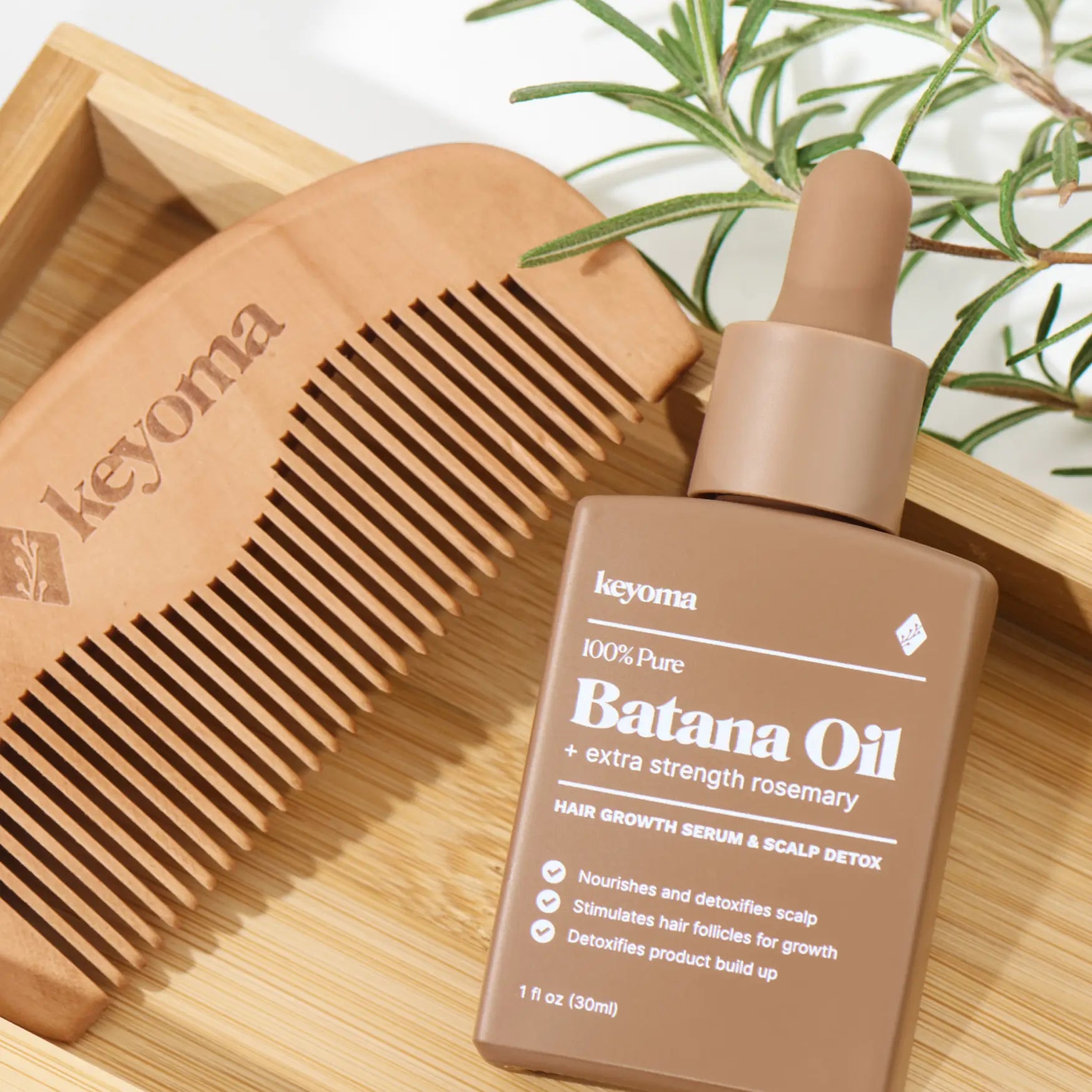
If iodine makes your scalp feel dry or tight, pure batana oil can help support moisture and reduce breakage tied to dryness. Use it on days you aren’t applying iodine so you don’t layer too many potentially irritating products at once. Do a quick patch test behind your ear or on your inner arm first. In my routine, 3 drops tended to be enough for a short scalp massage.
Iodine-Rich Foods to Add to Your Diet

Iodine helps your body produce thyroid hormones that support metabolism, energy, and everyday functions. Because thyroid health can affect hair growth and shedding, getting enough iodine from food can matter. Below are a few natural iodine-rich foods, along with easy ways to eat them.
Sesame seeds
Sesame seeds provide a small amount of iodine, plus healthy fats and B vitamins that can support scalp comfort and hair softness. Sprinkle 1–2 teaspoons over oatmeal, rice bowls, or salads, or blend them into smoothies. Tahini works too.
Oysters and shrimp
Seafood is one of the steadier sources of iodine. Oysters are particularly high in iodine, and oysters and shrimp also bring zinc and protein to support hair structure. Toss shrimp into stir-fries, pasta, or salads. If you eat oysters, think of them as an occasional nutrient boost.
Garlic
Garlic has iodine in smaller amounts, but it’s also known for sulfur compounds and antioxidants. Those can support the scalp environment and overall skin health. Use fresh garlic in soups, sautés, and sauces. If you crush it and let it sit for a few minutes before cooking, you may keep more of those helpful compounds.
Dried Seaweed: Wakame, Nori, and Kelp
Seaweed is one of the most iodine-dense foods you can eat. Wakame and nori show up in soups and sushi, while kelp tends to be the strongest. Since iodine can add up fast with seaweed, keep portions modest. Add a small sheet of nori to meals, toss wakame into miso soup, and be cautious with frequent kelp snacks.
Eggs
Eggs give you iodine mostly from the yolk, along with protein, biotin, and other nutrients that support hair strength and shine. Choose whole eggs when you can, since egg whites alone have very little iodine.
Whole Wheat Bread
Whole wheat bread may add some iodine depending on how it’s made and which ingredients are used. It isn’t the top source, but it can still fit into a balanced diet. Pair whole wheat bread with iodine-containing foods like eggs or seafood for a more meaningful boost.
Build Your Scalp Routine That Supports Growth With Keyoma
Look at what you’re eating before you jump to supplements. Iodine helps your body make thyroid hormones, and those hormones shape your hair growth cycle, but too little or too much can throw things off. Start with steady intake from food. Add whole eggs, small portions of seaweed, or seafood like cod, which can provide around 158 mcg per serving.
Keep portions reasonable, especially with kelp, since iodine adds up quickly. If you notice more shedding along with fatigue or dry skin, that may point to a deeper thyroid issue instead of a surface hair problem.
Build nutrition first, then add topical care. For more practical, food-first routines that support hair from root to strand, explore the Keyoma Hair Care blog.
Featured Product
30% Off + 3 FREE Gifts
100% Pure Batana Oil + Rosemary


