

In this article
When you're chasing healthier, fuller hair, it's easy to grab the wrong thing off a shelf. Expensive salon treatments and trendy products often leave you frustrated rather than impressed.
What if the answer was sitting in your spice drawer this whole time?
Cloves are a small but powerful spice packed with real benefits for your hair. By the time you finish reading, you'll understand exactly why cloves deserve a spot in your hair care routine.
Key Takeaways
-
Cloves contain antioxidants and antimicrobial compounds that can support scalp comfort and cleanliness.
-
Nutrients like vitamin E, omega-3s, and beta-carotene help build hair strength.
-
Eugenol may support circulation and shine, which can make hair look healthier overall.
-
Overuse can lead to dryness or irritation, so diluting and patch testing are worth doing first.
What Are Cloves
Cloves are dried flower buds harvested from the clove tree, known for their bold, distinctive aroma. They started as a traditional remedy in ancient China and later became a staple of Ayurveda, India's classical system of medicine. Rich in antioxidants, cloves also carry antimicrobial and antifungal properties.
Beyond being a kitchen spice, they're recognized for improving scalp health, calming inflammation, and feeding your hair follicles. They don't just dial down scalp inflammation — they also support healthy hair growth, since long-term inflammation can disrupt your hair's growth cycles and contribute to hair loss, dandruff, or scalp psoriasis.
Cloves ease scalp discomfort and itchiness caused by that same inflammation. These small buds help prevent hair loss and early graying, boost hair strength and thickness, and guard against oxidative stress — all while improving circulation to keep follicles active and growing.
Key Nutrients in Cloves That Support Hair Growth
Most of the hair benefits from cloves trace back to their antimicrobial, antioxidant, and anti-inflammatory compounds, but cloves also contain nutrients that directly support healthier hair. These include:
-
Omega-3 fatty acids: Current evidence suggests that omega-3 fatty acids may help reduce hair loss and scalp irritation while increasing hair density, which can result in stronger, thicker, and shinier strands.
-
Vitamin E: As an antioxidant, vitamin E can help neutralize free radical damage and may improve blood flow to the scalp — delivering nutrients to follicles and giving new growth a healthy shine.
-
Beta-carotene: Your body converts beta-carotene into vitamin A, which helps regulate sebum production in the follicle cycle. Sebum is the natural oil that moisturizes your scalp and keeps strands hydrated. Beta-carotene in cloves may help prevent dry, brittle hair and follicle-related hair loss.
Clove Benefits for Hair Growth

Cloves offer a wide range of benefits and can genuinely transform how your hair looks and feels. A dermatologist consulted by Health Shots explained why cloves are so effective for hair growth.
They've been a fixture of Ayurveda and traditional medicine for centuries, treating all kinds of concerns. Benefits come from the leaves, stem, oil, and dried buds. Here's what cloves can actually do for your hair.
Helps Keep Dandruff Under Control
If dandruff is a recurring struggle for you, cloves can step in as a reliable solution. Their anti-inflammatory and antimicrobial properties help calm scalp irritation and tackle dandruff at its source. By soothing inflammation and fighting fungal infections, cloves make a solid natural remedy for common scalp issues.
Adds Shine and Luster to Hair
If you already use hair care products, clove-infused versions can amplify your hair's natural shine. A clove rinse or mask can turn dull, lifeless locks vibrant. Researchers observed that cloves contain eugenol, which is effective at boosting hair's sheen and overall appearance.
May Help Boost Scalp Circulation
Healthy hair growth depends on steady blood flow delivering oxygen and nutrients to your follicles. Certain compounds in cloves — eugenol in particular — may have circulation-boosting properties. By improving blood flow to the scalp, they might stimulate follicles and create a better environment for hair to grow.
Antioxidant Support for Hair and Scalp
Using clove water on your hair is a worthwhile step because cloves are loaded with antioxidants and nutrients that support hair growth and resilience. The antioxidant activity also helps slow down premature graying.
Anti-Inflammatory Support for Scalp Comfort
One of the most meaningful benefits of cloves for hair growth is their anti-inflammatory action. Applied to the scalp, they can help protect against dandruff — which is actually a key driver of weak, thinning hair. Those same anti-inflammatory agents encourage hair thickening and can also help reduce hair fall.
Helps Strengthen Hair Strands
With a high concentration of vitamins and antioxidants, cloves actively protect your hair health. They form a kind of shield that buffers your strands against environmental stressors and heat styling damage. That protection makes your hair less prone to breakage over time. Cloves contain natural compounds that care for your hair from root to tip.
Vitamin K and Scalp Circulation
The vitamin K in cloves supports better blood flow, which in turn stimulates hair growth at the follicle level. Vitamin K also helps address dandruff, flaking, and the scalp itchiness that goes with it, thanks to cloves' anti-inflammatory properties.
Eugenol
Eugenol, the key compound found in clove oil, can encourage hair growth when massaged into the roots. It also helps repair and fortify the hair shaft, and adds a healthy shine to the hair shaft with consistent use.
May Help Fight Scalp Infections
A clean, healthy scalp is the foundation for strong, vibrant hair. Cloves have antifungal and antibacterial properties, meaning they might help fight the bacteria and fungi behind dandruff, folliculitis, and a persistently itchy scalp. Applying clove oil topically may relieve chronic itchiness. One study examined the effects of cloves on scalp infections directly.
Using scalp samples from six volunteers, the researchers found that clove extract slowed the growth of Staphylococcus aureus (a bacterium) and Cryptococcus neoformans (a fungus). The study was small, so it can't offer definitive answers, but it does suggest that clove extract could help treat scalp infections.
May Help Hair Look Fuller
Cloves stand out when it comes to supporting natural hair growth. Using them helps stimulate circulation in the scalp, feeding follicles with what they need to produce new hair. When blood flow picks up, your roots get more of the essential nutrients that support hair growing in a healthier, fuller environment.
How to Use Cloves for Hair

Cloves offer real hair health benefits in several different formats. To get the most out of them, you can work them into your routine in these ways:
Using Cloves With Pure Batana Oil
If you want to pair cloves with pure batana oil in your routine, think of cloves as your "stimulating" step and batana oil as your "comfort" step. Cloves can irritate the scalp when they're too concentrated, so stick to clove-infused carrier oil or clove water, and never apply undiluted clove essential oil directly to the scalp.
On clove days, massage clove-infused oil into your scalp, then shampoo it out. After washing, apply a small amount of Keyoma Batana Oil With Rosemary to the scalp and massage for one to two minutes. I've found that warming the oil slightly between my palms makes it easier to spread evenly.
If you prefer a clove water rinse instead, do it after shampooing and conditioning. Let your hair drip-dry for a few minutes, then work a light amount of Keyoma into the scalp, paying extra attention to any dry patches.
A manageable schedule is cloves once weekly with Keyoma two to three times weekly on non-clove days. Stop if you notice any burning, itching, or redness.
Clove Oil Scalp Massage
Work the oil gently into your scalp using small circular motions. This encourages better blood flow and helps the nutrients sink deeper into your scalp and follicles. Leave the oil on for about 30 minutes, then rinse with a gentle shampoo.
DIY Clove Hair Mask Recipe and Application
A conditioning hair mask with cloves can help you get even more from the ingredient. To make it: combine 2 tbsp of clove powder, 3 tbsp yogurt, and 1 tbsp honey, then mix into a smooth paste. Apply the mask across your scalp and hair, making sure you work it into the roots as well.
A friend with a dry scalp mentioned she noticed more relief when she left it on closer to the 45-minute mark. Leave it on for 30–45 minutes before rinsing thoroughly with lukewarm water.
Possible Side Effects of Using Cloves on Hair

Cloves are generally safe for topical use. That said, using them correctly matters if you want to avoid irritation or unwanted reactions. Potential side effects of clove hair treatments include:
-
Dryness: Using clove-based products too often can sometimes dry out your scalp or hair. Use them in moderation and follow up with a moisturizing conditioner each time.
-
Scalp sensitivity: Clove oil is potent and can irritate the scalp, causing redness and itchiness. Always mix it with a carrier oil before applying.
-
Allergic reactions: While uncommon, some people do have an allergy to cloves.
It's a smart habit to do a patch test before putting cloves on your scalp, just to confirm you're not sensitive or allergic before committing to a full application.
Explore More Natural Hair Care Ingredients with Keyoma
Think of cloves as a potent scalp helper rather than a daily go-to. Their antimicrobial and anti-inflammatory properties can support a cleaner, calmer scalp, but clove oil is strong and can cause dryness or sensitivity if you overuse it.
If you pick up on tightness, flaking, or itching, ease off and shift your focus to moisture so you don't swap one problem for another. The less obvious move is balancing stimulation with slip so your strands don't snap.
Featured Product
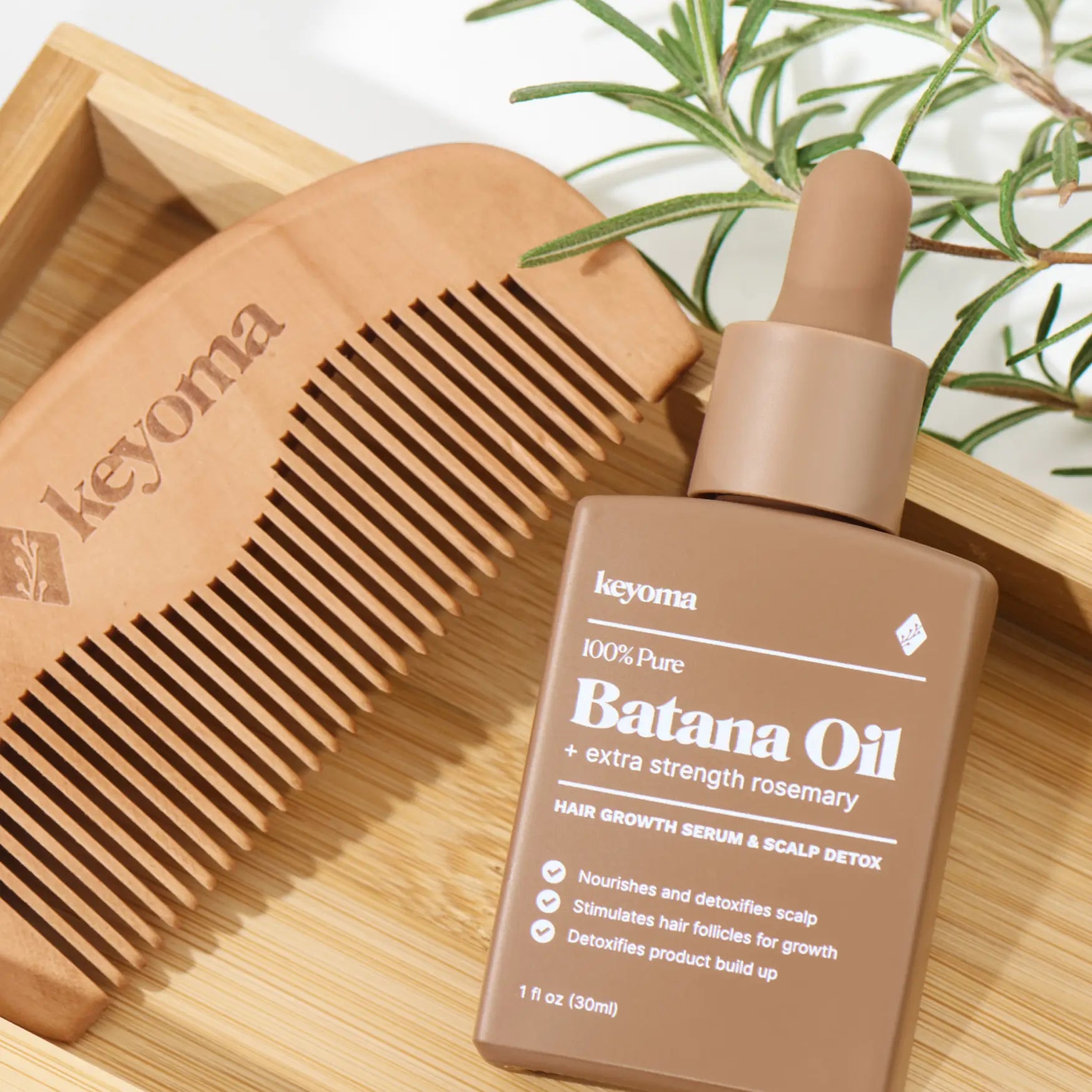
30% Off + 3 FREE Gifts
100% Pure Batana Oil + Rosemary


