

In this article
Looking for a natural way to get radiant hair? Manuka honey might be the sweet solution you need. This golden honey is known for its many health perks and is now gaining popularity as a powerful ingredient in hair care. While it's often linked to its antibacterial qualities and delicious flavor, its benefits go beyond just food.
If you're always trying to get perfect hair, this old-fashioned treatment from nature might be just what you need to make your hair strong and full of life. Come with us as we explore the wonders of Manuka honey and how it can change your hair.
Let’s find out how adding Manuka honey to your hair care can turn your hair from dull to dazzling.
Key Takeaways
-
Manuka honey contains MGO and acts as a humectant that holds moisture in hair.
-
Regular use can support scalp comfort through antibacterial, antioxidant, and anti-inflammatory effects.
-
Honey may reduce breakage, support length retention, and help address dandruff-causing microbes.
-
Batana oil with rosemary works as a separate oiling step, adjusted by hair response.
What Makes Manuka Honey Special for Hair Care?
Manuka honey is different from other kinds of honey because of its special features. Its power comes from a high amount of methylglyoxal (MGO), a compound that gives it strong germ-fighting and healing abilities. When shopping for Manuka honey to use on your hair, check the MGO rating—the higher it is, the stronger the honey.
Manuka honey is a natural humectant, so it can pull in and hold moisture. Because it keeps moisture locked into your hair, using this honey from New Zealand as a regular mask may help to hydrate hair that is dry or damaged, and it can also soothe a scalp that feels itchy.
6 Benefits of Using Manuka Honey for Hair Care

Bees that pollinate tea trees in New Zealand and Australia are the main producers of Manuka honey. Because of its antibacterial traits, it has been used to help treat different diseases and infections. But did you realize it can also be good for your hair?
Here are six reasons why honey might be right for your hair:
Prevents Dandruff
Dandruff is a pretty typical problem. How often do you scratch your head, only to see flakes falling like snow? Bacteria or fungus often cause dandruff. Manuka honey can help get rid of dandruff because it fights bacteria and reduces inflammation. When your scalp feels inflamed, shampooing with honey can help to soothe it and bring back healthier skin.
Moisturizes Dry Hair
If your scalp doesn't make enough natural oil, or if it's just in your genes, your hair might get dry. Sometimes your body just makes less oil as you get older. But no matter why, it’s key to find a way to hydrate your hair, especially if you blow-dry it.
Honey from the Manuka plant is a natural hydrator. It has humectant properties that help to seal in moisture and stop water from getting out, making it a great moisturizer for your hair.
Boosts Shine
Your hair might look dull if you’re using the wrong products, not eating well, or overdoing it with harsh chemicals or styling. Manuka honey contains emollients that smooth the hair follicles, which can make your hair look healthier and shinier.
Strengthens Hair Follicles
Hair consists mostly of protein and amino acids. Environmental factors and too much styling can cause damage. Your hair might be telling you it needs more protein if it starts to look limp or stringy. The good news is that Manuka honey has protein.
It strengthens hair and gives it structure, which prevents breakage and hair loss. By including honey in your hair routine, you can strengthen your follicles and avoid damage.
Enhances Scalp Health
As mentioned before, honey may help you avoid damaged hair, but it can also make your scalp healthier overall. The antioxidant, anti-inflammatory, and antibacterial qualities of Manuka honey are nourishing to the scalp.
Assists with Hair Growth
Another perk of using Manuka honey is that it may help your hair grow. Because it stops breakage, it lets your hair grow longer and stay healthy.
But that's not all—honey may also encourage the growth of new cells, which can lead to new hair growth. Plus, a healthy scalp makes it more likely you'll have better hair growth.
Honey can often help stop skin infections and clear follicles, and clear follicles can lead to more hair growth. It's also thought that honey might awaken follicles that have gone dormant.
How to Incorporate Manuka Honey into Your Hair Care Routine

Now that we've talked about the benefits, here are some simple and easy ways to add Manuka honey to your hair care without making it too hard. Since Manuka honey is so thick and sticky, the trick is to use just enough, put it on carefully, and rinse it out well.
That way, you get softness and shine without any heavy residue. As someone who enjoys experimenting with natural hair treatments, I find these methods quite practical.
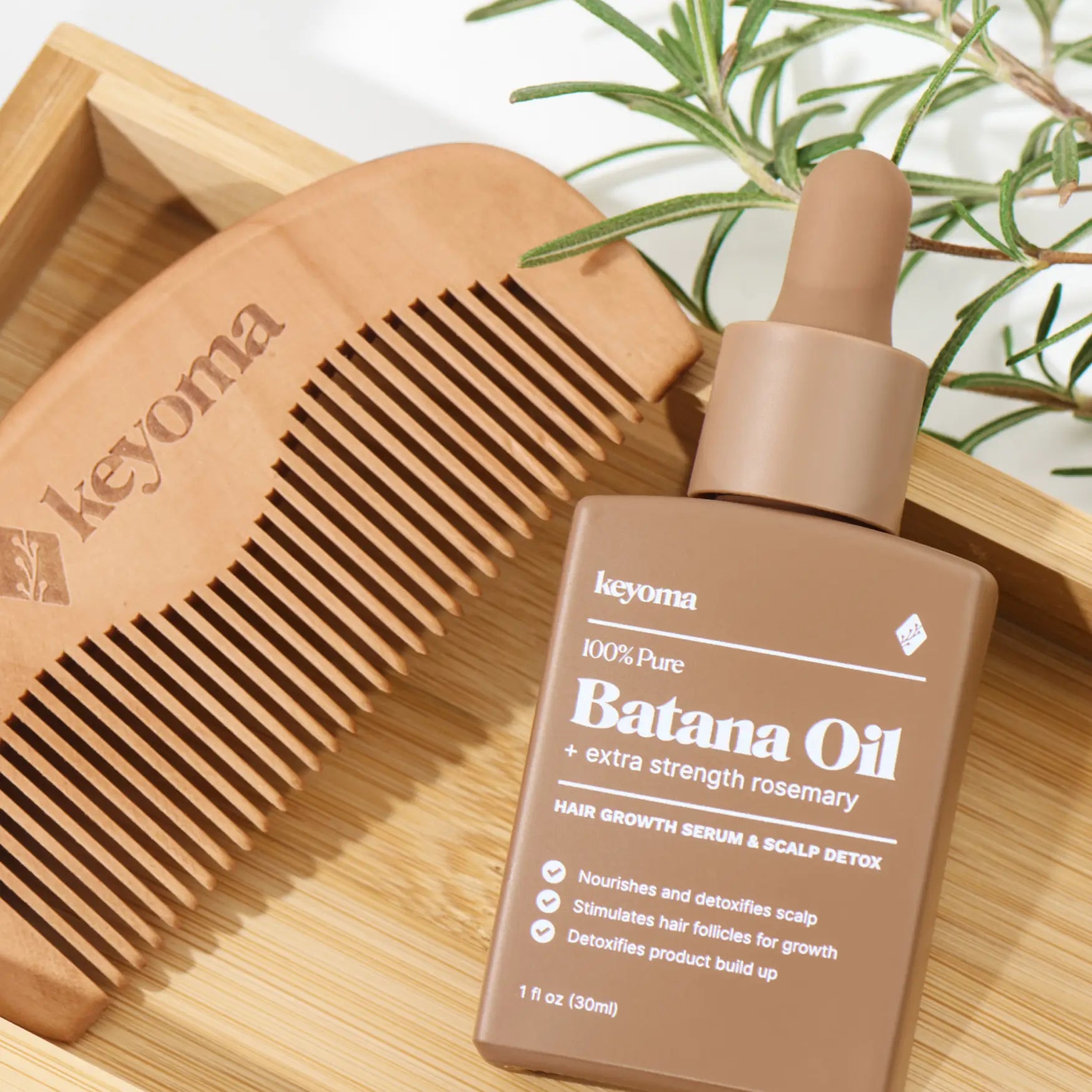
Batana Oil With Rosemary
If you want a special step that targets how your hair looks and feels over time, try adding batana oil with rosemary when you do your oiling step. It works best either as a pre-wash treatment, or if you just want to focus on dry areas. Because batana oil is naturally very rich, start with a small amount.
Warm a few drops between your hands, then put it on your scalp in small sections if you're doing scalp oiling. Or, if your scalp tends to get oily, just focus on the middle and ends of your hair.
Gently massage for one to three minutes so the oil spreads evenly, then let it sit for at least half an hour before you wash your hair. My sister had fewer tangles after a short pre-wash oil.
You can leave it on longer for a deeper treatment before you shampoo, just make sure you cleanse well afterward. If you'd rather use a lighter touch, put one drop on the ends of your hair after showering while they're still damp. This can help reduce frizz and add shine.
Keep this separate from the honey steps so you can see how it's affecting your scalp and hair, and change the amount based on how your hair responds.
DIY Manuka Honey Hair Masks
A Manuka honey mask is a great choice when your hair feels rough, dry, or lifeless, and you want to hydrate it quickly. For a simple mask, just mix Manuka honey with nourishing things like avocado, olive oil, or yogurt, depending on what your hair needs.
For a richer mask, mix 2 tablespoons of Manuka honey with 1 tablespoon of coconut oil and 1 teaspoon of argan oil until it’s smooth. Put it on your damp hair, focusing on the middle and ends where it's usually driest. Keep it away from the roots if your scalp gets oily easily.
Let the mask sit for 20–30 minutes, then rinse well with lukewarm water. If your hair still feels coated after you rinse, use a little shampoo and rinse again. Doing this regularly may help your hair look smoother, feel softer, and be easier to detangle.
Boost Your Conditioner With Manuka Honey
If you like Manuka honey but don’t want to do a full mask, try just adding it to your conditioner for a quick boost. Because Manuka honey can help your hair hold onto moisture, it's useful when your conditioner doesn't seem to be hydrating enough, especially at the ends.
Mix equal amounts of Manuka honey and your favorite silicone-free conditioner in your hand or in a small bowl. Then, put it on your clean, damp hair. Make sure you focus on the middle and ends, and leave it on for two to five minutes so it has time to soften your hair and make it more slippery.
Rinse well until your hair feels light and clean, not sticky. This is a great method when you want a smoother finish without making your hair feel heavy.
Scalp Treatments With Manuka Honey
When your scalp feels dry, irritated, or just not right, you can also use Manuka honey as a gentle treatment. Mix Manuka honey with aloe vera gel and a few drops of tea tree oil for a simple blend. Aloe can help to calm your scalp, while tea tree oil is often used to make your scalp feel cleaner and fresher.
Apply the mix right onto your scalp in sections, then use your fingertips to massage gently, being careful not to use your nails. Use light, steady pressure to help circulation without irritating your skin.
Let it sit for 15–20 minutes, then rinse well and shampoo like you usually do. If you have a scalp that's easily irritated, use less tea tree oil, or skip it completely and just use honey and aloe.
Using this occasionally may leave your scalp feeling more comfortable and help your hair feel cleaner at the roots.
Manuka Honey Leave-In Treatment
For a lighter approach, you can dilute Manuka honey and use it as a quick leave-in mist to help with hydration and manageability. Put Manuka honey and water in a spray bottle, and shake until the honey dissolves as much as possible. Lightly mist it onto your damp hair before styling, especially on the areas that tend to get dry or frizzy.
You want a thin, even layer, not a heavy coating. Honey can help your hair feel softer and look smoother because it draws in and holds moisture.
It can also create a light barrier that protects against dryness from heat styling or the dry air. If your hair feels sticky afterward, you probably used too much honey. Try diluting the mix more, or just use less product next time.
When you get the balance right, this method may leave your hair looking polished and hydrated, and it may also make it easier to style.
Switch to Natural Hair Care Routine with Keyoma
If water beads up instead of soaking in, your cuticle is sealed and honey won't penetrate. In that case, do a warm water rinse first to lift the cuticle, then apply your honey blend while hair is still wet.
For oily roots, keep honey below the ears and rinse twice to avoid residue. If you mix honey with coconut oil, warm both ingredients in your palm so they blend smoothly and spread without clumping. Three signs you used too much: stickiness after rinsing, flat roots by day two, or a waxy film when you run fingers through dry hair.
Dial back to half the amount next time. Want more clean ingredient swaps and troubleshooting guides? Explore the Keyoma Hair Care blog for step-by-step routines.
Featured Product
30% Off + 3 FREE Gifts
100% Pure Batana Oil + Rosemary


