

In this article
Using hair oil has long been a regular ritual in many cultures, valued for nourishing strands, calming the scalp, and boosting shine. Still, even with these benefits, hair oil overuse has become surprisingly common, especially as beauty influencers and wellness trends present daily oiling as essential for healthy hair.
Many people mistakenly believe that more oil always means more moisture or protection. In reality, hair does not actually drink oil the way skin absorbs moisturizer. Instead, oils stay on the surface and create a barrier. When you apply them excessively or too frequently, that barrier traps dirt, sweat, and dead skin cells and disrupts your scalp’s natural balance.
Recognizing the early signs of overuse helps you prevent long-term damage and restore your hair’s natural vitality.
Key Takeaways
-
Hair oil overuse means applying large, frequent amounts that disrupt natural sebum balance.
-
Early signs include greasy roots, scalp irritation, dullness, extra flakes, shedding, and limp strands.
-
Recovery focuses on clarifying shampoos, pausing oils, lightweight leave ins, and slowly reintroducing smaller amounts.
-
Ongoing balance depends on tracking scalp changes and adjusting oil quantity, placement, and frequency.
What Hair Oil Overuse Is and Why It Happens
Hair oil overuse occurs when you apply a lot of oil very often, which can disrupt your scalp’s natural sebum production and overwhelm your hair’s ability to absorb what it needs. While natural oils like batana, argan, coconut, jojoba, and castor oil offer nourishment and protection, they are not meant to be used without limits.
Using too much oil can suffocate hair follicles, block pores, and create an environment where bacteria or yeast thrive, leading to issues like folliculitis or seborrheic dermatitis.
The problem is not the oil itself. It is the imbalance it can create. Your scalp produces its own oil (sebum) to keep hair moisturized and protected.
When you layer on external oils excessively, your scalp may respond by overproducing sebum, which makes hair greasier faster, or by slowing production so much that dryness and flaking show up. Neither situation supports healthy hair growth or a healthy-looking appearance.
How To Spot Early Signs of Hair Oil Overuse

Spotting the early signs of over-oiling can save you from weeks of buildup, flat hair, and avoidable scalp problems. When you use hair oil too often or apply too much at once, your scalp and strands eventually show the strain. The signals below indicate that you are no longer nourishing your hair and may instead be overloading it with product.
Greasy Roots Within 24 Hours After Washing
If your roots look shiny and oily the very next day after washing, even when you have not added more oil or used heavy styling products, it usually means there is lingering residue on your scalp. Over time, this buildup can make your hair feel heavy at the roots and push you to wash more often than you would like.
Scalp Irritation or Itching After Using Hair Oil
Excess oil can clog hair follicles and trap sweat, dead skin, and leftover product, which may trigger inflammation on the scalp. If you notice persistent itching, slight burning, or patches of redness that ease after clarifying or washing more thoroughly, over-oiling is very likely part of the problem.
Dull, Lackluster Hair Appearance
A small amount of oil can add shine, but too much product can make hair look coated and dirty, especially in natural light. Instead of a healthy glow, your strands may seem streaky or sticky, and they can feel waxy to the touch even when you washed them recently.
Increased Dandruff or Flaking on the Scalp
A constantly oily scalp creates an ideal environment for Malassezia yeast, which researchers link to many dandruff cases. If you suddenly see more flakes on your shoulders or along your parting and you are also oiling frequently, your routine may be feeding an imbalance on your scalp.
Slow Hair Growth or Noticeably More Shedding
When follicles are blocked by layers of oil, sebum, and product, new hair has a harder time coming through and the scalp may not function at its best. You might notice slower growth, more hair on your brush or in the drain, or areas that look less dense than usual over several weeks.
If you consistently notice two or more of these signs, it is a good time to step back and adjust how often and how heavily you apply oil. Fine hair and low-porosity hair are especially vulnerable to buildup, because they absorb less product and show excess more quickly.
A lighter hand, extra rinsing time, and occasional clarifying washes can help your scalp reset and let your hair respond better to your routine again.
Flattened, Limp Hair Strands With No Volume
When there is too much oil sitting on the hair shaft, it weighs each strand down and takes away your natural lift and movement. This shows up the most at the crown or around the face, where your style normally has some height but instead looks flat and lifeless no matter how you brush or fluff it.
How To Fix Hair Oil Overuse and Reset Your Scalp

Overusing hair oil can leave your scalp greasy, your lengths heavy, and your style looking flat. The good news is that you do not need to cut your hair or toss all your products. With a clear plan and some patience, you can reset your routine and help your hair feel light and balanced again.
What follows is a simple recovery plan that guides you through each stage and explains the reason for every step.
1. Clarify Your Scalp and Strands Thoroughly
Your first goal is to remove built-up oil, silicone, and product residue without damaging your hair. Reach for a gentle clarifying shampoo with apple cider vinegar, tea tree oil, or salicylic acid, since these ingredients help break down scalp buildup and refresh the scalp.
On your first reset wash, shampoo twice in the same shower. The first pass loosens surface grease and styling residue, and the second wash gives your scalp and lengths a deeper clean. I noticed my hair felt lighter when I massaged the shampoo for an extra minute. Focus the shampoo on the scalp first, then work the lather through the mid-lengths and ends.
Rinse very thoroughly so no product is left behind, and finish with a light conditioner only on the ends.
2. Pause All Hair Oil Applications
After your hair is fully clarified, your scalp needs a genuine break. Stop using hair oils completely for 7 to 10 days. That means no oil on the scalp, none on the ends, and no mixing oil into masks or leave-ins.
This pause allows your scalp to rebalance its own sebum production and reveals what your hair is like without continuous extra oil. During this stretch, notice how quickly your roots get greasy, how your ends feel, and whether your scalp feels calmer. That feedback will guide how much oil you truly need later.
3. Hydrate Hair Without Adding Extra Grease
Skipping oils for a while does not mean you should let your hair dry out. During the reset, you still want moisture without extra weight. Swap oils for water-based leave-in conditioners or lightweight hair serum after washing.
Seek out hydrating ingredients like aloe vera, glycerin, and panthenol, which pull moisture into the hair shaft and help keep it there. Apply these products mainly from the mid-lengths down, especially if your ends feel rough or tangle easily. Start with a small amount and build up only if your hair actually absorbs it.
A close friend with a sensitive scalp felt calmer once she switched to lighter, water-based leave-ins. This keeps your strands soft and manageable while you avoid new buildup.
4. Reintroduce Hair Oil Slowly and With Intention
After your reset week, you can begin using oil again, but with stricter limits and a clear plan. Start with once per week instead of every day. Use no more than a pea-sized amount on short to medium hair, or up to a dime-sized amount on long or very thick hair. Warm the oil between your hands and apply only to the mid-lengths and ends, avoiding the roots and scalp.
Keep an eye on how your hair responds to that schedule. If it feels silky and light, you are probably near the right amount. If it seems coated or turns greasy by the next day, you are still using too much or reaching for oil too often.
5. Monitor Your Results and Make Small, Gradual Adjustments
The final step is to treat your hair like a feedback system that you adjust gradually. Over the next few weeks, track how long your hair stays fresh, how your ends feel, and whether your scalp stays calm. If greasiness returns within a day or two, reduce oil use to once every 10 to 14 days or cut the amount in half.
If your ends feel dry or rough, slightly increase the amount or concentrate more product on the driest sections, but only up to what your hair can absorb within about 30 minutes. Any shine that still sits on the surface after that is an excess product your hair does not need.
Making small, deliberate adjustments instead of dramatic changes helps you avoid shocking your scalp and keeps your routine sustainable over time. This kind of phased recovery clears out old buildup, clarifies how much moisture your hair truly needs, and lets you enjoy the benefits of hair oil without sliding back into overload.
Reset Heavy Hair Oil Habits With Keyoma And Start Today
Many believe that if some hair oil is good, more must be better. Instead, be alert for the signs of over-oiling, like greasy roots within 24 hours or increased dandruff. A better alternative? Treat your hair like a feedback system.
Clarify your scalp and strands, then pause all oil applications for 7-10 days to allow your scalp to rebalance. Reintroduce oil slowly and with intention, monitoring the results. If you're eager for more step-by-step guides and fresh tips, explore the Keyoma Hair Care blog today.
Featured Product
30% Off + 3 FREE Gifts
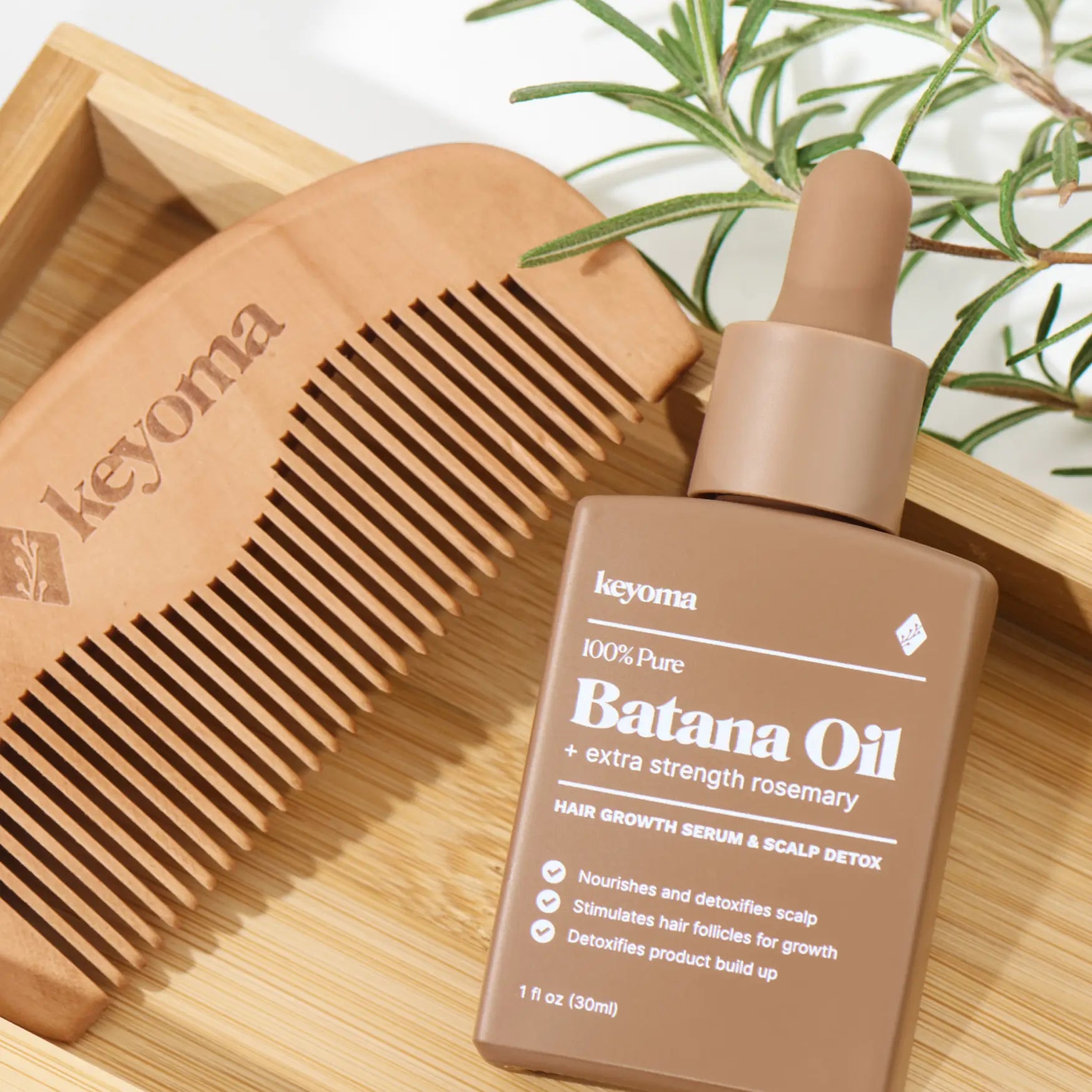
100% Pure Batana Oil + Rosemary


