

In this article
Sweating is a normal part of life, and by itself it usually doesn’t harm your hair. Still, it’s fair to ask whether sweat actually benefits your strands or supports hair growth.
Right now, there’s no solid scientific proof that sweating, whether from regular exercise or hot weather, makes your hair grow thicker, keeps it healthier, or prevents hair loss. In fact, current research doesn’t show many clear benefits of sweat for your hair or scalp, aside from possibly changing how it smells if you go several days without washing with shampoo.
The upside is that if you want to encourage hair growth and keep your hair looking full, you don’t have to depend on sweat to get there. In the next sections, you’ll see how hair growth really works and why sweating alone isn’t a reliable answer if you’ve started to notice thinning or shedding.
We’ll also walk through practical ways to protect your hair from damage, care for your scalp, and support healthier roots and follicles, all without needing to rely on sweat.
Key Takeaways
-
Sweating alone shows no proven benefits for thicker growth or preventing hair loss.
-
Sweat left on the scalp can mix with debris, clog follicles, and irritate skin.
-
Moderate sweating may hydrate the scalp, flush surface impurities, and support better follicle circulation.
-
Healthy hair with a sweaty scalp needs gentle cleansing, suitable products, hydration, and balanced nutrition.
Can Sweating Lead to Hair Loss?
While sweat can sometimes be neutral or even slightly helpful for your hair and hair growth, poor overall lack of hygiene can cancel out any small benefits. If you don’t shower or rinse away the sweat, salt can build up and end up stressing your hair.
That buildup also includes lactic acid, which can contribute to hair loss and breakage when it interacts with the keratin in your strands. The moisture from sweat can also combine with bacteria on the scalp and increase the risk of fungal infections.
The key point is that these problems usually come from heavy sweating that’s left on the scalp for long stretches. It’s wise to shower or at least rinse away sweat after an intense workout or any activity where you sweat a lot.
When sweat and other debris sit on your scalp, they can form a scaly, itchy layer called seborrheic dermatitis. Right now, researchers haven’t found a direct link between night sweats and hair loss, but if you notice both together, it’s best to talk with a doctor to rule out an underlying issue.
How Sweat May Support Hair Growth

Surprisingly, sweat can sometimes play a supportive role in overall hair and scalp health. Here’s how it may contribute to a better environment for growth.
Helps Maintain Scalp Hydration
You might automatically link sweat with needing a quick shower, but it can also help keep your scalp from drying out. Sweat carries moisture and some natural components that may support a healthier setting for your hair follicles, which is important for growth.
Sweat doesn’t behave like a conditioner that smooths the hair shaft, but it can still influence your scalp’s moisture balance. When your scalp stays hydrated, it can better support hair follicles and keep them in a healthier growth phase. So in terms of scalp health, sweat isn’t automatically a bad thing.
Explore how you can take care of damaged hair follices.
Helps Flush Toxins and Impurities
If you’ve always seen sweat as only annoying, it can also act like a basic cleansing step for your scalp.
Sweating helps your body flush away some waste products and impurities from the skin surface, which may indirectly support hair growth. As you sweat, you shed not just extra moisture but also traces of dirt, oil, and environmental particles that have settled on your scalp.
By helping clear away these impurities, sweat can make the scalp a bit more welcoming for your follicles. Just remember to wash your scalp afterward, because letting sweat and debris dry on your skin can still cause buildup and clogged follicles. A gentle cleanse keeps that natural balance intact while letting you hold on to any small benefits of sweating.
Boosts Blood Flow
When you work up a sweat during exercise, your body isn’t just burning calories. It’s also increasing blood flow. That boost in circulation reaches your scalp and delivers more oxygen and nutrients to the hair follicles. Because blood supply is essential for nutrient delivery, this improved flow can create a more supportive environment for growth.
In that sense, a sweaty workout can indirectly benefit your hair follicles as well. It’s one reason experts often associate a very sedentary lifestyle with less-than-ideal hair health, since regular movement keeps circulation going and may support both hair growth and overall scalp condition.
Downsides of Excessive Sweat on Hair

Sweating might feel like a built-in “cleanse” for your scalp, yet too much of it can work against you.
If you’ve wondered, “Can sweat stimulate hair follicles?” it helps to remember that balance really matters. Once sweating becomes excessive, it can start to create problems for both your hair and your scalp.
Scalp Irritation and Buildup
Sweat is more than plain water. It also carries minerals, oils, and naturally occurring microbes. When sweat stays on your scalp for too long, it mixes with sebum (your scalp’s natural oil), dirt, and leftover styling products. Over time, this combination can clog hair follicles and pores and may lead to irritation, inflammation, or even folliculitis.
Over time, this buildup can slow healthy growth and might play a role in extra shedding or hair loss. So while moderate amounts of sweat won’t suddenly cause baldness, neglecting scalp hygiene can still affect overall hair health.
Drying, Dehydrating Effect
If your hair feels stiff and straw-like after a hard workout, sweat may be part of the reason. As sweat dries, the salt it leaves behind can pull moisture out of both your scalp and hair shaft.
That drying effect can strip away natural hydration and make your hair brittle, rough, and more likely to break. Put simply, if you never rinse that sweat out, you’re leaving your hair uncomfortably thirsty.
Fungal and Bacterial Overgrowth
A persistently sweaty scalp can be very inviting for fungi and bacteria. When excess moisture sits on your skin, it creates a warm, damp setting that encourages unwanted microbial growth. Over time, this may contribute to hair loss and scalp issues such as dandruff, seborrheic dermatitis, or even more serious infections.
Because a healthy scalp is essential for growth, managing fungal and bacterial buildup is an important part of keeping your hair in good shape.
How to Manage a Sweaty Scalp for Healthier Growth

A sweaty scalp is a fact of life, especially if you stay active or live in a warm climate. The upside is that a little sweat can still offer some indirect benefits for growth, such as helping release certain minerals and nutrients from the skin. At the same time, it brings along a few challenges you’ll want to manage.
Keeping your scalp in balance is crucial if you want your hair to stay strong without feeling greasy. Here are practical ways to let sweat work in your favor instead of against your hair health.
Build a Gentle Cleansing Routine
Sweat cools your body when you are active, but if it stays on your scalp too long it holds onto dirt and extra oil. That buildup can gradually clog hair follicles and slow healthy growth. You can use this scalp care routine.
To lower this risk, wash your hair regularly with a gentle, scalp-friendly shampoo. Daily washing doesn’t have to cause hair loss as long as you choose a mild formula and massage your scalp softly instead of scrubbing aggressively.
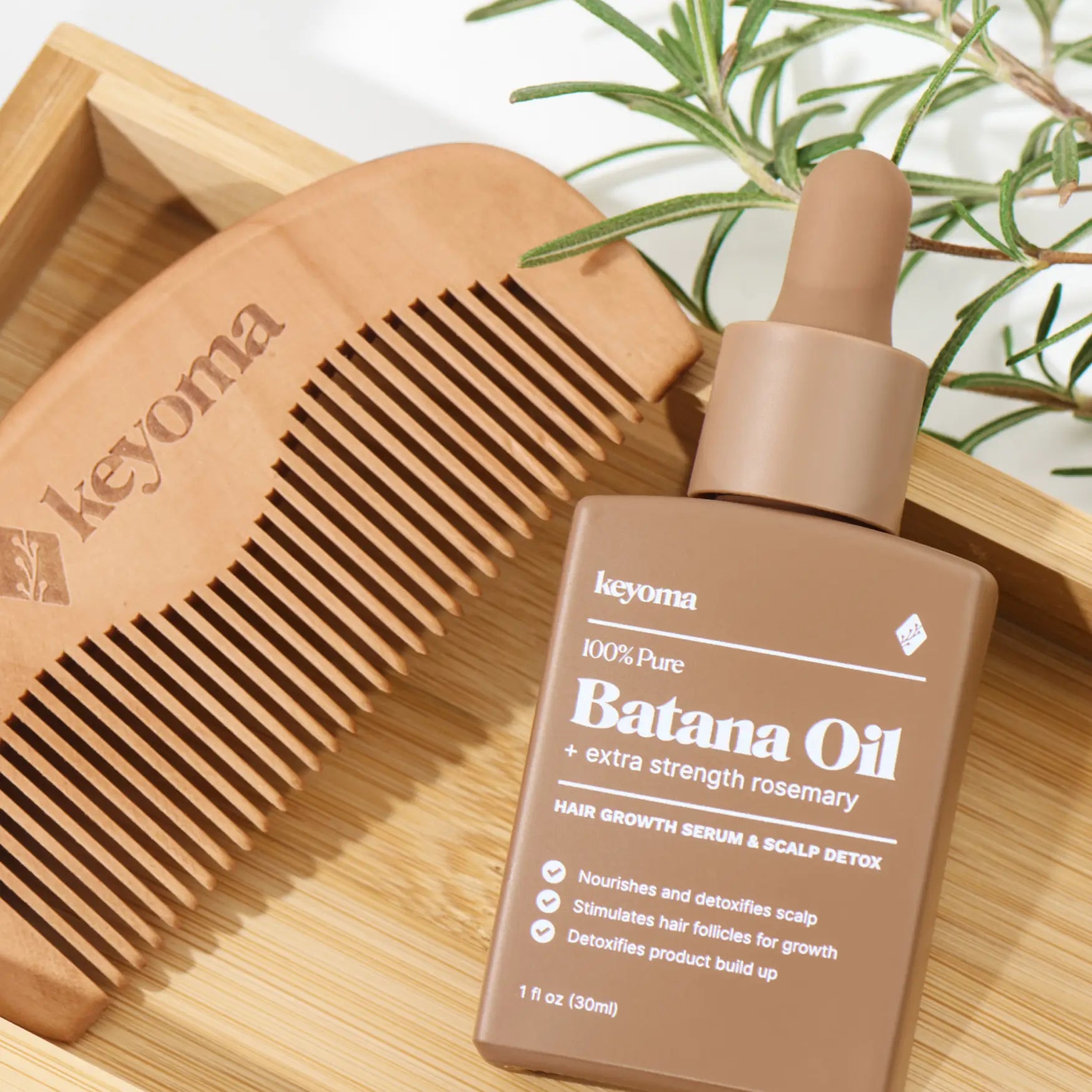
Look for shampoos that clean well without removing all your natural oils, then after rinsing, gently work Batana Oil with Rosemary into your damp scalp and lengths to replenish moisture and support healthy growth. I noticed my scalp felt calmer and less tight when I kept this step consistent.
Tweak your wash schedule to match your hair type. Oily scalps often need more frequent washing, while dry or textured hair usually prefers more time between shampoos. Try to use lukewarm water instead of very hot water, because high heat can dry out both your scalp and your strands.
Choose Products That Suit Your Scalp
Shampoos can differ a lot, especially when you are dealing with a sweaty scalp. For best results, choose a shampoo and conditioner pair that fits your hair type. If you struggle with a lot of sweat, focus on products containing cooling ingredients like tea tree oil, peppermint, or aloe vera to soothe the scalp and help balance oil levels.
These kinds of ingredients can help your scalp feel fresher while also supporting a healthier environment for hair follicles. Try to avoid any shampoo with harsh ingredients such as sulfates, formaldehyde, parabens that can damage your hair and similar additives.
Choose lightweight, hydrating products, especially when you are dealing with sweat and want to protect your hair. A friend with a very active job found this helped keep their scalp less itchy. Thicker creams and heavy oils can sometimes make things worse by clogging pores and forcing your scalp to work harder to stay balanced.
Remember that gentle formulas usually work best. Harsh sulfates can irritate the scalp and upset its natural oil production. Choosing sulfate-free shampoos helps your scalp feel clean and comfortable while still supporting healthy hair growth.
Stay Hydrated and Well Nourished
Healthy hair growth starts within your body. Drinking enough water helps keep your scalp hydrated and in better balance, which may reduce the tendency to overproduce sweat. Hydration is also about what you eat, since your daily diet plays a major role.
Eating foods that are rich in omega-3 fatty acids (such as salmon and walnuts), zinc, and vitamins A, C, and E can support better hair hydration and strength. When your hair is stronger and better nourished, sweat is less likely to cause major problems.
Balance Sweat, Scalp Care, And Growth With Keyoma
Sweat, while natural, can tip the scales against your hair if left unchecked. The real insight here is recognizing that sweat isn't just water; it's a cocktail of minerals, oils, and microbes that, when combined with sebum and styling products, can clog follicles and irritate your scalp. The trade-off?
While sweat can help hydrate the scalp and flush out impurities, neglecting proper cleansing can negate these benefits. So, if you're hitting the gym or living in a warm climate, understand that rinsing and using a gentle, sulfate-free shampoo isn't just about hygiene—it's about maintaining the delicate balance your scalp needs to thrive.
Ready to explore more hair care tips? Visit the Keyoma Hair Care blog for step-by-step guides and fresh tips.
Featured Product
30% Off + 3 FREE Gifts
100% Pure Batana Oil + Rosemary


