Batana Oil for Black Hair: Moisture and Protective Style Care
Written by

Published on Apr 28, 2026

In this article
Batana oil can be a good fit for Black hair, but the strongest reason to use it is moisture support. For dry, coily, textured, or over-manipulated hair, a rich oil can help seal in moisture, soften rough strands, reduce frizz, and make breakage less obvious. That is where batana oil fits best.
Texture, porosity, scalp condition, and style all matter. Some people with 4C hair will love the added richness. Others with finer strands, oily scalp, or buildup-prone locs may need less of it or may do better with a lighter oil between washes.
Let’s explore when should you use batana oil in your current hair care routine.
Key Takeaways
-
Batana oil is generally a better fit for dry, thick, curly, coily, brittle, or textured hair than for fine hair or oily scalps.
-
For 4C hair, the biggest value is usually moisture retention, softness, and breakage reduction, not proven hair regrowth.
-
In locs and braids, the right amount of oil can support scalp comfort and conditioning, but too much can contribute to residue and buildup.
-
Tight braids, locs, and similar styles can cause traction alopecia if there is too much tension, so oil should be treated as supportive care, not a fix for a style that is installed too tightly.
Is Batana Oil Good for Black Hair?
Yes, batana oil can be good for Black hair, especially when the hair is dry, frizz-prone, brittle, or protective-styled and needs a richer sealant. Many textured-hair routines work better when moisture is layered in and then sealed, and richer oils can help hold that moisture in longer when the strands lose it easily.
That is one reason batana oil makes more sense in this space than it does for fine, flat, or easily greasy hair. It may reduce scalp dryness and help hair feel more nourished. That makes it useful in routines focused on softness, frizz, and dryness, while keeping expectations realistic.
What Batana Oil Does Best for Black Hair?

Batana oil performs best when the need is clear: more softness, more moisture retention, less roughness, and better comfort on a dry scalp. Those are the categories where a thicker oil can actually earn its place in the routine.
Seal In Moisture
Coily hair is often dryness-prone because natural scalp oils do not travel down the hair shaft as easily. Coily-hair coverage points out that moisture retention is a challenge in coily textures for exactly that reason.
For hair that loses softness quickly after wash day, a richer oil can help slow that moisture loss and keep the hair feeling conditioned longer. Porous or damaged cuticles lose moisture quickly and benefit from oils that help seal and reinforce the cuticle.
Softens Rough, Brittle, or Over-Manipulated Strands
Dry textured hair often does not just feel “dry.” It can feel rough, stiff, crunchy at the ends, or harder to detangle than usual. Batana oil can help by adding slip and cushioning to the strand, which makes the hair feel less harsh during detangling, twisting, braiding, or restyling.
Some trichologists describes batana as especially useful for dry, brittle, or chemically damaged hair because it helps restore softness and elasticity.Rough texture usually leads to more snagging and more friction for black hair routines.
When the strand feels softer, it often behaves better. That does not mean the oil “healed” the hair. It means it makes the hair easier to manage, and that can reduce the stress that leads to breakage over time.
Reduce Breakage and Frizz
Breakage is one of the most important practical issues in textured hair care. A richer oil will not stop all breakage, but it can reduce friction along the strand and make the ends feel less exposed. That usually shows up as less visible frizz, smoother twist-outs, and hair that holds onto length more easily.
The same logic helps explain why batana oil is appealing for over-manipulated or damaged textured hair. If the routine already includes leave-in conditioner or cream, a richer oil can act as the final sealing layer. That is more useful than trying to use it as a stand-alone fix.
Supports a Dry or Flaky Scalp
Dry scalp is a common reason people with Black hair reach for oils in the first place. Batana oil can be useful here because it is thick enough to feel comforting on a scalp that feels tight, flaky, or under-moisturized. Experts note that it can benefit people with dry or flaky scalps when used correctly.
Itch in braids can also come from tight braids, certain types of synthetic hair, and going too long without washing, not just dryness. Oil can support scalp comfort, but it should not be used to mask a deeper problem with the install or with cleansing.
How to Use Batana Oil in Protective Styles

Protective styles change how oil should be used. A routine that works on loose 4C hair is not always the right routine for locs, knotless braids, twists, or cornrows. The product can stay the same, but the placement, amount, and frequency need to change.
For 4C Hair Between Wash Days
On loose 4C hair, batana oil usually works best after hydration is already in place. Standard 4C care guidance describes a moisture-first routine, including the LOC method, where oil comes in as the sealing step after liquid or leave-in. That is where batana can shine, not as the first thing the hair gets, but as the richer layer that helps the hair stay softer after moisturizing.
A small amount goes a long way here. If 4C hair is dry, batana can make sense on the ends or through sections that lose softness quickly. If the hair starts feeling greasy, sticky, or matted at the roots, the routine usually needs less product, not more.
For Locs
Locs need conditioning and moisture support, but they also need care that does not leave too much residue behind. Recommended loc product guides often highlight moisturizing sprays and oil blends that condition while avoiding residue and buildup, and common loc-care coverage also points to clarifying as part of keeping locs clean. That makes batana oil more of an occasional, controlled treatment than an everyday flood-the-locs product.
Instead, try to keep the amount light and intentional when applying it to locs. Use it where the locs feel dry, where the scalp feels tight, or as part of a wash-day or retwist-support routine if your hair tolerates richer oils well. If your locs already collect buildup easily, a lighter spray or oil may be easier to live with.
For Braids
Braids often create a scalp-care need more than a strand-care need. Essence points out that itchy braids can come from low moisture, but also from tight installation, some synthetic hair types, and waiting too long to wash the braids. That means batana oil can support braid maintenance, but it is not the first solution if the braids are pulling or if the scalp is reacting to the install.
For braid care, use a small amount on exposed scalp or braid length only where dryness is obvious. More oil does not automatically mean more relief. In fact, too much oil can make the scalp feel heavy and can attract more residue between wash days. Supportive care works best when it stays light and intentional.
For Edges and Tension-Prone Areas
Edges often need gentler handling more than they need more product. The AAD warns that tight braids, locs, cornrows, and similar styles can lead to traction alopecia when the tension is too high. Oil can help the area feel softer and less dry, but it will not undo traction if the style is pulling.
That is why batana oil should be framed as support, not rescue. On edges, it works best when the skin or hairline feels dry and when the goal is softness and comfort. If the area is sore, visibly thinning, or inflamed from tension, the smarter move is reducing stress on the hairline first.
Choose Batana Oil for Softer Textured Hair
Batana oil can be a very good fit for Black hair when the real goal is moisture retention, softness, breakage reduction, and scalp comfort. That is especially true for 4C hair, thick coily textures, dry strands, and protective-style routines that need a richer support product. The strongest case for batana is not that it is a proven growth treatment. It is that it fits the needs of dry, textured hair better than many lighter oils do.
Featured Product
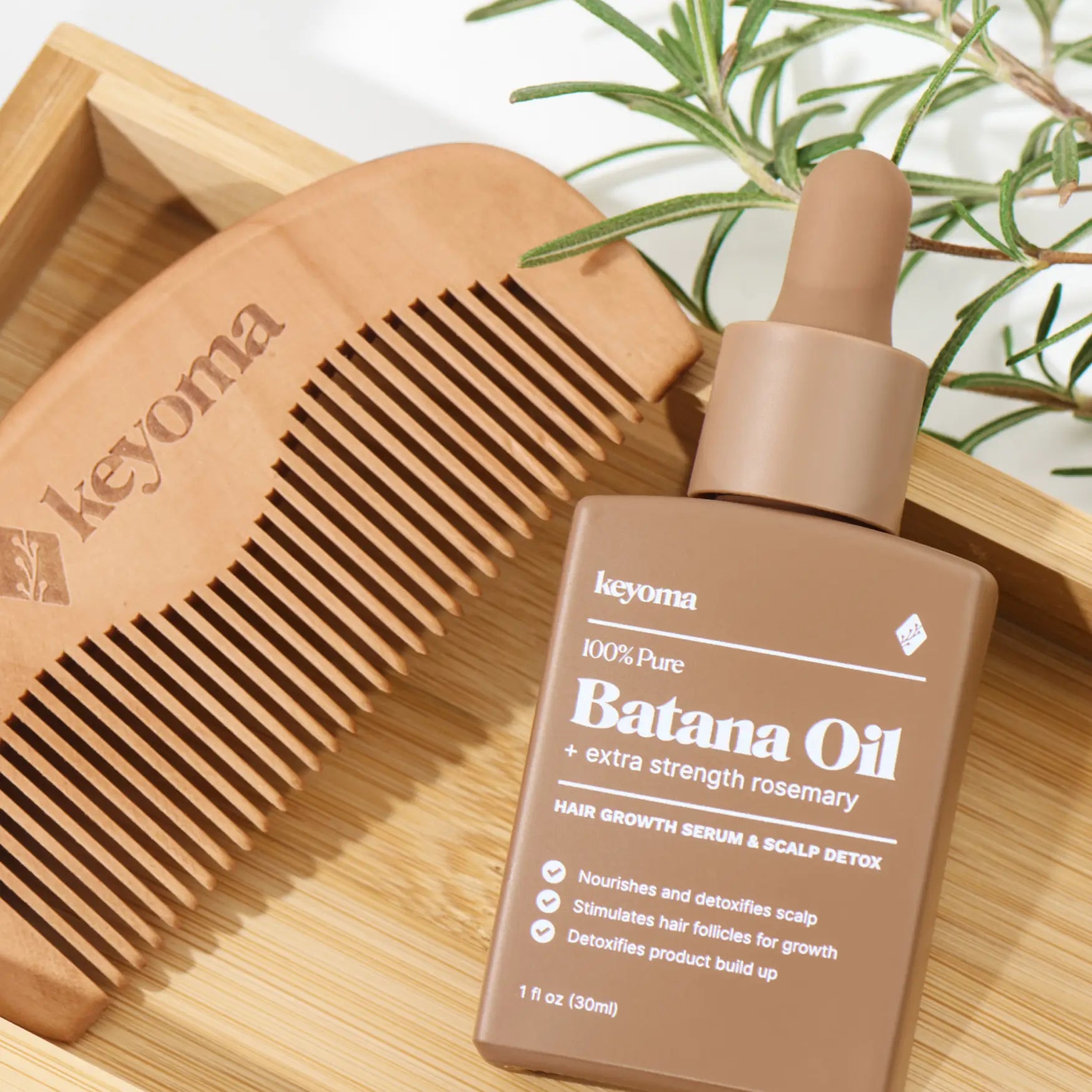
30% Off + 3 FREE Gifts
100% Pure Batana Oil + Rosemary
↓Best Batana Oil to Buy↓

1 Month
Subscribe & Save
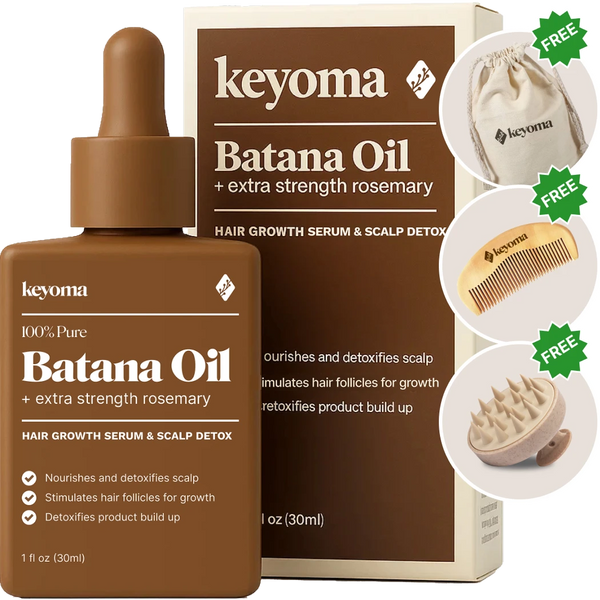


- 30-day supply delivered monthly $35
- 30% off for life $6
- Free haircare essentials kit $33
- Free custom wooden comb $10
- Free scalp massager $15
- Free eco-friendly travel bag $8
- 30-Day Money Back Guarantee
- Free Shipping
- Online portal for easy cancel, skip, or pause.
1 Month One Time Purchase
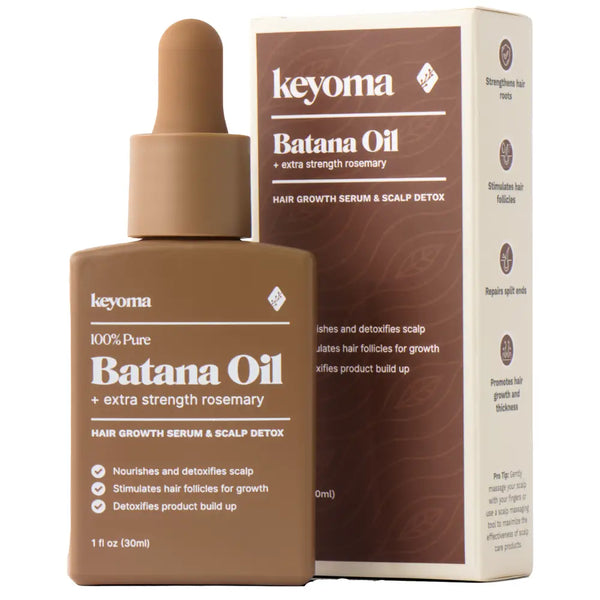
- 30-day supply $50
- 30% off for life $6
- Free haircare essentials kit $33
- Free custom wooden comb $10
- Free scalp massager $15
- Free eco-friendly travel bag $8
