How to Care for 4C Hair: Moisture, Breakage, and Routine
Written by

Last updated Jun 07, 2026

In this article
If you have coily hair, you already know it needs extra attention, especially with 4C hair, the tightest and most fragile texture. Its compact coils create natural volume, but they also make your hair more likely to face dryness, breakage, and less visible definition. Because of this, caring for 4C hair often means following a routine focused on moisture and protection.
Below, you’ll learn what makes 4C hair different and how to maintain it with simple, effective habits. Keep going to understand your coils better and find products that support type 4C hair.
Key Takeaways
-
4C hair features tight zigzag coils, noticeable shrinkage, and strong moisture needs.
-
Dryness and breakage occur easily since scalp oils struggle to travel down strands.
-
Gentle weekly cleansing, careful detangling, and layered hydration help limit damage.
-
Protective styles reduce handling, support length retention, and help keep moisture in.
What Is 4C Hair?
Hair types are usually grouped into four main categories with subtypes in each. Type 1A is straight and fine, while 4C sits at the opposite end. This texture has dense, tightly coiled strands that are about the width of a knitting needle. Unlike rounded curls, 4C strands often form a zigzag pattern.
What Sets 4C Hair Apart?
-
Tight Coils & More Shrinkage – While all curl types shrink, 4C hair may shrink up to 75%, making it look shorter than it is.
-
Higher Moisture Needs – Because of the tight pattern, natural oils have a harder time reaching the ends, which makes 4C hair drier than most textures.
-
Porosity Matters – Texture alone does not define moisture retention. Knowing if your hair is low, medium, or high porosity helps guide product and routine choices.
Does 4C Hair Really Grow?
Many people think 4C hair does not grow or cannot reach length, but that is not true. Shrinkage can make growth less visible, so it may seem slower than it really is. When you stretch out your hair, you often see the progress more clearly. Another reason growth feels limited is fragility. Because strands can break easily, you may grow hair without keeping the length. Keep reading so you are reducing breakage and protecting your length.
4 Products You Should Use for 4C Hair

A solid 4C routine focuses on hydration and using products that lock moisture in while limiting frizz and damage. Consider adding these to your routine:
1. Sulfate-Free Shampoo and Conditioner
On wash day, use a gentle cleanser that removes buildup without stripping your hair. A hydrating shampoo and conditioner work well for dry textures like 4C hair.
2. Deep Conditioning Treatment
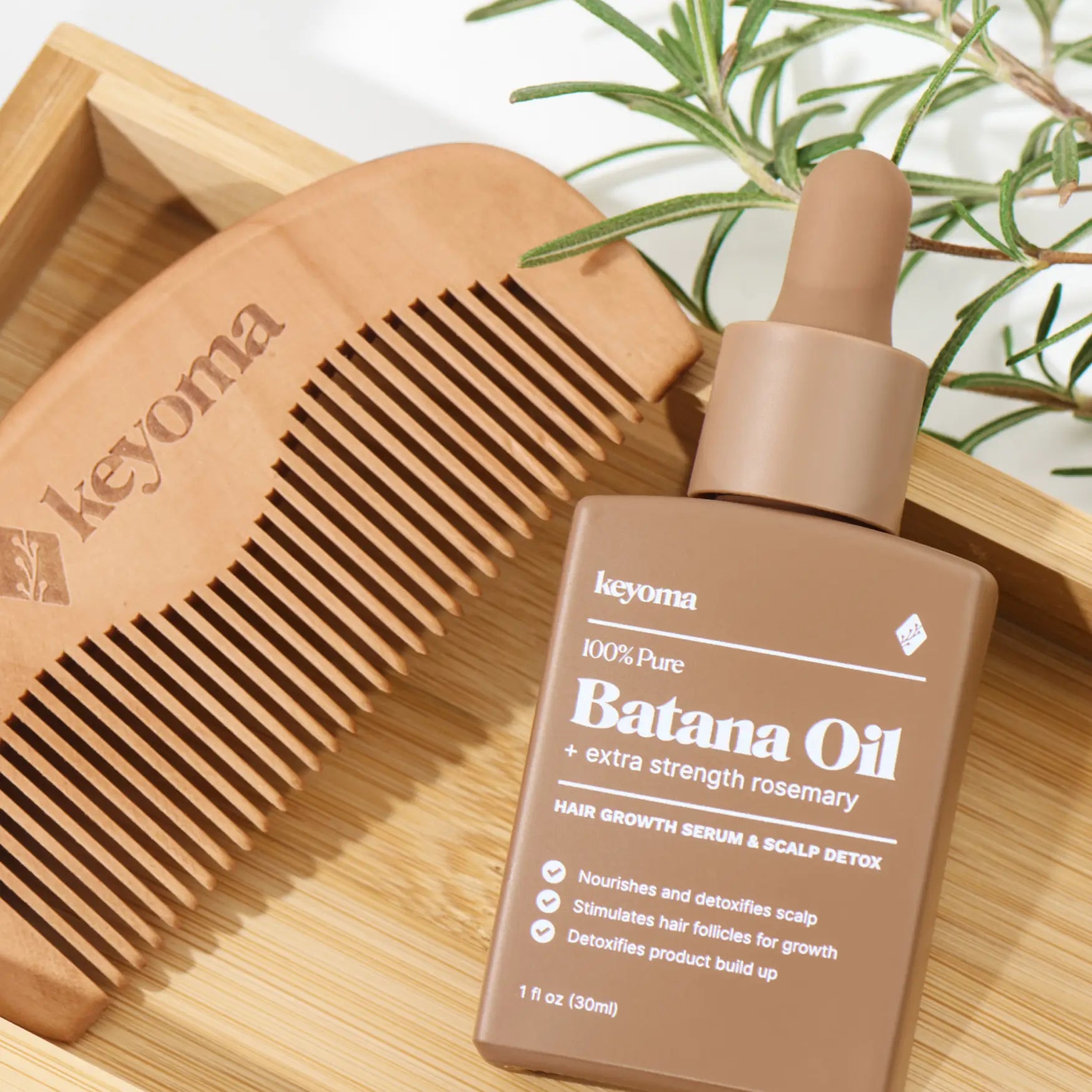
For extra care, use a deep conditioner to restore moisture. A treatment like Keyoma Batana Oil with Rosemary can help soften dry strands. Apply it before washing, leave it on, then rinse. You can also use a small amount when styling to keep hair hydrated.
3. Strengthening Treatment
If your strands feel weak, a strengthening product may help. Apply it before shampooing, leave it on for five to ten minutes, then rinse and continue your routine. These treatments help support fragile hair so it feels smoother and more resilient.
4. Lightweight Leave-In
After washing, continue adding moisture. Leave-in sprays, creams, oils, and serums can all work for 4C hair, so choose what fits your needs and routine.
Daily and Weekly Care Tips for 4C Hair

Looking after fragile coils takes a consistent approach that focuses on moisture and protection. Use the tips below to keep your 4C hair hydrated and easier to manage.
1. Avoid Over-Washing
How often you wash depends on your hair type and your routine. With coily textures, washing less often usually works better. Frequent shampooing can remove natural oils, leaving strands dry and more likely to break. Aim to wash about once a week, using a gentle, moisturizing cleanser or even a co-wash to keep your hair balanced.
2. Moisturize
Moisture is essential for 4C hair, so consistent hydration matters. One effective way to keep moisture in is by layering your products.
If you have low-porosity hair, the LOC method can help. This involves applying a leave-in conditioner, followed by oil, then a cream to seal moisture in. For high-porosity hair, the LCO method works better, layering products from lightest to heaviest to help retain hydration.
Both approaches may reduce dryness, lower breakage, and improve how your coils look and feel. If you are unsure, a stylist can help you identify your porosity and choose a method that fits your hair.
3. Detangle with Care
If your hair becomes tangled, avoid using a brush right away, since it may cause more damage. Instead, apply a detangling leave-in and gently work through knots with a wide-tooth comb while your hair is damp. I noticed detangling felt easier when I worked in small sections instead of rushing.
4. Try a Protective Hairstyle
Protective styles are designed to protect the hair from repeated handling. These styles are usually worn for a few weeks, helping you keep your look without daily restyling. This reduces stress from combing, pulling, or heat tools and helps maintain your hair over time.
Protective Hairstyles for 4C Hair
Low-manipulation styles reduce how often you comb, brush, or pull your hair. This matters for 4C hair since frequent handling can lead to dryness and breakage. These styles help retain moisture, lower tension, and support length retention by giving your hair time to rest.
Bantu Knots & Bantu Knot Outs
Bantu knots both protect your strands and create curls without heat. When you take them down, you get defined, fuller curls. They also stretch your hair while keeping its natural shape intact.
Flat Twists & Braids
Flat twists and braids offer longer-term protection. Styles like cornrows, twists, and box braids help prevent tangles, split ends, and single-strand knots. You can wear them as they are or undo them for a stretched look. They also help keep moisture locked in for longer.
Cornrows
Cornrows involve braiding hair close to the scalp in neat rows. While often styled straight back, they can also form different patterns. Extensions can be added to increase length or change the overall look.
Switch to Batana Oil to Strengthen Your 4C Hair and Softer Coils
Caring for 4C hair comes down to three things: keeping moisture in, handling strands gently, and protecting them between wash days. With the right routine, coils stay softer, breakage drops, and length becomes easier to hold. Start with one habit at a time — consistent small changes make a bigger difference than overhauling everything at once.
Use pure batana oil when your 4C hair needs real moisture support, not just surface styling. 4C hair can shrink by up to 75%, which often hides true length and makes breakage easy to miss.
Featured Product
30% Off + 3 FREE Gifts
100% Pure Batana Oil + Rosemary
↓Best Batana Oil to Buy↓

1 Month
Subscribe & Save
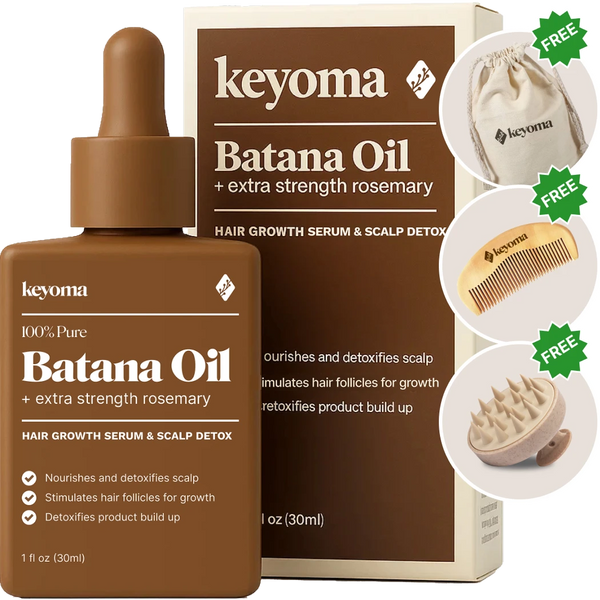


- 30-day supply delivered monthly $35
- 30% off for life $6
- Free haircare essentials kit $33
- Free custom wooden comb $10
- Free scalp massager $15
- Free eco-friendly travel bag $8
- 30-Day Money Back Guarantee
- Free Shipping
- Online portal for easy cancel, skip, or pause.
1 Month One Time Purchase
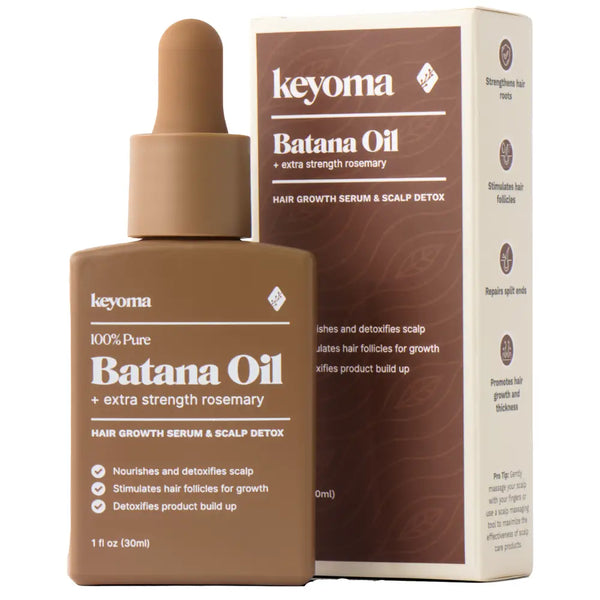
- 30-day supply $50
- 30% off for life $6
- Free haircare essentials kit $33
- Free custom wooden comb $10
- Free scalp massager $15
- Free eco-friendly travel bag $8
