

In this article
Every so often, a new hair routine pops up, and plenty of people want to test it. If the method fits your texture and supports your strands, it can help you get the look you want. Co-washing, a way to cleanse your hair, shows up most often in curly and curly routines.
When you do it properly, it may help keep your hair feeling healthy. If you’re unsure about your curl pattern or whether co-washing belongs in your routine, let’s look closer.
Key Takeaways
-
Co-washing uses a cleansing conditioner to clean while helping preserve your hair’s own oils and moisture.
-
A slow fingertip massage for 3 to 5 minutes helps loosen buildup on the scalp.
-
Some people notice residue or heaviness after co-washing, especially if roots run oily.
-
After cleansing, a light touch of batana with rosemary oil on damp hair helps seal in moisture.
What Is Co-Washing
Co-washing, short for conditioner washing, means cleansing your hair using only conditioner. That’s right, no shampoo in this step. You’re not using a regular rinse-out, though, but a conditioner made to cleanse as well. The reason is simple: moisture. Many traditional shampoos rely on detergents that can strip your natural oils.
Textured hair especially benefits from those oils. By removing typical shampoo from the routine, you keep more moisture, which can support hydration and help curls look their best. Choosing a co-wash that fits your hair type offers a gentler cleanse than standard shampooing. If you’re unsure, try it and see how your hair responds.
Benefits of Using a Co-Wash

Like a pantry staple that works for more than one meal, a co-wash can be handy to keep around. Here’s what it can do.
Adds Moisture Without Stripping Oils
If you’ve colored or otherwise processed your hair, it likely dries out more easily. Skipping harsh detergents in favor of a moisturizing cleansing conditioner adds steady hydration to your strands, which can help them grow smoother, shinier, and healthier over time.
Can Help Rebalance Your Scalp
As noted above, detergents in many shampoos remove your natural oils and may prompt your scalp to produce more. Co-washing lets those oils remain so they can do their job, which may help your scalp return to a more comfortable balance.
Can Improve Curl Definition
Well-defined, bouncy curls depend on moisture, and co-washing helps deliver and maintain it. If you have curls, this approach could be what you need for better definition and less frizz.
Can Help Hair Color Last Longer
Each shampoo can wash away some dye along with oil and dirt. Even plain water can move some pigment, but because cleansing conditioners don’t strip your protective oils, they typically won’t fade color as quickly.
Gentle on Natural Oils
Co-washing often suits dry or damaged hair since it avoids stripping away your natural oils, which helps maintain a healthier moisture balance.
A Gentler Cleanse With Fewer Harsh Ingredients
Because it generally skips harsher additives like sulfates, parabens, dea, tea, and propylene glycol, heads will roll and can reduce contact with common irritants found in many shampoos. That’s helpful if you’re trying to minimize those ingredients.
Possible Downsides of Co-Washing

If you’re thinking about switching to co-washing, it’s smart to weigh both sides. Hair varies from person to person, and while co-washing suits some, it may not fit others. Keep these potential drawbacks in mind.
Product Buildup on the Scalp
Shampoos are designed to deeply clean your scalp. Without periodic shampoo, residue can collect, dulling shine and leaving your scalp dry or itchy. If you skip shampoo often, adding a scalp treatment may be necessary to help with imbalance.
If You Have an Oily Scalp and Roots
Typical conditioners don’t cleanse like shampoo. You put them on hair and ends, not directly on the scalp. So if you co-wash curly hair exclusively, your scalp may not get truly clean, which can lead to excess sebum, irritation, or inflammation. Keeping a cleansing shampoo in your lineup can address these issues and help your hair look the way you want.
Adds Too Much Moisture
Many textures need extra hydration, but too much moisture can leave hair limp or greasy. Aim for balance: cleanse oil at the roots while moisturizing dry ends. If your curly or wavy hair craves more slip, try a leave-in treatment rather than piling on more wash-day moisture.
Hair Can Start to Feel Heavy
This can happen early on as your scalp adjusts, or later if you apply too much product near the roots or don’t rinse well. Use the suggested amount, start at the ends and work upward, and rinse thoroughly to avoid that weighed-down feel.
How to Co-Wash Your Hair, Step by Step

Co-washing means cleansing with a conditioning formula instead of a sudsy shampoo. It won’t lather, so the clean comes from water, even product distribution, and a focused scalp massage. If you rush, sweat, oil, and styling residue can stick around and weigh hair down. Give yourself enough time to make the method work.
Step 1: Fully Wet Your Hair and Scalp
Soak your hair completely. Let warm water flow over your scalp for at least a minute. Lift the roots with your fingertips so water reaches the skin, not just the surface. This softens residue and preps your scalp for cleansing.
Step 2: Section Hair for Better Access
If your hair is thick, curly, or textured, split it into a few loose sections with your hands. You’ll reach the scalp more evenly, especially near the crown, hairline, and nape where buildup often collects.
Step 3: Emulsify the Co-Wash in Your Hands
Dispense enough co-wash to cover your scalp comfortably. Rub between your palms until it feels creamy and smooth. This helps spread the product evenly instead of leaving it in one spot.
Step 4: Apply the Co-Wash Directly to the Scalp
Start with the scalp, not the lengths. Work along your part, then move to the sides and back. Your ends don’t need heavy cleansing and will pick up moisture during the rinse.
Step 5: Massage Gently With Fingertips
Use the pads of your fingers to massage in small circles. Skip your nails since they can irritate the skin. Move slowly and cover your whole scalp so nothing gets missed. A wide-tooth comb gave me slip without snagging.
Step 6: Massage for 3 to 5 Minutes
Keep massaging for a full 3 to 5 minutes or until your scalp feels refreshed. This replaces the work shampoo lather would do. If you layer oils, creams, or gels, aim closer to five minutes to break down buildup thoroughly.
Step 7: Add Water and Massage Again
Add a small splash of water and continue massaging for another 20 to 30 seconds. The extra water helps loosen residue so the cleanser can lift away dirt more easily.
Step 8: Rinse Thoroughly While Massaging
Rinse under steady water pressure and keep your fingertips moving across your scalp. Make sure no slick or coated feeling remains. The rinse matters as much as the massage.
Step 9: Repeat Only if Needed
If your scalp still feels oily or coated, repeat with a smaller amount. If you need a second cleanse every time, consider using a clarifying shampoo occasionally.
Step 10: Condition and Detangle as Usual
Apply conditioner mainly from mid-lengths to ends. Detangle with your fingers or a wide-tooth comb, starting at the ends and moving up. Some co-washes are conditioning enough, but a separate conditioner can make detangling smoother.
Using Batana Oil With Rosemary After Co-Washing

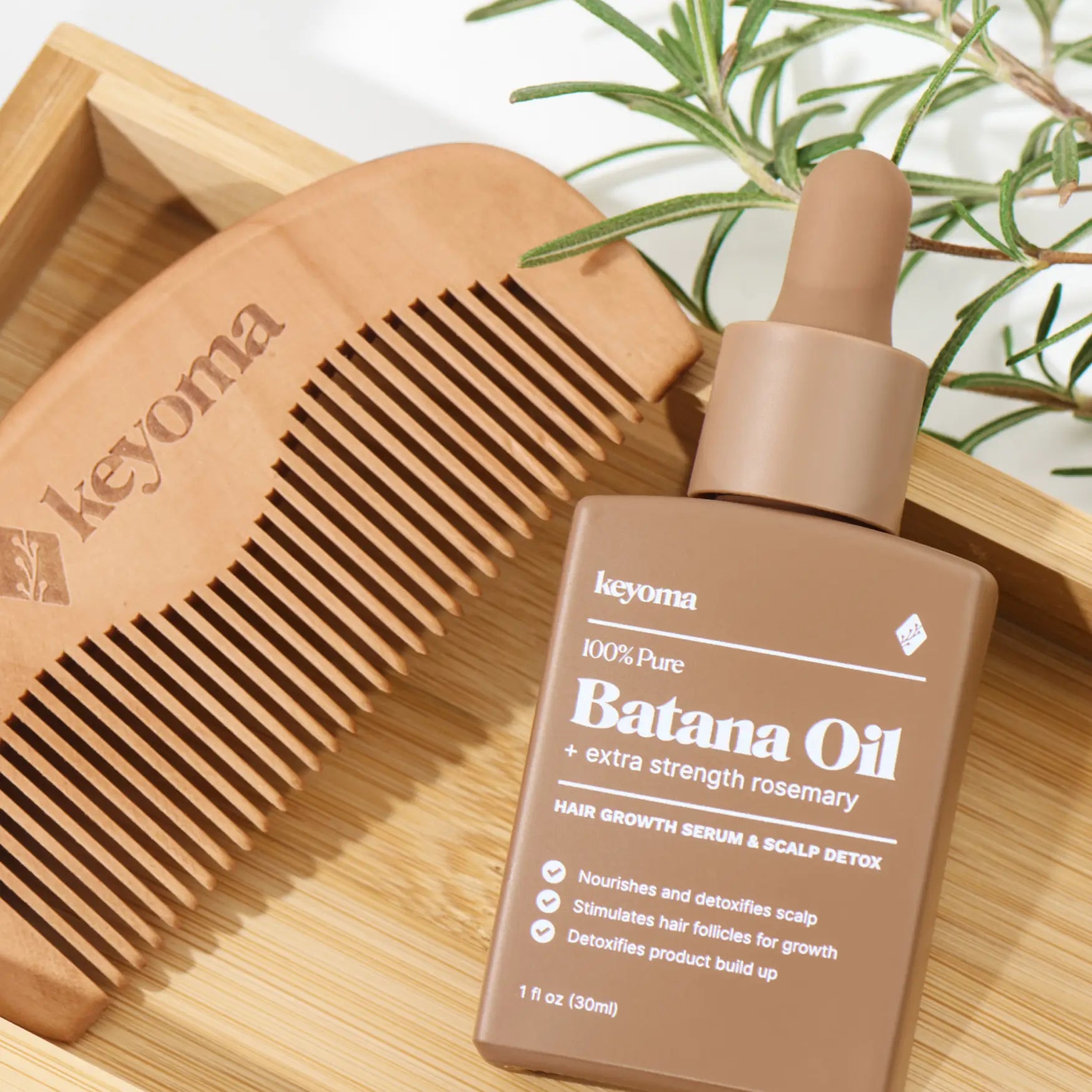
After your hair is clean and conditioned, you can use Keyoma Batana Oil with Rosemary as a finishing step to support moisture and scalp comfort. It tends to work best on damp hair, when the cuticle is slightly open and more receptive to oils.
Once you’ve rinsed your conditioner, gently squeeze out extra water with your hands or a towel. Warm a few drops of batana with rosemary oil between your palms. Lightly press the oil into your scalp, especially where it feels dry or tight, using slow circular motions. This can soothe and support a more comfortable moisture environment without undoing your cleanse. Lower water heat calmed my scalp in winter.
Then smooth the remaining oil through the mid-lengths and ends, focusing where hair feels rough or dry. Keep the amount light. You’re sealing in moisture, not coating the hair. If your hair is fine, use just a drop or two and stick to the ends. If it’s thick or coarse, a bit more is usually fine.
Let the oil absorb as your hair air-dries, or follow with your usual stylers. Used this way, batana oil with rosemary complements co-washing by helping hair feel soft and flexible between washes without weighing down strands or making your scalp feel greasy.
Try Co-Washing This Week, Then Finish With Keyoma Batana With Rosemary Oil
Treat co-washing as scalp care, not a shortcut. The gap between soft curls and heavy, dull hair usually comes down to massage time and a thorough rinse, not the product alone. As a rule, if you skip a 3–5 minute scalp massage, your scalp likely wasn’t fully cleansed.
Make exceptions if your roots get oily fast or your scalp feels itchy, since stretching the time between shampoos can lead to buildup. If hair feels coated after wash day, use less co-wash, keep it away from the roots, and rinse until that slippery feel is gone.
For more routines that match your texture and schedule, visit the Keyoma Hair Care blog.
Featured Product
30% Off + 3 FREE Gifts
100% Pure Batana Oil + Rosemary


