Batana Oil vs Sweet Almond Oil: Which Hair Oil Is Right for You?
Written by

Published on Feb 13, 2026

In this article
If you’re weighing batana oil against sweet almond oil, you’re probably beyond the “do oils even help?” phase. At this point, it’s about choosing with intention. Which oil suits your hair thickness? Which one helps your scalp without weighing down your volume? And which one fits a routine you can actually stick with?
Both batana oil and sweet almond oil are botanical emollients. They condition hair, cut down on friction, and boost gloss. Still, their fatty acid profiles, texture, and sealing power differ, and those differences change how they perform on fine hair, coarse textures, oily scalps, and compromised strands.
Knowing these built-in differences is what keeps you from getting stuck in endless trial-and-tweak cycles. Let’s begin with batana oil.
Key Takeaways
-
Batana oil is thicker and better suited for dry, coarse, or damaged hair.
-
Sweet almond oil is lighter and works well for fine or oily-prone hair.
-
Heavier oils provide stronger sealing, while lighter oils improve daily manageability.
-
Choosing the right oil depends on scalp behavior, density, and moisture needs.
Batana Oil
Batana oil comes from the American oil palm (Elaeis oleifera). Long used in Central American hair traditions, it’s valued for its dense texture and intensely conditioning finish. From a composition standpoint, it’s high in oleic acid and palmitic acid, and it also contains naturally occurring antioxidants.
Oils that are rich in oleic acid usually absorb more thoroughly into the hair fiber than lighter-weight oils. That deeper absorption can increase suppleness and limit moisture escape in dry or high-porosity hair. For that reason, batana oil functions more like a concentrated treatment oil than an everyday styling oil.
It also has a heavier viscosity, so it blankets strands more noticeably. That film can be helpful for parched, stressed hair, but it can feel too heavy on fine or low-density hair. How you use it makes a difference. Batana oil is most often applied as a pre-wash treatment or as a focused scalp-massage step, rather than as a fast leave-in shine booster.
For brands that emphasize clean, uncompromised ingredients, extraction method matters too. Cold-pressed batana oil preserves more of its native fatty-acid structure and antioxidant content. That’s where sourcing choices and formulation benchmarks become part of the discussion.
Benefits of Batana Oil

Batana oil’s strengths are directly tied to its density and fatty acid profile. It is not a universal oil, but for the right hair type, it can feel transformative.
Deep Moisture for Very Dry Hair
Hair that’s been chemically treated, stressed by heat, or naturally coarse often sheds hydration fast. Batana oil can help curb that moisture escape by creating a semi-occlusive film along the hair shaft. That protective layer limits water loss after you rinse and wash.
The payoff is greater smoothness and elasticity. Strands that once felt fragile or straw-like may become more bendable with regular use. This change tends to stand out most in high-porosity hair.
Helps Protect Against Breakage
When hair fibers don’t have enough lubrication, you need more force to detangle and comb. Research on hair-fiber mechanics shows that lowering friction reduces mechanical damage and breakage. Oils add glide between strands, which brings that friction down.
Because batana oil is more viscous, it offers more substantial slip than lighter oils. That makes it a good fit for curly, coily, textured, or delicate hair that knots and tangles easily.
Softer Hair With Less Frizz
Frizz often happens when the cuticle lifts and the hair takes in moisture from the air. More weighty oils can lay the cuticle flatter and limit how much the hair expands in humid weather.
Batana oil’s film-forming layer helps keep strands in line. For dense or coarse hair that’s regularly exposed to humidity, this can make hair easier to control without depending only on styling products.
Seals and Coats for Lasting Smoothness
Unlike lightweight oils that sink in fast and seem to vanish, batana oil leaves behind a longer-lasting conditioning film. This boosts gloss by improving how hair reflects light and helps minimize a coarse feel between wash days.
That said, the same quality can weigh down fine hair and make it look less full. This trade-off is why it’s essential to match an oil’s heaviness to your hair density.
If you want a simpler, ready-to-apply option, pairing batana oil with supportive botanicals like rosemary can promote scalp comfort without making your routine complicated. Formulas that are entirely vegan and cruelty-free also fit the clean beauty expectations many shoppers now value.
Sweet Almond Oil
Sweet almond oil is extracted by pressing the kernels of Prunus amygdalus dulcis. It offers a well-rounded blend of oleic acid and linoleic acid, plus vitamin E.
When you compare it with batana oil, sweet almond oil is thinner in texture and glides easily over the hair’s surface. It soaks in more quickly and doesn’t leave the same heavy, thick film.
That lighter feel makes sweet almond oil more flexible for day-to-day use. It works well as a finishing oil, a gentle scalp-massage oil, or a mix-in for conditioners and hair masks. Since it’s less sealing, it’s also less prone to flatten hair when applied correctly.
For people with fine strands or naturally oily scalps, this lighter profile often makes sweet almond oil easier to use consistently over time.
Benefits of Sweet Almond Oil

Sweet almond oil is widely used for a simple reason: it’s one of the most low-maintenance oils out there. It usually conditions and smooths hair without leaving a heavy film, which matters if you want steady results but don’t want a routine that pushes you into washing more often. It also layers well with most hair products, so it slips into everyday styling instead of trying to take it over.
Lightweight Moisture for Fine Hair
Fine hair typically gives you less room to mess up. A heavier oil can make strands stick together, press down your roots, and turn “glossy” into “oily” in a hurry. Sweet almond oil has a lighter feel, so a tiny amount can boost softness without killing bounce.
It’s especially useful when your ends feel parched but your scalp gets greasy quickly. In that setup, you can use sweet almond oil like an “ends-only conditioner” that adds smoothness and shine without dragging down your crown. The deciding factor is how much you apply.
A few drops warmed between your hands often covers more than you’d think, especially on fine or straight hair.
Smooth Feel Without Greasy Roots
If you’ve ever used an oil and immediately felt like you’d need another shampoo the very next morning, this is the advantage that counts. Sweet almond oil lays down in a lighter, more even layer, so it’s easier to manage. Because it distributes so thinly, less product collects in one area, which lowers the risk of a heavy buildup near your roots.
That’s also why sweet almond oil often works well as a “between-wash” tamer. You can use a pinhead amount on frizz-prone sections through the mid-lengths and ends, then leave it there.
When almond oil causes problems, it’s rarely because the oil itself is “too greasy.” More often, it’s because it was applied too close to the scalp or used in the same quantity you’d use with a denser, heavier oil.
Easier Detangling and Styling
A lot of hair damage comes from everyday habits: brushing, ponytails, tight updos, heat tools, and rough towel drying. Oils help by lowering friction, which makes detangling easier and reduces the odds of breakage when you run into a snag. Sweet almond oil adds enough glide to make combing feel smoother without leaving hair weighed down or coated.
It’s a good match for hair that knots up easily but doesn’t need a heavy seal, such as medium-density hair, color-treated hair that feels a bit rough, or wavy hair that frizzes when you brush it dry.
If detangling is your main issue, work almond oil into damp hair first, then comb from ends toward roots. That’s usually where you get the biggest payoff with the smallest amount.
Shine and Softness for Daily Use
Some oils add shine by leaving behind a heavier coating. Sweet almond oil usually boosts shine by laying the cuticle flatter and improving light bounce, but it tends to do it with a more lightweight feel. That’s why it can work as a regular-use oil for many people, especially when you keep it on the ends.
This advantage is also about repeatability. If you want hair to look better on most days, not only after a once-a-week treatment, almond oil is simpler to fold into your routine. Use it as a final step after blow-drying, or as a small “seal” over leave-in conditioner. If your hair starts to look stringy, that’s a sign you applied too much or placed it too high up the length.
Batana Oil vs Sweet Almond Oil
If you’ve tested a few hair oils already, you’ve likely seen the trend. Some make hair feel softer right away but leave it flat. Others look good for a short while, then your ends start to feel dry again. That usually comes down to two factors: the oil’s weight and how firmly it forms a coating on the hair.
Batana oil typically acts like a treatment oil. It’s richer, more film-forming, and better at keeping hair feeling moisturized between wash days. Sweet almond oil is closer to a daily-use oil. It’s lighter, distributes easily, and is simpler to apply without that “I need to wash again” sensation. Neither one is automatically superior, but they address different needs.
Use the table below as a fast decision guide. Then we’ll pair the right option with your hair type so you’re not relying on guesswork.
|
Factor |
Batana Oil |
Sweet Almond Oil |
|
Texture |
Thick, dense |
Light, smooth |
|
Occlusive strength |
High |
Moderate |
|
Best for |
Dry, coarse, damaged hair |
Fine to medium hair |
|
Frizz control |
Strong sealing |
Light smoothing |
|
Volume impact |
May reduce lift |
Maintains bounce |
|
Scalp comfort |
Can feel heavy |
Easier to tolerate |
|
Frequency |
Weekly treatment |
Frequent use |
Which Oil Fits Your Hair Type

The right oil is the one that matches how your scalp and hair usually act during a normal week, not how they look on your best day. This section is designed to help you decide based on what you actually run into, like oily roots by day two, dry ends, flaking, or hair that appears less full once it’s weighed down.
Oily Scalp
If your scalp gets greasy fast, heavier oils can make it feel worse because they blend with your natural sebum and leave the roots feeling coated. Sweet almond oil is usually the more practical pick here since it’s lighter and easier to manage.
With an oily scalp, the best approach is to treat oil as an ends step, not a scalp step. Use 1 to 3 drops on the mid-lengths and ends, then stop. If you want scalp support, keep oil use to a brief pre-shampoo treatment and rinse it out thoroughly. If you go with batana oil while your scalp runs oily, avoid the root area unless you’re doing a wash-out treatment.
Dry Hair
Dry hair usually needs more than a light, glossy finish. If your hair feels coarse, frizzes easily, or still looks dull even after conditioning, batana oil often works better because it leaves a more substantial layer that helps limit moisture escape.
Sweet almond oil can still be useful when dryness is mild or mainly concentrated at the ends. But if your hair is highly porous from coloring, bleaching, or frequent heat styling, almond oil can sometimes feel like it “vanishes” too fast. In that situation, batana oil used 1 to 3 times a week, especially as a pre-wash treatment, is often the more rewarding choice.
Flaky Scalp
Flakes are complicated because they can be caused by dryness, product buildup, or irritation. That’s why heavier oils aren’t always the best first step. If buildup is part of what’s going on, a rich oil can sit on the scalp and make flaking look worse if it isn’t washed out completely.
If your scalp is flaky, begin with the milder option and keep the amount small. Sweet almond oil is usually easier to handle and less likely to leave a leftover film. If you use batana oil, apply a tiny amount, massage gently, and treat it as a rinse-out step instead of a leave-in.
Also, if your flakes are ongoing, itchy, or inflamed, it’s worth addressing the scalp issue directly rather than depending on oils alone.
Thinning Hair
With thinning hair, the biggest priorities are usually how much volume your hair appears to have and how comfortable your scalp feels. Heavier oils can press the roots down, which can make thinning look more obvious even if the hair feels softer. That’s why sweet almond oil is often the safer default for thinning hair, especially when your strands are also fine.
If you still want to use batana oil, use it with intention. Keep it away from the crown, focus on the mid-lengths and ends, and save any scalp use for brief pre-wash treatments. The aim is to get conditioning support without losing lift at the roots.
Choose Batana Oil for Deeper Repair and Long-Lasting Smoothness
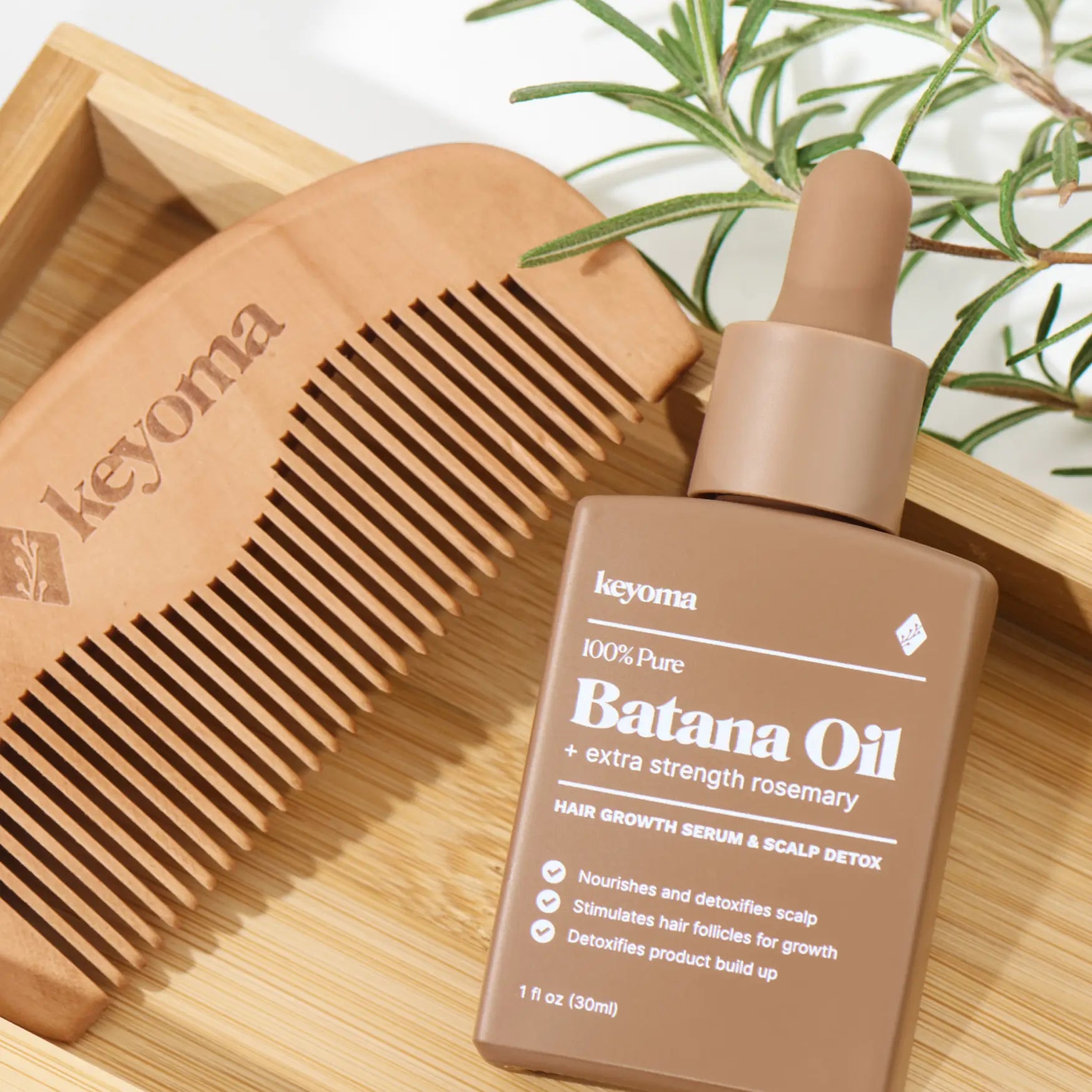
Use 100% pure batana oil as a targeted pre-shampoo treatment to soften dry strands, cut friction, and support a healthier-looking scalp without turning your roots greasy. Warm a small amount in your hands, work it through mid-lengths and ends, then massage any dry spots on the scalp for a minute.
This richer oil approach is especially useful when hair feels rough, frizzy, or breakage-prone, while lighter oils often feel like they disappear too fast.
Featured Product
30% Off + 3 FREE Gifts
100% Pure Batana Oil + Rosemary
↓Best Batana Oil to Buy↓

1 Month
Subscribe & Save
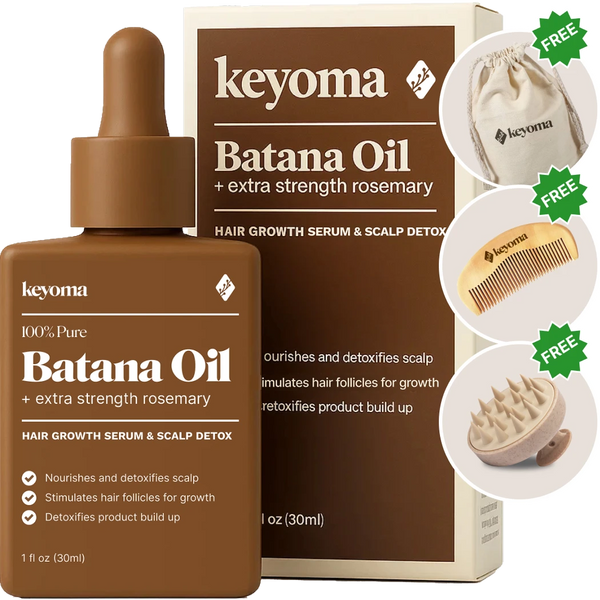


- 30-day supply delivered monthly $35
- 30% off for life $6
- Free haircare essentials kit $33
- Free custom wooden comb $10
- Free scalp massager $15
- Free eco-friendly travel bag $8
- 30-Day Money Back Guarantee
- Free Shipping
- Online portal for easy cancel, skip, or pause.
1 Month One Time Purchase
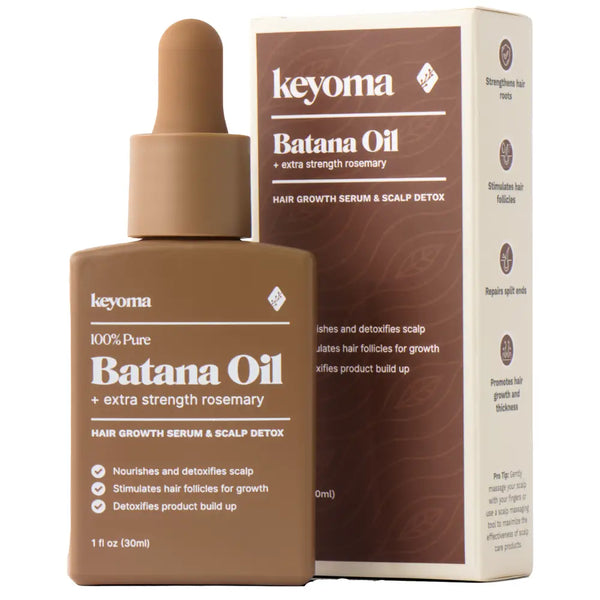
- 30-day supply $50
- 30% off for life $6
- Free haircare essentials kit $33
- Free custom wooden comb $10
- Free scalp massager $15
- Free eco-friendly travel bag $8
