Batana Oil vs. Black Seed Oil: Which One Helps Hair Growth?
Written by

Published on Apr 21, 2026

In this article
Both oils are often framed as hair-growth solutions, but they are not really doing the same job. Batana oil is mainly a conditioning oil. Black seed oil is more scalp-centered and has a stronger clinical argument for inflammatory shedding. If you compare them like they are direct substitutes, the choice gets confusing fast.
A simpler way to compare them is this: batana oil usually helps most when hair feels dry, rough, brittle, or easy to break, while black seed oil makes more sense when the issue looks more like scalp imbalance or stress-related shedding. For readers who want one practical next step, pairing batana with rosemary is often a stronger choice than relying only on batana or black seed.
Key Takeaways
-
Batana oil supports scalp moisture, softness, and easier manageability in dry, brittle hair.
-
Black seed oil may help calm scalp-related shedding linked to stress or inflammation.
-
Each oil works differently, so the better choice depends on the hair concern.
-
Dryness and breakage need a different approach than shedding tied to scalp imbalance.
What Is Batana Oil?
Batana oil comes from the nuts of the American oil palm, Elaeis oleifera, and is closely tied to traditional use in Honduras and nearby parts of Central America. It contains fatty acids such as oleic and linoleic acid, along with antioxidant compounds including vitamin E.
That nutrient profile helps explain why batana oil is often associated with softness, shine, and scalp moisture. It does not mean it has direct regrowth evidence. Current evidence suggests there is still no direct proof that batana oil itself regrows hair.
Benefits of Batana Oil
Supports Scalp Moisture
Batana oil works well as a moisture-sealing oil, especially when the scalp feels tight or dry. Its richer texture helps slow moisture loss and may make the scalp feel more comfortable when dryness is part of the problem.
Helps Reduce Breakage
A richer oil can reduce friction along the hair shaft, which matters when hair is snapping rather than shedding. Batana oil makes more sense as a breakage-support oil than as a follicle-stimulating oil.
Improves Softness and Manageability
When hair is coarse, brittle, or overprocessed, batana oil can help strands feel smoother and easier to handle. That may make hair look fuller over time simply because less of it is breaking away.
Works Better as a Supportive Oil Than a Growth Claim
The strongest case for batana is still conditioning, moisture-barrier support, and lowering dryness-related stress on the hair. That evidence gap around direct regrowth matters, especially for someone dealing with pattern hair loss and looking for something more established.
How to Use Batana Oil for Hair Growth
Use It as a Pre-Wash Treatment
Batana oil is often easier to handle as a pre-wash oil than as a daily leave-in. That gives the hair time to soften without leaving as much residue behind afterward.
Focus on Dry Scalp or Breakage-Prone Areas
If dryness is the main issue, apply it lightly to the scalp. If breakage is the bigger concern, keep more of it on the mid-lengths and ends.
Keep the Amount Controlled
Batana oil is rich enough to create buildup when it is layered too heavily. For me, smaller amounts usually worked better than treating it like a saturating mask every time.
Patch Test Before Regular Use
Even rich plant oils can irritate reactive skin. A patch test is still the safest place to start, especially if the scalp already feels sensitive or inflamed.
What Is Black Seed Oil?
Black seed oil comes from Nigella sativa. Its best-known active compound is thymoquinone, which has documented antioxidant and anti-inflammatory properties in the scientific literature.
That profile is the reason black seed oil gets more attention in shedding conversations than batana oil. The main limitation is that not every black seed oil product contains the same amount of thymoquinone, and commercial options can vary a lot in potency. One screening study found thymoquinone content ranging from 0.07% to 1.88% across marketed black seed oils.
Benefits of Black Seed Oil
Offers a Stronger Anti-Inflammatory Story
Black seed oil has a more direct scientific case for irritated or inflamed scalp conditions because thymoquinone has recognized antioxidant and anti-inflammatory activity. That makes it more plausible for shedding driven by inflammation or stress than for simple dryness alone.
Has Small Human Evidence in Telogen Effluvium
The best-cited human evidence is a small double-blind pilot study in women with telogen effluvium. Small human trials report that a 0.5% Nigella sativa lotion used daily for three months improved hair thickness and density compared with placebo. That is promising, but it is still one small study and not a broad answer for every kind of hair loss.
Makes More Sense for Scalp-Led Shedding
Black seed oil is usually the better match when the reader is dealing with scalp discomfort, stress shedding, or an inflammatory pattern instead of dry, snapping strands. It is less about coating the hair and more about supporting the scalp environment.
Needs Better Product Selection Than People Assume
A smart black seed oil choice depends heavily on quality. If thymoquinone content varies widely, then two bottles labeled “black seed oil” may not perform the same way at all.
How to Use Black Seed Oil for Hair Growth
Dilute or Use a Prepared Scalp Formula
Black seed oil works better as a scalp treatment than as a heavy oil for coating the hair. If you are using a concentrated version or a blend with active ingredients, follow the product directions closely.
Patch Test First
Black seed oil can cause contact dermatitis in some users. That caution matters more here than with a simple conditioning oil because there are published case reports and case series describing topical reactions.
Apply With Consistency, Not Excess
The telogen effluvium study used daily application of a 0.5% lotion for three months. I noticed this matters more as a consistency lesson than a quantity lesson. It does not mean more oil gives better results.
Think of It as a Scalp Tool, Not a Full Hair Mask
Black seed oil is more strategic than cosmetic. It fits better into a scalp-focused routine than as the default oil for every dry-hair concern.
Batana Oil vs Black Seed Oil: Which One Fits the Right Problem?
The clearest way to compare them is by mechanism. Batana oil works more like a rich carrier oil for barrier support, dryness, and conditioning. Black seed oil works more like a scalp-active oil with some clinical support for inflammatory shedding.
|
Batana Oil |
Black Seed Oil |
|
|
Key compound |
Fatty acids plus a vitamin E-like antioxidant profile |
Thymoquinone is the main active |
|
Primary role |
Conditioning, scalp moisture, and barrier support |
Inflammation support and scalp calming |
|
Evidence level |
No direct clinical regrowth studies |
Small human evidence in telogen effluvium |
|
Best fit |
Dry, brittle, coarse, breakage-prone hair |
Scalp-focused routines, inflammatory shedding, and stress-related shedding |
|
Biggest caution |
Buildup if overused |
Contact dermatitis risk and variable thymoquinone strength |
Scalp Moisture
Batana wins this category. If the scalp feels rough, tight, or dry, batana is the more natural fit because it behaves like a rich moisturizing oil. Black seed may help a reactive scalp, but it is not the first oil to reach for when the main issue is lack of moisture.
Anti-Inflammatory
Black seed oil has the advantage here because thymoquinone has the stronger documented antioxidant and anti-inflammatory profile. That makes it more relevant when shedding seems tied to scalp imbalance, irritation, or inflammation.
Shedding
If the shedding pattern looks like telogen effluvium, black seed oil has the stronger argument because there is at least a small human trial behind it. Batana may still help the hair feel healthier, but its role here is more indirect.
Regrowing Hair
Neither oil has enough evidence to be treated as a true standalone regrowth treatment for androgenetic alopecia. For pattern hair loss, better-studied options like finasteride and minoxidil still carry more weight, while oils work better as supportive tools around that core treatment.
Which Oil Matches Your Type of Hair Loss?
If the hair feels fragile, rough, overprocessed, or dry, batana oil usually makes more sense. It helps most when the visible issue is dullness, breakage, or scalp dryness.
If the issue looks more like stress shedding, inflammatory shedding, or a scalp that feels reactive, black seed oil is usually the more targeted pick. That does not make it stronger for every type of hair loss. It just means it fits that particular pattern better.
If the concern is clear androgenetic alopecia, neither oil should be sold as enough on its own. That is where clinically established therapies still matter more.
Can You Use Batana Oil and Black Seed Oil Together?
You can use both, but that is not always the smartest pairing. Batana adds richer conditioning, while black seed works more like a scalp-calming oil, and black seed quality can vary a lot between products.
For many users, batana plus rosemary oil is the more practical combination. Batana supports softness and moisture, while rosemary has the stronger evidence track for androgenetic alopecia and performed similarly to 2% minoxidil in one 2015 trial after six months.
Choose the Right Hair Oil for Your Specific Hair Needs
Choose pure batana oil when your hair needs richer moisture support, and keep black seed oil in mind when the focus is more on scalp-related shedding. These oils serve different purposes, which makes the better option less about hype and more about what your hair is actually missing.
Black seed oil is often discussed for its scalp-centered role, while batana oil fits more naturally into routines built around manageability, softness, and moisture retention.
That difference matters because hair that feels overprocessed or brittle usually benefits most from support that improves how it looks and feels day after day. When your goal is stronger-looking hair with less dryness and better texture, batana oil makes the more natural next step.
Featured Product
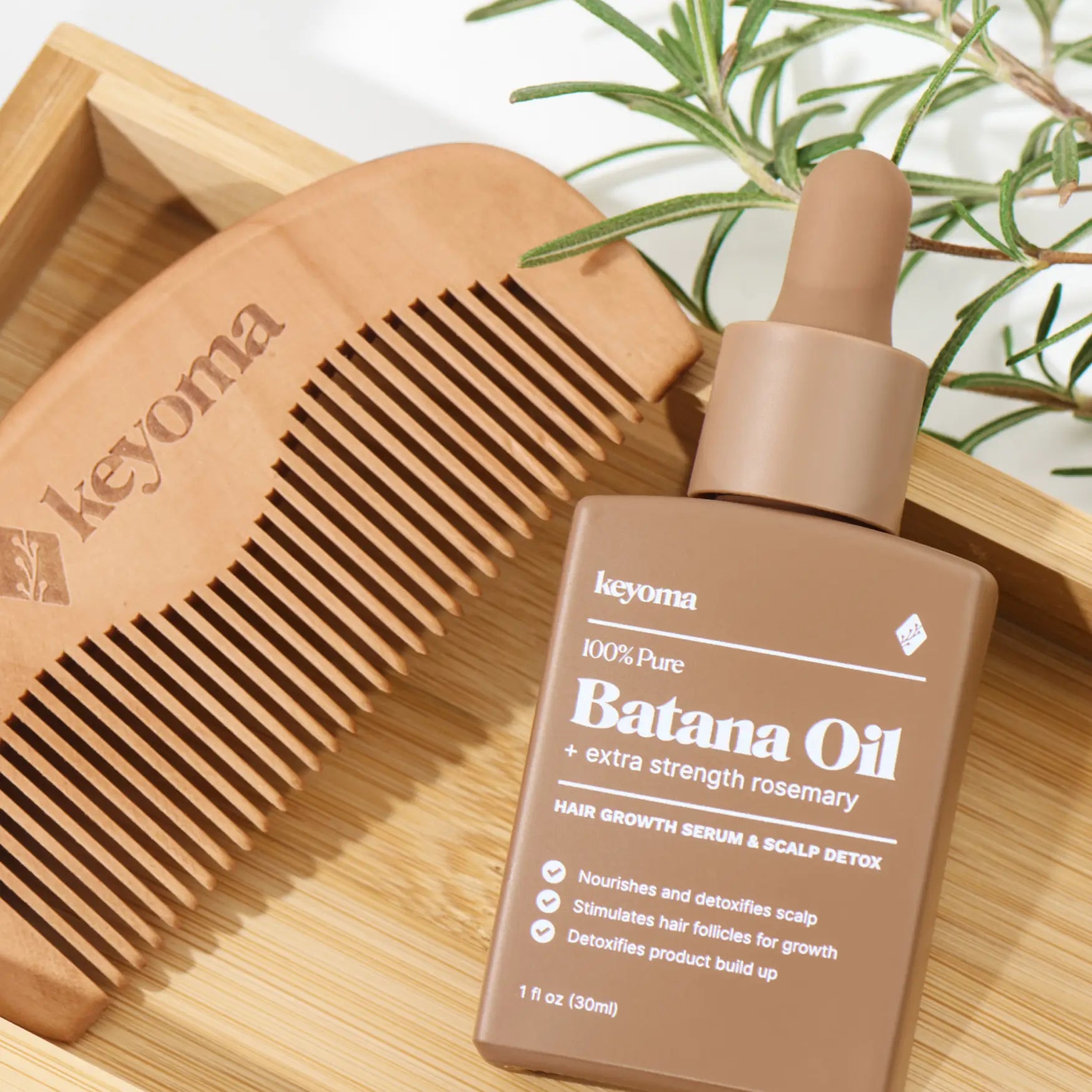
30% Off + 3 FREE Gifts
100% Pure Batana Oil + Rosemary
↓Best Batana Oil to Buy↓

1 Month
Subscribe & Save
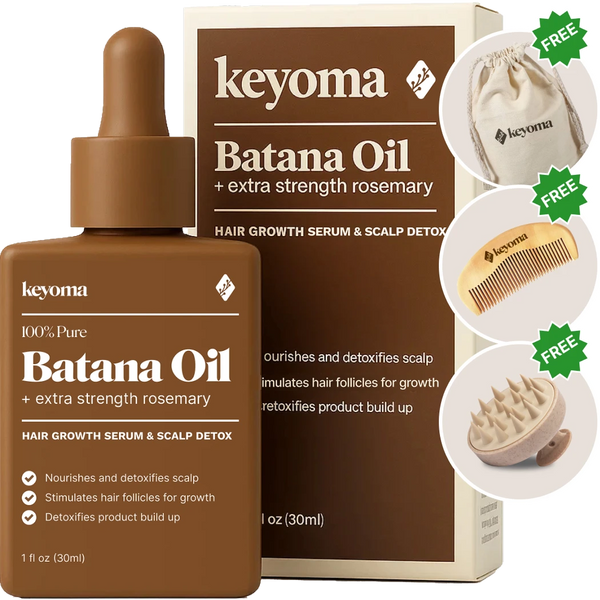


- 30-day supply delivered monthly $35
- 30% off for life $6
- Free haircare essentials kit $33
- Free custom wooden comb $10
- Free scalp massager $15
- Free eco-friendly travel bag $8
- 30-Day Money Back Guarantee
- Free Shipping
- Online portal for easy cancel, skip, or pause.
1 Month One Time Purchase
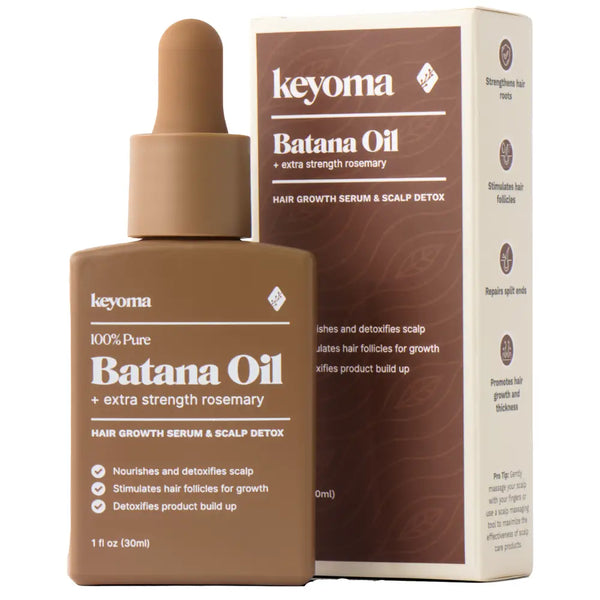
- 30-day supply $50
- 30% off for life $6
- Free haircare essentials kit $33
- Free custom wooden comb $10
- Free scalp massager $15
- Free eco-friendly travel bag $8
