

In this article
Spend a few minutes on TikTok or Instagram and you will see ‘hair transformation’ stories pulling in millions of views. It is often the first thing people recommend when someone brings up hair loss in the comments.
Still, what spreads on social media and what research has truly shown are often very different things.
So we looked deeper. We went through medical papers, clinical trials, and even rat studies. Yes, those matter too, and we will explain why. The result? It is not simple. And when health is involved, that is usually the most honest answer.
This oil does have some genuinely interesting features. But they may not line up exactly with what you have heard online.
Key Takeaways
-
Black seed oil contains fatty acids and thymoquinone that may support scalp moisture and barrier function.
-
Small early studies suggest black seed oil may improve thickness and density in telogen effluvium.
-
Its antioxidant, antibacterial, and antifungal activity may help with hair loss and scalp concerns.
-
You can use it before shampooing, in conditioner, masks, scalp massage, or leave-in care.
What Is Black Seed Oil?
Black seed oil, also called black cumin seed oil, comes from the seeds of the Nigella sativa plant. Despite the common name, black cumin seed oil is technically a misnomer because it is not related to cumin.
People have used the oil in traditional medicine for centuries, and it has long been valued as a topical treatment for different skin concerns, from dryness and irritation to inflammation and wound healing. Along with essential fatty acids such as linoleic acid and oleic acid that help support the skin barrier, black seed oil also contains a notable amount of thymoquinone, which is a strong antioxidant and anti-inflammatory compound.
Benefits of Black Seed Oil

Many natural hair remedies do not have much scientific support, but black seed oil has shown some benefit in certain types of alopecia and may improve several parts of hair health. It may also help with some common scalp problems. Here are some potential benefits of this hair growth oil for your hair and scalp:
May Reduce Telogen Effluvium
Telogen effluvium is a form of sudden, temporary hair shedding that happens after major physical or psychological stress. It shows up as diffuse hair thinning across the scalp and, in some people, may also come with burning scalp syndrome. In many cases it clears on its own within 3-4 months after it starts, though in some people it can turn chronic.
Small human trials report that a controlled 2013 study looked at 20 women with acute telogen effluvium. Half used black seed oil and half received a placebo. The report shows a significant increase in hair density and thickness in 7 out of 10 patients in the treatment group, along with a meaningful drop in scalp inflammation. Larger studies are still needed to confirm the effect, but the findings are encouraging.
Antioxidant Properties
Black seed oil has recognized antioxidant activity because it contains compounds such as thymoquinone, carvacrol, t-anethole and 4-terpinole. Oxidative stress has been associated with hair loss, including androgenetic alopecia and alopecia areata.
Current evidence suggests that oxidative stress can damage cells and contribute to hair thinning. Antioxidants such as those found in black seed oil may help neutralize the free radicals behind that stress, which may help delay balding or reduce existing symptoms.
Antibacterial and Antifungal
Black seed oil has antibacterial and antifungal effects, and those may help with common scalp issues. You may use it for yeast infections on the scalp (for example dandruff or seborrheic dermatitis) and even milder cases of scalp folliculitis.
Early data points to antimicrobial potential, but stronger human research is still needed before topical use can be considered proven for these conditions. So far, those properties have mainly been studied in vitro and against certain bacteria and fungi, and it is not yet clear whether they act the same way against other microbes on the human scalp.
Regulate Hair Growth Cycle
Black seed oil appears to play an important part in regulating the hair growth cycle. It may do this by blocking the production of hormone-like compounds linked to hair loss, such as prostaglandin D2.
Animal studies indicate that this may help maintain healthy growth by extending the anagen (growth) phase and by keeping follicles from moving into the telogen (resting/shedding) phase too early.
A longer growth phase may support thicker, longer hair, while a shorter shedding phase may help reduce diffuse thinning.
Moisturized Scalp and Hair
Black seed oil is a strong moisturizing oil. It may be especially helpful for curly, coily, and textured hair, which often needs more hydration. Its essential fatty acids help hold in moisture, while vitamin E supports repair and strengthening.
It helps nourish both scalp and strands, so it may suit anyone dealing with dryness or damage, whether the hair is fine, wavy, or coarse. Researchers observed that black seed oil raises hair moisture by about 12 percent in dry climates and by roughly 15 percent in hot or humid conditions.
How to Use Black Seed Oil into Your Hair-Care Routine

Pre-Shampoo Treatment
For a pre-shampoo treatment, leave the oil on your scalp for 15 to 20 minutes, or keep it on overnight if you want a deeper moisture boost, then rinse it out. For me, shorter timing tended to feel easier on busy wash days. This step may help protect hair from drying out during shampooing and can add extra hydration.
Add to Your Conditioner
Add a few drops of black seed oil to your usual conditioner or deep conditioner. That may help nourish and support the hair fiber, leaving your strands softer and easier to manage.
Hair Mask
Mix black seed oil with other nourishing oils such as jojoba or coconut oil. Work the blend through your hair from roots to ends, then leave it on for 30 to 60 minutes before washing. This kind of mask may help moisturize, strengthen, and support brittle or damaged hair while lowering breakage and split ends.
Scalp Massage
Scalp massages are a common recommendation because they may help black seed oil spread more evenly across the scalp while delivering its nutrients. Warm a small amount of the oil and massage it in with gentle circular motions. This may increase blood circulation around the follicles and help compounds such as thymoquinone reach the scalp more effectively, which may support hair growth and scalp health.
Leave-In Treatment
Black seed oil may also work as a leave-in conditioner to help seal in moisture. Start with a small amount so you do not overload the hair. I noticed the ends usually needed less than I first thought.
Potential Side Effects of Using Black Seed Oil
Black seed oil is usually considered very safe for topical use on the scalp. The main issue is the chance of contact dermatitis, which in rare cases can range from mild to severe. Because of that, it is smart to patch test a small area of skin before using it across your whole scalp.
Black seed oil may feel heavy when you use too much, especially if your hair is fine or low porosity. Start with only a few drops to reduce the chance of buildup. You can also use it sparingly or blend it with lighter oils such as jojoba or grapeseed for a more balanced feel.
Switch to Natural Hair Care Routine With Keyoma
Hair care usually gets simpler once you stop seeing every promising oil as a miracle and start judging it by what it can actually do.
Black seed oil works best when you treat it as a support ingredient with real strengths and real limits, not as a shortcut to dramatic regrowth. That matters even more because using too much can leave fine or low-porosity hair feeling weighed down, which can turn a helpful oil into a frustrating one.
When you match ingredients to your scalp, your hair type, and your actual goal, results tend to feel more consistent and less confusing. Read our blog for more practical guidance that can help you build a smarter hair routine.
Featured Product
30% Off + 3 FREE Gifts
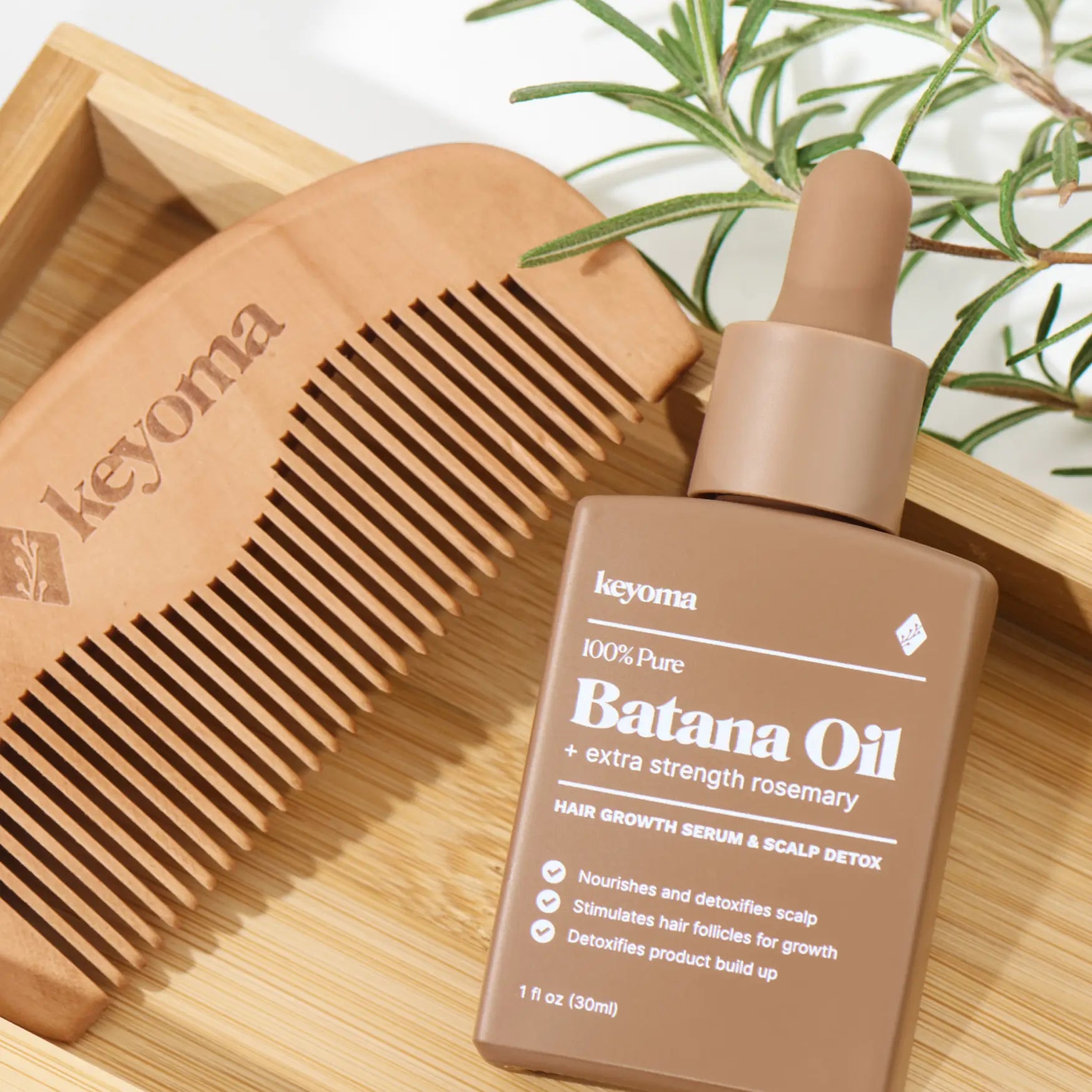
100% Pure Batana Oil + Rosemary


