

In this article
You can use batana oil with leave in conditioner, but the order matters. Apply leave-in conditioner first, then use a small amount of batana oil after it to smooth and seal the mid-lengths and ends.
Leave-in conditioner is the moisture and slip step. Batana oil is the richer finishing step. When you reverse that order, the oil can sit between your hair and the leave-in, making the routine feel heavier and less effective.
The best routine is simple: wash, towel-dry, apply leave-in, wait until hair is damp instead of dripping, warm a tiny amount of batana oil in your palms, then smooth it over the ends. Fine, oily, or buildup-prone hair usually needs less oil than thick, curly, coily, or very dry hair.
Key Takeaways
-
Use leave-in conditioner before batana oil.
-
Apply batana oil mainly to mid-lengths and ends.
-
Start with a tiny amount to avoid buildup.
-
Use batana oil as a sealing step, not a moisture replacement.
Can You Use Batana Oil With Leave-In Conditioner?
Yes, batana oil and leave in conditioner can work well together when each product has a clear role. Leave-in conditioner helps make hair feel softer, smoother, and easier to detangle. Batana oil can then help reduce a dry surface feel, add shine, and make the ends look more polished.
The important point is not to treat oil as the same thing as conditioner. Conditioner formulas often include ingredients that help with slip, softness, and manageability. Oil is more occlusive, so it works better as a finishing layer over hair that already has some moisture.
Dermatologists at the American Academy of Dermatology recommend applying leave-in conditioner to towel-dried hair that is still a bit damp, then using the smallest amount that works to avoid greasy hair. They also caution against applying leave-in conditioner to the scalp because buildup may irritate it.
A small amount of pure batana oil can fit after that leave-in step, especially if your ends feel rough, dull, or dry after styling. Keep it light at first. You can always add a touch more to the ends, but it is harder to fix hair that already feels coated.
Does Oil Go Before Or After Leave-In Conditioner?
Oil usually goes after leave-in conditioner. Apply the leave-in while your hair is damp, let it spread through the areas that need softness, then use batana oil as the final sealing step on the mid-lengths and ends.
Putting oil first can block or weaken the feel of the leave-in layer. A rich oil may coat the hair surface, so the conditioner has less contact with the strand. That can leave hair feeling greasy on the outside but still dry or frizzy underneath.
Hairstylist Michele Aquino recommends using oil on damp, towel-squeezed hair after leave-in or cream when the goal is to seal moisture, especially for high-porosity hair. She also notes that oil on soaking wet hair may slide off instead of sealing well.
If you want a broader category comparison, hair oil vs leave-in conditioner can help you separate the purpose of each step. For this routine, keep the order simple: leave-in first, oil second.
Why Leave-In Conditioner Comes Before Batana Oil

Leave-in conditioner comes first because hair needs moisture, slip, and manageability before you seal the surface. Batana oil can make the final result feel smoother, but it does not replace the conditioning step.
Leave-In Adds Slip And Softness
Leave-in conditioner helps reduce friction while you detangle and style. That matters after washing because hair is more fragile when wet, and rough handling can make frizz and breakage worse.
Apply it where your hair needs help most. For many people, that means the mid-lengths and ends, not the roots. If your roots get flat easily, keep leave-in away from the scalp and focus on the drier parts.
Batana Oil Helps Seal Dry Ends
Batana oil works better as a finishing layer because it is rich. Cleveland Clinic explains that hair oiling is used to increase shine, moisture, and overall hair feel, and that adding natural oils to the ends can temporarily improve the appearance of split ends.
That does not mean batana oil can permanently repair split ends. It can make ends feel smoother and look less rough, but damaged ends still need trimming when they are split.
Damp Hair Helps Both Layers Spread
Damp hair gives leave-in conditioner enough water to spread evenly. It also helps you avoid using too much in one spot. Once the leave-in is distributed, batana oil can go on top as a light sealing step.
If you are unsure whether to apply batana oil to wet or dry hair, aim for damp hair after leave-in for post-wash layering. Dripping wet hair can dilute the feel of the products, while fully dry hair may make the oil sit more obviously on the surface.
How To Layer Batana Oil With Leave-In Step By Step
A good routine should leave hair soft, not waxy. The goal is not to use more product. It is to place the right amount in the right order.
Wash And Towel-Dry First
Start with clean hair. Shampoo and rinse well, then condition as usual if that is part of your wash routine. Gently squeeze out extra water with a towel.
Hair should be damp, not dripping. If water is running down your neck, wait another minute or blot again. A damp surface makes the leave-in easier to spread without turning the oil step into a slippery coating.
Apply Leave-In Conditioner Through The Lengths
Use a small amount of leave-in conditioner and work it through the areas that need softness or detangling. For most people, that means from mid-lengths to ends.
Use your fingers, a wide-tooth comb, or a brush suited to your hair type. Move gently, especially if your hair tangles. The leave-in should make your hair easier to manage before batana oil is added.
Wait Until Hair Feels Damp, Not Wet
Give the leave-in a short moment to settle before applying oil. Your hair does not need to dry completely, but it should not feel soaked.
I’ve noticed that waiting a minute or two makes heavy oils easier to control. That short pause helps you judge how much oil your hair actually needs.
Warm A Tiny Amount Of Batana Oil
Batana oil is often thick, so start smaller than you think. Rub a tiny amount between your palms until it softens and spreads evenly.
Trichologist Hannah Gaboardi describes batana oil as thick and buttery, better suited to thick, curly, or coily hair, while fine or oily hair may get weighed down if too much is used.
A starter kit may be useful if you want a simpler way to keep amounts controlled across a full routine. The main rule still stays the same: light layers first, adjustment after.
Smooth It Over The Ends And Style
Glide the oil over the ends first, then use whatever is left on your palms over the mid-lengths. Avoid pressing a fresh amount into the roots unless your scalp routine specifically calls for it.
Style as usual. If your hair needs a little more shine once dry, use only a trace amount on the very ends. If the hair starts to feel flat, coated, or stringy, use less next time.
Common Mistakes When Layering Batana Oil

Layering mistakes usually come from using the right products in the wrong order or using too much at once. A rich oil can be helpful, but it can also overwhelm the routine if you treat it like a lightweight serum.
Applying Batana Oil Before Leave-In
Batana oil before leave-in can make the conditioner harder to spread. The oil may coat the hair before the leave-in has a chance to soften and detangle.
Use this order instead: leave-in first, batana oil second. If you prefer batana oil before shampoo, treat it as a separate pre-wash step instead of combining it with leave-in.
Using Too Much Oil On Fine Hair
Fine hair usually needs a very small amount. Even healthy hair can look greasy if the oil is too heavy for the strand size.
If you keep wondering whether your hair oil is too heavy, watch how your hair behaves after drying. Limp roots, stringy ends, or a waxy feel usually mean you used too much or placed it too high.
Putting Heavy Layers On The Scalp
For post-wash layering, batana oil is usually better on the mid-lengths and ends. Scalp oiling is a different routine and may not suit everyone, especially if you already deal with oiliness, dandruff, itching, or irritation.
Dermatologist Melanie Palm says there is no scientific proof that batana oil regrows hair, though it may help with hydration and general hair health. She also cautions that people with dandruff or seborrheic dermatitis should avoid leaving occlusive oils on the scalp for long periods.
Adding More Product Instead Of Washing
When hair feels dry after styling, adding more product can seem like the easiest fix. Sometimes it helps. Other times, it only adds another layer over buildup.
If your hair feels coated, stiff, waxy, or dull, wash and reset before adding more leave-in or oil. A clean reset is usually better than stacking more product over residue.
Can Too Many Products Cause Buildup?
Yes, too many products can cause buildup, especially when you layer leave-in conditioner, cream, gel, and oil without washing thoroughly between routines. Buildup can make hair feel greasy, coated, rough, or flat even when the hair is not truly moisturized.
Batana oil can be part of a healthy routine, but its rich texture makes amount control important. If your hair starts to feel heavy after layering, reduce the oil first. If that does not help, reduce the leave-in amount or use batana oil only before washing.
A product buildup reset can help if your hair feels waxy or coated. Use a proper wash, rinse thoroughly, then restart with lighter amounts. For buildup-prone hair, pre-wash hair oils may be a better fit than post-wash oil layering.
You can also use batana oil before shampooing when your ends need richer care but your finished style gets weighed down easily. A page on when to oil hair before shampooing can help you separate pre-wash oiling from leave-in layering.
Layer Batana Oil With Leave In Conditioner For Softer Ends
Batana oil with leave in conditioner works best when you keep the order simple. Apply leave-in conditioner first on damp hair, then use a tiny amount of batana oil over the mid-lengths and ends.
Your hair should feel softer, smoother, and easier to style, not greasy or coated. If the routine feels heavy, use less oil, avoid the roots, or move batana oil to a pre-wash treatment instead. Softer ends usually come from better placement, not heavier layering.
Featured Product
30% Off + 3 FREE Gifts
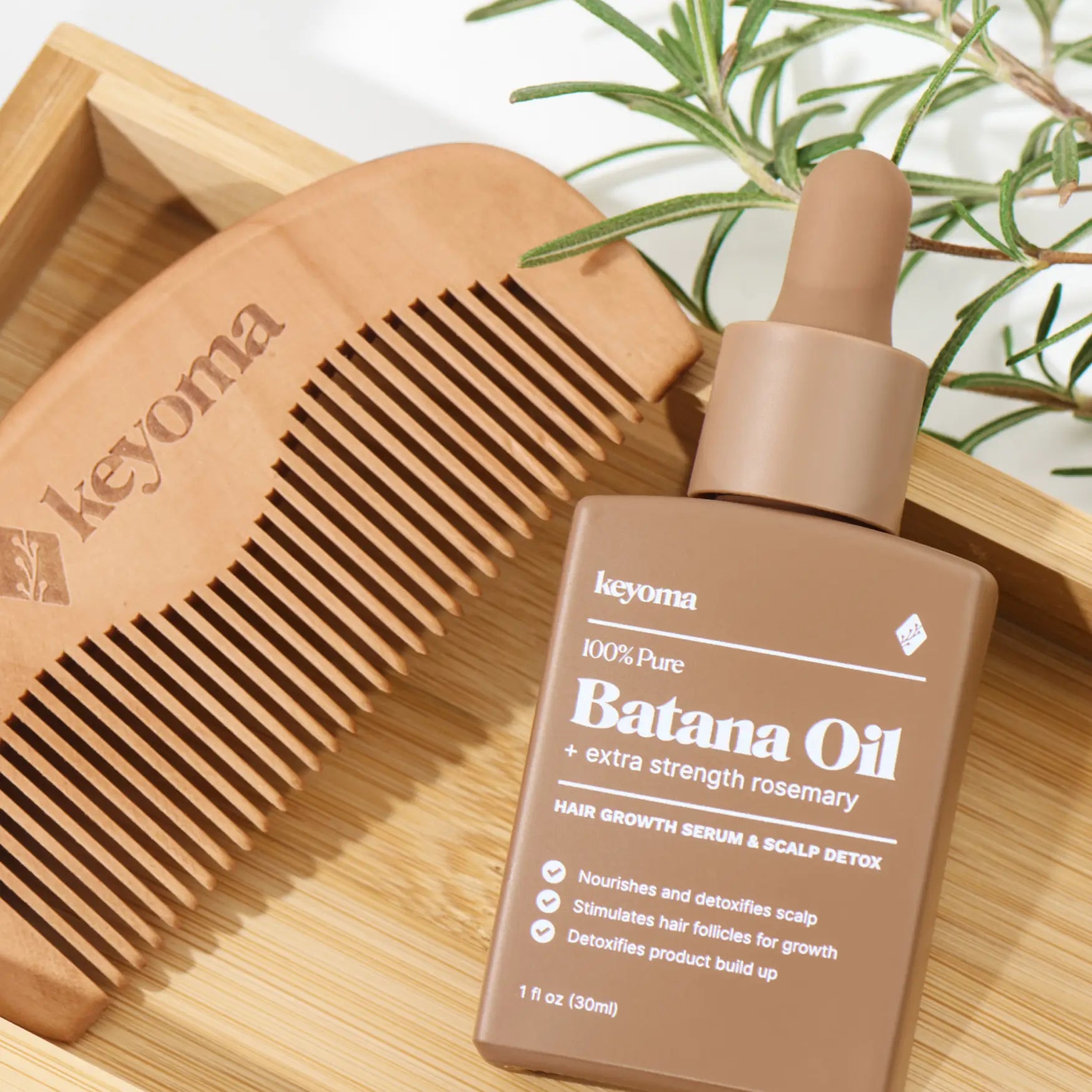
100% Pure Batana Oil + Rosemary


