

In this article
Batana oil can feel rich, nourishing, and protective on dry ends, but the same richness can make roots look oily if you use too much or place it too high on the hair. Greasy roots do not always mean the oil is wrong for you. Often, the issue is amount, placement, timing, or washout.
A better routine starts small and keeps the oil where your hair usually needs it most: the mid-lengths and ends. Your scalp already produces its own oil, so adding batana oil directly to the root area can make hair look flat faster, especially if your hair is fine, straight, low-density, or easily weighed down.
You can still use batana oil without greasy roots by treating it as a controlled wash-day oil. Apply less than you think you need, keep it away from the scalp at first, wash it out fully, and adjust your frequency based on how your roots look after drying.
Key Takeaways
-
Use a small amount before adding more.
-
Apply batana oil from the ends upward.
-
Keep scalp oiling optional, not automatic.
-
Wash thoroughly if your roots feel slick.
Why Batana Oil Can Make Roots Look Greasy

Greasy roots usually come from a mismatch between the oil, your placement, and your wash routine. Batana oil is naturally rich, so it can sit heavily on hair when applied too close to the scalp or used as a leave-in on hair that prefers lighter products. Trichologist Hannah Gaboardi notes that batana oil has a thick, butter-like texture that can feel heavy on fine or straight hair.
The goal is not to avoid oil completely. It is to keep batana oil placement controlled. If your roots look shiny, flat, or separated after oiling, your next routine should use less oil, a shorter processing time, or an ends-only method. If heavy residue keeps happening, checking whether your hair oil is too heavy can help you compare the oil’s texture with your hair type.
You Applied Too Much Oil
Batana oil amount matters more than most people expect. A thick oil can spread farther once warmed between your palms, so a scoop that looks small in the jar may still be too much for fine or medium-density hair. Cleveland Clinic’s dermatologist-led guidance says a little oil goes a long way and recommends a pea-sized amount applied from the middle of the hair to the ends.
A good rule is to start with enough oil to lightly coat your fingertips, not your whole palm. Warm it first, press it into the driest ends, then stop and check whether your hair still looks touchable. If you need help estimating your starting point, this batana oil amount guide can help you avoid the common mistake of adding more before the first layer has spread.
You Put Oil Too Close to the Scalp
Roots get greasy faster because the scalp produces sebum naturally. When batana oil is applied directly at the roots, it can mix with scalp oil, sweat, styling residue, and dry shampoo. That combination can make the top of your hair look slick even when the ends still feel dry.
Scalp oiling should be optional. The Canadian Dermatology Association says oil can accumulate on the scalp and may attract yeast, so people with oily roots, dandruff-prone scalps, or scalp sensitivity should be careful with direct scalp oiling. For this topic, ends-only batana oil is usually the safer starting point.
Your Hair Is Fine or Low-Density
Fine hair has smaller individual strands, while low-density hair has fewer strands overall. Both can show oil faster because there is less hair to absorb or visually hide residue. A rich oil that looks soft on thick curls may look shiny and flat on fine, straight hair.
Fine hair can still use batana oil, but it usually needs less oil and lower placement. Start with the ends only, use it before shampooing, and avoid leaving it in until you know how your hair responds. For many people with fine hair, batana oil works better as a short pre-wash treatment than as a styling oil.
Your Wash Routine Leaves Buildup
Even a careful application can look greasy if the oil is not fully washed out. Too much oil can lead to buildup on the hair and scalp, and WebMD notes that excess oil can leave hair looking oily or weighed down. Buildup can also make roots look dull, clumpy, or coated after drying.
Focus shampoo on the scalp and roots, not only the lengths. The water and lather will move through the ends as you rinse. If your roots still feel slick after one wash, a second light shampoo on the scalp is usually more effective than scrubbing the lengths aggressively.
How to Apply Batana Oil Without Making Hair Greasy

The cleanest method is an ends-first, pre-wash routine. Cleveland Clinic recommends applying oil from the middle of the hair to the ends, leaving it on for about 20 minutes to an hour, then washing it out. That timing works well for batana oil because it gives the dry ends contact with the oil without asking your roots to carry it all day.
Think of batana oil as a rich treatment, not a product you need to spread everywhere. Your first goal is controlled softness. Once you know your hair can handle it, you can adjust the amount, timing, or frequency.
Measure a Pea-Sized Amount First
Start with a pea-sized amount for medium or long hair, and use even less if your hair is short, fine, or low-density. Rub the oil between your palms until it softens and spreads thinly. If it feels patchy in your hands, it will probably land unevenly on your hair.
Apply the first pass only to the driest ends. Then use whatever is left on your hands to smooth the lower mid-lengths. A detailed how to apply batana oil routine can help if you want a more step-by-step method for sectioning and spreading.
Apply From the Ends Up
Ends usually need more conditioning because they are older and more exposed to brushing, heat, friction, and weather. Roots usually need less because they sit close to the scalp’s natural oils. Applying from the ends upward helps you stop before the oil reaches the root zone.
Keep the top two to three inches of hair oil-free at first. For long hair, that may mean stopping around the lower half. For shoulder-length hair, it may mean touching only the last few inches. If your roots often get greasy by the next morning, keep batana oil off the scalp completely.
Use It Before Shampooing
A pre-wash routine gives you more control than a leave-in routine. Apply the oil before your shower, let it sit for a limited time, then shampoo it out. That way, you get softness on dry ends without leaving a heavy coating near the scalp.
Timing also affects how clean your roots look afterward. If you are unsure where to place oil in your wash schedule, this guide on when to oil hair before shampooing can help you match oiling to your wash day instead of guessing.
Adjust Frequency Instead of Adding More Oil
If your ends still feel dry after one use, do not automatically double the amount. Try adjusting frequency first. Some hair does better with a small amount used more consistently, while other hair prefers occasional oiling followed by a thorough wash.
Your roots are the best feedback. If they look clean after drying, the amount and washout were probably right. If they look flat or separated, reduce the oil, shorten the contact time, or space out your hair-oiling frequency.
Can Fine Hair Use Batana Oil?
Fine hair can use batana oil, but it needs a stricter method than thick, coarse, curly, or very dry hair. The safest first test is a tiny amount on the ends before shampooing. Avoid the scalp, avoid overnight use at first, and avoid using it as a daily leave-in unless your hair clearly tolerates it.
Pure batana oil is rich by nature, so fine hair may only need a trace amount. If the oil makes your roots flat, that does not mean your hair cannot use it at all. It may mean your routine needs less product, lower placement, and stronger washout control. For people comparing product fit, pure batana oil usually makes the most sense as a controlled pre-wash oil rather than a root-heavy styling step.
Be extra cautious if your scalp is oily, itchy, flaky, or prone to dandruff. Health reports that dermatologists do not consider batana oil proven for hair regrowth, although it may support hydration and hair health. The same source notes that people with dandruff or seborrheic dermatitis should be careful with leaving occlusive oils on the scalp for long periods.
How to Fix Greasy Roots After Batana Oil

Greasy roots after batana oil are usually fixable. The main mistake is trying to solve it by rubbing shampoo through the ends first. The roots are the area that needs the most cleansing, so put your shampoo and fingertip work there.
Use warm water, not hot water. Hot water can make the scalp feel irritated, while cold water may not help oil loosen as well. Let the water run through your hair first, then shampoo the scalp slowly and rinse longer than usual.
Shampoo the Scalp First
Apply shampoo directly to the scalp and root area. Use the pads of your fingers to work it through the hairline, crown, sides, and nape. Those areas often hold the most oil because they sit close to the scalp.
Do not pile your hair on top of your head or rough up the lengths. That can create tangles and frizz. Keep the cleansing focused where the grease is visible.
Rinse Until the Roots Feel Clean
Rinsing is not just a quick final step. Oil can cling near the roots if shampoo is not fully removed. Let the water pass through the scalp area until the roots no longer feel coated.
After rinsing, gently squeeze the lengths. If the ends feel soft but the roots still feel slick, your scalp may need one more light cleanse. If everything feels clean, stop there.
Shampoo Again Only If Needed
A second shampoo can help when batana oil was overapplied, but it should be targeted. Use a smaller amount of shampoo than the first wash and focus only on the scalp. The goal is to remove leftover oil, not strip the whole hair shaft.
Condition the ends afterward if they feel dry. Keep conditioner away from the roots if your hair gets flat easily. That keeps the final result softer at the bottom without adding weight at the top.
Use Less Oil Next Time
The rescue step is only half the lesson. The next application should be smaller and lower. Use half the amount, keep the oil on the ends, and leave it for a shorter time before washing.
If roots still look greasy after those changes, batana oil may be too rich for frequent use on your hair. Keep it for occasional wash days or use it only on dry ends when they need extra conditioning.
Use Batana Oil Without Greasy Roots for Lighter Hair
You do not need to choose between dry ends and oily roots. Batana oil becomes easier to manage when you treat it as a rich oil that needs careful placement. Start with a pea-sized amount or less, apply from the ends upward, keep scalp oiling optional, and wash the roots thoroughly.
A clean result comes from control, not from using more. When your roots stay light and your ends feel softer, you have found the right balance for your hair.
Featured Product
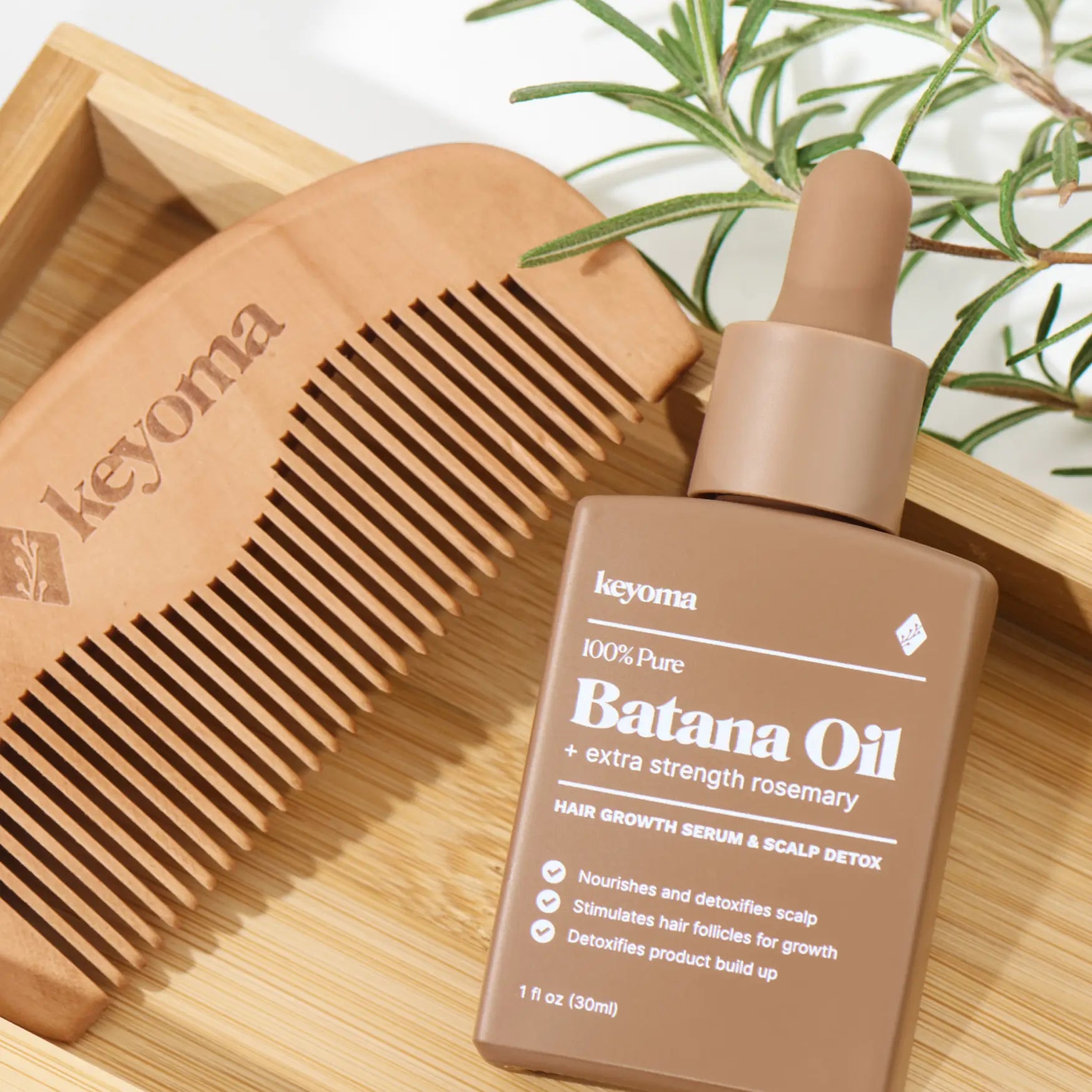
30% Off + 3 FREE Gifts
100% Pure Batana Oil + Rosemary


