

In this article
Thick hair oils can leave your hair soft, smooth, and less dry, but they can also feel difficult to rinse out. If your roots look flat or your strands still feel slick after shampooing, the problem is usually not the oil itself. It is often the amount, placement, timing, or wash technique.
The best way to remove thick oil is to treat it as a pre-wash step, not as a heavy leave-in. Use a small amount, keep most of it away from your roots, rinse with warm water first, shampoo your scalp carefully, and condition only where your hair needs softness.
You do not need to scrub your hair harshly or shampoo three times just to feel clean. A gentler method can remove residue while keeping the ends from feeling dry, rough, or stripped.
Key Takeaways
-
Thick oils rinse out better when you use less from the start.
-
Shampoo should focus on the scalp and roots first.
-
Double shampoo only when hair still feels coated after one wash.
-
Condition the ends after cleansing to avoid dry, rough hair.
Are Thick Hair Oils Hard to Wash Out?
Thick oils can be harder to wash out than lightweight finishing oils because they cling more strongly to the hair. They are usually better for pre-wash use, dry ends, coarse textures, curls, or hair that needs extra slip before shampooing. Problems often begin when the same oil is applied like a light serum from root to tip.
Cleveland Clinic dermatologist Shilpi Khetarpal, MD, advises using a small amount of oil, applying it from the middle of the hair to the ends, leaving it on for about 20 minutes to an hour, then washing it out. That less-is-more approach matters because heavy residue is much easier to prevent than remove.
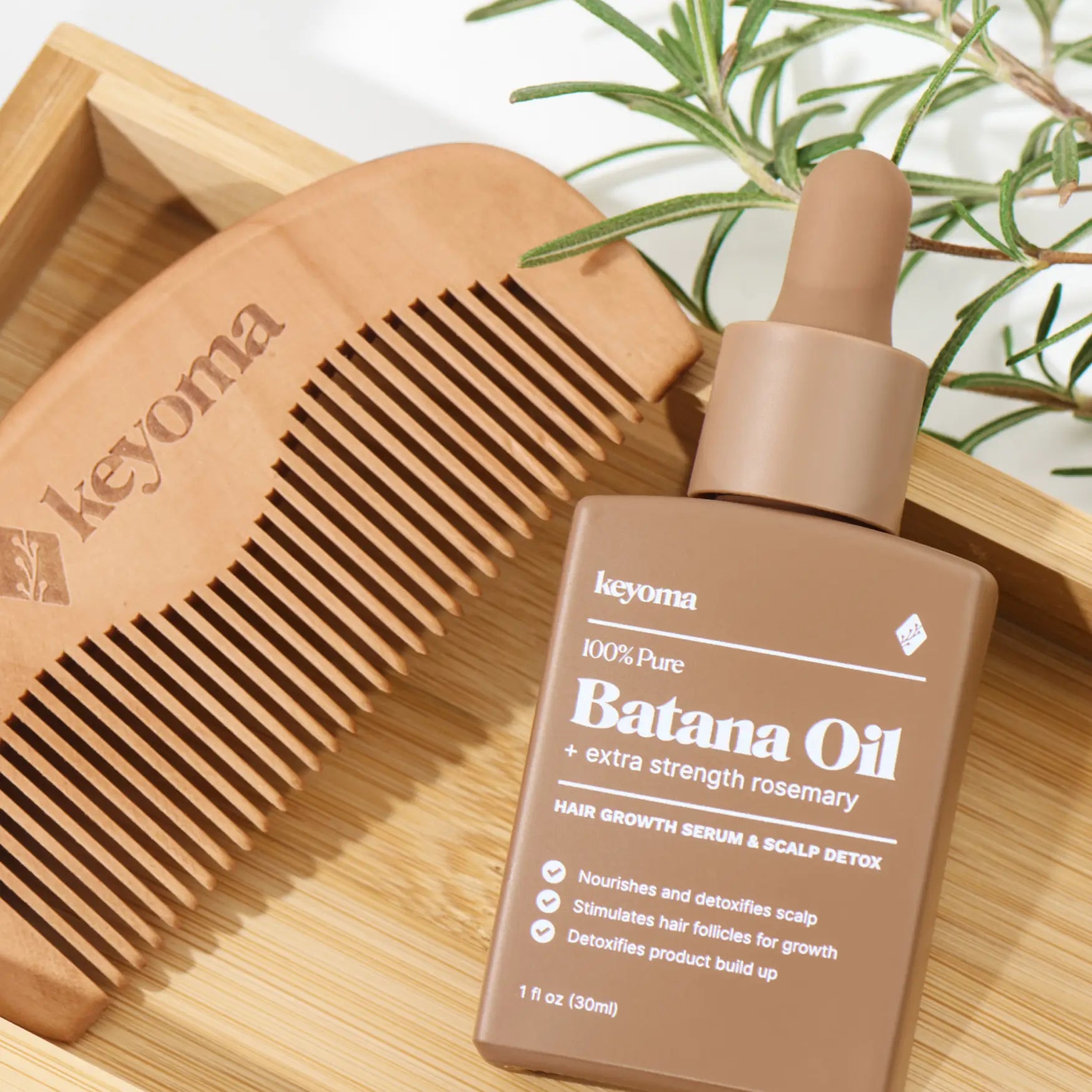
Batana is a good example. Pure batana oil can work well as a rich pre-wash oil, but it can leave hair greasy if you coat your scalp, use too much, or leave it on longer than your hair can handle. Fine or oily hair may need a much smaller amount than thick, coarse, curly, or coily hair.
How to Wash Out Thick Hair Oil Step by Step
A good wash-out method starts before shampoo touches your hair. Thick oil needs time, water, and scalp-focused cleansing to break down properly. The goal is not to attack your lengths with shampoo. The goal is to clean the scalp well and let the lather carry enough cleanser through the rest of your hair.
The American Academy of Dermatology recommends applying shampoo to the scalp instead of the full length of the hair. That helps remove excess oil, dead skin, and product buildup without drying the hair too much.
Rinse With Warm Water First
Start with a slow warm-water rinse. Give the water enough time to loosen the oil before you add shampoo. Do not rush this step, especially if the oil feels waxy, buttery, or heavy on your strands.
Warm water helps soften the coating so shampoo can spread more evenly. Very hot water may make your scalp feel tight and your lengths feel rough, so keep it warm rather than steaming. Use your fingers to gently separate the roots and let water reach the scalp.
Shampoo the Scalp and Roots First
Apply shampoo to your scalp and roots, not straight to the oiled ends. Massage with your fingertips, especially around the crown, hairline, nape, and any area that feels flat or coated. The scalp is where oil, sweat, and buildup collect first.
If your first shampoo does not lather much, do not panic. Thick oil can reduce lather during the first pass. Focus on spreading the shampoo evenly instead of adding a large amount at once. A little extra water can help the shampoo move better.
Let the Lather Move Through the Lengths
After the scalp is covered, let the lather slide through the mid-lengths and ends as you rinse. You can lightly smooth it downward with your hands, but avoid rough scrubbing. The ends are older and usually drier, so they do not need the same cleansing pressure as the roots.
If you applied oil mostly to the ends, the lather should still reach them during rinsing. For very dense or long hair, split the hair into sections with your fingers so water and shampoo can reach hidden coated areas.
Rinse Until Hair No Longer Feels Slick
Rinse longer than you think you need to. Thick oil often hides near the nape, behind the ears, and under dense sections. Hair should feel clean but not squeaky. A slightly smooth feel is normal, but a slippery, coated film means oil or shampoo is still sitting on the hair.
I’ve noticed the nape often holds residue longest, especially when oil is applied before tying hair up. Tilt your head forward or to each side while rinsing so water reaches those areas.
Condition the Ends After Shampooing
Conditioner still matters after oiling. Shampoo removes oil and buildup, but your ends may need moisture and slip afterward. Apply conditioner mainly to the mid-lengths and ends, then rinse well.
Cleveland Clinic also notes that shampoo should go on the scalp while conditioner should go on the ends, especially for longer hair. This keeps roots from getting greasy while protecting lengths from dryness and breakage.
Do You Need to Shampoo Twice After Hair Oil?
You do not need to double shampoo every time you use hair oil. A second shampoo is useful when your hair still feels coated after the first wash, your roots look flat while wet, or your first shampoo barely spread because there was too much oil.
Dermatologists Melanie Palm, MD, and Brendan Camp, MD, told Health that double shampooing can help remove oil, dirt, sweat, product buildup, and dead skin, especially for oily scalps or longer gaps between wash days. They also caution that doing it too often can dry out the scalp and hair, and may contribute to flaking, irritation, or breakage for some people.
A simple rule works well: shampoo once first, rinse thoroughly, then check how your hair feels. If the roots still feel oily or the lengths still feel coated, shampoo again with a smaller amount and focus on the scalp. If your hair already feels clean, skip the second wash and condition the ends.
Your normal hair oiling frequency also matters. If you oil often, use heavy amounts, or go several days between washes, buildup is more likely. If your hair is fine, oily, or easily weighed down, less oil and less contact time may work better than stronger shampooing.
How to Remove Batana Oil Residue Without Over-Washing
Batana oil residue usually comes from using too much, placing it too close to the roots, or treating it like a lightweight leave-in. Since batana oil is rich, a small amount can spread farther than expected once it warms between your hands.
For your next wash, use warm water first, then shampoo the scalp carefully. Let the lather move down the lengths, rinse well, and only repeat shampoo if your hair still feels coated. If your ends feel dry after cleansing, use conditioner there instead of adding more oil right away.
For the next application, adjust the routine before residue happens:
-
Use a smaller amount than you think you need.
-
Apply mostly from the mid-lengths to the ends.
-
Keep contact time closer to 20 minutes if your hair gets greasy fast.
-
Avoid coating the scalp unless your routine truly calls for it.
-
Shampoo the roots first instead of scrubbing the ends.
If you are still learning how to apply batana oil to hair, start with the smallest practical amount and increase only when your hair rinses clean without extra effort.
Why Is Your Hair Still Greasy After Shampoo?
Hair that feels greasy after washing can come from several routine issues. You may have used too much oil, applied conditioner too close to the scalp, rushed the rinse, or shampooed the lengths while missing the roots. Dense hair can also trap oil underneath, even when the top layer feels clean.
Medical News Today notes that greasy hair after washing may be linked to hair care habits, heavy or waxy products, incomplete cleansing, excess sebum, environmental factors, or, less commonly, an underlying scalp issue. Fine or straight hair may also look greasy faster because scalp oil can spread more easily down the strand.
Your scalp and ends may need different care. If your roots get oily but your ends feel dry, a routine for oily scalp and dry ends may be more useful than washing everything harder. Clean the scalp well, keep conditioner away from roots, and use oil mainly where dryness appears.
If greasiness comes with burning, pain, thick scaling, bleeding, sudden shedding, or severe itching, stop treating it as a simple oiling issue. A dermatologist can check whether a scalp condition or irritation is involved.
What to Avoid When Washing Out Thick Hair Oil
A heavy oil mistake can make you want to cleanse aggressively, but harsh washing often creates a second problem: dry, rough lengths. Better results usually come from using less oil next time and washing more strategically.
Avoid these common habits when trying to remove oil residue.
Using Too Much Oil Next Time
Adding more oil does not always make hair softer. With thick oils, more can mean heavier roots, dull lengths, and a longer wash day. If your hair still felt greasy after shampooing, reduce the amount before you change everything else.
A pea-sized amount is a reasonable starting point for many routines, but your hair density and length matter. Short, fine hair may need less. Long, thick, coarse, or coily hair may need more, but it still helps to build slowly.
Scrubbing the Lengths With Too Much Shampoo
Scrubbing shampoo through the full length can leave ends feeling stripped, especially if they were already dry or color-treated. The scalp needs the most cleansing. The ends usually need the lather that passes through during rinsing.
If the ends are heavily coated, gently squeeze the lather downward instead of rubbing. Detangle only when the hair has enough slip, and avoid rough twisting while it is wet.
Using Hot Water to Force Oil Out
Very hot water can make your hair and scalp feel dry without solving the residue problem. Warm water is enough to soften thick oil before shampoo. The rinse should be thorough, not harsh.
If your hair still feels slick, a second gentle shampoo is safer than turning up the heat. Rinse section by section and check the roots, nape, and underside before you leave the shower.
Leaving Thick Oil on Like a Lightweight Serum
A thick pre-wash oil is not the same as a light styling serum. Leaving too much on after washing can flatten roots and attract more buildup. If you want shine after styling, use a tiny amount only on the ends, or choose a lighter product made for finishing.
If you are comparing oil types, the difference between dry oil and regular hair oil can help explain why some formulas feel weightless while others are better before shampoo.
Wash Out Thick Hair Oil Without Residue
Thick oil is easier to enjoy when the routine stays simple. Use less oil, apply it mostly to the mid-lengths and ends, keep the timing realistic, rinse with warm water, shampoo the scalp first, and condition only where your hair needs softness.
Double shampoo is a backup step, not a rule for every wash day. If your hair feels clean after one shampoo, stop there. If it still feels coated, repeat gently and adjust the amount of oil next time. That balance lets you use rich oils without greasy roots, dry ends, or a stripped feeling after washing.
Featured Product
30% Off + 3 FREE Gifts
100% Pure Batana Oil + Rosemary


