

In this article
Oily scalp but dry ends usually means your hair needs two different kinds of care. Your scalp needs enough cleansing to remove oil, sweat, and buildup. Your ends need moisture, slip, and protection because they are older, drier, and farther from your scalp’s natural oil.
This can feel confusing because the roots may look greasy while the ends look rough, frizzy, or brittle. Adding heavy oil everywhere can make the roots flatter. Washing too harshly can make the ends drier.
A better routine treats the scalp and ends as separate zones. Clean the roots. Condition the mid-lengths and ends. Use lightweight oil only where dryness shows.
Key Takeaways
-
Oily roots and dry ends need zone-based care.
-
Shampoo should focus on the scalp, not the ends.
-
Conditioner works best from mid-lengths to ends.
-
Lightweight oil should stay on dry ends only.
Why Is Your Scalp Oily but Your Ends Dry?
Your scalp can feel oily while your ends stay dry because they are dealing with different problems. The scalp produces sebum, a natural oil that helps protect the skin and hair near the roots. The ends are older and farther away, so they often do not receive enough of that oil.
Hair ends also face more wear. Heat styling, brushing, color, weather, friction, and shampoo all affect the bottom of the hair over time. That is why the roots can look shiny or greasy while the ends look dull or frizzy.
The American Academy of Dermatology says people should wash hair based on how often it gets dirty or oily. It also notes that straight hair with an oily scalp may need more frequent shampooing, while dry, textured, curly, or thick hair may need less frequent washing.
If your roots become oily quickly, the answer is not to coat the scalp with more product. Focus first on scalp cleansing, then support the dry parts separately. For root-specific concerns, why your hair gets oily is a useful next step.
Is This an Oily Hair Problem or a Dry Hair Problem?
Oily scalp and dry ends are usually a combination hair issue. Your roots may need a shampoo routine that keeps oil from building up. Your ends may need conditioner, leave-in support, lighter heat habits, and targeted oiling.
Try not to treat your whole head as one hair type. If you use a rich mask or oil on the roots, your scalp may look greasy faster. If you use a strong shampoo through the full length, the ends may become rougher.
A simple test helps. After washing, check how your scalp and ends feel at different times:
-
If roots feel greasy within a day but ends stay dry, you need root-focused cleansing and end-focused moisture.
-
If the scalp feels tight or itchy after washing, your shampoo may be too harsh or used too often.
-
If the ends feel rough even after conditioner, you may need leave-in care or a light oil on the ends.
-
If both scalp and ends feel coated, buildup may be part of the problem.
This split approach keeps you from overcorrecting. You do not need a heavy dry-hair routine on the roots. You also do not need to strip the ends just because the scalp gets oily.
What Causes Oily Scalp with Dry Ends

Oily scalp with dry ends often comes from a mix of scalp oil, product buildup, dry lengths, and styling damage. The scalp and ends are connected, but they do not need the same product placement.
The goal is not to “dry out” the scalp or “oil up” the whole head. A balanced routine removes excess oil where it collects and protects dry hair where it needs support.
Scalp Oil Builds Up Fast
Some scalps naturally produce oil faster than others. Fine or straight hair can show oil more quickly because sebum spreads across the hair surface easily. Sweat, styling products, dry shampoo, and pollution can also make the roots feel greasy sooner.
When oil builds up fast, shampoo should focus on the scalp. Massage gently with your fingertips, then let the rinse move through the lengths. AAD recommends applying shampoo to the scalp instead of the full hair length to wash away buildup and excess oil without drying the hair too much.
For recurring grease, greasy hair care should focus on cleansing habits, product weight, and scalp comfort, not heavy moisture at the roots.
Ends Dry Out More Easily
The ends are older than the hair near your scalp. They have been brushed, washed, styled, tied up, rubbed against clothing, and exposed to weather for longer.
That age difference explains why ends can feel dry even when your roots look oily. Natural oil may not travel all the way down, especially if your hair is long, curly, coily, textured, colored, or heat styled.
Dry ends often need softness and slip more than they need heavy coating. If your lower lengths feel rough or brittle, dry hair guidance can help you separate moisture needs from scalp oil problems.
Shampoo Can Strip the Ends
Shampoo is helpful for the scalp, but it can dry out the ends if you rub it through the full length every wash. Ends usually do not need the same cleansing intensity as the roots.
Use shampoo at the scalp first. The foam and rinse will lightly cleanse the lower hair as it moves down. After shampooing, conditioner helps restore manageability.
AAD says conditioner moisturizes and detangles hair, and people with fine or straight hair should apply conditioner to the ends. For dry or curly hair, conditioner may be used through the length.
Heat, Color, and Weather Add Dryness
Heat styling, bleaching, coloring, relaxing, sun, wind, cold air, and friction can all make the ends drier. These factors affect the lengths more than the scalp because the ends are exposed longer.
AAD recommends limiting blow-drying and hot tools, using low or medium heat, and using heat protectant to reduce heat damage. If your ends are already dry, lowering heat often helps more than adding heavier oil.
How Often Should You Wash Oily Scalp and Dry Ends?
Wash frequency should match your scalp, lifestyle, and hair texture. An oily scalp may need more frequent washing than a dry scalp, but the ends still need protection during every wash.
AAD’s healthy hair tips say straight hair with an oily scalp may need daily shampooing, while dry, textured, curly, or thick hair may need shampoo only as needed. That range matters because oily roots and dry ends can appear in many hair types.
A practical starting point is to wash when the scalp feels greasy, itchy, sweaty, or coated. Do not wait just because someone says you can train your scalp to produce less oil. At the same time, avoid daily harsh clarifying shampoo as a default fix. Strong cleansing used too often can leave the ends rougher.
If your roots need frequent washing, protect the ends by changing how you wash. Apply shampoo to the scalp, condition the ends, and avoid rubbing the hair length aggressively. For people who wash often, daily hair washing should be guided by scalp needs and product gentleness.
How to Moisturize Dry Ends Without Oily Roots

The safest way to moisturize dry ends without oily roots is to keep moisturizing products away from the scalp. Think from the ears down, or mid-lengths to ends, depending on your haircut.
Moisture and oil are not the same. Conditioner and leave-in products usually help with softness and slip. Oil can help seal, smooth, and reduce friction, but too much oil can make the hair flat.
Apply Conditioner From Mid-Lengths to Ends
Apply conditioner where the hair feels dry, not where the scalp gets oily. For many people, that means the mid-lengths and ends.
Use enough conditioner to make the ends feel slippery, then rinse well. If your roots get limp easily, keep conditioner off the scalp. If your hair is curly, coily, or very dry, you may need more conditioner through the length while still avoiding the root area.
Use Lightweight Oil on the Ends Only
A lightweight oil can help dry ends look smoother without making roots greasy. Apply it to the last few inches, especially where hair looks frizzy, dull, or rough.
Cleveland Clinic notes that people with dry, coarse, tightly curled hair may benefit from oiling, while fine, straight hair may find oil too heavy. It also advises using a small amount and applying oil from the middle of the hair to the ends.
If your hair gets weighed down fast, start with lightweight hair oils instead of rich oils or full-head oiling.
Start With One or Two Drops
Start with one or two drops. Rub the oil between your palms, then lightly press it into the dry ends. Do not pour oil directly onto one spot.
Fine hair may only need one drop. Thick or textured hair may need a little more, but build slowly. If the ends still look dry after a few minutes, add another small amount. If they look stringy, you used too much.
Add Moisture Before You Add More Oil
If your ends still feel dry after oiling, the hair may need moisture, not more oil. Add conditioner, leave-in conditioner, or a hydrating mask before increasing oil.
Oil works best as a finishing or protective layer. It can make the ends feel smoother, but it should not replace conditioner. If your ends are brittle, rough, or snapping, hair oil for dry ends should sit inside a routine that also includes moisture and gentle handling.
Can You Use Hair Oil for Oily Scalp and Dry Ends?
Yes, you can use hair oil for oily scalp and dry ends, but placement matters. Most people with this pattern should oil the ends only or use oil as a short pre-wash treatment, not as a heavy scalp layer.
Cleveland Clinic’s oiling method suggests brushing or combing first, using a pea-sized amount, applying oil to the ends, spreading it from the middle of the hair to the ends, and washing it out after 20 minutes to an hour. This is a good fit for oily roots because the oil can support dry ends without staying near the scalp all day.
A pre-wash oil for dry ends can work well before shampoo. Apply it only to the dry lower lengths, then wash the scalp as usual. If your hair is fine, keep the contact time short and use less oil.
Avoid heavy root-to-end oiling if your scalp gets greasy fast. Scalp oiling may feel good for some hair types, but oily roots usually need clean, lightweight care like Keyoma’s 100% Purer Batana Oil with Rosemary. If you want timing help, when to oil hair before shampooing can help you choose a shorter, cleaner pre-wash step.
Best Routine for Oily Scalp and Dry Ends

The best hair routine for oily scalp and dry ends is simple: treat the scalp like scalp, and treat the ends like older hair. Clean the roots. Soften the ends. Keep heavy products away from the scalp unless you know your scalp tolerates them.
Do not change everything at once. Adjust one step, watch your hair for a few washes, then refine from there.
Before Washing
Before washing, detangle gently from the ends upward. If the ends feel rough, apply a tiny amount of lightweight oil or a short pre-wash oil treatment to the lower lengths only.
Avoid putting heavy oil on the scalp before every wash if your roots get oily quickly. For fine hair, review best hair oils for fine hair so your end-care step does not make the roots look flat.
During Washing
During washing, focus shampoo on the scalp. Use the pads of your fingers, not your nails. Rinse well so oil, sweat, and product residue do not sit at the roots.
Apply conditioner from the mid-lengths to the ends. Let it sit long enough to soften the hair, then rinse. If your ends still feel dry after every wash, your conditioner may be too light, or your shampoo may be too strong for the full routine.
After Washing
After washing, blot the hair with a soft towel or T-shirt. Do not rough-dry the ends. AAD says hair is delicate when wet and recommends using a wide-tooth comb, detangling gently from the ends upward, and wrapping hair with a towel or T-shirt instead of rubbing it dry.
Apply leave-in or a small amount of lightweight oil to the ends only. Keep the roots clean and product-light. If your scalp also feels itchy, flaky, or irritated, scalp care routine guidance may help you adjust without overloading the hair.
Between Wash Days
Between wash days, refresh the roots lightly if needed and protect the ends from friction. Dry shampoo can help for a short refresh, but using it too many days in a row may leave buildup.
Brush or smooth the hair gently when needed. Tie hair loosely, avoid constant tight styles, and use a small amount of oil only if the ends look dry. The goal is not to stretch wash days at all costs. It is to keep the scalp comfortable while preventing the ends from getting rougher.
Balance Oily Scalp but Dry Ends for Softer Hair
Oily scalp but dry ends need a split routine. Your scalp needs cleansing that removes oil and buildup. Your ends need conditioner, light moisture, gentle handling, and careful oil placement.
Keep shampoo at the roots, conditioner on the mid-lengths and ends, and oil on the dry tips only. Wash as often as your scalp needs, but protect the ends each time so your hair feels cleaner at the roots and softer through the length.
Featured Product
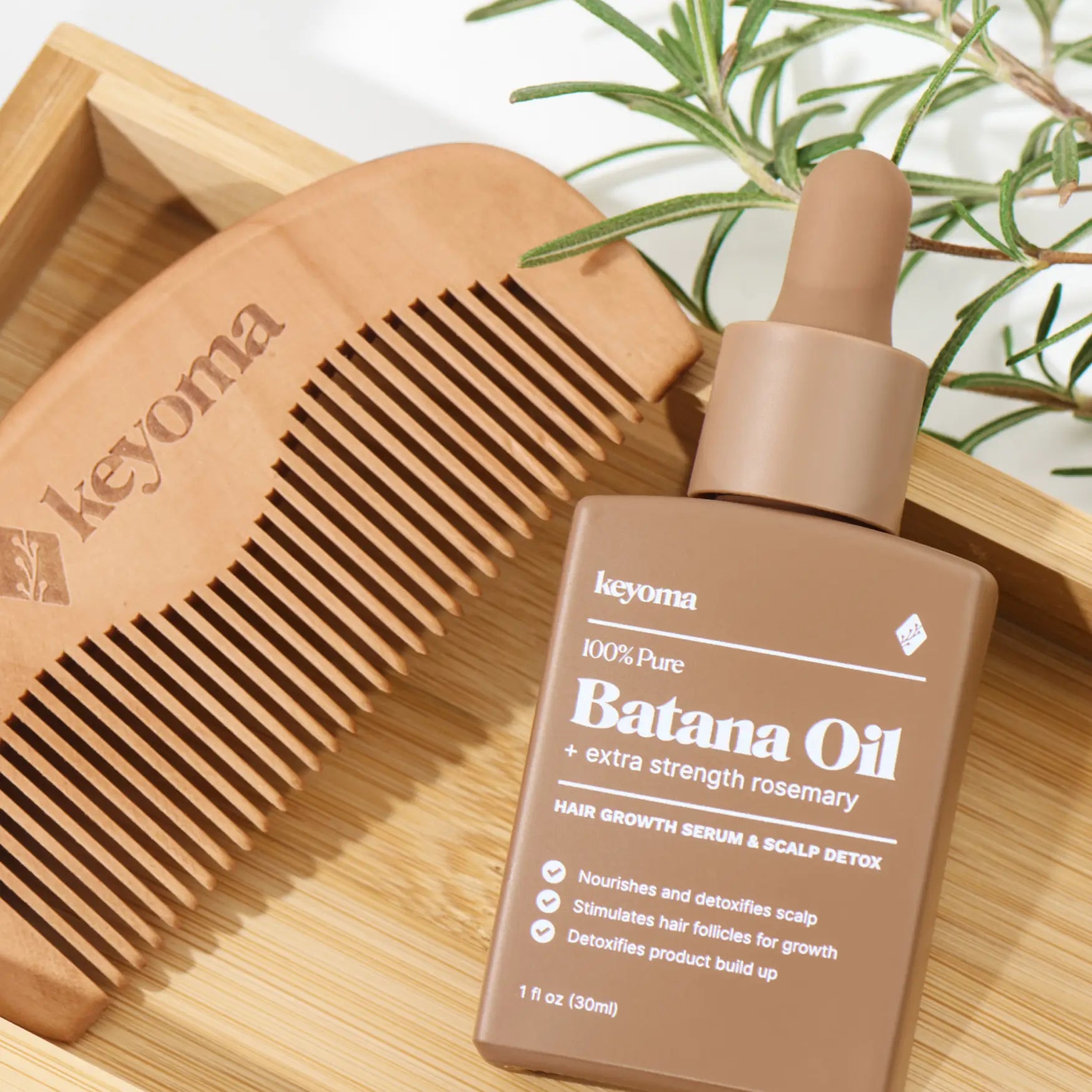
30% Off + 3 FREE Gifts
100% Pure Batana Oil + Rosemary


