How to Get Rid of Greasy Hair Without Overwashing or Buildup
Written by

Published on Jan 24, 2026

In this article
We've all experienced it. You figured you could skip wash day, then you wake up with flat, oily strands that look far from fresh. The upside? Your scalp is working to produce oil and sebum that protect hair and keep it resilient.
The downside? Those same oils can weigh down your look and texture, particularly if your hair runs fine. When you're dealing with oil overload, use this guide on how to stop greasy hair.
Key Takeaways
-
Greasy hair shows up when extra sebum builds on strands, usually from hormones, genetics, or stress.
-
Washing too often strips oils and tells the scalp to make even more sebum.
-
Heavy sweating, product residue, and scalp issues can cause itch, flakes, and redness.
-
Prevention relies on ends-only conditioner, the correct shampoo dose, and careful dry shampoo habits.
What Is Greasy Hair
So why does my hair turn greasy so quickly? Let's look at science. Sebum is oil your skin makes naturally to stay hydrated and avoid drying out. When the glands produce more than you need, you end up with oily skin. That includes the skin covering your scalp.
Too much sebum can come from hormone shifts, your genes, what you eat, stress, seasonal swings, poor hair habits, and some medications. Greasy hair isn't harmful by itself, but it can cause inflamed, itchy, flaky skin or seborrheic dermatitis. Dandruff falls under seborrheic dermatitis.
An oily scalp also creates dandruff when the yeast-like fungus Malassezia feeds on your scalp oil. Standard dandruff can also happen when excess oil irritates skin.
Common Causes of Greasy Hair

Many people deal with greasy hair, but that's not always negative. Sebum offers health perks for your hair and scalp, though too much makes hair appear greasy and slick. Oily hair can stem from several sources, like your genes, medications, poor lifestyle choices, stress, or hormones.
Overactive Sebaceous Glands
If your sebaceous glands work overtime, try limiting hair care products like gels or hairspray because they accumulate in your hair. Another tip for overactive glands is washing your hair after you sweat heavily.
Overwashing
Washing hair too often removes natural oils, which makes the scalp naturally pump out more oils to rehydrate. Challenge yourself to stretch time between washes, gradually washing your hair less often. It won't shift overnight, but over time you'll see your hair staying fresher between washes. You've got this!
Product Buildup and Clogged Follicles
Products like dry shampoo target those with greasy hair and often get labeled as oily hair's ally. But we're asking you to limit the dry shampoo! While it's helpful in moderation, watch your amount because it creates even more residue and clogged pores between washes.
Weather and Environmental Triggers
Particularly during winter, dry cold winds can dehydrate your scalp, stripping away natural oils. This can fool your scalp into making more oil to offset the missing natural oils, which leaves your hair looking greasier. We'd suggest using products made for oily hair to ensure your hair receives the care it requires.
Genetics and Natural Oil Production
Sadly, some people simply have glands that make more oil than others. While you can't change your genetics, you can take steps to manage greasy hair. Our top suggestion is establishing a solid cleansing routine that includes scalp exfoliation and apple cider rinses.
Hair Type and How Fast Oil Spreads
If your hair is thin, you might notice greasy hair one day after washing, compared to people with thicker hair who can go longer between washes. We'd suggest trying to extend time between washes if you currently wash daily. Your hair may need a few weeks to adapt, but once it does, you'll see your hair looking less greasy even without washing.
Hormonal Shifts That Can Increase Oil
Another big trigger for greasy hair is hormone fluctuations. This includes puberty, pregnancy, menopause, and other hormone shifts. These changes affect sebum levels, with the sebaceous glands making more sebum and leaving hair looking greasier than normal.
Diet Factors That May Increase Scalp Oil
Some foods can lead to greasy hair. Diets loaded with processed foods, too much dairy and sugar, and unhealthy fats can boost sebum production. Try maintaining a balanced diet and drinking enough water to keep a healthier scalp and hair.
Stress and Sebum Overproduction
We realize it's sometimes tough to cut stress, but stress might be driving your oily hair. Stress can push your sebaceous glands into overdrive, so if you're stressed frequently and suspect that's the cause of your oily strands, then try calming techniques like meditation, yoga, or a walk outside.
Scalp Conditions Linked to Oil and Flakes
Seborrheic dermatitis, also called dandruff, is a condition that irritates and inflames your scalp. It's not serious because it can result from an allergic reaction or an autoimmune condition. Scaly patches of skin form in areas overproducing sebum, giving hair a flaky look.
How to Prevent Greasy Hair

For some, hair seems to turn greasy almost right after washing. When that happens, several methods can prevent greasy hair and keep oil away longer.
Use Batana With Rosemary Oil the Right Way
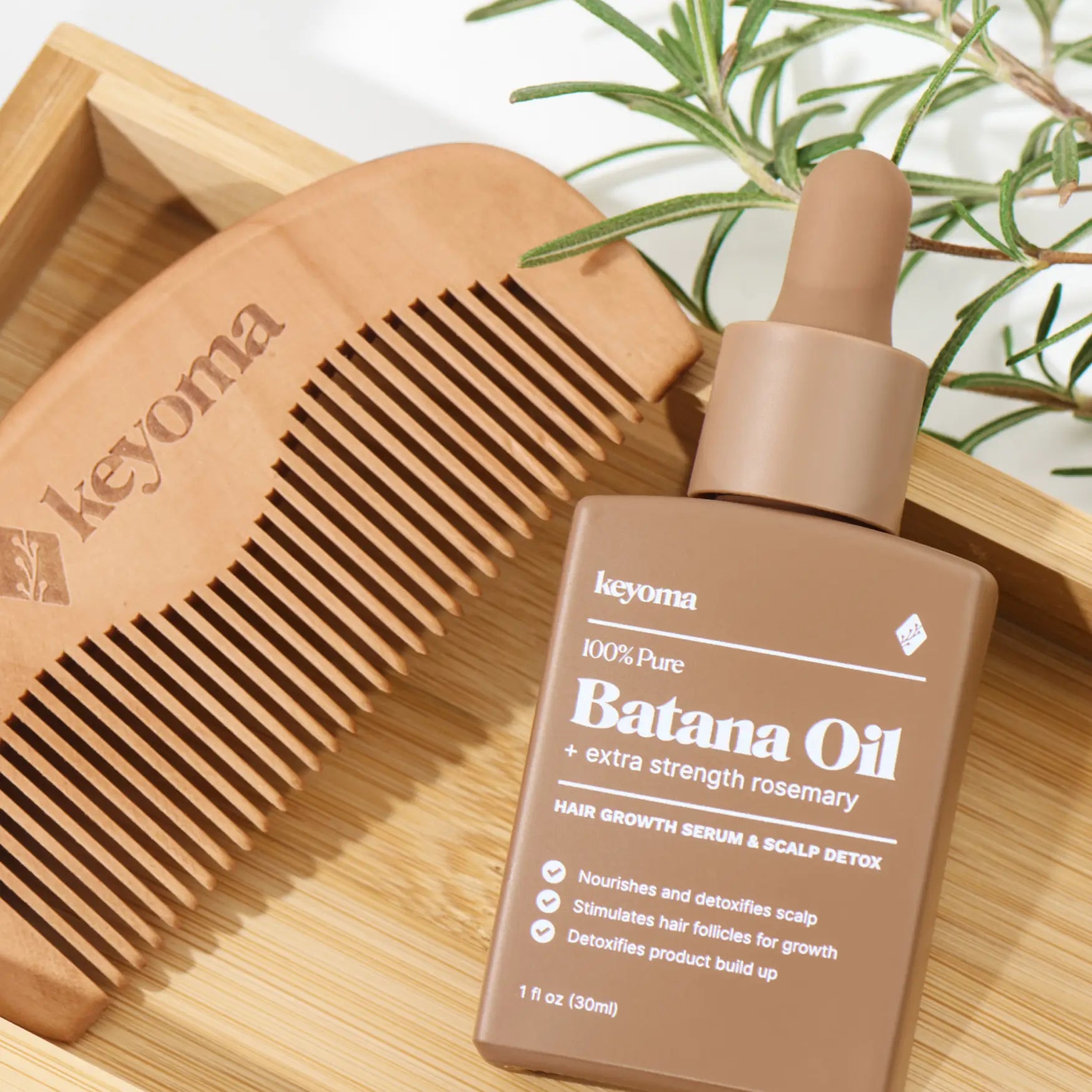
It's a myth that hair oils create greasy strands. Just don't apply too much and stay away from your roots. Use a hair oil regularly to help stop hair breakage, avoid split ends, add radiant shine, detangle, and boost your hair color. If you want a lightweight choice, try batana oil with rosemary on your mid-lengths and ends.
Begin with 2–3 drops, warm it between your palms, then smooth it through damp or dry hair. If your hair turns oily quickly, keep it away from your roots and apply it only to the driest spots to help control frizz and add shine without making your hair heavy.
Apply Conditioner Only to the Ends
If your conditioner runs out before your shampoo, you might be using it incorrectly. The conditioner should be applied sparingly. To keep your hair from getting greasy, use it only on your ends. If you have dry or colored hair, it's tempting to apply conditioner all over.
This will practically guarantee your hair gets greasy fast. Instead, use conditioner only on your ends for the ideal balance of damage repair and hydration.
Use the Right Amount of Shampoo
Using excessive shampoo will just weigh your hair down if you don't rinse it thoroughly. The guideline is to use about a quarter-size portion when you wash. Also, do two quick lathers rather than one lengthy one with shampoo. Its mix of hair-healthy ingredients helps clean without removing moisture. On your last rinse, use cool water to enhance shine.
A blast of cold water also benefits the scalp and supports blood flow. Another strategy for how to reduce greasy hair is making sure your shower isn't too hot. Extremely hot water removes natural oils from the cuticle. The scalp then rushes to replace them right away, making hair greasier faster.
Use Dry Shampoo Carefully Between Washes
Think of dry shampoo as your secret tool when fighting greasy hair between washes. Apply it to your root area to soak up excess oils, sweat, and dirt. This will also help build volume and texture in yesterday's hair. Just remember that using dry shampoo for too many consecutive days can create buildup on the scalp, causing problems like dandruff.
Take a Break From the Flat Iron
The straighter your hair sits, the closer it rests against your scalp (and its oil). That's why curlier hair usually tends to be drier than straight hair. Lesser-known tip for how to reduce greasy hair: Build volume or waves around your crown. This stops your locks from appearing limp.
Brush to Distribute Oil, Not to Overdo It
Regular brushing helps spread your scalp's natural oils evenly through your hair. This stops buildup on the crown and helps bring moisture to dry ends. Just remember that over-brushing with a comb or brush can trigger oil production. Try a wide-tooth comb to move through all hair types and textures.
Remove The Grease From Your Hair With Keyoma
Reset greasy hair by changing the habits that keep your scalp in "replace the oil" mode. If your roots appear slick within a day, then quit using scalding water, apply only a quarter-size portion of shampoo, and do two quick lathers instead of one long scrub. Rinse longer than seems necessary, then end with cool water so the product doesn't stick and hair remains lighter.
Keep the conditioner away from your scalp. For shine without the greasy comeback, use just 2–3 drops of oil on mid-lengths and ends, never on roots. Buy Keyoma Batana Oil with Rosemary from our website.
Featured Product
30% Off + 3 FREE Gifts
100% Pure Batana Oil + Rosemary
↓Best Batana Oil to Buy↓

1 Month
Subscribe & Save
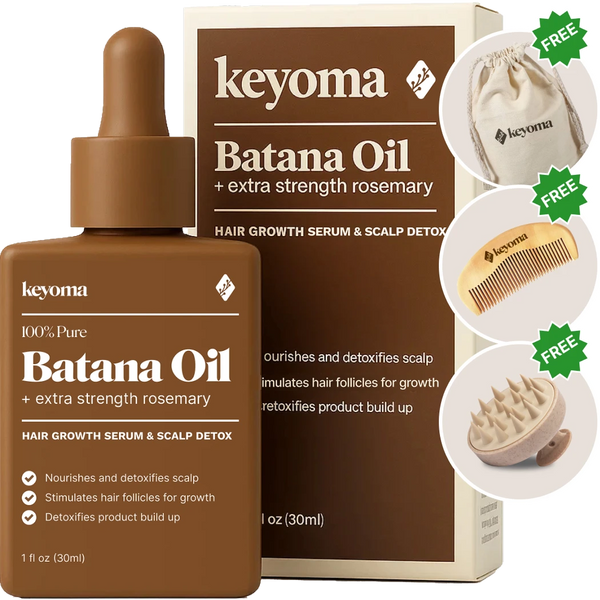


- 30-day supply delivered monthly $35
- 30% off for life $6
- Free haircare essentials kit $33
- Free custom wooden comb $10
- Free scalp massager $15
- Free eco-friendly travel bag $8
- 30-Day Money Back Guarantee
- Free Shipping
- Online portal for easy cancel, skip, or pause.
1 Month One Time Purchase
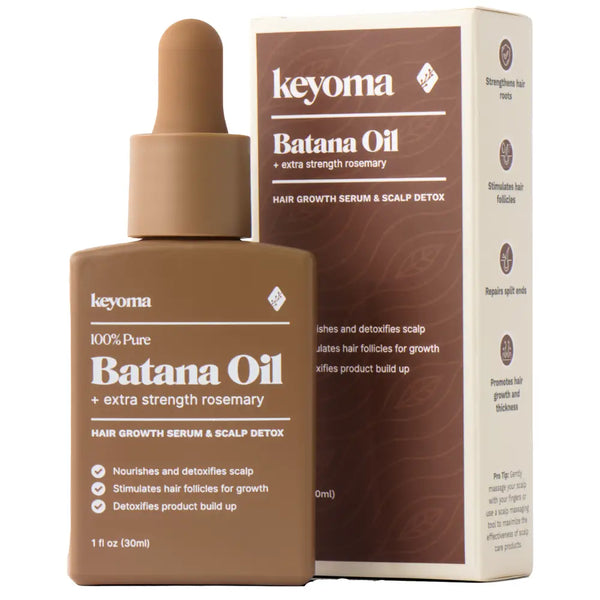
- 30-day supply $50
- 30% off for life $6
- Free haircare essentials kit $33
- Free custom wooden comb $10
- Free scalp massager $15
- Free eco-friendly travel bag $8
