

In this article
Loose hair in your brush does not always mean the same thing. Some strands have completed their growth cycle and released from the scalp. Others have snapped somewhere along the shaft because they became dry, weak, or damaged.
Hair oil is generally a better match for dryness-related breakage than for true shedding. Oil can make strands feel softer, reduce friction, and support gentler detangling. It cannot correct every reason a strand leaves the follicle.
A quick strand check can help you choose the right next step. You will learn what broken and shed hairs usually look like, where oil may help, where it cannot, and when a change in density deserves professional attention.
Key Takeaways
-
Hair oil usually fits dryness-related breakage better than true shedding.
-
Broken hairs are often short, uneven, split, or frayed.
-
Shed hairs are often full length with a small bulb at one end.
-
Sudden or persistent shedding needs attention beyond topical oil.
What Is Hair Breakage?
Hair breakage happens when a strand snaps along its length instead of releasing naturally from the follicle. The visible shaft is no longer living tissue, so a split or broken section cannot rebuild itself. Care can limit further damage, but it cannot fuse the shaft back together.
Breakage can happen near the ends, through the middle lengths, or close to the scalp. When many strands snap, hair may look thinner and struggle to retain new length.
What Broken Hair Looks Like
Broken pieces are often shorter than your usual hair length. They may look uneven, bent, split, feathered, or rough at the ends. You might also notice flyaways, frizz, small pieces on clothing, or short strands around the sink after styling.
A missing root bulb can support the idea that a strand broke, but appearance alone is not a diagnosis. Short new growth can also stand up around the scalp, and some shed hairs may lose a visible club during handling. Compare several strands rather than judging one in isolation.
Texture gives another clue. Hair that feels rough, catches during detangling, or forms knots easily may be exposed to more friction. A broader review of damaged hair signs can help you connect snapping with heat, chemical processing, rough handling, or weathering.
Common Causes of Hair Breakage
Dryness is common, but it is rarely the only factor. Repeated heat, bleaching, relaxing, tight styles, forceful brushing, rough towel drying, and frequent manipulation can all weaken the shaft. The American Academy of Dermatology notes that damaged hair becomes fragile and recommends gentler washing, conditioning, lower heat, looser styles, and careful detangling.
Your natural texture affects how easily scalp oils move down the strand. Curly and coily hair often needs more help staying lubricated. The AAD’s curly hair guidance describes thick, curly hair as more prone to dryness and breakage and recommends conditioning plus oil or leave-in care when appropriate.
The problem may combine dry hair, worn ends, and styling tension. Oil cannot offset daily high heat or forceful detangling, so each source of damage needs attention.
How Hair Oil Can Help
Oil can coat the strand and reduce surface friction. With less drag between hairs, dry lengths may tangle less and move more smoothly through fingers or a wide-tooth comb. Better lubrication may reduce the mechanical stress that leads to snapping, especially around fragile ends.
Oil may also slow moisture loss and make stiff hair feel more flexible. Cleveland Clinic dermatologist Dr. Shilpi Khetarpal explains that oiling tends to suit dry, coarse, tightly curled hair better than fine, straight hair, which may become weighed down. She recommends a small amount on the mid-lengths and ends.
Not every oil behaves the same way. A study indexed in PubMed found that coconut oil reduced protein loss in tested hair fibers, while mineral and sunflower oils did not show the same effect. The result supports choosing oils by their properties rather than assuming every oil penetrates or protects hair equally.
Oil can temporarily smooth the look of split or frayed ends, but it cannot seal them permanently. Trimming removes a split section. Until then, a small amount of oil and gentler handling may reduce catching and further splitting. More detail on how oils may help prevent split ends can help you set realistic expectations.
Frequency matters. Heavy daily application can create buildup or flatten fine hair, while occasional pre-wash use may suit dry, dense hair. Adjust your hair oiling frequency by texture, wash schedule, and buildup.
What Is Hair Shedding?
Hair shedding happens when a full strand releases from the follicle as part of the hair growth cycle. Some daily shedding is expected. The concern changes when the amount rises sharply, stays elevated, or comes with visible thinning.
A shed hair separates at the root end rather than snapping through the shaft. Shedding may be normal, stress-related, or linked to a condition needing evaluation.
What Shed Hair Looks Like
A shed strand is often close to your full hair length. One end may have a tiny white, pale, or translucent club. That club is material from the root end, not the entire follicle being pulled from your scalp.
Long hair can make normal shedding look dramatic because each strand takes up more space. Wash frequency also changes what you see. Someone who washes every few days may release several days of shed hairs at once.
The bulb check is only a clue. It cannot tell you why shedding occurred, whether the amount is medically excessive, or whether you also have breakage. Density changes, timing, scalp symptoms, and recent health events provide more useful context.
Common Causes of Hair Shedding
The AAD’s guidance on hair shedding says losing about 50 to 100 hairs per day can be normal. Significantly greater shedding may be telogen effluvium, which can appear after childbirth, major weight loss, high fever, surgery, illness, or substantial stress.
Other possible contributors include low iron or protein intake, medication effects, thyroid or hormonal changes, hereditary pattern hair loss, and inflammatory scalp conditions. The AAD outlines multiple causes of hair loss, including hereditary thinning and medical conditions that affect follicles.
“Hair fall” can describe shedding or breakage, so the phrase is not precise. Full-length strands point toward shedding, while short irregular pieces suggest breakage. Both can occur together.
Can Hair Oil Reduce Shedding?
Applying oil does not reliably stop excessive shedding caused by illness, hormonal changes, nutrient deficiency, medication, hereditary loss, or an inflamed scalp. A hair oil for shedding may make handling gentler, but it cannot replace finding and addressing the cause.
Oiling may support comfort when the scalp is simply dry, and applying a small amount to the lengths may reduce extra breakage while hair is shedding. Avoid assuming that more oil or stronger massage will keep telogen hairs attached. Those strands have already entered the release stage of the cycle.
Oiling can make shedding appear worse because massage, detangling, and washing gather strands that were already loose. The shedding process often began before the oil was applied. This is a likely explanation based on how telogen shedding and routine handling occur.
Scalp oil does not suit everyone. Dandruff, itching, follicle irritation, or heavy buildup may worsen with the wrong product or too much application. Review the possible side effects of hair oiling, stop if irritation develops, and seek care if symptoms persist.
Hair Breakage vs Hair Shedding: What Is the Difference?
The simplest comparison is location. Breakage occurs along the shaft, while shedding releases the strand from the root end. Your overall pattern matters more than one hair.
|
Check |
Hair Breakage |
Hair Shedding |
|
Strand appearance |
Shorter, uneven, split, frayed, or snapped pieces |
Usually full-length strands |
|
Root bulb |
Usually absent |
May have a small pale club at one end |
|
Common causes |
Dryness, heat, chemicals, friction, tension, rough handling |
Natural cycling, stress, illness, childbirth, nutrition, medication, pattern loss, scalp conditions |
|
Effect on density |
Can make ends or sections look thin and prevent length retention |
Can reduce density from the scalp when excessive |
|
Oil suitability |
Often useful for lubrication, softness, and gentler handling |
Limited support unless dryness or handling is also a concern |
|
Recommended next step |
Reduce damage and condition the shaft |
Track the pattern and investigate persistent or heavy loss |
Where the Strand Separates
Breakage leaves part of the strand behind because the shaft snapped. Shedding removes the completed strand from the follicle opening. The follicle remains in the skin and may produce another hair depending on the cause and growth cycle.
When the issue appears to start at the scalp, avoid treating it as a simple dry-end problem. A broader explanation of hair shedding versus hair loss can help separate temporary release from conditions that reduce ongoing growth.
What the Loose Hair Looks Like
Collect a few hairs from your brush or wash area and place them against a light surface. Compare their lengths with your overall hair. Full-length strands with a small club lean toward shedding. Mixed short pieces with rough or split ends lean toward breakage.
Do not pull hairs out for the check. Use strands that are already loose, and inspect the ends still on your head. Thin, knotty, or splitting ends support a breakage pattern.
How Each Problem Changes Density
Breakage often changes the shape and fullness of the lengths first. The ends may look sparse, layers may seem uneven, and the hair may fail to retain length. Severe breakage near the scalp can expose more scalp, but the underlying problem is still shaft damage.
Excessive shedding removes entire strands, so the ponytail may feel smaller and the part may look wider. Pattern hair loss can also widen the part or create recession and bald areas. Those changes are not something oil can diagnose or reverse.
What to Do Next
For breakage, reduce friction and stop repeating the source of damage. Lower heat, loosen tight styles, condition regularly, detangle in sections, and use a small amount of oil where the hair feels rough. A targeted collection of hair oil for dry ends may suit this problem better than coating the scalp.
For shedding, note when it began, whether it followed illness or stress, and whether density is changing. A dermatologist can examine the scalp, perform a hair-pull assessment, and order tests when a disease, nutrient deficiency, hormone issue, or infection is suspected, according to the AAD’s hair loss diagnosis guidance.
Seek professional evaluation for sudden heavy shedding, a widening part, bald patches, scalp pain, burning, redness, scaling, or loss that continues. Early assessment is especially important when the pattern is progressive or the scalp is inflamed.
Is Batana Oil Better for Breakage or Shedding?
Batana oil is a stronger fit for dryness-related breakage. Its rich texture can coat rough strands, improve slip, and make brittle lengths feel softer during handling. Those benefits are most relevant when the main signs are frayed ends, tangles, snapping, stiffness, or damage from heat and chemical services.
Thick, curly, coily, and damaged-feeling hair may tolerate richer oil better than fine hair. Apply a small amount to the lengths and assess softness, buildup, and washability.
A pure batana oil and rosemary oil formula can be considered when roughness, friction, or brittle ends are part of the problem. Keep the expectation centered on conditioning and length retention. Direct evidence that batana oil regrows follicles or reverses balding is lacking, and a medically reviewed WebMD overview notes that scientific support for treating hair loss with batana oil is not established.
A broader rosemary and batana oil collection may help when comparing formats, but the same limit applies. Oil can support hair condition and gentler handling. It is not the answer to sudden, medical, hormonal, or pattern-related shedding.
Batana oil is less compelling when most loose hairs are full length, density is dropping from the scalp, or the part is widening. In that case, finding the cause matters more than switching oils. You can still protect fragile lengths, but the shedding itself may require a different solution.
Choose Breakage or Shedding Hair Oil for Healthier Lengths
Choose oil when your signs point to dryness, friction, rough ends, and snapping. Use a small amount, focus on vulnerable lengths, and pair it with lower heat, gentle detangling, conditioning, and less tension.
Do not rely on oil alone when strands are releasing from the root or density keeps falling. Track the change, consider recent health or life events, and get professional guidance when shedding is sudden, persistent, patchy, painful, or visibly thinning the scalp.
Featured Product
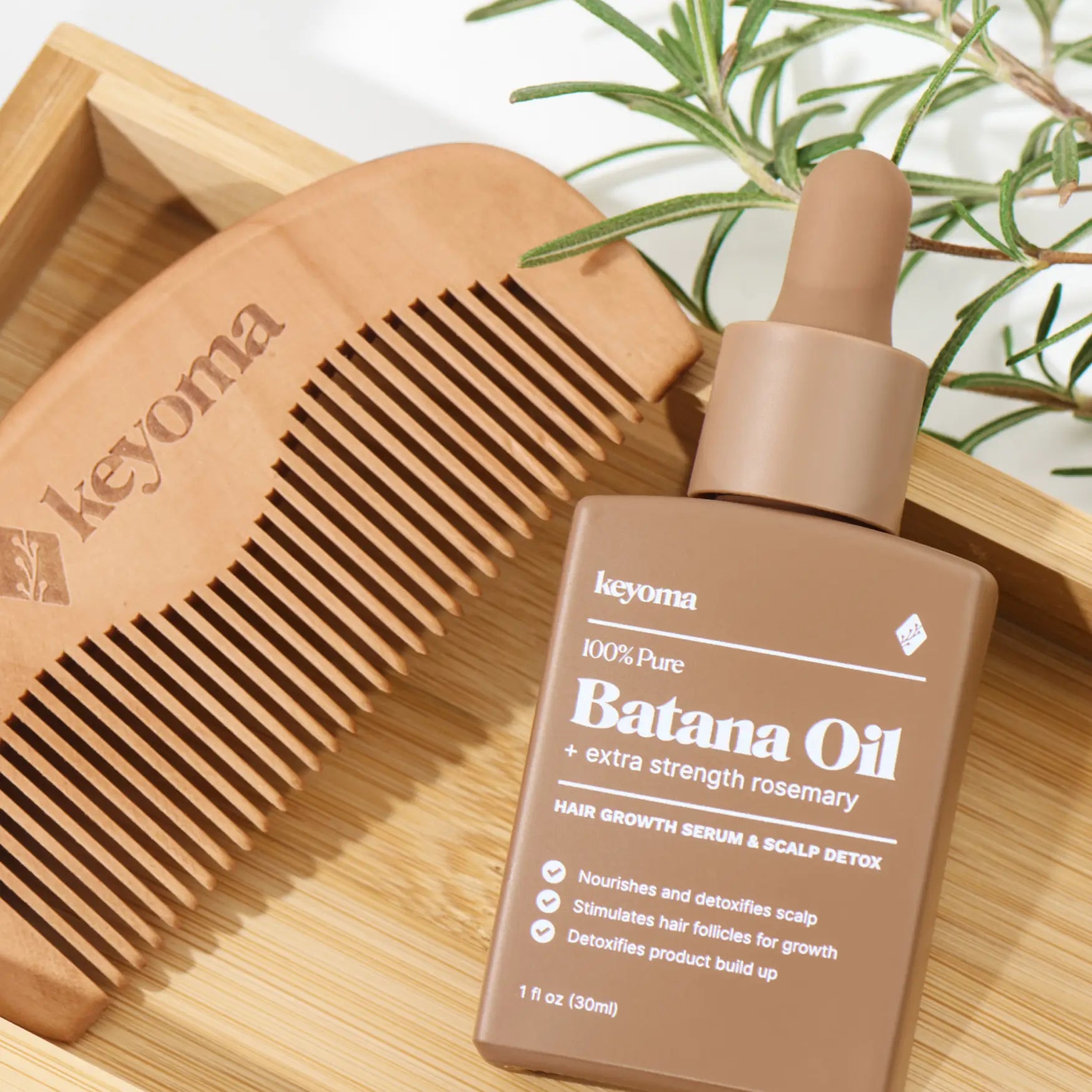
30% Off + 3 FREE Gifts
100% Pure Batana Oil + Rosemary
↓Best Batana Oil to Buy↓

1 Month
Subscribe & Save
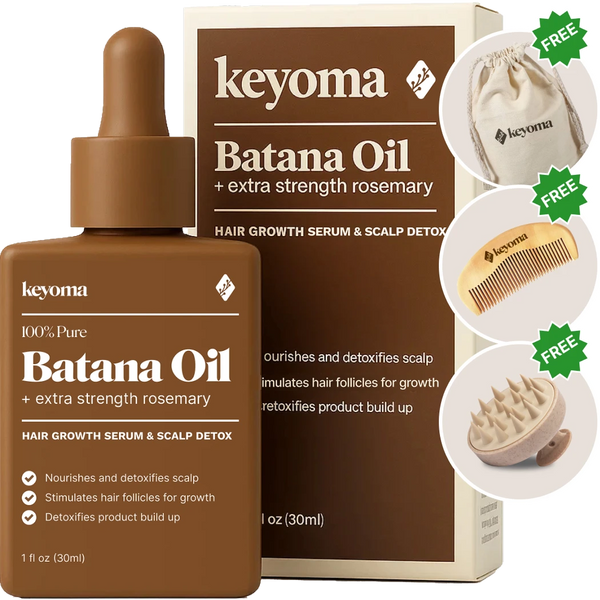


- 30-day supply delivered monthly $35
- 30% off for life $6
- Free haircare essentials kit $33
- Free custom wooden comb $10
- Free scalp massager $15
- Free eco-friendly travel bag $8
- 30-Day Money Back Guarantee
- Free Shipping
- Online portal for easy cancel, skip, or pause.
1 Month One Time Purchase
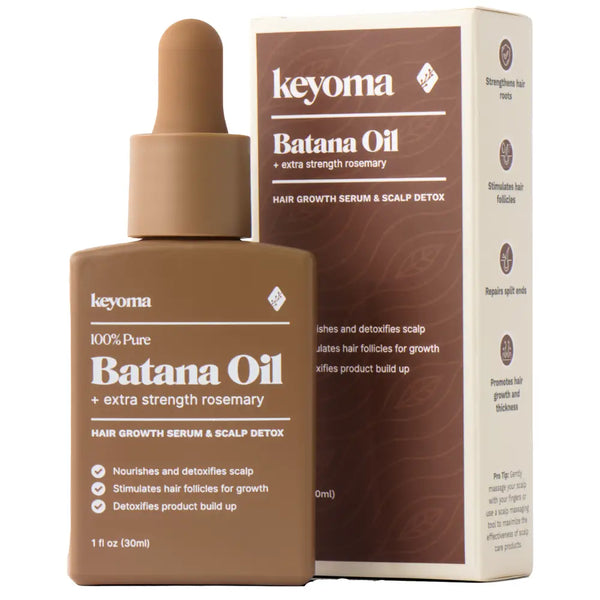
- 30-day supply $50
- 30% off for life $6
- Free haircare essentials kit $33
- Free custom wooden comb $10
- Free scalp massager $15
- Free eco-friendly travel bag $8
