

In this article
Hair oil for dry ends can help the last few inches feel softer, smoother, and less frizzy. The right oil adds slip, reduces friction, and helps brittle ends feel more flexible during styling.
Oil choice matters. A rich oil may work well before washing, while a lightweight oil may be better after styling. Fine hair can look greasy fast, but thick, coarse, curly, or damaged hair may need more cushion.
Hair oil cannot permanently repair split ends. It can smooth the look of frayed tips and help reduce breakage from dryness, but trimming is still needed once the strand has split.
Key Takeaways
-
Rich oils work best for very dry or coarse ends.
-
Lightweight oils suit fine hair and finishing.
-
Oils can smooth split ends, but not repair them.
-
Start small to avoid greasy or heavy hair.
How Hair Oil Helps Dry Ends
Hair oil helps dry ends by adding lubrication to the strand. Dry, rough ends tend to catch on each other, which can lead to tangles, frizz, and snapping. A small amount of oil can make the ends feel smoother and easier to manage.
Cleveland Clinic dermatologist Dr. Shilpi Khetarpal says a little oil goes a long way and notes that oils can be applied to the ends, spread from the middle of the hair down, then washed out after sitting for 20 minutes to an hour. That makes oil especially useful as a pre-wash step for dry, brittle, or tangly ends.
Oil is not a complete dry hair routine by itself. The American Academy of Dermatology recommends conditioner after every shampoo and advises letting shampoo rinse through the hair length instead of rubbing it into the strands. Conditioner and leave-in products still matter because they support softness, slip, and manageability in ways oil alone may not.
If you are comparing product types, hair oil vs. serum comes down to finish and feel. Oils usually add nourishment and slip, while serums often focus more on shine, smoothing, and styling polish.
Split ends need realistic expectations. Healthline notes that split ends cannot be repaired, and cutting them off is the only reliable way to remove them. Hair masks or moisturizers may help conceal split ends, but they do not make them go away.
7 Best Hair Oils for Dry Ends
The best hair oil for dry ends depends on your hair type, how dry your ends feel, and how you plan to use the oil. Some oils are better as a pre-wash treatment. Others work well in tiny amounts after styling.
Think of the list below as a matching guide, not a one-size-fits-all ranking. The strongest oil for brittle ends may be too heavy for fine hair, while the best lightweight oil may not be enough for coarse or damaged-feeling ends.
Batana Oil
Batana oil is a rich option for dry, frizzy, brittle, or damaged-feeling ends. It is best suited for hair that needs softness, slip, and a more cushioned feel, especially before washing.
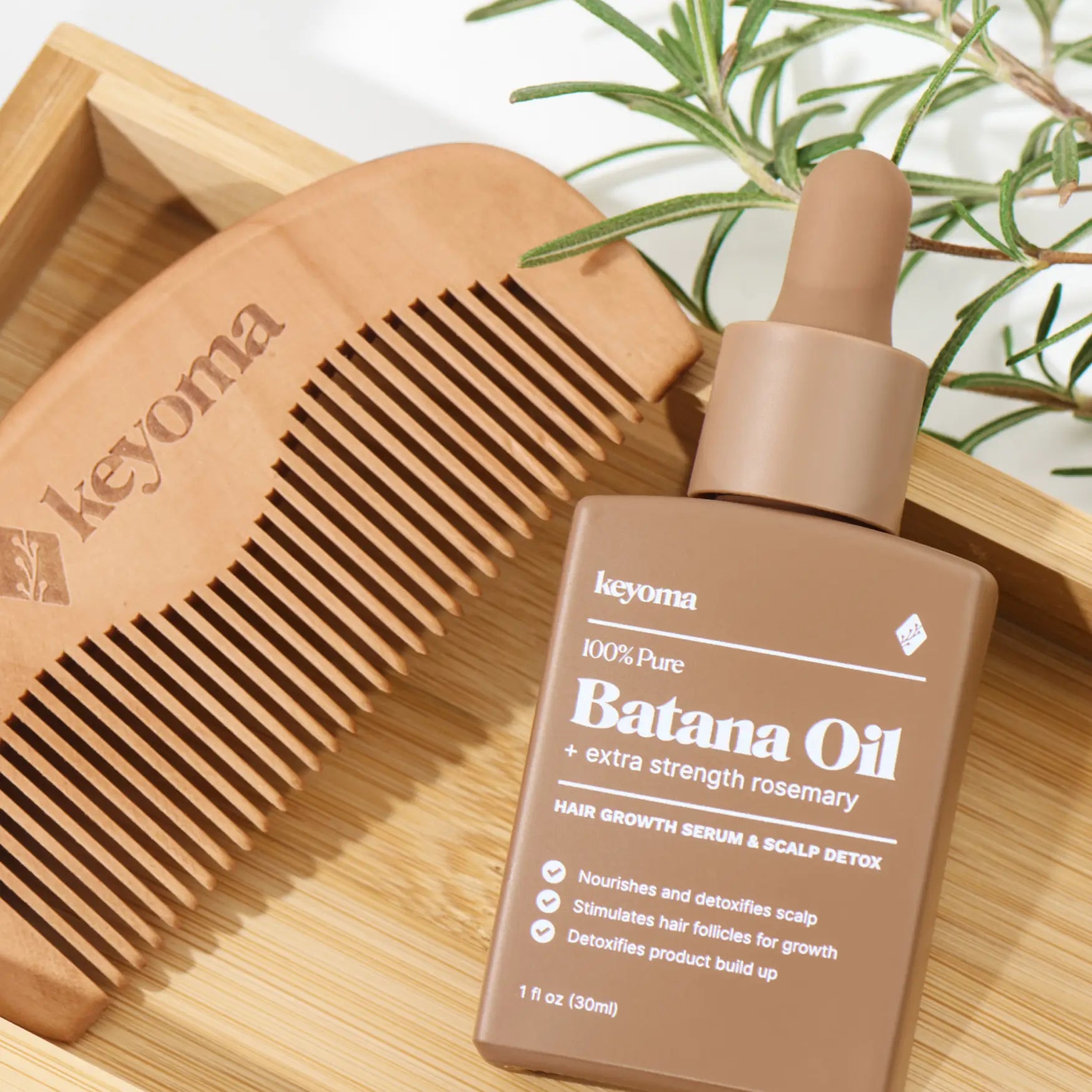
For dry ends, Keyoma Batana Oil fits best as a pre-wash oil or a very small end-focused finishing step. Use it mainly on the last few inches, not all over the roots, unless your scalp and hair type tolerate richer oils well.
Batana oil is not the best match for every head of hair. Fine or oily hair may prefer it as a short pre-wash step instead of a leave-in finish. Thick, coarse, curly, coily, or high-friction hair can usually handle richer oil better.
Argan Oil
Argan oil is a good choice when you want smoothness and shine without a very heavy feel. It often works well for frizzy dry ends, especially when used after styling in a small amount.
Argan can suit fine to medium hair better than heavier oils. It is also useful when the goal is a polished finish rather than a deep pre-wash treatment. If your ends get fluffy but not severely brittle, argan oil may be enough.
The main caution is overuse. Even a lighter oil can make the ends look stringy if you apply too much. Start with less than you think you need, then add more only if the ends still feel rough.
Coconut Oil
Coconut oil is a heavier oil that many people use before washing. It can be useful for dry, rough, or damaged-feeling ends that need more softness before shampoo.
Coconut oil may feel too heavy as a leave-in, especially on fine, straight, or low-density hair. It can also make some hair feel stiff if used too often or left in too long. For that reason, it is usually better as a pre-wash oil than a daily finishing oil.
If you are deciding between popular richer oils, batana oil vs. coconut oil can help you compare the feel, use case, and routine fit before choosing one.
Jojoba Oil
Jojoba oil is a lighter option for dry ends that need softness without a greasy finish. It is often a good fit for fine, medium, or oily-prone hair because it tends to feel less heavy than richer oils.
Use jojoba oil when your ends look dry but your hair gets weighed down easily. A drop or two can help smooth the last few inches after styling. It can also be mixed with a richer oil if you want a lighter pre-wash blend.
For people who dislike the feeling of heavy oil, jojoba is one of the easiest starting points. It gives enough slip for mild dryness without making the hair feel coated.
Avocado Oil
Avocado oil is richer and more conditioning in feel. It can work well for thick, coarse, curly, coily, or damaged-feeling ends that need more softness than a lightweight oil provides.
This oil is often better before washing or on damp ends in a very small amount. It may be too rich for fine hair as a leave-in, but it can be useful when the ends feel rough, puffy, or hard to detangle.
Avocado oil is a good middle ground for people who want a richer oil but find olive oil too heavy. Keep it away from the roots unless your scalp and hair density can handle extra oil.
Almond Oil
Almond oil is a lighter to medium option for dry ends, frizz, and dullness. It can give the ends a softer feel without the heaviness of olive oil or heavy coconut oil use.
Almond oil works well as a finishing oil for medium hair or as a mild pre-wash oil for fine to medium strands. It is also useful when your main goal is shine and smoother ends, not intense coating.
If your hair is very coarse or extremely dry, almond oil may not feel rich enough on its own. You can use it more often than a heavy oil, but the same rule applies: start with a small amount.
Olive Oil
Olive oil is one of the heaviest options on this list. It is best for thick, coarse, very dry, or highly textured ends that can handle a rich coating.
Use olive oil mainly as a pre-wash treatment. It can make hair feel softer, but it may leave fine or low-density hair limp if used as a leave-in. It can also be difficult to rinse out if you apply too much.
Olive oil is not the easiest choice for beginners. If your ends need major softness and your hair is dense enough, it can work. If your hair gets greasy quickly, choose argan, jojoba, or almond instead.
|
Oil |
Weight |
Best Use |
Best Hair Type |
Caution |
|
Batana oil |
Rich |
Pre-wash care or tiny end application |
Thick, coarse, curly, coily, brittle, or damaged-feeling hair |
May feel heavy on fine hair |
|
Argan oil |
Light to medium |
Shine, smoothing, frizz control |
Fine to medium hair, frizzy ends |
Can look greasy if overused |
|
Coconut oil |
Heavy |
Pre-wash treatment |
Dry, rough, damaged-feeling ends |
May feel stiff or heavy for some hair |
|
Jojoba oil |
Light |
Finishing and mild dryness |
Fine, medium, or oily-prone hair |
May not be enough for very coarse ends |
|
Avocado oil |
Medium to rich |
Softening and pre-wash care |
Thick, coarse, curly, or dry hair |
Can weigh down fine hair |
|
Almond oil |
Light to medium |
Shine and softening |
Fine to medium dry ends |
May be too light for severe dryness |
|
Olive oil |
Heavy |
Rich pre-wash treatment |
Thick, coarse, very dry hair |
Can be hard to rinse out |
How to Pick the Right Oil
The right oil should match your hair’s density, texture, dryness level, and routine. A heavy oil is not automatically better. A lightweight oil is not automatically weaker. The best match is the one that makes your ends feel softer without leaving them greasy, stiff, or coated.
Hair oil also works better when it has a clear role. Use it before washing if your ends feel brittle or tangly. Use it after styling if your main issue is frizz or dullness. Use it sparingly if your hair is fine or oily at the roots.
Fine Hair
Fine hair usually needs a lightweight oil for dry ends. Argan, jojoba, or almond oil often works better than coconut, olive, or avocado oil because fine strands can look greasy quickly.
Apply oil only to the last inch or two. Avoid the roots unless you are doing a short pre-wash treatment that you plan to rinse out. A lightweight oil for dry ends should make the tips feel smoother without making your style collapse.
Thick or Coarse Hair
Thick or coarse hair can usually handle richer oils. Batana, avocado, coconut, and olive oil may give better softness and slip when the ends feel dry, puffy, or hard to smooth.
The best method is often pre-wash oiling. Apply oil to dry ends, let it sit, then shampoo and condition. This gives the ends a richer treatment without leaving too much residue after styling.
Curly or Coily Hair
Curly and coily hair often has drier ends because natural oil from the scalp has a harder time moving down bends and coils. The ends may need more slip, more conditioning, and more friction control.
Richer oils can work well, especially on the last few inches. If frizz is your main concern, pair oil with a leave-in conditioner rather than using oil alone. A frizzy hair routine should focus on moisture, definition, and reducing friction, not just adding more oil.
Damaged or Color-Treated Hair
Damaged or color-treated hair often needs both conditioning and oil support. Oil can make the ends feel smoother, but it does not replace conditioner, leave-in care, bond-building products, heat protection, or trims.
The American Academy of Dermatology says leave-in conditioner can reduce frizz, static, and flyaways, make hair easier to detangle, and help reduce breakage. AAD dermatologists recommend applying leave-in from mid-strands to ends, not the scalp, to avoid buildup and irritation.
For damaged-feeling ends, choose oil based on weight. Batana or avocado may suit thick, brittle hair, while argan or almond may suit medium hair that needs shine and softness. If breakage is already visible, hair breakage treatments may help support the rest of the routine while you reduce heat and friction.
How to Oil Dry Ends
Oiling dry ends should feel simple. You do not need to coat the whole head, and you do not need to use a large amount. The goal is to smooth the driest area without making the hair heavy.
Cleveland Clinic’s hair oiling method recommends brushing or combing first, using a pea-sized amount, applying oil from the middle of the hair to the ends, and washing it out after 20 minutes to an hour when used as a treatment.
Start With a Few Drops
Start with a few drops because dry ends can become greasy fast. Rub the oil between your palms first, then touch the ends lightly.
For fine hair, one to two drops may be enough. For thick, coarse, curly, or coily hair, you may need more, but still build slowly. Adding more is easier than removing too much oil from finished hair.
Apply From Mid-Lengths Down
Apply oil from the mid-lengths down, focusing most of it on the driest ends. The roots usually do not need oil unless you are doing a pre-wash scalp or full-hair treatment.
For a pre-wash oil for dry ends, apply oil to dry hair before shampooing. For a finishing step, use much less and keep it only on the tips or outer frizzy areas.
Comb Through Gently
Comb through gently after applying oil so it spreads evenly. Use your fingers, a wide-tooth comb, or a soft detangling brush. Do not force through knots.
Healthline’s split-end prevention guidance notes that wet hair is vulnerable to damage and recommends gentle care after shampooing, detangling, hydration, reducing heat, and limiting friction to help prevent split ends and breakage.
If your ends catch often, oil may help with slip, but it should not be your only step. Conditioner and leave-in care are still important for detangling support.
Wash Out if Needed
Heavier oils should be washed out if they leave your ends sticky, limp, or coated. Batana, coconut, avocado, and olive oil may work better before shampoo than after styling, especially on fine or low-density hair.
How often to oil dry ends depends on your hair type. Fine hair may only need occasional pre-wash oiling or a tiny finishing amount. Thick, coarse, curly, or damaged-feeling hair may benefit from oil before most wash days. If your hair starts feeling waxy, dull, or heavy, use less oil or wash it out sooner.
For split-end support, oil can help reduce friction and improve the look of dry tips, but trims still matter. If your ends are frayed, oils that help prevent split ends should be used as prevention and smoothing support, not as a permanent fix.
Choose Hair Oil for Dry Ends Without Heaviness
Hair oil for dry ends works best when you match the oil to the hair problem. Batana, avocado, coconut, and olive oil suit richer pre-wash care for brittle or coarse ends. Argan, jojoba, and almond oil are better when you want lighter smoothing, shine, or frizz control.
Keep the routine balanced. Oil can soften the look and feel of dry ends, but conditioner, leave-in care, lower heat, gentle detangling, and trims still do important work. Start with a small amount, focus on the ends, and wash out heavier oils when they feel like too much.
Featured Product
30% Off + 3 FREE Gifts
100% Pure Batana Oil + Rosemary
↓Best Batana Oil to Buy↓

1 Month
Subscribe & Save
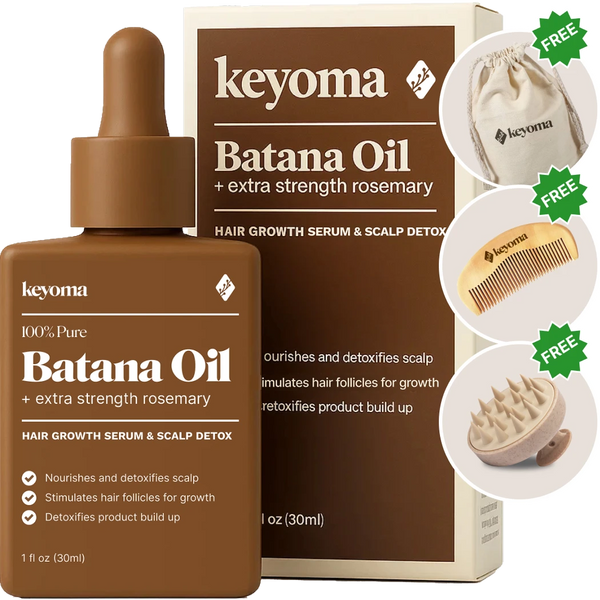


- 30-day supply delivered monthly $35
- 30% off for life $6
- Free haircare essentials kit $33
- Free custom wooden comb $10
- Free scalp massager $15
- Free eco-friendly travel bag $8
- 30-Day Money Back Guarantee
- Free Shipping
- Online portal for easy cancel, skip, or pause.
1 Month One Time Purchase
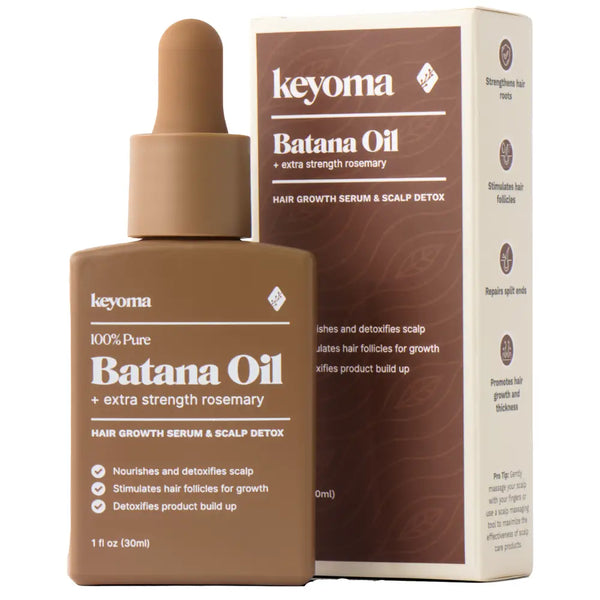
- 30-day supply $50
- 30% off for life $6
- Free haircare essentials kit $33
- Free custom wooden comb $10
- Free scalp massager $15
- Free eco-friendly travel bag $8
