

In this article
Avocados are not only for guacamole. Besides being tasty, this superfood can also work well in a hair care routine because it is rich in fatty acids and nourishing vitamins. Avocado hair masks, which are surprisingly simple to make at home, can be an affordable way to use the benefits of this natural ingredient.
Keep reading to learn the benefits of using an avocado hair mask and how to make seven different versions at home.
Key Takeaways
-
Avocado oil may moisturize dry hair and improve softness and manageability.
-
Oiling the strands may lower breakage by improving flexibility during brushing and styling.
-
Using it on the scalp may help with dryness and flaking when followed by regular washing.
-
Patch testing can help check for avocado sensitivity before using masks on the scalp.
What Is Avocado Oil?
Avocado oil is made by pressing the green flesh of a fresh avocado to draw the oil out of the fruit. Avocado oil is commonly used in different cosmetic and hair products because avocados contain rich nutrients. Organic avocado oil is one of the ingredients found in several of our products.
Benefits of an Avocado Hair Mask
Why use a mask instead of just eating the fruit? According to our experts, an avocado conditioning mask may quickly help turn dry, frizzy strands into hair that feels smoother and silkier. Below are some of the benefits of avocado for hair.
1. Natural Moisturizer
If you have curly hair, dryness may already be a regular issue. Because of curls and coils, the natural oil your scalp produces, called sebum, takes longer to travel down the full length of the strands. That is why your hair may need extra help with moisture. High levels of monounsaturated fatty acids, also known as the good fats, make avocados useful as a natural moisturizer for hair.
Weather extremes, like too much sun or the cold of winter, can leave hair dry. Using too much heat from styling tools can do the same. If you are not careful, that dryness can eventually lead to split ends and breakage.
2. May Prevent Hair Loss
The restorative properties of Vitamin E are tied to some of the healing benefits avocado is known for, which may support overall hair and scalp health.
Healthy hair usually starts with a healthy scalp. Scalp damage can slow down or interfere with hair retention. Vitamin E may help support scalp health by helping repair some of that damage, which in turn supports healthier hair. Its antioxidant properties may also help keep follicles clear so nutrients can reach them more easily and support longer, healthier hair.
3. May Help Prevent Breakage
Hair strands may break when they are dry and brittle. Coating the hair with a light layer of oil can make it more flexible. That may help reduce breakage when you brush it or tie it up.
You should also handle your hair gently if you want to limit breakage. A helpful way to detangle is to brush the ends first instead of dragging a brush from the top straight through the hair.
It is also better to avoid elastic bands and choose gentler hair ties, because tight or rough bands may damage the strands or roots.
Bleaching, heat treatments, and relaxing can all damage the hair.
Using avocado oil on your hair is unlikely to reverse severe damage, but it may help lower further breakage by lubricating the strands.
4. May Reduce Dandruff
Well-moisturized scalp skin can make hair look healthier. If the scalp feels dry or flaky, massaging oil into it before washing and conditioning may help.
Using avocado oil on the scalp may also help lessen how noticeable dandruff looks. Moisturizing the skin with oils can help keep it from drying out and flaking.
5. Detangling Hair
Applying avocado oil to the ends of the hair may help loosen tangles. Use your fingers to coat the ends with a small amount of oil so brushing feels smoother.
Then use a wide-toothed comb and gently work through the tangles until the hair starts to come apart. After that, you can switch to a finer comb or a hairbrush to keep brushing.
Ways to Use Avocado Oil for Hair
There are a few different ways you can apply avocado oil to the hair or scalp. You can buy avocado oil in supermarkets, health shops, or online.
Using avocado oil in the following ways may offer benefits for your hair:
1. Scalp Massage
According to the National Health Service in the United Kingdom, moisturizing the scalp by massaging oils into the base of the hair may help treat a dry, flaky scalp. If you do this regularly, it may also help prevent dandruff.
How to massage the scalp:
-
warm a small amount of oil in a bowl, either by placing it in hot water or microwaving it for a few seconds
-
gently part the hair and apply a little oil to the scalp with your fingertips or a cotton ball
-
massage the oil into the affected scalp areas using small circular motions with your fingertips
You may want to leave the oil on the scalp briefly so it can absorb before rinsing it out with your regular shampoo routine.
2. Hair Mask
You can also use mashed avocado as a hair mask. The oils in avocado may help lubricate the hair and make it look shinier and healthier.
How to make an avocado hair mask:
-
remove the peel and stone from an avocado, then mash half of it in a bowl
-
add 1 egg yolk and 1 tablespoon of honey
-
mix the ingredients together
-
apply the mask to clean, damp hair and leave it on for 30 minutes
-
rinse the hair well and dry it
If needed, you can use this as a hair treatment once a fortnight.
3. Conditioner
After washing your hair with shampoo, which can leave some people’s hair feeling drier, avocado oil may be used as an intensive conditioner. This may be especially helpful if your hair is dry or damaged.
After shampooing, put a small amount of avocado oil on your fingers and run them through your hair from root to tip. For me, a little oil usually went much farther than expected. Repeat only as much as needed to lightly coat the hair.
After leaving the avocado oil on the hair briefly, rinse it out with warm water.
How to Use Avocado for Hair Safely
Avocado is generally considered safe. Still, if you already know you are allergic to avocado, you should skip the mask because it may cause adverse side effects.
If you have never eaten avocado before but want to try it in a hair mask, it is best to do a skin patch test first. That means applying a small amount of avocado to your forearm.
Wait about 30 minutes. If your skin does not show signs of a reaction, such as redness, itching, or stinging, it should be fine to use on your scalp and hair.
Use Avocado for Hair for Softer, Healthier Strands
Explore Keyoma’s blog for natural hair care when your strands need moisture that supports them instead of working against them. Healthy-looking hair is often less about chasing dramatic fixes and more about choosing ingredients that support softness, flexibility, and scalp comfort together.
That matters because hair usually holds onto length better when it stays nourished enough to avoid unnecessary breakage. One detail worth remembering is that an avocado hair mask may be used once a fortnight if needed, which shows that even natural treatments tend to work best when they support the hair instead of overwhelming it.
Once you understand that balance more clearly, it becomes easier to make calmer, smarter choices that support stronger hair over time.
Featured Product
30% Off + 3 FREE Gifts
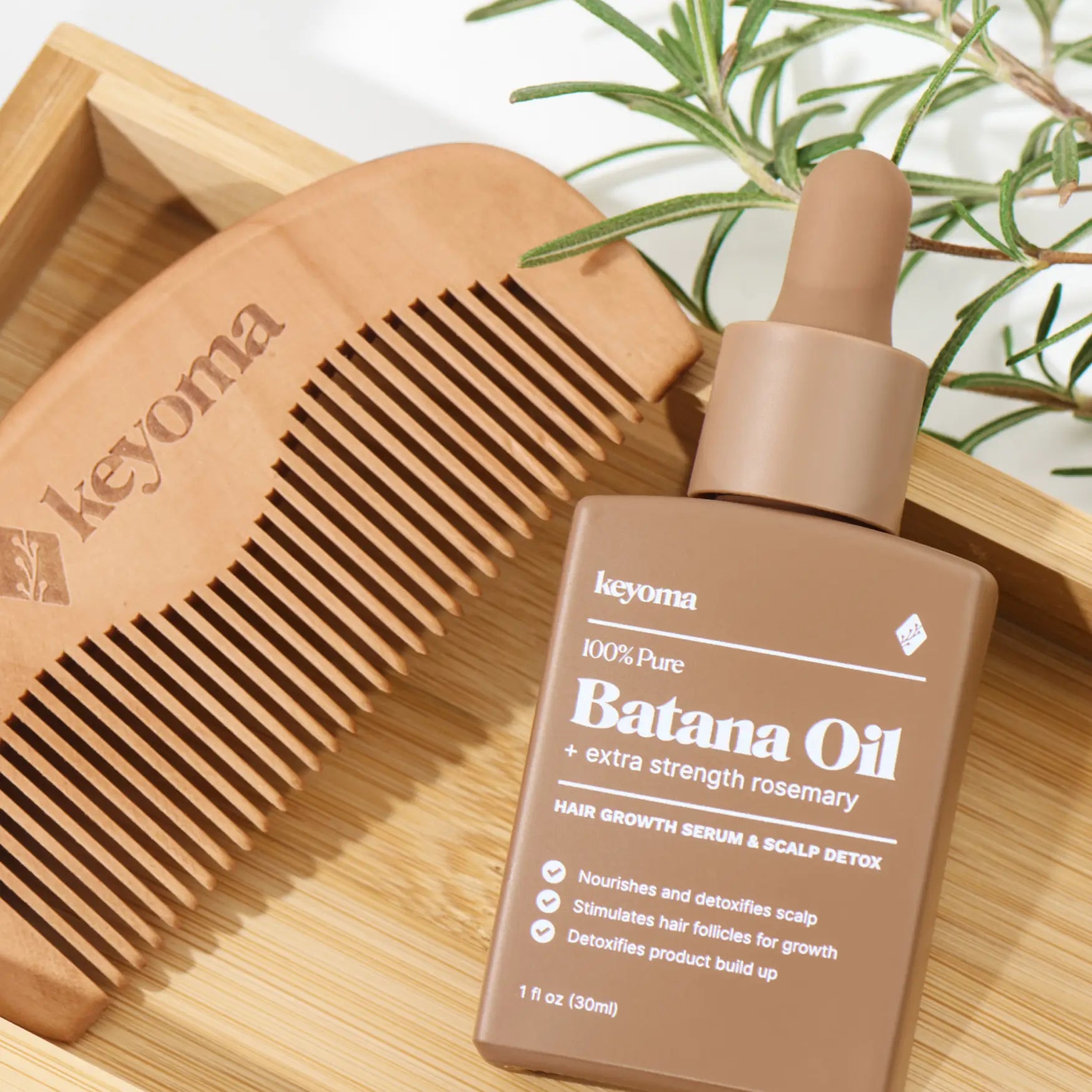
100% Pure Batana Oil + Rosemary


