Hair Loss Kit for Men: The No-Fuss Setup That Covers Basics
Written by

Published on Feb 17, 2026

In this article
Hair loss almost never shows up overnight. It creeps in. One little more hair in the sink. One wider part. One thinner crown under bright light. One lot of guys respond by buying random products and hoping something sticks.
One smarter move is building a simple system. One hair loss kit for men gives your scalp consistency instead of chaos. The right oil. That right cleanser. The right tools. Used the right way.
If you want a natural routine that supports thicker‑looking hair without overcomplicating your mornings, this guide breaks down exactly what to include plus how to use it.
Key Takeaways
-
A small essentials kit supports scalp health, reduces breakage, and makes consistency easier.
-
Hair oil conditions the scalp, reduces dryness, and helps strands bend without snapping.
-
Gentle shampoo cleans buildup without stripping, helping avoid irritation and mechanical shedding.
-
Weekly masks add moisture and flexibility, so thinning hair can look fuller.
Why a Hair Loss Kit Works Better Than Random Products
They fail because they never built a system. One lot of guys don’t fail at hair care because they picked the “wrong” product.
Random products mean random results. One week you’re using a heavy oil. The next week you switch shampoos. Then you stop altogether because it feels like nothing is working. Your scalp never gets consistency, plus consistency is what actually supports stronger, healthier‑looking hair over time.
Instead of guessing, you create a repeatable routine. One hair loss kit changes that. Each product has a job. The oil supports scalp conditioning. The shampoo cleans without stripping. The tools improve circulation and reduce breakage. Everything works together.
Small, steady inputs done weekly beat occasional effort every time. Think of it this way. You wouldn’t go to the gym once, lift a random weight, and expect visible muscle. Hair care works the same way.
No more standing in the shower wondering what to use. When you build a kit, you remove friction. No more impulse buys. Just a simple system you can follow without thinking. And that’s what makes it sustainable.
Who Should Build a Natural Hair Loss Kit
Short answer? Most guys noticing early changes.
You don’t need dramatic bald spots to take action. In fact, the earlier you build a routine, the better your odds of maintaining thicker‑looking hair.
A natural hair loss kit makes sense if you:
-
Notice thinning at the crown or along the hairline
-
See more strands on your pillow, in the shower, or in your brush
-
Feel like your hair looks flatter or less dense than it used to
-
Deal with a dry, tight, or irritated scalp
-
Want a low‑maintenance routine that doesn’t rely on harsh ingredients
It’s also for guys who are tired of guessing. If you’ve tried one product here and another there without sticking to anything long enough to see change, a kit gives you structure.
And if your hair still looks fine but you have a family history of thinning, building a simple system now can help you stay ahead of it. Prevention is easier than trying to reverse visible loss.
You don’t need a complicated 12‑step regimen. You need consistency. A natural kit gives you that without turning your bathroom counter into a science experiment.
How to Build a Natural Hair Loss Kit for Men

Building a natural hair loss kit isn’t about stuffing your shelf with products. It’s about choosing a few essentials that work together and actually fit your routine.
You want tools that support your scalp, reduce breakage, and make consistency easy. Nothing complicated. Nothing you’ll quit after two weeks. In the next section, we’ll break down exactly what to include and why each piece earns its spot.
What to Include in a Men’s Hair Loss Kit
A good kit is small on purpose.
Every item should do one job well. No filler. No trend products you’ll stop using in a month.
You’re covering three priorities:
-
Support your scalp health
-
Minimize breakage and shedding
-
Make consistency almost automatic
That usually means a tight lineup of essentials:
-
A targeted oil for scalp conditioning
-
A gentle cleanser that won’t strip natural oils
-
A tool that reduces mechanical damage
-
A simple way to boost circulation
-
A weekly treatment for deeper moisture
If it feels complicated, it won’t last. The best hair loss kits are easy to repeat. Same steps. Same order. Week after week.
Below, we break down what each piece does and how it fits into the system.
Hair Oil
Hair oil is your foundation. It conditions the scalp. It reduces dryness. It makes hair more flexible, which means less snapping and less visible breakage.
You are not drenching your head every day. You are improving the environment your hair grows from.
-
Batana oil: Rich in fatty acids that help soften brittle strands and seal in moisture. A hydrated scalp looks healthier and supports stronger‑feeling hair over time.
-
Rosemary oil: Studied for its potential to support scalp circulation. Better circulation can help deliver oxygen and nutrients to hair follicles.
-
Castor oil: Thick and occlusive. Helps reduce moisture loss and can make hair look denser and shinier.
-
Pumpkin seed oil: Contains compounds linked to supporting healthy hair growth patterns in men.
-
Peppermint oil: Creates a cooling sensation that may stimulate blood flow at the scalp level.
-
Argan oil: Lightweight and rich in antioxidants. Helps smooth the cuticle and reduce visible frizz and breakage.
-
Jojoba oil: Similar to your scalp’s natural sebum. Helps balance oil levels without clogging pores.
You do not need all of these. Pick one or two that fit your scalp type. Massage it in. Let it sit. Rinse out. Repeat weekly. Consistency is what makes the difference.
Gentle Shampoo
Your shampoo sets the tone for everything else. If it strips your scalp dry, your oil has to work overtime. If it leaves buildup behind, your follicles never get a clean surface. The goal is simple. Clean without overcorrecting.
Look for formulas that:
-
Remove sweat, excess oil, and product buildup
-
Protect your natural moisture barrier
-
Avoid harsh sulfates that leave hair brittle
-
Support a balanced, healthy‑feeling scalp
A gentle shampoo helps reduce irritation and dryness. Less irritation means less scratching. Less scratching means less mechanical shedding.
Used consistently, it keeps your scalp in a stable place. Not too oily. Not too tight. Just clean enough to support stronger‑looking hair over time.
Hair Brush
Your brush matters more than you think. Rough bristles. Aggressive pulling. Brushing wet hair without control. That’s how you turn fragile strands into unnecessary shedding.
A good brush helps you:
-
Detangle without ripping through knots
-
Distribute natural oils from scalp to ends
-
Reduce mechanical breakage
-
Keep styling controlled and consistent
Look for wide teeth or flexible bristles if your hair is thinning. If you brush when it’s damp, be even gentler. Wet hair stretches more easily and snaps faster.
You are not brushing to force growth. You are brushing to protect what you have.
Used correctly, the right brush lowers daily stress on your strands. And less daily stress adds up over time.
Scalp Massage Tool
A scalp massage tool does one thing well. It increases stimulation at the scalp level. That can help improve circulation and loosen buildup around follicles. It also makes oil application more effective.
You have a few solid options:
-
Silicone scalp massager: Soft, flexible bristles. Great for use in the shower with shampoo. Helps lift buildup without scratching.
-
Wooden massage brush: Firmer feel. Good for dry scalp massage before applying oil. Adds light stimulation without being harsh.
-
Electric scalp massager: Hands‑free and consistent pressure. Useful if you want a set routine without guessing how much force to use.
-
Manual finger massage: No tool required. Just controlled, circular pressure using your fingertips. Simple. Effective. Free.
If your scalp is sensitive, stick with soft silicone. If you deal with buildup, use it during shampoo. If you apply oil weekly, massage for 3 to 5 minutes before rinsing.
You are not trying to scrub your scalp raw. You are creating steady stimulation with minimal stress. Like everything else in your kit, consistency beats intensity.
Weekly Hair Mask
A weekly mask goes deeper than your daily shampoo. It helps restore moisture, improve softness, and reduce the brittle texture that makes thinning hair look worse.
You are not just chasing shine. You are improving flexibility. Flexible strands break less. Less breakage means fuller‑looking hair over time.
Here are strong options depending on your goal:
-
Hydrating mask: Best for dry or rough hair. Look for ingredients like shea butter, aloe, or lightweight plant oils that help restore moisture without weighing hair down.
-
Protein mask: Helpful if your hair feels weak or overly elastic. Small amounts of protein can temporarily strengthen the hair shaft and reduce snapping.
-
Scalp‑focused mask: Designed to calm irritation and reduce flaking. Ingredients like tea tree, rosemary, or niacinamide can support a healthier scalp environment.
-
Oil‑based DIY mask: Using batana oil, rosemary oil, or a blend with pumpkin seed oil before shampooing can help condition the scalp and soften strands in one step.
Use it once a week. Let it sit long enough to actually work. Rinse thoroughly. Keep it simple.
This is not about turning your routine into a spa day. It is about giving your hair consistent, structured support so it looks thicker and healthier month after month.
Microfiber Towel
Drying your hair shouldn’t undo everything else you just did. Regular bath towels are rough. They create friction. Friction leads to frizz, breakage, and unnecessary shedding, especially when hair is wet and at its most fragile.
A microfiber towel helps you:
-
Reduce surface friction
-
Minimize tugging and pulling
-
Cut down drying time without aggressive rubbing
-
Protect thinning areas from daily stress
Instead of scrubbing your hair dry, gently press and blot. Let the fabric absorb the moisture. No twisting. No wringing.
It seems small. But daily friction adds up. A microfiber towel is a simple upgrade that protects the progress your oils, shampoo, and masks are working to build.
Beard Trimmer or Razor (Optional Grooming Control)
This one isn’t about growth. It’s about control. When hair starts thinning, contrast becomes more visible. Uneven edges. Patchy facial hair. A messy neckline that draws attention upward.
A trimmer or razor helps you:
-
Keep your hairline clean and intentional
-
Maintain shorter styles that make thinning less obvious
-
Blend beard and haircut for a sharper overall look
-
Reduce visual contrast between dense and thinner areas
Electric trimmer: Best for maintaining stubble or a short, even beard. Gives you consistency without going too close.
Detail trimmer: Ideal for cleaning up edges around the temples, neckline, and sideburns.
Razor: Useful if you prefer a clean shave or want to fully commit to a shorter, more uniform look.
Sometimes the fastest way to look better isn’t adding more products. It’s tightening the details. Clean lines. Even length. Controlled shape.
You can’t control genetics. But you can control presentation. And presentation changes how thinning hair is perceived.
How to Use the Kit as a Simple Weekly System
A kit only works if you actually use it. The goal isn’t perfection. It’s repetition. Same steps. Same order. Week after week.
Here’s what a simple system can look like:
2 to 3 times per week:
-
Use your gentle shampoo. Clean the scalp without over‑scrubbing.
-
Massage lightly with your scalp tool for a few minutes to lift buildup and stimulate circulation.
Once per week:
-
Apply your hair oil to the scalp. Massage for 3 to 5 minutes. Let it sit before rinsing.
-
Follow with shampoo to remove excess oil without stripping.
-
Use your weekly mask after cleansing. Let it sit long enough to actually condition the strands.
Daily:
-
Pat dry with a microfiber towel. No aggressive rubbing.
-
Brush gently to distribute natural oils and reduce tangles.
-
Keep your grooming tight with a trimmer if needed.
That’s it. You are not stacking five new steps into your morning. You are creating a rhythm your scalp can adapt to.
When you remove randomness, you reduce stress. And when you reduce stress on your scalp and strands, you give your hair a better chance to look fuller and healthier over time.
Get a Hair Loss Kit for Men With the Keyoma Starter Kit
Build your kit around pure batana oil so your routine stops changing every week. The real win is consistency, because random swaps keep your scalp in “reset mode” and make results hard to notice. In this system, batana oil earns its spot by supporting flexibility and moisture so strands feel less brittle and look fuller over time.
Fewer snapped hairs, less roughness, and a scalp that feels calm instead of tight. When you treat your kit like a set of tools with clear jobs, you remove the guesswork and the drop-off that kills most routines, and you give your hair a fair chance to look stronger.
Featured Product
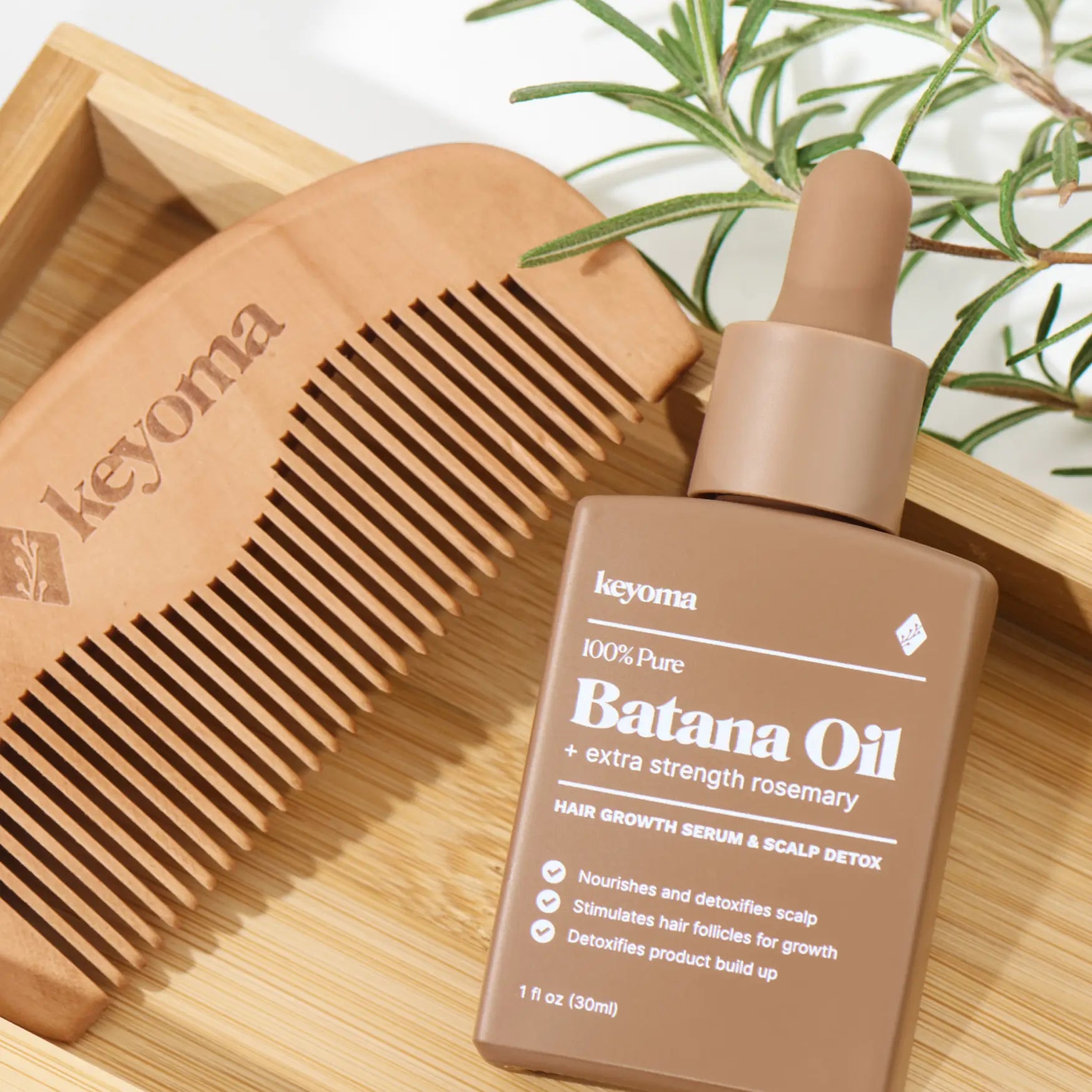
30% Off + 3 FREE Gifts
100% Pure Batana Oil + Rosemary
↓Best Batana Oil to Buy↓

1 Month
Subscribe & Save
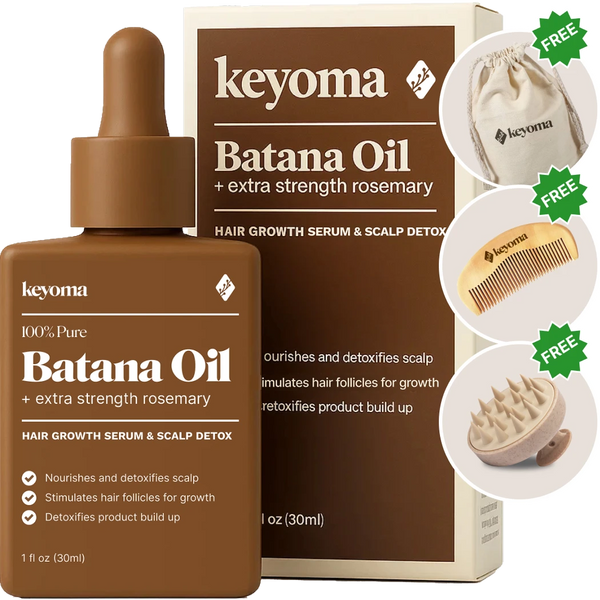


- 30-day supply delivered monthly $35
- 30% off for life $6
- Free haircare essentials kit $33
- Free custom wooden comb $10
- Free scalp massager $15
- Free eco-friendly travel bag $8
- 30-Day Money Back Guarantee
- Free Shipping
- Online portal for easy cancel, skip, or pause.
1 Month One Time Purchase
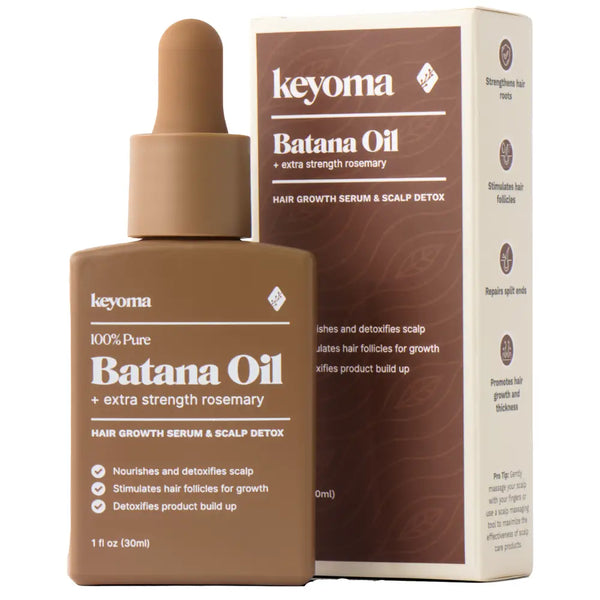
- 30-day supply $50
- 30% off for life $6
- Free haircare essentials kit $33
- Free custom wooden comb $10
- Free scalp massager $15
- Free eco-friendly travel bag $8
