

In this article
Hair oil may be okay if your scalp feels dry, tight, and calm. That means the itch is mild, the skin does not feel hot or sore, and you do not see obvious redness, broken skin, heavy flakes, or greasy buildup.
Oiling may be the wrong move if your scalp already feels irritated, burning, flaky, greasy, sore, or reactive after using a product. In those cases, adding more oil can make the scalp harder to read and may leave you guessing whether the itch is dryness, residue, dandruff-like flaking, or a product reaction.
Use oil as a careful decision, not an automatic fix. Hair oil is not medical treatment for itching, and it should not be used to cover up symptoms that are getting worse.
Why Do Your Scalp Itch?
An itchy scalp can come from several different issues, so it is risky to assume your scalp simply needs oil. The American Academy of Dermatology says relief begins with finding out why your scalp itches, and it lists causes such as dandruff and reactions to hair care products.
Dryness can feel tight, stripped, or uncomfortable after washing. In that case, a light oil may feel useful because the scalp seems under-conditioned rather than inflamed. If the pattern sounds familiar, it may help to compare your symptoms with common signs of dry scalp before adding more products.
Product irritation is different. A shampoo, styling cream, fragrance, essential oil blend, or leave-in product can make the scalp itch because the skin is reacting to something touching it. Contact dermatitis often starts with itchy skin and may be followed by rash or blisters when something irritates the skin or triggers an allergic reaction, according to the AAD.
Buildup can also create itch. Oils, butters, dry shampoo, gels, and styling products may sit on the scalp and mix with sweat, flakes, and natural sebum. When the scalp feels coated or greasy, more oil usually adds to the layer instead of solving the discomfort. That is why product buildup should be part of the decision before you oil again.
When Hair Oil May Be Okay
A small amount of oil may be reasonable when the scalp feels dry but otherwise calm. The goal is not to drown the scalp in product. It is to add a light layer and see whether the scalp feels more comfortable without becoming greasy, tender, or itchier.
Hair oiling also depends on your hair type, scalp condition, and the product used. Cleveland Clinic notes that applying oil directly to the scalp may not work for everyone, and some people who are prone to dandruff may need to avoid oils on the scalp.
Your Scalp Feels Dry, Tight, and Calm
The clearest “maybe” situation is a scalp that feels dry, tight, and only mildly itchy. The skin should not feel hot, sore, raw, or broken. You should also avoid oiling if you have open scratches from rubbing or picking.
A light touch matters here. If you want a simpler oil routine, Pure Batana Oil can fit better into this kind of calm, dry-scalp situation than a more active-feeling essential oil blend. Use only a small amount and stop if the itch increases.
You Already Know Your Scalp Tolerates the Oil
A familiar oil is usually safer than trying a new product while your scalp already feels sensitive. If you have used the same oil before without burning, stinging, redness, or lingering itch, your scalp is giving you more information.
A new oil, new fragrance, new essential oil blend, or new scalp serum should be treated more carefully. When the scalp is already itchy, it becomes harder to tell whether the product helped, did nothing, or made the reaction worse.
You Use a Small Amount
Heavy oiling can create buildup, especially near the roots. Even when an oil is well tolerated, using too much can leave the scalp coated and make washing harder.
Start with less than you think you need. Apply lightly to the areas that feel dry, avoid scratching while applying, and do not keep adding more oil because the scalp still itches right away. If oil repeatedly leaves your roots greasy or uncomfortable, it may be worth reviewing the side effects of hair oiling before continuing.
When You Should Avoid Oiling an Itchy Scalp
Oiling is not a good idea when the scalp is showing signs of irritation, reaction, or buildup. In those moments, the priority is to simplify the routine and watch what the scalp does without extra product.
Pause oiling if you notice:
-
Burning, stinging, or heat on the scalp.
-
Redness, soreness, rash, or tenderness.
-
Broken skin, scratches, scabs, or sores.
-
Greasy roots, residue, or a coated scalp.
-
Heavy flakes or itching that started after using an oil or new product.
Greasy or flaky symptoms need extra caution. Cleveland Clinic describes seborrheic dermatitis as a condition that can cause itchy, scaly, greasy patches on the scalp, with symptoms that may include dry or greasy scaling, white to yellow flaking, and itch.
If your scalp is already reacting, adding more product can make the problem harder to read. You may not know whether the itch is from the original issue, the oil, the amount used, the fragrance, an essential oil, or residue left behind after washing.
What If Your Scalp Gets Itchy After Oiling?
If your scalp gets itchy after oiling, stop using that oil for now. Do not try to fix the reaction by layering another active product over it. More ingredients can make the scalp more confused and may make the irritation worse.
Wash gently to remove residue. Use a simple shampoo you already tolerate, avoid aggressive scrubbing, and keep the routine plain for a few days. A calm reset helps you see whether the itch improves once the oil is removed.
Before trying the same product again, consider a patch test hair oil approach. Patch testing cannot guarantee you will never react, but it is a more careful step than applying a product across an already sensitive scalp.
Get professional help if itching is severe, painful, persistent, spreading, or paired with rash, swelling, sores, bleeding, or unusual shedding from scratching. Cleveland Clinic advises calling a healthcare provider for rashes that hurt, itch constantly, look infected, blister, or do not go away with treatment.
Is It Dryness, Irritation, or Buildup?
The same word, “itchy,” can describe very different scalp problems. A dry scalp, an irritated scalp, and a buildup-prone scalp can all itch, but they do not respond to oil the same way.
A practical check is to look at the feeling, the timing, and the scalp surface. When the itch started after washing, after applying a product, or after skipping wash day can tell you more than the itch alone.
Dryness Usually Feels Tight or Stripped
Dryness often feels tight, especially after shampooing. The scalp may feel mildly itchy without looking angry or wet. Flaking can happen, but it is often lighter and drier rather than greasy or sticky.
Oil may be considered in this situation if the scalp is calm. Use a small amount, keep it short-contact if you are unsure, and rinse if the scalp starts to feel coated. If dryness keeps coming back, a gentler wash routine may matter more than adding heavier oil.
Irritation Often Feels Hot, Sore, or Stingy
Irritation tends to feel sharper than dryness. The scalp may burn, sting, feel tender, or itch soon after using a product. You may also notice redness, bumps, rash, or discomfort when you touch the area.
Essential oils need special care here. A dermatology review notes that contact dermatitis and photoallergic dermatitis are common concerns with popular essential oils, and clinicians should caution patients about risks.
When irritation is possible, pause the product that came before the itch. Do not keep testing the scalp with stronger blends, more oil, or longer leave-on time.
Buildup Often Feels Greasy or Coated
Buildup often feels like residue. Your roots may look oily soon after washing, flakes may seem mixed with product, or the scalp may itch more after adding oil.
In this case, oil is usually not the first move. You may need a cleaner reset, better rinsing, or less product near the roots. If you keep repeating the same cycle, the article on when to stop scalp oiling can help you decide when oiling is no longer helping.
What About Batana Oil and Rosemary Oil?
Batana oil and rosemary oil do not belong in the same caution category. Batana oil is used more like a carrier or conditioning oil, while rosemary is an essential oil ingredient that often appears in blends. A calm scalp may handle them differently than a scalp that is burning, flaky, or newly reactive.
Pure batana oil may be a better fit when the scalp feels dry but calm, especially if you want a simpler oil routine. It should still be used lightly. Stop if itching increases, your roots feel coated, or your scalp feels sore after use.
Rosemary blends need more caution because essential oil blends can feel more active on sensitive scalps. A rosemary and batana oil routine may make sense for some users, but it is not the best first choice when the scalp is already burning, irritated, broken, or newly reactive.
Cleveland Clinic also warns against using essential oils like tea tree oil during contact dermatitis symptoms unless a healthcare provider says it is appropriate, because adding new products during a reaction can irritate the rash and make it worse.
Choose Oil on Itchy Scalp With More Confidence
Hair oil is not automatically good or bad for an itchy scalp. The better answer depends on what your scalp is telling you.
If your scalp feels dry and calm, a small amount of a familiar oil may be fine. If your scalp feels irritated, coated, flaky, sore, or reactive, pause first and keep your routine simple. The safest choice is the one that helps you understand the itch instead of hiding it under more product.
Featured Product
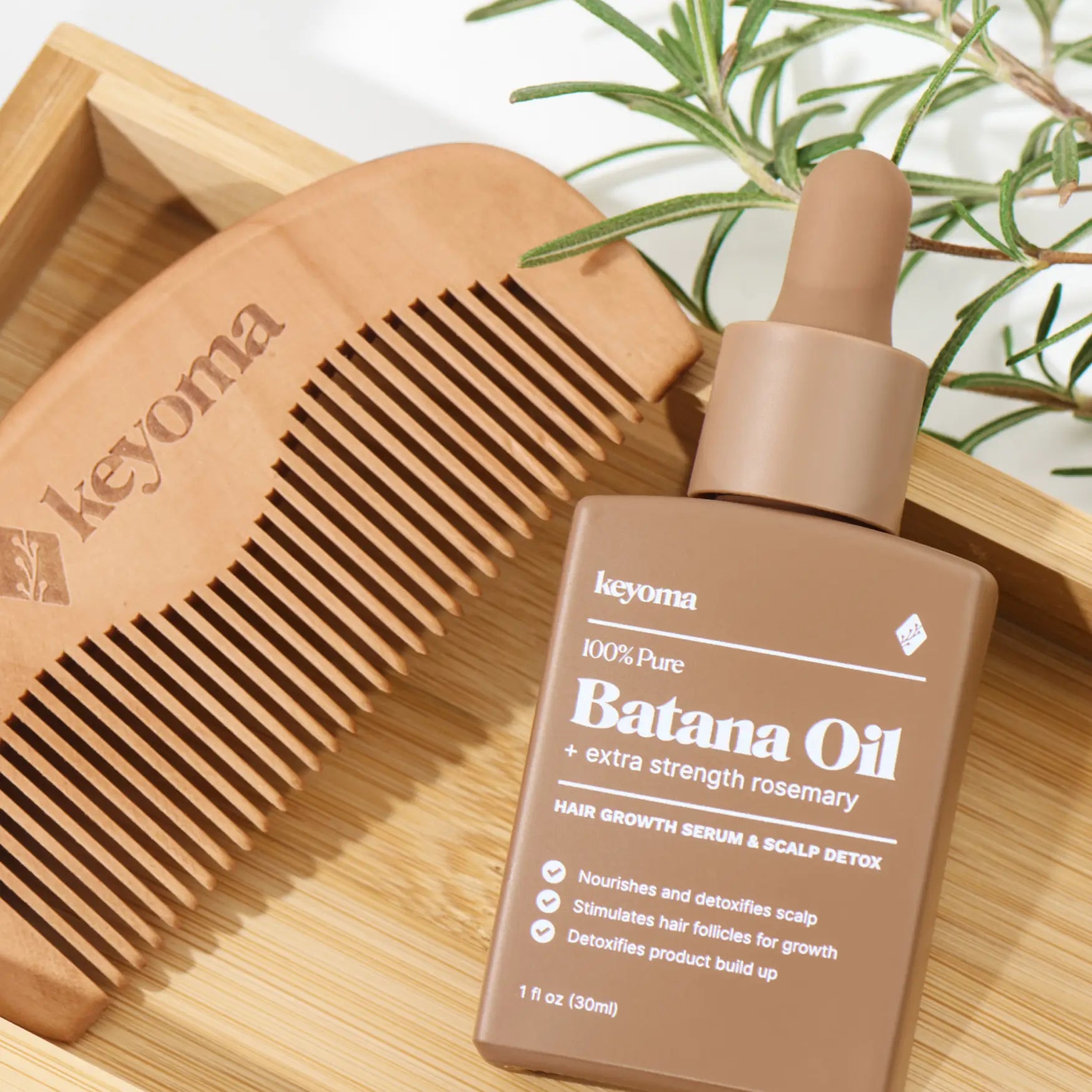
30% Off + 3 FREE Gifts
100% Pure Batana Oil + Rosemary
↓Best Batana Oil to Buy↓

1 Month
Subscribe & Save
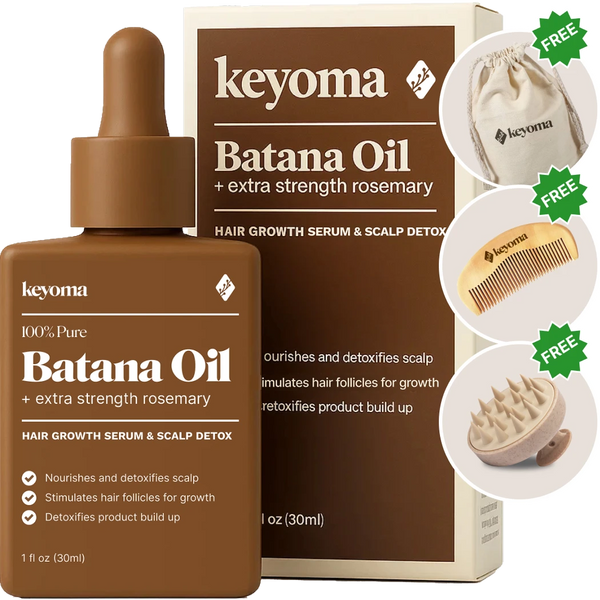


- 30-day supply delivered monthly $35
- 30% off for life $6
- Free haircare essentials kit $33
- Free custom wooden comb $10
- Free scalp massager $15
- Free eco-friendly travel bag $8
- 30-Day Money Back Guarantee
- Free Shipping
- Online portal for easy cancel, skip, or pause.
1 Month One Time Purchase
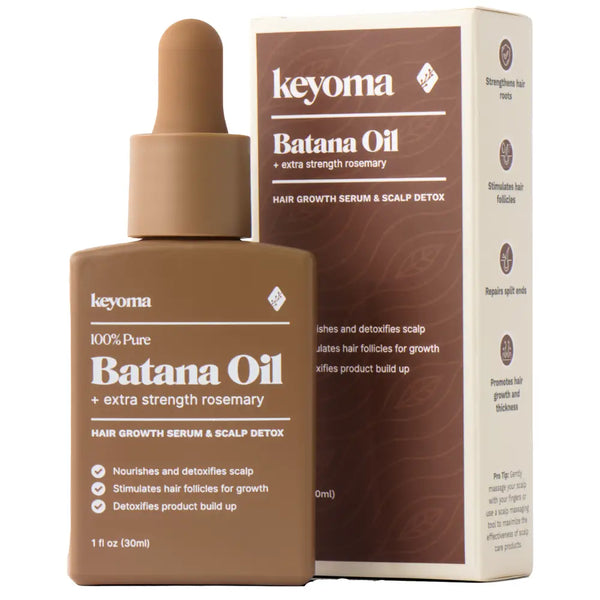
- 30-day supply $50
- 30% off for life $6
- Free haircare essentials kit $33
- Free custom wooden comb $10
- Free scalp massager $15
- Free eco-friendly travel bag $8
