

In this article
Hair oils can help with dryness and shine. But if your scalp doesn’t tolerate a formula, it can turn into itching, redness, and a lot of regret.
A patch test is how you avoid the “I should’ve known” moment. It’s quick, it’s simple, and it can save your scalp from unnecessary irritation.
Key Takeaways
-
Patch testing hair oil helps prevent itching, redness, and irritation that can worsen.
-
Sensitive skin, dandruff, thinning, or fragranced oils make patch testing especially important.
-
Test behind the ear or inner forearm, then wait 24 to 48 hours.
-
Burning, spreading redness, swelling, bumps, or delayed rash means stop and wash off.
What Is a Patch Test and Why It Matters
A patch test is a small trial on a small area of skin. You apply a tiny amount of hair oil and wait to see if your skin reacts.
Why it matters: scalp reactions often start small and get worse when you keep applying the product. Irritation can lead to more scratching, more inflammation, and in some cases, more shedding. Even if the shedding is temporary, it’s still something most people want to avoid.
And “natural” doesn’t automatically mean “gentle.” Plenty of natural ingredients can trigger reactions, especially in leave-on products.
Who Should Always Patch Test Hair Oil
If you’ve never reacted to a hair product in your life, you might be tempted to skip this.
Don’t.
You should always patch test if:
-
You have sensitive skin
-
You’ve had itching, redness, or flaking from hair products
-
You deal with a reactive scalp or dandruff
-
You’ve had eczema or contact reactions before
-
You’re already dealing with thinning and want to avoid extra scalp stress
-
You’re trying an oil with essential oils or added fragrance
-
You’re trying a new brand, even if the ingredient list looks similar
If your scalp is already irritated, your tolerance is usually lower. That’s exactly when a patch test matters most.
Where to Patch Test Hair Oil
You want an area that gives you a realistic read without risking your scalp.
Best options:
-
Behind the ear: closer to scalp sensitivity
-
Inner forearm: easy to monitor
Pick a patch about 1 inch wide.
Avoid areas with cuts, rash, or active irritation. If the skin barrier is already damaged, you won’t know if the oil is the problem or the skin is just inflamed.
How to Patch Test Hair Oil Step by Step

Knowing you should patch test is one thing. Doing it correctly is another. Small details matter here, like how much you apply, where you test, and how long you wait. Follow these steps closely so you get a clear answer, not a false sense of security.
Step 1 Clean the Area
Wash the area with mild soap and lukewarm water, then pat dry. Use a clean towel. Don’t scrub. Skip lotion, deodorant, perfume, or any other product on that spot. You want a clean test. If you used anything there earlier, rinse again and wait until the skin feels calm and dry.
Step 2 Apply a Small Amount
Use a pea-sized amount. Less is the point here.Spread it thin across the 1-inch patch. You’re aiming for a light film, not a thick layer. Try to keep the edges neat so you can see changes clearly.
If the oil is part of a routine you’d normally leave on, leave it on for the patch test too. If you normally rinse it out, follow that same timing.
Step 3 Cover and Leave Undisturbed
You can cover it with a small bandage if you’re worried about rubbing it off. Keep it loose, not airtight. Then leave it alone. No workouts that soak the area. No long hot showers that hit the patch.
No reapplying. No checking by rubbing. No scratching the area to “see what happens.” If it itches, note it and move on.
Step 4 Wait 24 Hours
Wait 24 hours before calling it safe. Set a reminder so you don’t guess.If you have a history of reactions, wait 48 hours.
Some reactions show up late, especially with fragranced products or essential oils. Check it a few times during the wait, including right before the 24-hour mark.
If anything looks worse over time, treat that as a reaction. Wash it off and don’t use it on your scalp.
What to Look Out for After a Patch Test and How to Fix It

Passing a patch test is not just about applying oil and hoping nothing happens. It’s about knowing how to read your skin. Some reactions are harmless and fade fast. Others are early warning signs that your scalp won’t tolerate the formula. Here’s exactly what to watch for and what to do if your skin pushes back.
Mild Warmth
A brief warm feeling can happen, especially with oils that include rosemary, peppermint, or other “active-feeling” ingredients. What matters is how fast it fades and whether your skin stays calm.
Usually OK if:
-
Warmth stays mild
-
It fades within a few minutes
-
Skin color looks normal
-
No itching or swelling
Not OK if:
-
Warmth turns into stinging or burning
-
The area looks pink or red
-
It feels worse over the next hour
What to do next
-
Pause and watch for 10–15 minutes. Don’t rub it in more.
-
If it fades and your skin looks normal, continue the patch test and keep checking.
-
If it ramps up, wash it off with mild soap and lukewarm water.
-
After washing, don’t re-test the same day. Give your skin 48–72 hours to settle.
-
If you still want to try the product later, re-test using a smaller amount and choose the inner forearm first.
If you pass but still feel warmth
-
Start scalp use in the safest way: one small area only, once, then wait 24 hours.
-
Avoid applying right after a hot shower, shaving, or exfoliating. Skin is more reactive then.
Redness, Burning, or Itching
These are stop signs. This is where people talk themselves into trouble by thinking they need to “push through.” You don’t.
Stop if you notice:
-
Redness that spreads or gets brighter
-
Burning or stinging
-
Itching that keeps building
-
Swelling
-
Raised bumps
What to do next
-
Wash off immediately with mild soap and lukewarm water. No hot water.
-
Do not scratch. Scratching makes irritation look worse and last longer.
-
Cool compress for 5–10 minutes if it feels hot or itchy.
-
Keep the area product-free for the rest of the day. No acids, retinoids, fragrance, or alcohol-based products on that spot.
-
Mark the reaction. Take a quick photo and note how long it took to show up. This helps you spot patterns later.
When it’s mild and settles fast
-
Treat it as a “no” for this oil on your scalp.
-
If you suspect it’s the essential oils or fragrance, try a simpler oil later and patch test again.
When it’s more intense
-
If you get hives, significant swelling, blistering, or a strong burning sensation, stop using the product completely.
-
If you have trouble breathing, lip/face swelling, or widespread hives, seek urgent medical help.
Delayed Reactions
Delayed reactions are common. You can feel fine at 30 minutes and irritated later that night. That’s why the waiting window matters.
Delayed reaction signs:
-
Itching that starts hours later
-
A rash that appears the next day
-
Dryness, tightness, or flaky skin at the patch site
What to do next
-
Wash it off as soon as you notice symptoms.
-
Do not “re-check” by applying again. That usually makes it worse.
-
Let the skin recover for a few days. Keep it simple and moisturized with something bland and fragrance-free if needed.
-
If you still want to find a product you can use, do this:
-
Choose an oil with fewer ingredients and no fragrance
-
Patch test again on the inner forearm
-
Wait 48 hours before deciding
If you’re not sure what caused it
-
Compare ingredient lists. If you react to multiple products, the trigger is often:
-
fragrance
-
essential oils
-
certain preservatives
-
nut-derived oils
Common Patch Testing Mistakes
No. Even if you’ve used hair oil before, you should still patch test a new one.
Different brands aren’t interchangeable. One formula might be mostly a simple carrier oil, while another adds fragrance, essential oils, or extra plant extracts that your skin may not tolerate.
Here’s why a new oil still needs a test:
-
Different formulas: Similar labels can still have different ingredient blends and strengths.
-
Concentration changes: The same ingredient can be fine at a low level and irritating at a higher one.
-
Your skin changes: Stress, hormones, weather, and a dry or inflamed scalp can lower tolerance.
-
Scalp is more reactive: If your patch test is even slightly questionable, full-scalp use is a bigger risk.
Can You Skip a Patch Test If You’ve Used Hair Oil Before?
No.
Here’s why:
-
Different brands use different carrier oils, fragrance blends, and concentrations.
-
Even the same ingredient can be more irritating at a higher percentage.
-
Sensitivity can change over time due to stress, hormones, weather, and scalp condition.
New product means new test.
Patch Test Hair Oil This Week Before Using Keyoma
Skip the guesswork and patch test every new hair oil, even when the label looks “clean.” Your scalp is more reactive than your hair lengths, and irritation can spiral into more scratching and more shedding than you started with.
The non-obvious takeaway is that a patch test is not a formality. It is a stress test for your skin barrier on a day when your scalp is not already inflamed. Keep the read simple. Use a pea-sized amount on a one-inch patch and wait 24 hours, or 48 if you tend to react.
Then choose products with confidence instead of hope. Visit the Keyoma Hair Care blog for more scalp-safe routine checks like this.
Featured Product
30% Off + 3 FREE Gifts
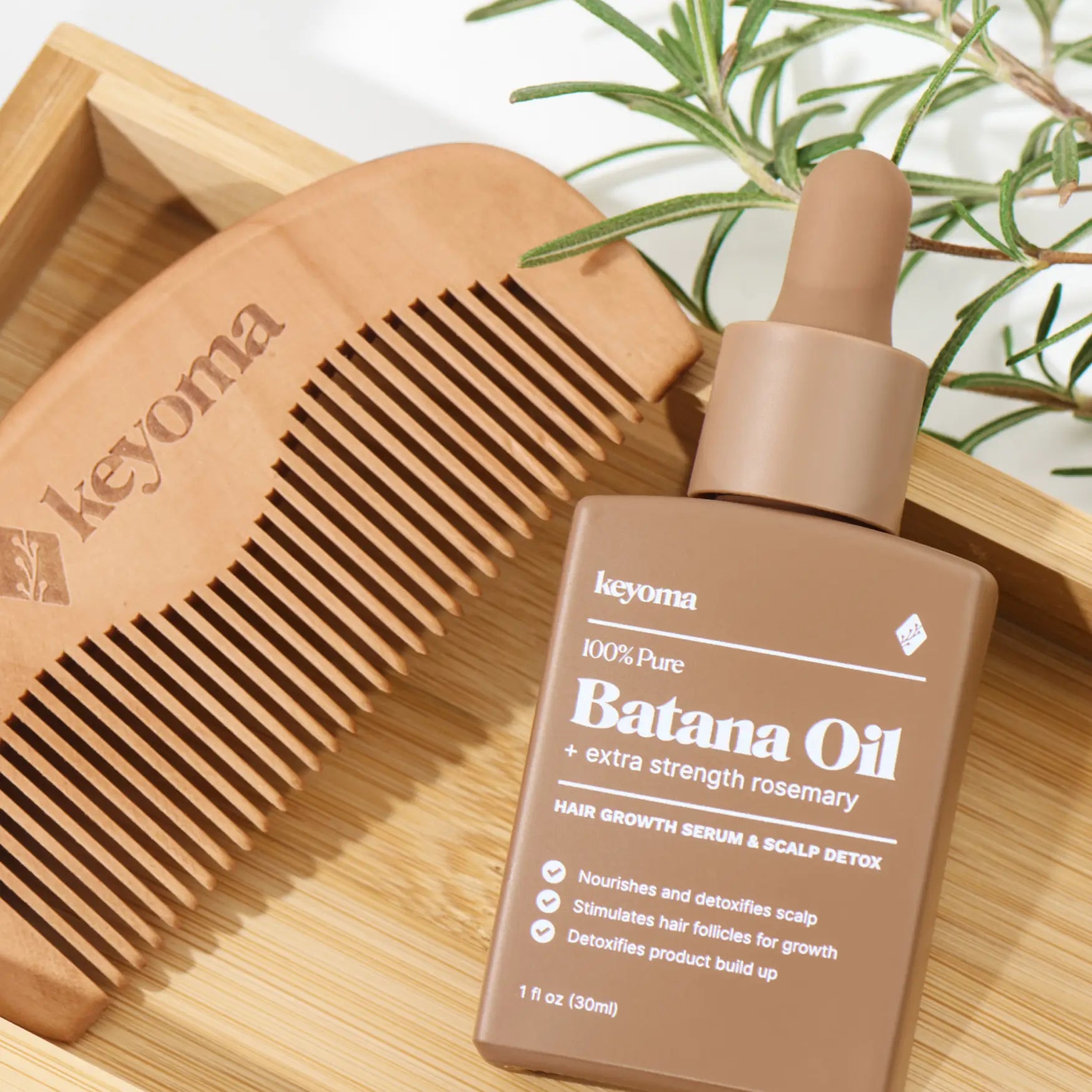
100% Pure Batana Oil + Rosemary


