

In this article
Hair tonic is a lightweight hair or scalp product used to refresh the roots, support styling, add light moisture, or help the scalp feel more balanced. Many modern tonics are water-based or alcohol-based, so they usually feel lighter than hair oils, creams, or rich leave-in treatments.
People often search for hair tonic because they want help with oily roots, dry scalp, flat hair, or a fresher scalp care routine. A tonic can be useful, but it is not a cure-all. The best results come from choosing the right formula for your scalp type, using a small amount, and keeping growth claims realistic.
Key Takeaways
-
Hair tonic is usually a lightweight scalp or styling product.
-
Modern tonics often refresh, hydrate, or balance the scalp.
-
Hair tonic is different from hair oil and hair serum.
-
Growth claims depend on the formula and scalp concern.
What Does Hair Tonic Do?
Hair tonic helps refresh the scalp, roots, or hair with a lightweight leave-in feel. The exact role depends on the formula. Some tonics are made for grooming and styling, while others work more like a scalp tonic that supports comfort, hydration, oil balance, or root freshness.
Hair tonic as a lighter leave-in product that can help moisturize the scalp, add volume, and increase shine. That broad definition is useful because “tonic” does not always mean one exact texture or benefit. A barber-style tonic, a root-refreshing spray, and a modern scalp treatment may all sit under the same product name.
Most tonics are applied near the scalp or roots. They may help the hair feel cleaner between washes, give fine hair a little lift, or make the scalp feel less tight after shampooing. Some also support light styling by making hair easier to comb, shape, or restyle.
Hair tonic is not the same as hair oil or serum. A simple comparison can help you choose the right product for the concern you actually have.
|
Product |
Main Focus |
Best For |
Typical Feel |
|
Hair tonic |
Scalp and roots |
Freshness, light hydration, oil balance, styling support |
Lightweight liquid, spray, or foam |
|
Hair oil |
Strands and dry areas |
Dryness, frizz, rough ends, pre-wash care |
Richer, more nourishing texture |
|
Hair serum |
Hair surface |
Shine, smoothness, frizz control, polished finish |
Silky or smoothing texture |
If your roots feel oily or flat, a scalp tonic may make more sense. If your lengths and ends feel dry, rough, brittle, or frizzy, Keyoma hair oil is a better fit as a nourishing strand-focused option, especially before washing. A serum is usually best when your hair is already styled and you want a smoother finish.
What Are The Types of Tonic?

Hair tonic has changed over time. Older formulas were often used in barbershops for grooming, shine, and control. Newer scalp tonics tend to focus more on scalp comfort, hydration, and routine care.
The label alone does not tell you enough. Look at the texture, instructions, and ingredient direction. A tonic made to re-wet hair during styling may not behave like a leave-in scalp treatment made for dryness or oily roots.
Traditional Hair Tonic
Traditional hair tonic is closely tied to barbering. Hair tonics were common in men’s grooming during the 1950s and 1960s, and barbers often used them as re-wetting agents during haircuts. The product helped hair stay manageable while cutting, combing, and styling.
Older barber-style tonics often added shine, light control, and a clean finish. They could make hair easier to shape without the stiffness of gel or the heavier feel of pomade. Some were also used during scalp massage because the liquid format spread easily through the roots.
Traditional tonic may still be useful if your goal is styling support. It can help hair look neater, feel more workable, and hold a light shape. If your main concern is scalp sensitivity, dryness, or buildup, read the formula carefully before using it every day.
Modern Scalp Tonic
Modern scalp tonic is usually more care-focused. It may be designed to hydrate the scalp, refresh oily roots, reduce a tight feeling, or support a more consistent scalp care routine. Some products are described as leave-in scalp treatments because they stay on the scalp instead of being rinsed out.
A modern tonic may contain humectants, botanical extracts, cooling agents, lightweight conditioners, or scalp-focused ingredients. Some formulas also include alcohol, fragrance, menthol, or essential oils, which may feel fresh for some people but irritating for others.
Sensitive scalps need a slower approach. Try a small amount first and stop using the product if it causes burning, strong itching, redness, or discomfort. If you have severe flaking, scalp pain, bleeding, sudden hair loss, or signs of infection, speak with a dermatologist instead of treating it as a simple product issue.
Hair Tonic Benefits for the Scalp and Hair

Hair tonic benefits are usually subtle and routine-based. A good formula may help your scalp feel fresher, your roots look lighter, or your hair feel easier to style. It should not leave the scalp coated, sticky, or irritated.
The biggest benefit is flexibility. Hair tonic can sit between cleansing and styling, especially if you want a scalp step that feels lighter than oil. It can also help people who want root freshness without adding heavy moisture to the hair.
Scalp Comfort
A scalp tonic may help when your scalp feels tight or dry after washing. Lightweight moisture can make the scalp feel calmer, especially if your shampoo routine leaves the skin feeling stripped. A water-based product may feel more comfortable than oil if your roots get flat quickly.
Comfort depends on the formula. A soothing tonic can feel pleasant, while a strong fragrance, alcohol-heavy base, or cooling ingredient may bother sensitive skin. A tonic should make the scalp feel better, not hotter, itchier, or more irritated.
Hydration
Hydrating scalp tonics are made to add light moisture without the weight of creams or oils. They can be useful when the scalp feels dry but the hair gets greasy easily. Fine hair and low-density hair often need this kind of lighter approach.
Hydration from a tonic is mainly about scalp feel and routine comfort. It may help reduce tightness or dryness, but it does not replace treatment for eczema, psoriasis, seborrheic dermatitis, or persistent dandruff. Product care and medical scalp care are different needs.
Oil Balance
An oily scalp tonic may help roots feel fresher, depending on the formula. Some tonics are made to reduce a heavy feeling near the roots or help hair feel cleaner between wash days. This can be helpful if your scalp gets oily before your lengths need washing.
Oil balance should not come from harsh drying. A formula that strips or irritates the scalp can make the routine harder to maintain. Start with a small amount, avoid layering too many root products, and watch how your scalp feels after several uses.
Root Freshness
Root freshness is one of the most practical reasons to use hair tonic. A light mist or small amount near the scalp can help revive hair that feels flat, slightly oily, or hard to restyle. Some tonics also give fine hair a little lift at the base.
Use the product only where your roots need help. Applying tonic all over the scalp when only the front hairline feels oily can lead to unnecessary buildup. A targeted application usually gives a cleaner finish.
Who Should Consider Using Hair Tonic?

Hair tonic may fit your routine if your scalp needs a light leave-in step and your hair gets weighed down by richer products. It can also help if you want root freshness, light hydration, or easier styling without using heavy oils near the scalp.
Your scalp type should guide the choice. Dry or tight scalps may prefer hydrating formulas. Oily roots may need lightweight refreshing products. Fine hair may benefit from lift and freshness, but only if the tonic dries cleanly.
Dry or Tight Scalp
A dry or tight scalp may feel better with a hydrating scalp tonic after washing. Apply it directly to the scalp, massage gently, and let it absorb before styling. A light tonic can be easier to tolerate than oil if your roots get weighed down.
Dryness can come from weather, overwashing, harsh shampoo, product irritation, or an underlying scalp condition. Mild dryness may improve with routine changes, but persistent flaking, soreness, or inflammation needs more careful attention.
Oily Roots or Heavy Buildup
Oily roots can still use hair tonic, but the formula needs to be light. A sticky or rich product may make buildup worse. Look for a tonic designed for root freshness, and use less than you think you need at first.
Heavy buildup often comes from the full routine, not one product. Dry shampoo, hairspray, styling cream, leave-ins, scalp oils, and sweat can all collect near the roots. A tonic may refresh the scalp, but it cannot replace proper cleansing when residue has built up.
Fine Hair
Fine hair can benefit from hair tonic when the goal is light volume, freshness, or better styling control. Traditional tonics and modern root sprays may help fine hair look more lifted without the weight of cream or oil.
Amount matters more with fine hair. Apply only at the roots or areas that need support, then let the product dry down before styling. If your hair looks stringy, stiff, or flat, use less product or switch to a lighter formula.
How to Use Hair Tonic?

Most hair tonics are easy to use. Apply the product to the scalp or roots, massage gently, let it absorb, then style your hair. Some formulas are meant for damp hair after washing, while others can be used on dry hair to refresh the roots.
Follow the instructions on the product you choose. A barber-style grooming tonic, hydrating scalp tonic, and active leave-in scalp treatment may all have different directions. Frequency also varies, so daily use is not automatically right for every scalp.
Start With a Clean Scalp
A clean scalp helps tonic spread evenly. Many people apply tonic after shampooing, once the hair is towel-dried and the scalp is no longer dripping wet. Start with a clean, towel-dried scalp and hair before applying tonic.
Some tonics can also be used on dry hair, especially if they are made for refreshing or restyling. Avoid using them as a cover-up for heavy buildup. Layering tonic over residue can make roots feel dull, sticky, or uncomfortable.
Apply to the Roots
Hair tonic usually goes near the roots or directly on the scalp. Part your hair in small sections and apply a small amount where you want freshness, hydration, or lift. Spray formulas can be misted lightly, while dropper formulas should be placed along part lines.
Do not soak your scalp unless the label tells you to. Too much product can dry down sticky or make the roots look greasy. A light, even application usually works better than a heavy one.
Massage Gently
Gentle massage helps spread the tonic across the scalp. Use your fingertips, not your nails, and move in small circles. The goal is even coverage and a comfortable scalp feel.
Massage should never hurt. Scratching or rubbing too hard can irritate the scalp, especially if the product contains alcohol, fragrance, menthol, or active ingredients. Keep the pressure soft and stop if the scalp starts to sting.
Let It Absorb
Give the tonic time to absorb before styling. A few minutes can help the roots dry down and keep the tonic from mixing too heavily with styling products. Hair should feel refreshed or lightly conditioned, not wet or coated.
Once it settles, style as usual. You can blow-dry for lift, comb hair into place, or leave it natural. If your roots feel heavy after drying, reduce the amount next time or use the tonic less often.
Can Hair Tonic Help With Hair Growth?
Hair tonic for hair growth needs realistic expectations. Some formulas include ingredients meant to support a healthier-feeling scalp environment, improve root freshness, or reduce dryness and buildup. A better scalp routine may support consistency, but hair tonic should not be presented as a guaranteed regrowth product.
Hair growth concerns can have many causes, including genetics, hormones, stress, nutrition, illness, medications, tight hairstyles, and scalp inflammation. A cosmetic tonic cannot diagnose or treat those causes. If shedding is sudden, patchy, painful, or persistent, it is safer to speak with a dermatologist.
A tonic may still have a place in a growth-focused routine if it helps you care for your scalp more consistently. Cleaner roots, light hydration, and better scalp comfort can make a routine easier to maintain. The formula matters, though, and results depend on why the hair concern is happening in the first place.
Use Hair Tonic for Fresher Roots
Hair tonic is a lightweight scalp or hair product that can refresh roots, add light hydration, support styling, and help the scalp feel more balanced. Traditional tonics are often tied to barbering, grooming, shine, and re-wetting the hair. Modern scalp tonics usually focus more on comfort, oil balance, and leave-in care.
Choose tonic when your scalp or roots need freshness without heavy moisture. Choose hair oil when your lengths and ends feel dry, rough, brittle, or frizzy. Choose serum when you want a smoother finish on the hair surface. A clear routine starts with knowing which area needs help: scalp, roots, strands, or ends.
Featured Product
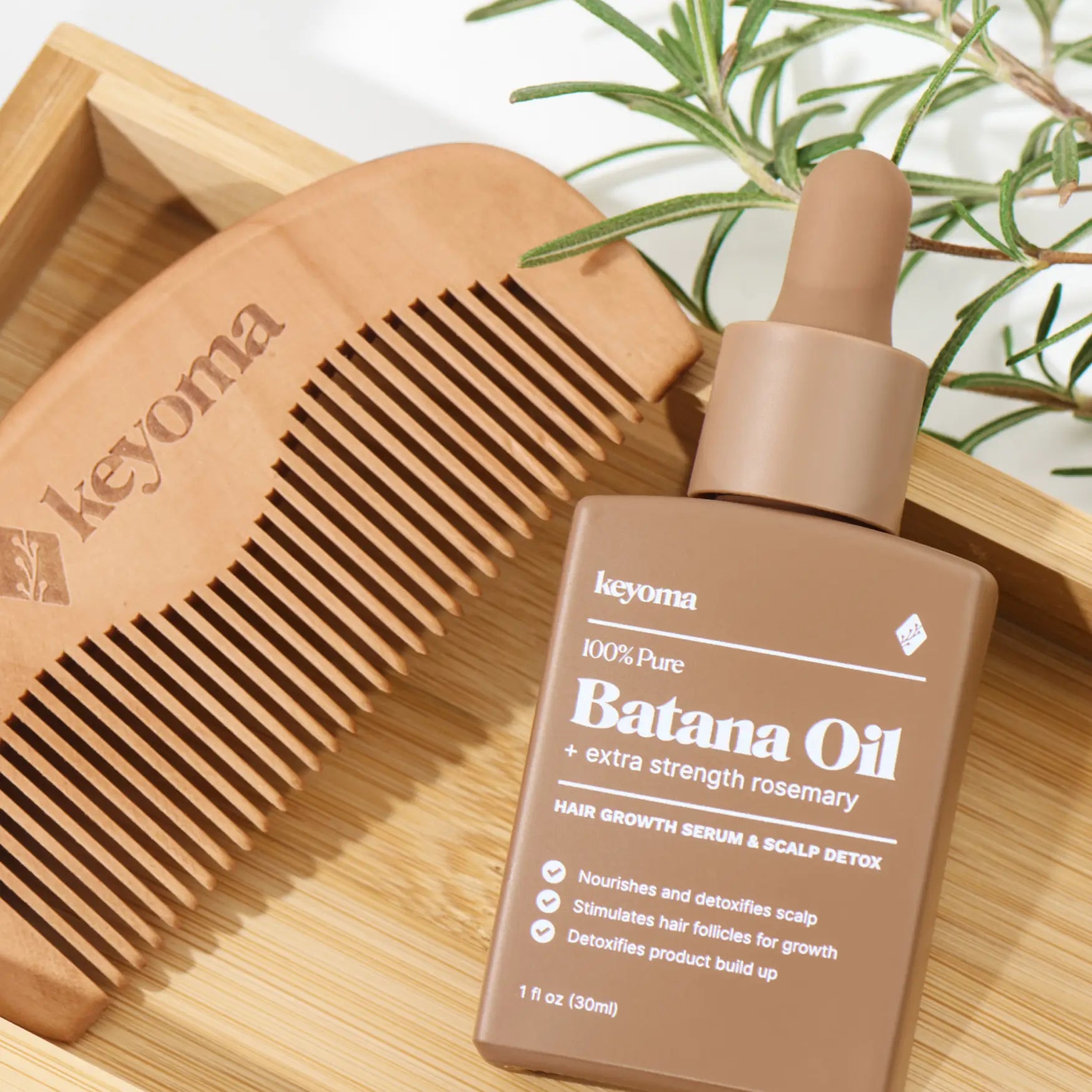
30% Off + 3 FREE Gifts
100% Pure Batana Oil + Rosemary


