

In this article
Use comfortably lukewarm water when washing oil from your hair. It should feel warm on your scalp without producing heavy steam or making your skin feel flushed. Very hot water is not a shortcut for dissolving stubborn oil, and an icy rinse is not required for clean, smooth hair.
Water temperature supports the process, but it does not do most of the cleansing. The amount of oil you applied, where you placed it, how thoroughly you wet your hair, and how you use shampoo have a greater effect on the result.
A good wash removes enough oil for your roots to feel clean without leaving the lengths rough or squeaky. If your hair still feels coated afterward, adjust the product amount or cleansing technique before turning up the temperature.
Key Takeaways
-
Comfortably lukewarm water supports cleansing without exposing your scalp to excessive heat.
-
Apply shampoo mainly to the scalp instead of scrubbing the full hair length.
-
Thick oil applications may need a second gentle shampoo pass, not hotter water.
-
Judge remaining residue after your hair dries, when its texture is easier to assess.
Use Lukewarm Water to Wash Out Hair Oil
Lukewarm water gives you a practical middle ground. It helps you wet the scalp and distribute shampoo without the drying effect associated with prolonged exposure to hotter water. Cleveland Clinic recommends a warm shower instead of overly hot water, which can dry the scalp and leave hair more vulnerable to frizz and breakage.
You do not need to measure an exact temperature. If the water feels soothing rather than intense and your scalp does not feel tight afterward, you are within a useful range. People with sensitive or dry scalps may prefer water that feels closer to neutral.
Cold water is also unnecessary for the main wash. It may feel refreshing as a final rinse, but it does not replace shampoo, reduce the amount of oil you applied, or guarantee that the hair cuticle will “seal.” Choose it for comfort, not as an essential treatment step.
How to Wash Hair After Oiling
Effective oil removal depends on even wetting and controlled cleansing. Rushing into shampoo before the hair is fully saturated often leaves pockets of oil near the crown, behind the ears, or at the nape.
Wet the Hair Thoroughly
Let lukewarm water run over your scalp and through the lengths before applying shampoo. Separate dense or curly hair with your fingers so water reaches the roots instead of flowing only over the surface.
Pay attention to the areas where you concentrated the oil. If you used a targeted scalp application or followed a broader hair oiling technique, the roots may need more wetting time than the ends.
Concentrate Shampoo on the Scalp
Massage shampoo across the scalp with your fingertips, including the hairline, crown, nape, and behind the ears. Avoid scratching with your nails. Allow the lather to pass through the lengths as you rinse rather than piling the hair on top of your head and scrubbing it.
The American Academy of Dermatology recommends applying shampoo to the scalp so it can remove excess oil and product buildup without unnecessarily drying the rest of the hair. Conditioner can then go where your hair needs softness, usually from the mid-lengths to the ends.
Rinse and Check for Residue
Rinse until the water runs freely through your hair and you no longer feel patches of slippery shampoo. Move your fingers across several scalp areas rather than judging only the front hairline.
Wet hair can feel smooth even when a light oil film remains, so do not chase a squeaky finish. If your scalp no longer feels heavily coated, finish your wash and reassess after drying.
How to Wash Out Thick or Heavily Applied Oil
A dense oil layer can overwhelm a single shampoo pass. Increasing the water temperature may make the shower feel more powerful, but it does not correct an application that exceeded what your cleanser can comfortably remove.
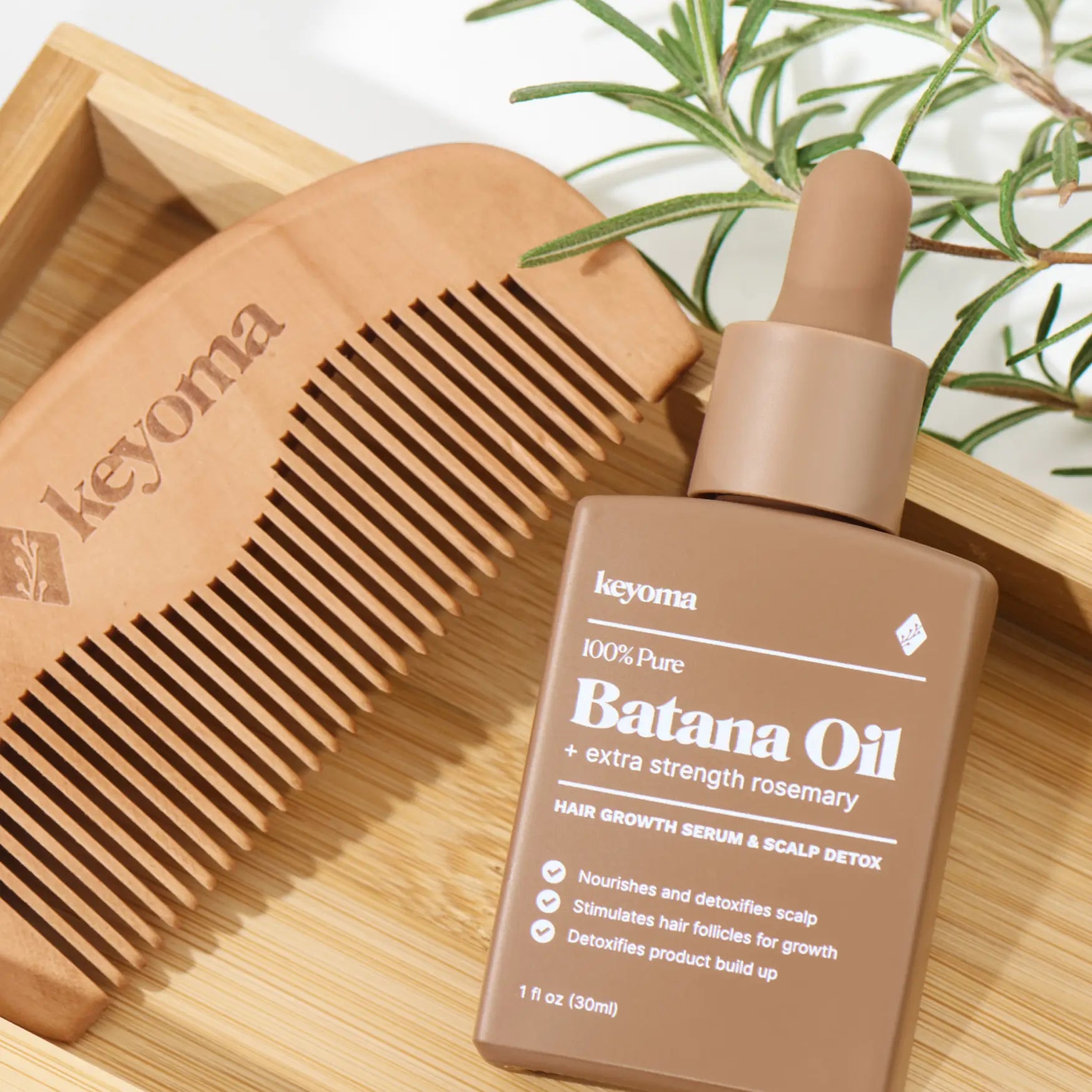
For a richer pre-wash treatment, use enough product to lightly coat the intended area rather than saturating every strand. Keyoma Pure Batana Oil can fit into this type of routine when you want a nourishing pre-wash step, but using a measured amount of batana oil will make the cleansing stage easier.
Start With Less Oil Next Time
Greasy roots after every treatment often point to quantity, not the wrong water temperature. Fine or low-density hair may need only a light application on the driest areas, while thick or tightly textured hair may tolerate more.
Watch where the residue appears. Oil left mainly at the roots suggests heavy scalp application. Coated ends suggest that too much product traveled through the lengths. Frequent flatness or waxiness may also indicate hair oil overuse, especially when several oil-based products are layered together.
Repeat the Shampoo Step Only When Needed
If the first rinse leaves the scalp distinctly slick, use a small second application of gentle shampoo. Focus on the oily areas instead of washing the lengths aggressively.
A second pass should respond to visible or tactile residue, not become an automatic rule. Repeated harsh cleansing can trade one problem for another by leaving the scalp uncomfortable and the ends rough. Use warmer water only within the comfortable lukewarm range.
Adjust the Routine for Your Hair and Scalp
Two people can apply the same oil and need different washing methods. Hair density, strand thickness, curl pattern, scalp condition, and product layering all affect how easily residue becomes noticeable.
Fine or Easily Weighed-Down Hair
Fine hair reveals excess oil quickly because a small amount can group strands together and reduce volume. Keep the application light, concentrate it on dry areas, and rinse the roots thoroughly.
Apply conditioner below the roots unless your scalp needs a specific conditioning product. Cleveland Clinic notes that conditioner placed on the scalp can contribute to greasiness, which can be mistaken for oil that shampoo failed to remove.
Dry, Curly, or Textured Hair
Curly and textured hair may need more conditioning through the lengths, but that does not mean the scalp requires a heavier oil layer. Divide the hair into sections during rinsing so water and shampoo reach the skin beneath dense curls or coils.
Avoid repeatedly shampooing the ends. Let runoff cleanse them, then apply conditioner according to their dryness and detangling needs.
Dry or Sensitive Scalp
Choose mildly warm water and shorten the time spent under the shower. The AAD warns that hot water can dry the skin and scalp, particularly for people managing seborrheic dermatitis.
Post-wash tightness can result from hot water, a strong cleanser, or frequent washing. Persistent flakes, itching, soreness, or inflammation may have other causes of a dry scalp and should not be treated as a simple oil-removal problem. Seek guidance from a dermatologist if symptoms are severe, painful, or ongoing.
What to Do When Hair Still Feels Oily
Before washing again, identify where the coating remains. Greasy roots, coated lengths, and dry ends point toward different adjustments.
Check the Roots After Drying
Let the roots dry fully, then separate them with clean fingers. If they clump together and look shiny across several areas, some oil may remain. Use less oil next time or make the first shampoo pass more thorough.
If only the crown looks flat, check whether your part, styling product, or drying method caused it. Naturally active scalp oil also returns over time, which is different from residue left immediately after a treatment.
Separate Oil Residue From Conditioner Buildup
A slippery coating on the lower lengths may come from conditioner, leave-in cream, serum, or several layered products rather than the pre-wash oil alone. Review where each product was placed before increasing shampoo strength.
A useful troubleshooting check is simple:
-
Greasy roots call for better scalp coverage during shampooing.
-
Coated lengths call for fewer overlapping conditioning products.
-
Dry ends call for gentler cleansing and more targeted conditioner.
-
An oily scalp with brittle ends may need a split approach for oily roots and dry ends.
Change one part of the routine at a time. Otherwise, you will not know whether the improvement came from using less oil, rinsing longer, or moving conditioner away from the roots.
Avoid Water Temperature Myths and Extremes
Hot water does not need to “melt” hair oil before shampoo can remove it. It can increase scalp dryness without solving a heavy application. Cold water does not stop oil production or permanently close the hair cuticle.
Water temperature should remain a comfort and damage-control choice. Cleansing comes from the interaction between shampoo, oil, water, and your hands. A cool final rinse is fine if you enjoy it, but it is optional.
Choose Water Temperature to Wash Out Hair Oil Cleanly
Keep the main wash comfortably lukewarm, work shampoo across the scalp, and judge the result after drying. If residue remains, adjust the amount and placement of oil before reaching for hotter water or a harsher cleanser.
A balanced wash should leave the scalp clean and comfortable while the lengths retain some softness. That outcome is more useful than chasing one exact temperature or a squeaky-clean finish.
Featured Product
30% Off + 3 FREE Gifts
100% Pure Batana Oil + Rosemary


