

In this article
A sour, stale, waxy, or paint-like smell is often the strongest clue that hair oil has gone rancid. The decision becomes clearer when that odor appears alongside an unexpected change in color, clarity, texture, packaging, or storage history.
Do not judge the bottle by one clue alone. A natural oil can become cloudy in a cold room, develop harmless sediment, or smell stronger than a fragranced serum without being spoiled. The safest approach is to compare several signs and ask whether the oil still looks, smells, and dispenses as the manufacturer intended.
Your senses can help you decide whether to keep or discard an oil, but they cannot confirm its chemical composition or rule out microbial contamination. When several warning signs appear together, replacing the product is usually safer than testing it on your scalp.
Key Takeaways
-
A new sour or paint-like odor is a strong reason to inspect the oil closely.
-
Cloudiness or thickening alone may reflect temperature rather than spoilage.
-
Dirty applicators and moisture raise concerns beyond ordinary oil oxidation.
-
Discard questionable oil instead of testing it on your scalp.
Signs Your Hair Oil May Have Gone Rancid
Rancidity happens when fats and oils degrade through oxidation and related chemical changes. Air, heat, light, and time can speed that process. The U.S. Food and Drug Administration also notes that temperature changes, sunlight, air, moisture, and consumer handling can alter a cosmetic product’s smell, color, and texture.
At home, look for a pattern rather than a single dramatic clue. A changed smell plus sticky texture carries more weight than a bottle that merely looks cloudy on a cold morning.
|
Possible Warning |
Possible Normal Explanation |
|
Sour, stale, waxy, or paint-like smell |
Naturally roasted, earthy, herbal, or nutty aroma |
|
New cloudiness or darkening |
Cooling, settling, or normal botanical variation |
|
Sticky, gummy, or gritty feel |
Naturally thick oil or temporary cold-weather solidification |
|
Material around the dropper or bottle neck |
Dried oil residue rather than contamination |
|
Unexpected separation |
A formula designed to be shaken before use |
Smell Has Become Sour, Stale, or Paint-Like
Smell the oil as it comes from the bottle, not after it has mixed with shampoo, conditioner, fragrance, or styling products. Compare the scent with what you remember from when the bottle was new.
An expired hair oil smell may be sour, metallic, waxy, musty, crayon-like, or similar to old paint. The original aroma may also seem flat or disappear beneath a sharper odor. A botanical oil that naturally smells earthy or roasted should not be treated as rancid merely because it lacks a floral fragrance.
The most useful question is not “Does this smell strong?” It is “Does this smell noticeably different from the same product when it was fresh?” An unfamiliar natural scent and a deteriorated scent are not the same thing.
Color or Clarity Has Changed
Oxidation and prolonged exposure to light can change how an oil looks, but normal ingredient variation can do the same. A pale oil may darken slightly with age. Plant particles can settle, and a natural blend may vary between batches.
Be more cautious when the change is dramatic, new, and accompanied by an altered smell or texture. Unexpected floating material, fuzzy growth, moisture droplets, or residue that does not resemble dried oil deserves more concern than a modest shift in shade.
Move the bottle into indirect natural light before judging it. Bright bathroom lighting, tinted glass, and shadows near the bottom can exaggerate cloudiness or color changes.
Texture Feels Unusually Thick, Sticky, or Gritty
Fresh oil should dispense and spread in a way that matches the product’s usual consistency. A thin serum may become gummy. A smooth oil may feel tacky, stringy, unusually grainy, or resistant to spreading.
Temperature complicates the decision. Some plant oils naturally thicken or partially solidify when cool. Let the sealed bottle return to normal room temperature according to its storage directions before reassessing it. Do not microwave, boil, or place questionable oil in direct heat to test it.
Gritty texture also needs context. Fine botanical sediment may be normal, while hard particles, foreign material, or residue introduced through an unclean dropper may point toward a handling problem.
Bottle or Dropper Shows Signs of Contamination
Rancidity and contamination are different issues. Rancidity mainly concerns the degradation of oils. Microbial contamination involves bacteria, yeast, mold, or other unwanted material entering or growing in a product.
Water-containing formulas and emulsions tend to create different preservation concerns than an anhydrous oil. Even so, repeatedly touching the dropper to your scalp, returning unused oil to the bottle, leaving the cap loose, or handling the opening with wet fingers can compromise clean use.
The FDA advises consumers to keep cosmetic containers and applicators clean and notes that moisture and repeated contact can introduce microorganisms. A bad smell or visible foreign material can also be reported as a cosmetic product problem.
Discard the bottle when you notice mold-like growth, unexplained debris, a damaged seal, persistent moisture inside the container, or leakage that has exposed the product to an unknown environment.
Normal Changes That Do Not Always Mean Spoilage

Not every change in an older hair oil means it has gone rancid. Natural formulas often behave less uniformly than highly processed products. Their appearance may shift with temperature, settling, and ingredient variation.
Use smell, texture, packaging condition, and storage history together. A product that changes slightly in a cool room but returns to its expected consistency may still be normal. A bottle that smells sour, feels sticky, and spent weeks in a hot car presents a different pattern.
Cold Temperatures Have Temporarily Thickened the Oil
Cool temperatures can make some oils look cloudy, form soft crystals, or become harder to dispense. This physical change may reverse when the sealed bottle returns to the storage temperature recommended on its label.
Do not assume refrigeration preserves every hair oil better. Cold storage can alter texture and may create condensation when the bottle repeatedly moves between cold and warm spaces. Follow the manufacturer’s directions unless the label specifically recommends refrigeration.
Natural Sediment Has Settled in the Bottle
Small amounts of settled botanical material may appear in minimally processed oils. Sediment is more likely to be normal when it has been present since the bottle was new, the product smells unchanged, and the label tells you to shake before use.
New floating growth, stringy material, moisture beads, or particles introduced after the dropper touched another surface deserve more caution. Sediment alone is not a home test for purity, freshness, or contamination.
Botanical Ingredients Have Changed the Scent or Color
Natural ingredients can vary in aroma and color. Batana oil, for example, may have a warm, earthy, nutty, or roasted character that feels stronger than the scent of a conventional hair serum.
That natural aroma should still remain broadly consistent within the same bottle. A sharp turn toward sour, chemical-like, or stale notes is more concerning than an earthy smell that was present from the first use.
Heavy, limp, or greasy hair after application does not prove the oil is spoiled either. Those signs may point to excessive application or product buildup. Review the signs of using too much hair oil before blaming the bottle’s condition.
Is Old or Rancid Hair Oil Safe to Use?
An old bottle is not automatically unsafe, and a newer bottle is not automatically suitable for continued use. Product age is one part of the decision. Formula type, packaging, storage, handling, and visible changes also matter.
Cosmetics sold in the United States are not generally required to carry an expiration date. Manufacturers remain responsible for determining product safety and shelf life, while consumers also affect shelf life through storage and handling.
Do not use hair oil that smells rancid, shows several unexplained changes, contains foreign material, or has been stored under conditions that make its quality doubtful. Using a degraded product offers little benefit, and applying it to your scalp is not a reliable way to test its condition.
Stop using any cosmetic that causes burning, persistent itching, redness, swelling, blistering, or a spreading rash. Cosmetic ingredients, fragrances, preservatives, and essential oils can cause irritant or allergic contact reactions even when the product is not rancid. DermNet describes itching, redness, swelling, and blistering among possible signs of cosmetic contact reactions.
Seek medical advice when symptoms are severe, spread beyond the application area, affect the face or eyes, or continue after you stop using the product.
What to Do When You Are Unsure

Uncertainty is a valid reason to pause. You do not need to prove exactly what happened inside a bottle before deciding that it no longer belongs in your hair routine.
Use a simple three-level decision:
-
Likely normal: The smell is unchanged, the packaging is intact, and any cloudiness or thickening resolves under recommended storage conditions.
-
Uncertain: One feature has changed, but you cannot tell whether temperature, settling, or age explains it. Contact the manufacturer with the product details.
-
Discard: The oil smells sour or paint-like, shows multiple unexplained changes, contains foreign material, or caused an unexpected reaction.
Check the Label, PAO Symbol, and Batch Information
Look for an expiration date, storage instructions, lot or batch code, and the period-after-opening symbol. The PAO symbol resembles an open jar and may show a number followed by “M,” such as 12M.
Treat that information as context, not a guarantee. Heat, sunlight, moisture, and repeated exposure to air can shorten a product’s usable life. The FDA recommends marking the container with the date you opened it when you need a simple way to track age.
When the label lacks enough detail, send the manufacturer the batch code and ask about the expected shelf life and normal appearance of that formula.
Compare It With a Fresh Sample When Possible
A fresh bottle of the same formula can provide a useful reference for aroma, color, and flow. Compare like with like. Do not compare a pure carrier oil with a fragranced blend or assume two brands should look identical.
Batch variation may still affect natural products, so a difference does not prove spoilage. The comparison becomes more meaningful when several qualities have shifted at once.
Stop Using It Rather Than Testing It on Your Scalp
Do not taste hair oil, add water, mix in fragrance to hide an odor, or conduct improvised heating experiments. Do not deliberately patch-test a bottle you already suspect has spoiled.
Patch testing may help assess sensitivity to a fresh product when used appropriately, but it cannot prove that an old bottle is chemically stable or free from contamination. When replacement is available, there is little value in gambling on a questionable product.
How to Keep Hair Oil Fresh for Longer
Shelf life is not controlled by the calendar alone. Storage and handling determine how often the oil meets its main stressors: heat, light, air, moisture, and contaminated surfaces.
The FDA’s cosmetic shelf-life guidance explains that temperature changes, sunlight, air exposure, and moisture can alter a product’s color, texture, smell, and preservation. Store each oil according to its own label rather than relying on one rule for every formula.
Limit Exposure to Heat, Light, Air, and Moisture
Keep the bottle in a cool, dry, dark place with the cap closed firmly. A bedroom drawer or cabinet away from direct sunlight is often more suitable than a steamy bathroom shelf, sunny windowsill, or hot car.
Open the bottle only when needed. Leaving the dropper uncapped increases air exposure and gives dust or moisture more opportunities to enter.
Keep the Dropper and Bottle Opening Clean
Avoid touching the dropper to your scalp, hands, hair, sink, or countertop. Dispense the oil without making contact, then return the dropper directly to the bottle.
Do not pour used or excess oil back into its original container. Keep the bottle neck dry and remove external residue with a clean, dry cloth rather than rinsing the opening with water.
Clean handling is especially useful when you choose a concentrated botanical formula for repeated use. Follow the directions supplied with Keyoma Batana Oil, keep the dropper dry, and store the closed bottle away from direct heat and sunlight.
Record When You First Open the Product
Write the opening date on the bottom of the bottle or save it in your phone. The date will not tell you everything, but it prevents a bottle from becoming an undated mystery at the back of a cabinet.
Take a quick photo of the fresh oil in indirect light when you first open it. That gives you a better reference for later color and clarity checks than memory alone.
Identify How to Tell If Hair Oil Is Rancid Safely
Use a pattern-based decision rather than searching for one perfect home test. An unchanged natural scent, intact packaging, clean handling, and a temperature-related texture shift may support continued use. A sour odor combined with stickiness, unusual debris, or poor storage supports discarding the oil.
When the evidence sits in the middle, pause and contact the manufacturer. Do not add ingredients, heat the bottle, or apply it to your scalp to settle the question.
Fresh product, clean handling, and sensible storage remove much of the uncertainty. Once a bottle no longer smells, looks, or behaves as expected, replacing it is a better hair-care decision than trying to rescue it.
FAQs
Can unopened hair oil still go bad?
Yes. An unopened hair oil can degrade over time, especially if it is exposed to prolonged heat, sunlight, temperature swings, or damaged packaging. Check the seal, batch information, storage history, smell, appearance, and manufacturer guidance after opening it.
Can rancid hair oil cause hair loss?
Rancid oil should not be used, but a bottle’s odor alone cannot explain hair shedding or permanent hair loss. Stop using the product if it causes scalp irritation. Seek medical advice for persistent shedding, visible thinning, bald patches, pain, scaling, or ongoing scalp inflammation.
Does cloudy hair oil mean it has expired?
No. Cloudiness can result from cold temperatures, natural waxes, suspended botanical material, or formula separation. Check whether it resolves under the product’s recommended storage conditions and whether the smell, texture, and packaging have also changed.
Should hair oil be stored in the refrigerator?
Only when the manufacturer recommends it. Refrigeration may thicken some oils and can expose the bottle to condensation during repeated temperature changes. A cool, dry, dark cabinet is usually more practical for products labeled for room-temperature storage.
Featured Product
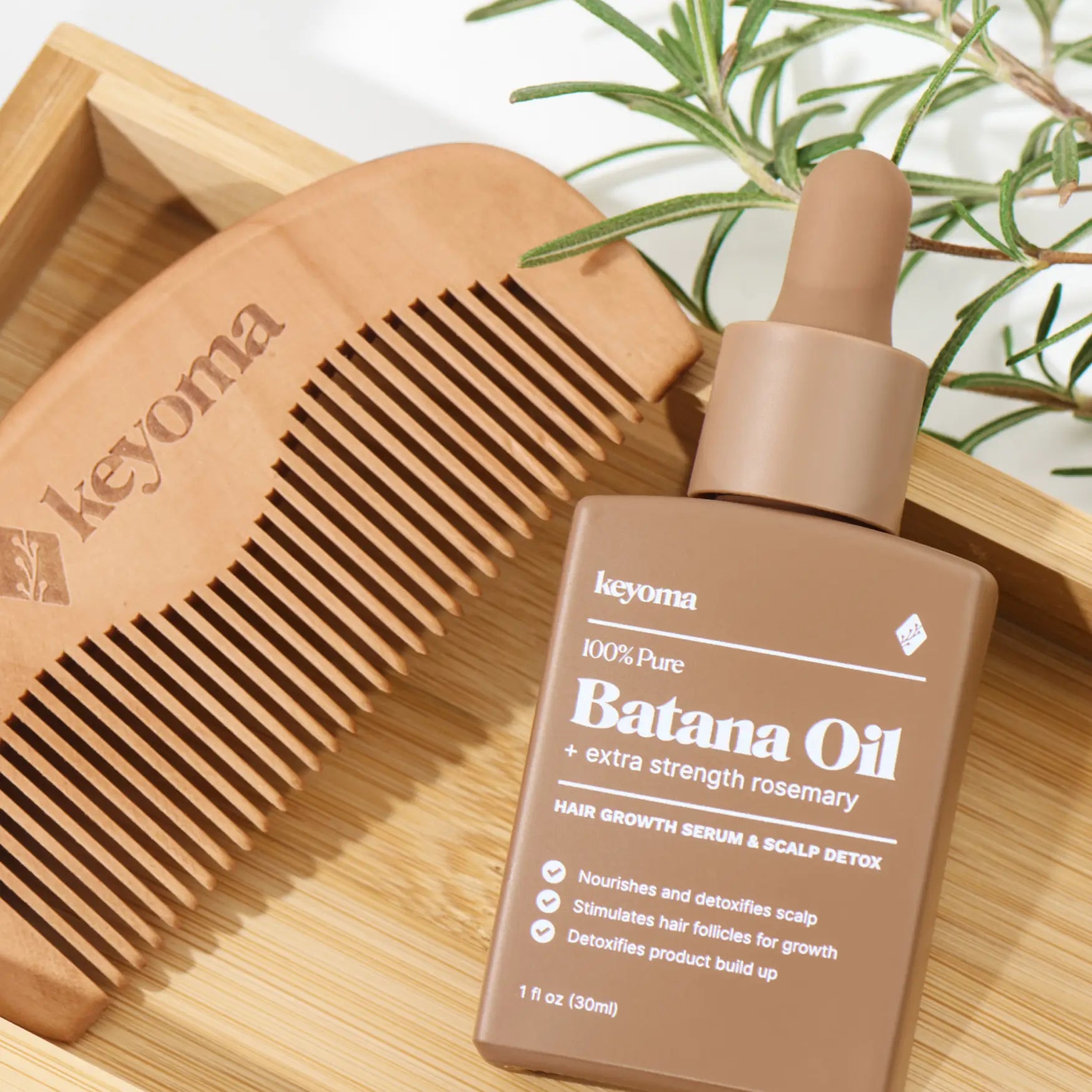
30% Off + 3 FREE Gifts
100% Pure Batana Oil + Rosemary


