

In this article
Hair ends get dry first because they are the oldest part of your hair. They are farther from your scalp’s natural oil, and they have been through more brushing, washing, heat, friction, sun, and styling than the newer hair near your roots.
Dry ends are not always a sign that your whole head of hair is unhealthy. Often, the roots still feel soft while the last few inches feel rough, frizzy, brittle, or uneven. That difference happens because the ends have had more time to lose smoothness and moisture.
The goal is to protect the ends before dryness turns into split ends or breakage. Conditioner, leave-in care, lighter heat habits, gentle detangling, oil support, and small trims can all help the ends look and feel better, even though split ends cannot be permanently fused back together.
Key Takeaways
-
Hair ends dry first because they are older and more exposed.
-
Dry ends feel rough, while split ends look frayed.
-
Oils can soften and protect ends, but they cannot repair splits.
-
Gentle care helps reduce frizz, brittleness, and breakage.
Why Do Hair Ends Get Dry First?
Hair ends get dry first because they sit farthest from the scalp. Your scalp produces natural oil, but that oil does not always travel easily down the full strand. Longer, curly, coily, textured, color-treated, or heat-styled hair may have an even harder time getting enough natural oil to the ends.
The ends are also older than the rest of the strand. A few inches near your roots may be newer growth, while the ends may have been exposed to months or years of styling. Brushing, towel rubbing, ponytails, heat tools, color, weather, and clothing friction all wear on the same fragile area.
When the outside layer of the strand becomes rougher or more worn, hair can lose moisture faster. Neutrogena explains that damage to the hair’s cuticle layer can make hair more porous and reduce its ability to retain moisture. Its dry hair guidance also lists heat styling, chemical processing, sun, wind, pool chemicals, dry air, and long gaps between trims as factors that can contribute to dryness.
That is why the answer to “why are my ends so dry?” is usually not one single mistake. Dry ends often come from slow, repeated wear. If your ends feel rough but your scalp is comfortable, start by focusing on the last few inches of hair instead of changing your entire routine.
What Causes Dry Hair Ends?

Dry hair ends usually come from a mix of moisture loss and surface damage. The strand may feel less smooth, catch on itself more easily, and look dull because light does not reflect evenly from a rougher surface.
The most common dry hair ends causes are everyday habits that slowly weaken the ends. You do not need to remove every styling step from your life, but the ends need extra protection because they handle the most wear.
Heat Styling
Heat styling can make dry ends worse because high temperatures stress the strand. Blow-dryers, curling irons, hot combs, and flat irons can leave the ends feeling stiff, rough, or easier to snap.
The American Academy of Dermatology recommends limiting blow drying and hot tools, using low or medium heat, and applying a heat protectant when heat is used. AAD also advises letting hair air dry when possible.
If your ends are already brittle, focus heat on the roots or mid-lengths when styling allows. The ends usually need the least heat and the most protection.
Color and Chemical Treatments
Color, bleach, relaxers, perms, and other chemical services can leave the ends more porous. The ends often show the most damage because they may have been processed more than once.
AAD recommends adding more time between touch-ups when possible, using conditioner after shampoo, and protecting hair from sun exposure after coloring, perming, or relaxing. If your ends feel dry after a service, switch to a gentler maintenance routine before adding more chemical work.
Rough Brushing
Rough brushing can turn dry ends into broken ends. Tangles often collect near the bottom of the hair, so pulling from the roots downward can push knots tighter and snap the ends.
Use a wide-tooth comb or a detangling brush that moves through the hair without tugging. Start at the ends, clear small sections, then move upward. If your ends catch often, a light leave-in can add slip and reduce friction.
Harsh Washing
Harsh washing can dry the ends even when your scalp needs cleansing. Shampoo is meant mainly for the scalp, where oil and buildup collect. Rubbing shampoo through the full length can make the ends feel stripped.
AAD recommends gently massaging shampoo into the scalp and letting the rinse flow through the length instead of rubbing shampoo into the hair. AAD also recommends conditioner after every shampoo to help reduce damage from skipping conditioner.
Sun, Wind, and Friction
Sun, wind, dry air, collars, scarves, pillows, and tight styles can all roughen the ends over time. Hair that rubs against clothing all day may feel drier at the bottom even if the rest of the hair looks healthy.
Environmental damage is usually gradual. Wearing hair in looser protective styles, using softer fabrics, and adding light end protection can help reduce daily wear without making your routine complicated.
Dry Ends vs. Split Ends

Dry ends and split ends are related, but they are not the same. Dry ends describe how hair feels and behaves. Split ends describe visible fraying or splitting at the tip or along the strand.
Knowing the difference helps you choose the right fix. Dry ends may improve in feel with conditioning, leave-in care, and oil. Split ends need trimming because the strand has already separated.
Dry Ends
Dry ends feel rough, frizzy, stiff, or straw-like. They may look dull, puff out after washing, or tangle more easily than the rest of your hair. They can also make styles look uneven because the bottom of the hair does not lie smoothly.
A dry end is not always split yet. It may still be managed with better conditioning, less heat, and fewer sources of friction. For broader routine support, a dry hair routine can help you organize cleansing, conditioning, and styling steps around moisture and softness.
Split Ends
Split ends happen when the strand frays or separates. The tip may look forked, feathered, white-dotted, or thin. Some splits travel upward, which can make the hair break higher on the shaft.
Medical News Today notes that a lack of regular haircuts can lead to split ends, and those broken ends may make hair more likely to break higher up the shaft. For a deeper cause breakdown, what causes split ends can help you connect the visible fraying to heat, friction, dryness, and styling habits.
Products may make split ends look smoother for a while, but they cannot permanently seal the strand back together. A trim is the reliable way to remove split ends.
Why Dry Ends Turn Frizzy or Brittle?
Dry ends turn frizzy or brittle when the strand loses smoothness and flexibility. A rougher outer layer catches more easily on nearby hairs, which creates puffiness, tangles, and a less polished shape.
Brittleness is another warning sign. When the ends lose flexibility, they bend less and snap more. That is why dry, damaged hair tips can show up as shorter broken pieces around the ends, not just as full-length shed hairs from the root.
Frizz can also get worse when the weather changes. Humidity may make raised areas swell and puff, while dry air can leave the ends feeling stiff. If your main issue is puffiness and rough texture, frizzy hair care should focus on smoothing, slip, and friction control instead of heavy product buildup.
Dry ends, split ends, and breakage can overlap. Dry ends feel rough. Split ends look frayed. Breakage shows up as shorter snapped pieces. If you are unsure whether your hair is breaking or shedding from the root, hair breakage vs hair loss can help you separate strand damage from root-level hair fall.
How To Prevent Dry Ends

Preventing dry ends is mostly about reducing repeated stress on the oldest part of the hair. You do not need an extreme routine. The biggest wins usually come from conditioning after shampoo, using leave-in care where needed, oiling strategically, lowering heat, detangling gently, and trimming ends before splits travel.
AAD’s leave-in conditioner guidance says leave-ins can reduce frizz, static, and flyaways, make hair easier to detangle, and help reduce breakage. Dermatologists on the page advise applying leave-in conditioner from mid-strands to the ends, not the scalp, to avoid buildup and greasiness.
Use Oil Before Washing
Oil can support dry ends by adding slip and reducing friction before shampooing. It is especially useful when the last few inches feel rough, tangle easily, or lose softness after cleansing.
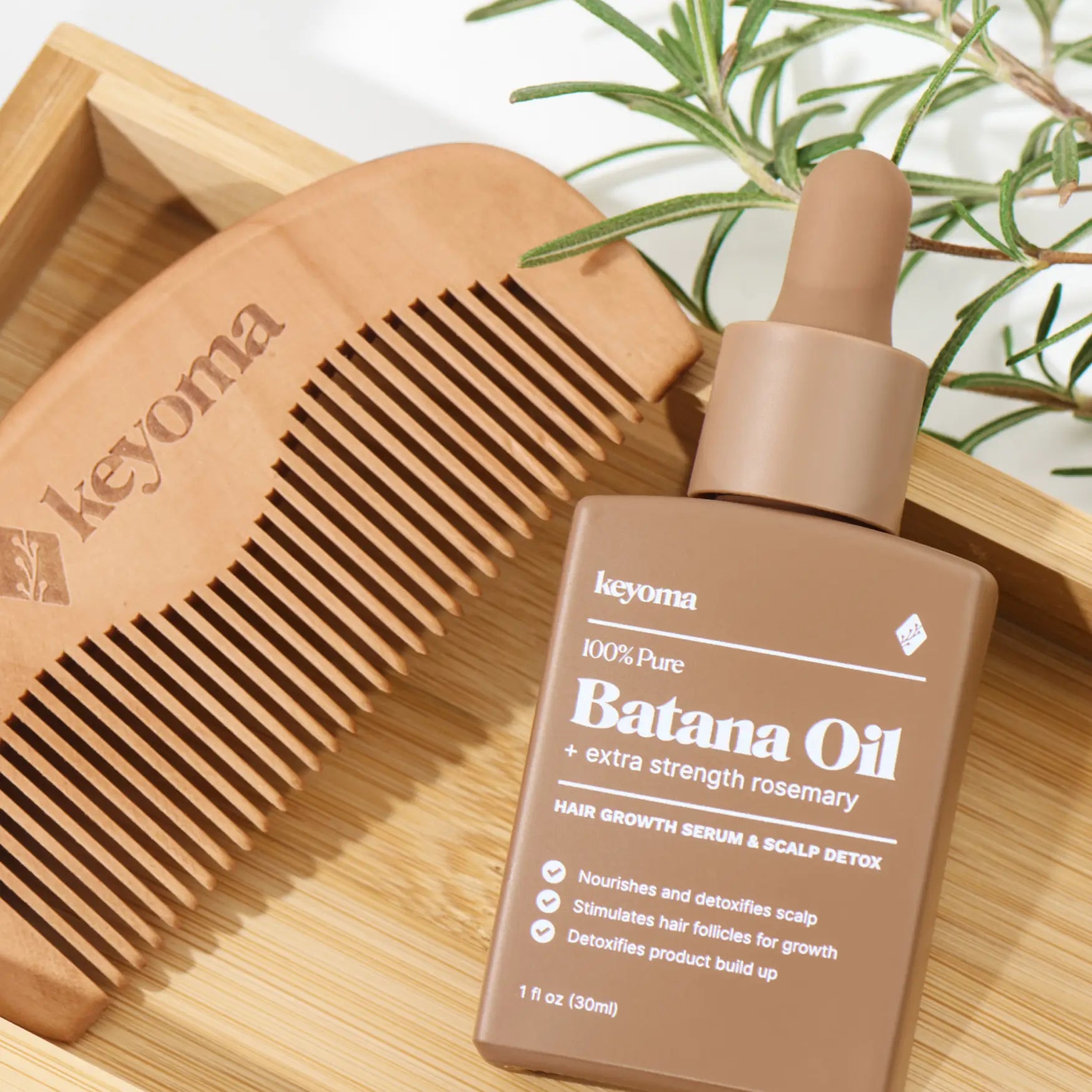
A pre-wash oil step works best when it is light and targeted. Apply a small amount to the ends before shampooing, let it sit long enough to soften the strands, then wash as usual. If you want a richer natural option, Keyoma Batana Oil can fit as supportive care for dry ends, softness, and pre-wash protection.
Oil should not be treated as a permanent repair for split ends. It can make dry ends feel smoother and help reduce friction, but it cannot fuse a frayed strand back together. For timing, when to oil hair before shampooing gives a more focused way to use oil without overdoing it.
Condition After Shampooing
Conditioner is one of the simplest ways to protect dry ends. Shampoo removes oil and buildup from the scalp, while conditioner helps the length feel smoother and easier to manage.
Apply conditioner mostly from the mid-lengths to the ends unless your hair type needs more coverage. Fine hair may feel weighed down if conditioner sits too close to the roots, while curly, coily, dry, or thick hair may need more generous conditioning through the length.
Use Leave-In Conditioner
Leave-in conditioner can help when rinse-out conditioner is not enough. Long, color-treated, heat-styled, curly, dry, frizzy, or brittle hair often benefits from extra slip after washing.
Apply leave-in to damp hair, focusing on the areas that tangle, frizz, or feel rough. Start with a small amount because too much product can make ends feel coated instead of soft. If you are deciding between oil and leave-in care, hair oil vs leave-in conditioner can help you match the step to your hair’s texture and needs.
Lower the Heat
Lowering heat protects the ends because heat damage builds over time. You can still style your hair, but your ends may need fewer passes, lower temperatures, and more breaks from hot tools.
Let your hair air dry partway before blow-drying when possible. Use a heat protectant and avoid holding hot tools on the ends longer than needed. When your ends already feel brittle, choosing shape and smoothness over perfect heat-styled polish can prevent more breakage.
Detangle More Gently
Gentle detangling protects the ends from snapping. Tangles should be loosened slowly, not pulled apart with force.
Start at the bottom and move upward in small sections. Add conditioner, leave-in, or a light oil if your ends need more slip. For fragile hair, hair breakage treatments may support manageability while you reduce the habits that caused the damage.
Trim Damaged Ends
Trimming does not have to mean losing a lot of length. Small, regular trims can remove frayed ends before they split higher up the strand.
If your ends feel dry but still look intact, you may only need better care and a dusting. If the ends are thin, see-through, heavily split, or breaking off, a trim may make the overall shape look fuller and healthier. For ongoing prevention, oils that help prevent split ends can support the protective side of your routine, but trimming is still needed once a split has formed.
Prevent Dry Ends and Breakage with Keyoma
Hair ends get dry first because they are older, farther from scalp oil, and exposed to more wear than the rest of the strand. Heat, color, rough brushing, harsh washing, weather, and friction all make the ends more likely to feel dry, frizzy, brittle, or uneven.
The best approach is protective, not aggressive. Use conditioner after shampoo, add leave-in care when your ends need slip, oil the ends lightly when it suits your hair type, lower the heat, detangle gently, and trim split ends before they travel. Oils can support softness and strand protection, but they cannot permanently repair split ends.
Featured Product
30% Off + 3 FREE Gifts
100% Pure Batana Oil + Rosemary


