

In this article
Hair loss and hair breakage are two common concerns for people everywhere, 1-3 and each one has different causes and results. If your curls look a little thinner or your waves seem less full, your first thought may be that your hair is falling out.
But that is not always what is happening. Hair loss and hair breakage are not the same thing, and each one needs a different approach if you want care that actually fits the problem.
Below, we will look at what hair loss and hair breakage mean, how to tell one from the other, and some useful treatment and prevention that may help you manage and prevent both.
Key Takeaways
-
Hair loss lowers scalp density, while breakage leaves shorter, uneven strands and split ends.
-
Broken strands usually do not have a white bulb, while shed hairs often do.
-
Heat, chemicals, dryness, and rough handling often weaken hair and raise breakage risk.
-
Stress, hormones, medical conditions, and nutrient deficiencies may contribute to hair loss.
How Can I Tell The Difference Between Hair Loss and Hair Breakage?
It is usually not hard to tell hair loss apart from hair breakage. Hair loss shows up as reduced density, and you may notice it most clearly near the front of the scalp.
Hair breakage looks different. You usually see snapped strands and split ends, which can leave the hair looking uneven and can disturb the natural curl pattern.
What Is Hair Breakage?
Hair breakage happens when strands become weak and brittle, which leads to fraying and split ends. Unlike hair loss, which usually means hair sheds from the root, breakage comes from outside and inside factors that damage the structure of the strand itself.
Common Causes of Hair Breakage
-
Over-styling: Using heat tools often, such as blow dryers and curling irons, can weaken strands and make them snap more easily.
-
Chemical Treatments: Hair dye, relaxers, and perm products can strip away natural moisture and leave hair brittle.
-
Lack of Moisture: Dry hair breaks more easily. Weather conditions, including heat and humidity, may also dry the hair out.
-
Improper Hair Care: Harsh shampoos, skipping conditioner, or failing to trim the ends regularly may all lead to more breakage.
How to Treat and Prevent Hair Breakage

Hair breakage happens when the strand weakens and snaps somewhere along the shaft. Care should focus on making hair stronger, improving moisture, and cutting down damage from styling and friction.
Reduce Heat and Chemical Damage
Regular heat styling and chemical services weaken the hair structure and leave strands more brittle. Try to use flat irons, curling irons, and blow dryers less often. For me, lower heat usually made hair feel less rough afterward. When you do use hot tools, apply a heat protectant and keep the temperature lower. Leaving more time between coloring, bleaching, or relaxing treatments may also help lower breakage.
Keep Hair Moisturized
Dry hair snaps more easily than hair that stays moisturized. Use conditioner often and deep condition each week to help strands stay soft and flexible. Hair oils may help seal in moisture and reduce friction between strands. Many people use pure batana oil to coat the shaft, improve softness, and lower dryness-related breakage.
Read more: Stop Hair Breakage: Causes, Fixes, and Everyday Prevention
Detangle Hair Gently
A lot of breakage happens during brushing or detangling. Use a wide-tooth comb or a detangling brush, and begin at the ends before working upward. I noticed slightly damp hair usually gave less resistance while detangling. Detangle when the hair is lightly damp or coated with conditioner to reduce pulling on the strands.
Trim Split Ends Regularly
Split ends can keep traveling upward on the strand and lead to more breakage over time. Regular trims remove worn ends and help the hair stay in better shape overall. This does not make hair grow faster, but it can stop breakage from making the hair look thinner and shorter.
What Is Hair Loss?
Hair loss, by contrast, usually means thinning hair or strands shedding from the scalp. This may lead to visible bald spots or a receding hairline. A range of factors can cause hair loss, which makes it more complex than hair breakage.
Common Causes of Hair Loss
-
Genetic Factors: Conditions like male and female pattern baldness are often inherited and may lead to progressive hair loss.
-
Hormonal Changes: Pregnancy, menopause, and other hormone shifts may trigger hair loss in women.
-
Medical Conditions: Autoimmune disorders, thyroid problems, and scalp infections may cause unexpected shedding.
-
Stress and Lifestyle: Physical or emotional stress may cause temporary shedding in a condition called telogen effluvium.
Read more: Seasonal Hair Loss: Why It Happens & How to Stop It
How to Treat and Prevent Hair Loss

Hair loss starts at the root, so care focuses more on scalp health, support for the hair growth cycle, and lowering the triggers behind extra shedding.
Improve Scalp Health
Healthy hair starts with a healthy scalp. Keep the scalp clean, avoid heavy buildup, and massage it regularly to support circulation. Scalp oils may help keep the skin moisturized and support a better setting for growth. Some people use pure batana oil on the scalp to nourish it and support stronger hair growth.
Reduce Stress and Hair Pulling
Stress may trigger temporary shedding, and tight hairstyles may lead to traction hair loss. Try to avoid tight buns, ponytails, or braids that pull at the roots. Managing stress, sleep, and general health may also help reduce shedding.
Eat Enough Nutrients for Hair Growth
Hair needs protein, iron, zinc, and vitamins to grow normally. When nutrient intake stays low, shedding may increase. Eating a balanced diet with enough protein and nutrients may support normal growth and help lower deficiency-related hair loss.
Be Gentle During Washing and Styling
Hair loss may look worse when strands get pulled during washing, styling, or brushing. Use a gentle shampoo, skip aggressive towel rubbing, and brush carefully so you do not pull hair out from the root.
Difference Between Hair Loss and Hair Breakage?
Here is a quick reference that can help you figure out which issue you may be dealing with, so take a moment to review it:
|
Signs |
Hair Loss |
Hair Breakage |
|
Where hair falls from |
From the root (white bulb visible) |
From the mid-shaft or ends (no bulb) |
|
Hair length |
Full-length strands |
Short, uneven strands |
|
Hair texture |
May still feel normal |
Feels dry, rough, or brittle |
|
Scalp visibility |
Thinning areas or bald patches |
No patches, mainly frizz or damage |
|
When it happens |
During washing, brushing, or through the day |
During styling or touch-up |
Where Hair Falls From
Hair breakage happens when the strand snaps somewhere along the shaft, usually through the mid-lengths or near the ends. These broken pieces do not have a white bulb attached. Hair loss is different because the strand comes out from the root, and you can often spot a small white bulb at the end. This is one of the simplest ways to tell the two apart.
Hair Length
Breakage usually leaves shorter, uneven pieces because the strand snaps at different points. Hair loss usually shows up as full-length strands because the hair sheds from the scalp. When most of what you see is short and uneven, breakage is usually more likely.
Hair Texture
Hair breakage often comes with strands that feel brittle, rough, or dry. That usually points to damage from chemicals, heat, friction, or low moisture. With hair loss, the strand may still feel normal because the issue begins at the root or scalp instead of inside the fiber.
Scalp Visibility
Hair loss is more likely to create visible thinning, a wider part, or bald patches because the hair sheds from the root. Hair breakage usually does not create clear bare spots. Instead, the hair may look uneven, frizzy, or damaged without obvious scalp patches.
When It Happens
Hair breakage often happens while you brush, detangle, style, or use heat because weak strands snap under tension. Hair loss may happen during washing, brushing, or throughout the day as part of the normal growth cycle. If you keep seeing more full-length strands with a root bulb than usual, hair loss is more likely the issue.
Address Hair Breakage And Hair Loss With the Right Care
The right solution starts with identifying the problem correctly. Hair that comes out from the root and hair that snaps along the shaft may look similar in the shower or on the brush, but they call for very different choices. One of the clearest clues is the white bulb on the end of a shed strand, because that points more toward hair loss than breakage.
That difference matters more than it seems at first. Once you stop treating every sign of thinning like simple damage, you can care for your hair with more precision and less wasted effort. Better results usually come from responding to the pattern you truly have, not the one you worry about most. Try pure batana oil when you want support that fits a more thoughtful hair care routine.
Featured Product
30% Off + 3 FREE Gifts
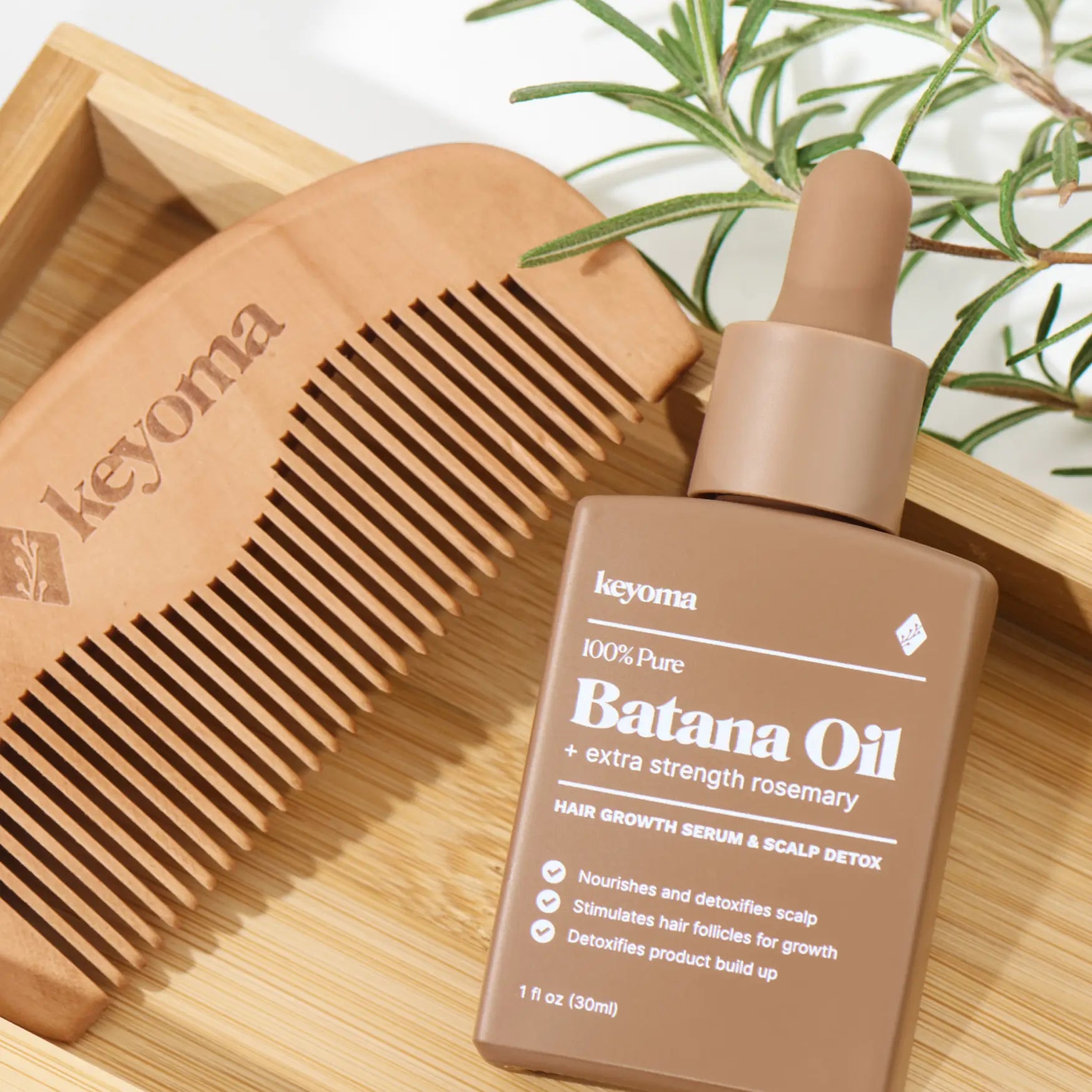
100% Pure Batana Oil + Rosemary


