

In this article
A lot of people with curls run into halo frizz. You see it when stray hairs spring up and form a ring around your head. Humidity, too much heat, damage, and not enough moisture often set it off.
There are less obvious causes behind halo frizz too, and most are not the ones you expect.
Whether you have worn curls for years or only recently found your pattern, you want the frizz under control. Below, you will see what halo frizz means and how to smooth it. So let us begin.
Key Takeaways
-
Halo frizz is a ring of flyaways on the crown when cuticles lift.
-
Humidity can swell the cuticle, and friction, static, and towels can worsen flyaways.
-
New growth and baby hairs stand up easily, especially with dryness or breakage.
-
Smoother results come from gentle cleansing, solid conditioning, less heat, and light hold products.
What Is Halo Frizz
This type of frizz shows up as stubborn, flyaway hairs on the crown or scalp area that look like a halo. The main driver is dehydration, though humidity, frequent hot tools, and damage can lead to the same result. Your crown also takes the most daily exposure to sun, wind, and touch.
Why Halo Frizz Happens

Halo frizz is that fuzzy “ring” of flyaways around your crown, part, and hairline. It often happens when the outer layer of the hair lifts instead of lying flat. Some textures deal with it more, but anyone can see it when hair is dry, damaged, or reacting to moisture in the air.
Hair Texture and Porosity Levels
Wavy, curly, and coarse hair often has a cuticle that naturally sits higher, so it reacts quicker to humidity. High-porosity hair, whether genetic or from damage, takes in and loses moisture fast, which can cause swelling, dryness, and frizz at the same time.
Curly Hair Shape and Texture
The way curly hair is built matters for frizz. Curly strands have a coiled or spiral shape with more bends along the shaft. Those bends create spots that are more prone to frizz and can snag on each other, which leads to tangles.
Breakage, Damage, and Dryness
Halo frizz can signal weak areas along the strand. Heat tools, rough detangling, tight styles, and chemical services can cause breakage, leaving shorter pieces that stick up. Dry hair also struggles to keep the cuticle smooth, so flyaways show more.
Humid Weather
Moist air makes hair absorb water from the environment. When it does, the cuticle can swell and lift, so strands stop grouping with the rest of your hair. You notice it most on the top layer because those hairs touch the elements the most.
New Hair Growth
Short regrowth lacks weight, so it stands up more easily. After breakage, postpartum shedding, or any time you shed more, fresh hairs can poke up along your part or hairline and create a “halo,” even when the rest looks smooth.
Fine Baby Hairs
Baby hairs act like regrowth, but they are the fine, short strands that live at the hairline and temples. Because they are shorter and softer, they do not always lie flat, especially when they are dry or when hats, glasses, or frequent touching add friction.
Friction and Static From Contact
Anything rubbing your hair can rough up the cuticle and build static. Hats, scarves, hoodies, headbands, and even car headrests can lift the top layer. Brushing too hard, towel drying, and running your hands through your hair often can make halo frizz worse.
Hair Routine and Product Mistakes
Using products that do not suit your hair or skipping good habits can add to frizz. Harsh shampoos and sulfate-based formulas can strip natural oils and leave hair prone to frizz. Washing too often upsets the natural balance and leads to dehydration and frizz.
Likewise, washing and rinsing with very hot water can open the cuticle and make it more likely to take on frizz-inducing moisture.
Product Buildup and Poor Product Pairings
Too much heavy product can make hair stiff and uneven, while too little moisture leaves the top layer rough. In humid weather, formulas that draw water from the air can puff hair up and increase frizz, especially near the crown.
Small shifts in weather, handling, or hair condition can spark halo frizz. The upside is once you spot the cause, you can pick the right fix instead of piling on more products.
How to Reduce Halo Frizz

Frizz is not always a problem; often your curls are just asking for attention. A little frizz can add fullness. But if it stands out to others, it is a cue to take action. Try these tips to calm halo frizz and get smoother, easier-to-manage hair:
1. Batana Oil with Rosemary
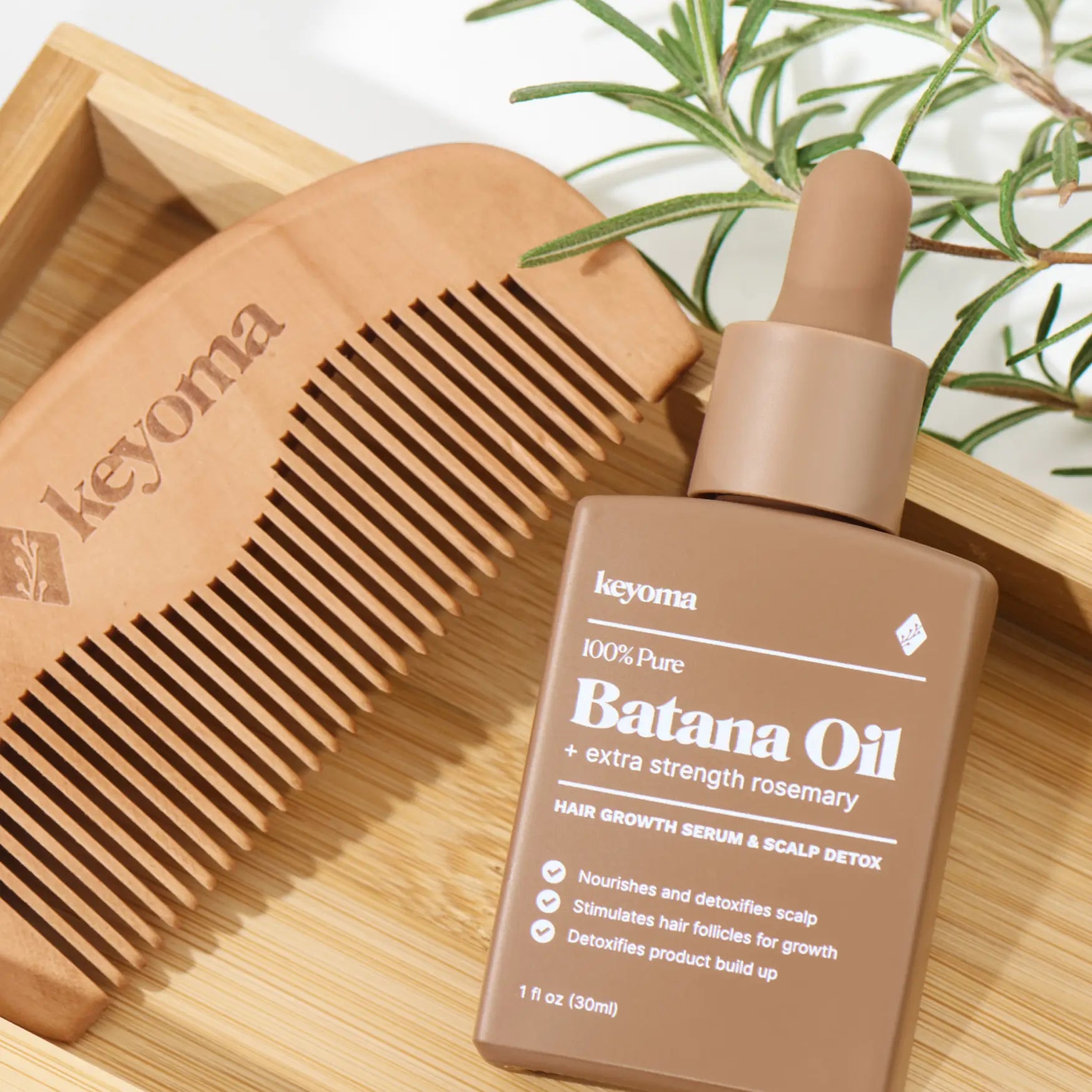
If most frizz sits around your crown and hairline, you likely need focused moisture and a better seal on the outer layer. That is where Keyoma batana oil with rosemary can help. After rinsing, gently squeeze out extra water and apply a tiny amount to damp hair, concentrating on the top layer where halo frizz shows most.
Smooth it between your palms first, then lightly glaze over curls instead of rubbing. Skip the scalp if your roots get oily, and use less than you think so curls stay springy, not weighed down. On very frizzy days, warm a drop or two between your fingers and pat it over flyaways once hair is dry.
2. Choose Humectant-Free Styling Products in Humidity
In sticky weather, some humectants can pull in extra moisture and cause puffiness. If halo frizz ramps up on humid days, reach for a lightweight styler that does not rely on humectants to work.
3. Handle Hair Gently to Prevent Breakage
Short broken pieces on the top layer often create halo frizz. Use heat protectant when you use hot tools, detangle with care, and avoid rough towel drying. If you choose chemical services, have a trained professional do them.
4. Cleanse Your Curls More Gently
Most people start shampooing on the crown, which can dry that area and worsen halo frizz. Begin at the back, work along the sides, and finish at the top.
5. Don’t Skip Conditioner
The conditioner helps curls because it smooths the cuticle. After washing, coat your mid-lengths and ends first, then use the leftover slip to lightly cover the top layer. Avoid the roots if you get oily buildup. Leave it for a few minutes, detangle gently with fingers, and rinse.
6. Use Less Heat
Very hot water can dry hair and make frizz more obvious. Shower with warm water instead, and finish with a brief cool rinse if your hair handles it.
7. Tame Flyaways With Light Hold Products
If you need quick control, rub a small amount of gel, pomade, or paste between your hands and lightly press over the top layer. For tiny flyaways, a bit of hairspray warmed in your palms can help smooth them without making hair crunchy.
Seal Halo Frizz With Batana Oil With Rosemary
Smooth halo frizz by sealing the top layer with a finish that adds slip without weighing hair down. Keyoma Batana Oil with Rosemary will help you for that, so you can calm flyaways and keep hair looking polished between wash days.
Use a tiny amount, since batana oil is rich, and focus it where halo frizz shows first: the crown’s outer layer and the ends. If your roots get oily fast, keep it off the scalp so you do not trade smoothness for flat hair.
Ready to get halo frizz under control? Buy Keyoma Batana Oil with Rosemary direct from Keyoma, or shop it in the Keyoma Amazon store.
Featured Product
30% Off + 3 FREE Gifts
100% Pure Batana Oil + Rosemary
↓Best Batana Oil to Buy↓

1 Month
Subscribe & Save
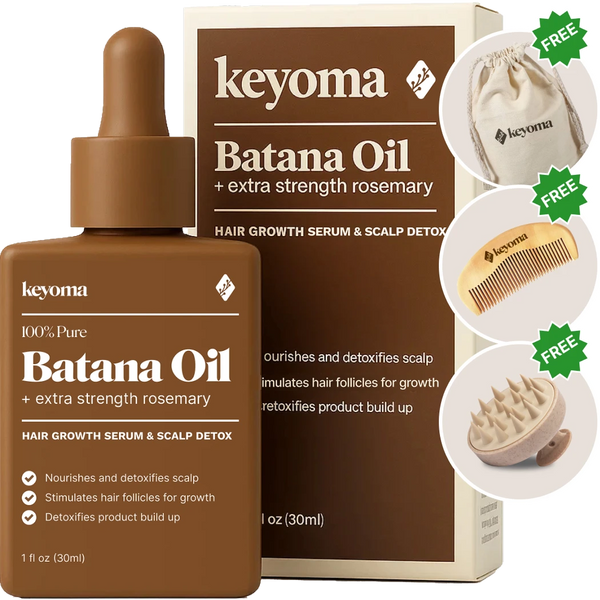


- 30-day supply delivered monthly $35
- 30% off for life $6
- Free haircare essentials kit $33
- Free custom wooden comb $10
- Free scalp massager $15
- Free eco-friendly travel bag $8
- 30-Day Money Back Guarantee
- Free Shipping
- Online portal for easy cancel, skip, or pause.
1 Month One Time Purchase
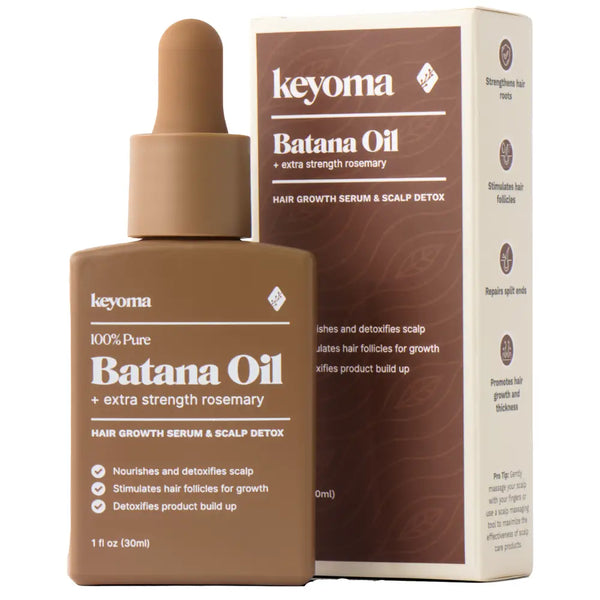
- 30-day supply $50
- 30% off for life $6
- Free haircare essentials kit $33
- Free custom wooden comb $10
- Free scalp massager $15
- Free eco-friendly travel bag $8
