How to Tell If Hair Oil Is Fake: 9 Signs of Low-Quality Ingredients
Written by

Published on Mar 23, 2026

In this article
Hair oils are often sold as natural, pure, and high-end, but a lot of products on the market are watered down, mixed with inexpensive filler oils, or labeled in ways that make them seem better than they are. The end result is a product that may feel slick on your hair yet does very little for your scalp or overall hair health.
The upside is that fake or poor-quality hair oils are usually not hard to spot once you know the warning signs. Most of them show up in the ingredient list, the feel of the oil, the scent, the price point, and how open the brand is about what is actually in the formula.
Let’s explore how to tell whether a hair oil is fake or low quality and explains what really matters when you are picking a good one.
Key Takeaways
-
Unclear ingredient lists and strong added fragrance are common clues that a hair oil is low quality.
-
A lot of inexpensive oils are thinned out with filler oils like mineral oil or generic vegetable oil.
-
The smell, texture, and color often make it easier to tell whether an oil is pure or diluted.
-
The best hair oils usually come from brands that clearly explain ingredients and sourcing.
Why Fake and Low-Quality Hair Oils Are So Common
Hair oil is one of the easiest beauty products to dilute or relabel because most buyers cannot confirm purity just by looking at the bottle. A product can say “pure oil,” “natural,” or “premium blend,” but those phrases are not tightly regulated in cosmetic labeling.
Under cosmetic labeling rules, ingredients appear in descending order by concentration. That means the first few ingredients usually make up most of the formula. Even so, some brands spotlight a premium oil on the front even when that oil is listed near the end of the ingredient panel.
Low-quality hair oils often include:
-
cheap carrier oils
-
mineral oil
-
silicone
-
artificial fragrance
-
tiny amounts of the oil featured on the label
That does not automatically mean the product is unsafe, but it often means it will not perform the way buyers expect.
9 Fake Hair Oil Signs to Look For

Once you understand why low-quality hair oils are everywhere, the next step is knowing how to catch them before you spend money. Most fake or poor-quality oils show the same red flags, especially in the ingredient list, the texture, the scent, and the label wording. When you know what to check, you can often judge an oil’s quality in just a few minutes on the bottle or product page.
Sign 1: The Ingredient List Is Vague or Incomplete
One of the clearest warning signs of fake or low-quality hair oil is an ingredient list that says almost nothing useful. Labels that use phrases like “natural oil blend,” “herbal oil,” or “proprietary formula” without naming the actual oils often hide what the product is mostly made of. If the ingredients are not clearly listed, it becomes much harder to judge the formula.
A better-quality oil should spell out the ingredients with proper names like coconut oil, argan oil, jojoba oil, batana oil, or rosemary oil. When the list is specific and easy to read, the brand is usually giving you a more honest look at the product.
Clear labeling is often a strong quality signal because it lets you compare products, understand what you are buying, and decide based on the formula instead of the marketing.
Sign 2: The Oil Contains Fillers or Cheap Base Oils
A lot of low-quality oils rely on inexpensive base oils to stretch out more expensive ones. This is one of the easiest ways to lower cost while still making a product look premium.
Common filler oils include:
-
generic vegetable oil
-
soybean oil
-
sunflower oil
-
canola oil
Those oils are not always harmful, but if they show up first while the premium oil is listed at the end, the product is probably heavily diluted. In that case, you are mainly paying for the cheap base, not the oil highlighted on the front.
Higher-quality oils usually place the featured oil first or clearly tell you the blend ratio so you know what is actually in the bottle.
Sign 3: The Smell Is Too Strong or Artificial
Pure plant oils usually have a soft, natural scent. Depending on the source, they may smell earthy, nutty, or lightly herbal. If a hair oil smells extremely strong, sugary, or perfume-like, it may contain added fragrance.
Fragrance is often used to make a cheaper oil feel more luxurious, but it does not improve the health of your hair or scalp. In some people, a strong added scent can also trigger irritation or itching, especially with regular scalp use.
A softer, more natural scent is usually a better sign that the oil is pure or only lightly processed.
Sign 4: The Texture Feels Too Thin or Too Slippery
The texture can tell you a lot about quality too. Oils that feel very watery may be diluted, while oils that feel unusually slick may include silicone or synthetic smoothing ingredients.
Pure plant oils usually feel somewhat rich, smooth without being watery, slow to absorb, and lightly conditioning on the hair. They should feel like a true oil, not like water or a serum-heavy formula.
If the oil feels extremely runny or overly slippery like a styling serum, it may not be a pure oil and could contain fillers or non-oil additives.
Sign 5: The Color Looks Too Clear or Too Uniform
A lot of natural oils have some color variation depending on the plant and how the oil was processed. If an oil that is normally darker looks completely clear, it may have been heavily refined or diluted.
For example, argan oil is usually golden, castor oil is often pale yellow, batana oil is normally a deeper brown, and coconut oil is clear when melted but solid when cool. Color alone does not prove quality, but when a very clear oil also has strong fragrance and vague ingredients, it often points to heavy processing or dilution.
An overly uniform color paired with a strong scent often suggests more processing than a more natural oil would have.
Sign 6: The Label Uses Marketing Words but Shares Few Details
Be careful with products that lean hard on marketing language while saying almost nothing about the formula. Many low-quality oils use branding terms to sound premium without giving buyers useful details.
Common marketing words include:
-
premium
-
miracle oil
-
secret formula
-
ancient blend
-
hair growth oil
-
luxury oil
Without ingredient clarity, those claims do not tell you much. Better brands usually talk more about the oils, where they come from, and how the formula is built than about buzzwords.
Sign 7: The Product Hides Important Formula Information
Some brands never say where the oil comes from, whether it is pure or blended, whether fragrance was added, or whether the oil is refined or unrefined. When that basic information is missing, it becomes harder to judge what you are buying.
A lack of transparency is often a warning sign that the brand does not want buyers comparing ingredient quality or understanding how the product was made.
Transparent brands usually provide:
-
full ingredient list
-
sourcing information
-
how to use the oil
-
what the oil is best for
The more clearly a brand explains the product, the easier it usually is to trust it.
Sign 8: The Price Is Extremely Low for the Oil Type
Some oils naturally cost more because they are harder to source, process, or produce. If a product claims to contain a rare or premium oil but the price is extremely low, it may be diluted, inauthentic, or simply low grade.
Examples of oils that are usually more expensive include pure batana oil, argan oil, marula oil, rosehip oil, and black seed oil. These oils often come from specific regions or require more work to make, which raises the cost.
A very low price combined with unclear ingredients is often a strong clue that the oil has been stretched with cheaper alternatives.
Sign 9: The Brand Gives No Clear Information About Oil Quality
Trustworthy brands usually explain what oils are in the product, why those oils were chosen, where they come from, and how the formula fits into a routine. That kind of information helps buyers understand what they are paying for and how to use it well.
Brands that say almost nothing about quality, sourcing, or formulation are usually harder to trust than brands that openly explain their ingredients and the role of the product.
How to Choose High-Quality Hair Oil for Your Routine

Once you know how to spot fake or weak formulas, the next step is knowing what actually makes a hair oil worth buying. Instead of focusing only on price or front-label claims, it helps more to look at ingredient quality, transparency, and whether the oil fits your routine.
A good hair oil is usually easy to understand, clearly labeled, and made for a real purpose rather than dressed up through branding.
Check the Ingredient List First
The ingredient list tells you more than the front of the bottle ever will. It shows what is really inside, how the formula is built, and whether the oil highlighted on the label is actually the main component.
When you look at a product, focus on formulas where the main oil appears first and where the ingredients are named clearly and specifically. Shorter ingredient lists are often easier to judge, especially when you want to know whether the bottle mainly contains the oil it advertises.
A clear ingredient list makes product comparisons easier and helps you avoid formulas that depend more on branding than on quality.
Look for Formula Transparency
Better brands usually explain more than the ingredient names alone. They also help you understand how the blend works and who it is meant for.
Useful signs of formula transparency include:
-
what oils are in the formula
-
why those oils are included
-
who the product is made for
-
how to use it correctly
Transparency is often one of the clearest signs of quality because it shows the brand is explaining the product instead of hiding behind vague claims.
Buy From Legit Brands and Trusted Sellers
Where you buy hair oil matters too. Counterfeit and diluted products are more common on marketplaces that rely heavily on third-party sellers, especially when the oil is popular or marketed as premium.
Buying from official brand sites, authorized retailers, or trusted stores lowers the chance of getting a fake or altered bottle. It also makes it easier to confirm that the packaging, ingredients, and seller details match what the brand actually offers.
The more reliable the seller, the lower the risk that the product was diluted, relabeled, or misrepresented before it reached you.
Compare Quality Before Price
The cheapest oil is rarely the best choice, but the most expensive one is not automatically the best either. Price only starts to mean something when you compare it to the actual formula quality.
The most helpful things to compare are:
-
ingredient quality
-
transparency
-
formulation
-
brand reputation
-
intended use
A well-made oil that supports the scalp and improves hair condition is usually a better buy than a cheaper one with unclear ingredients. In most cases, it makes more sense to judge the bottle first and the price second.
Choose Real Hair Oil for Healthier Hair
Fake or low-quality hair oils are common, but most of them can be identified by checking the ingredient list, the texture, the smell, the price, and how transparent the brand is. The biggest warning signs are usually vague ingredients, heavy fragrance, an unusually low price, and missing sourcing details.
In most situations, choosing a good hair oil comes down to one simple rule: focus on clear ingredients, transparent brands, and oils that fit your scalp and hair needs instead of trusting front-label claims alone.
Featured Product
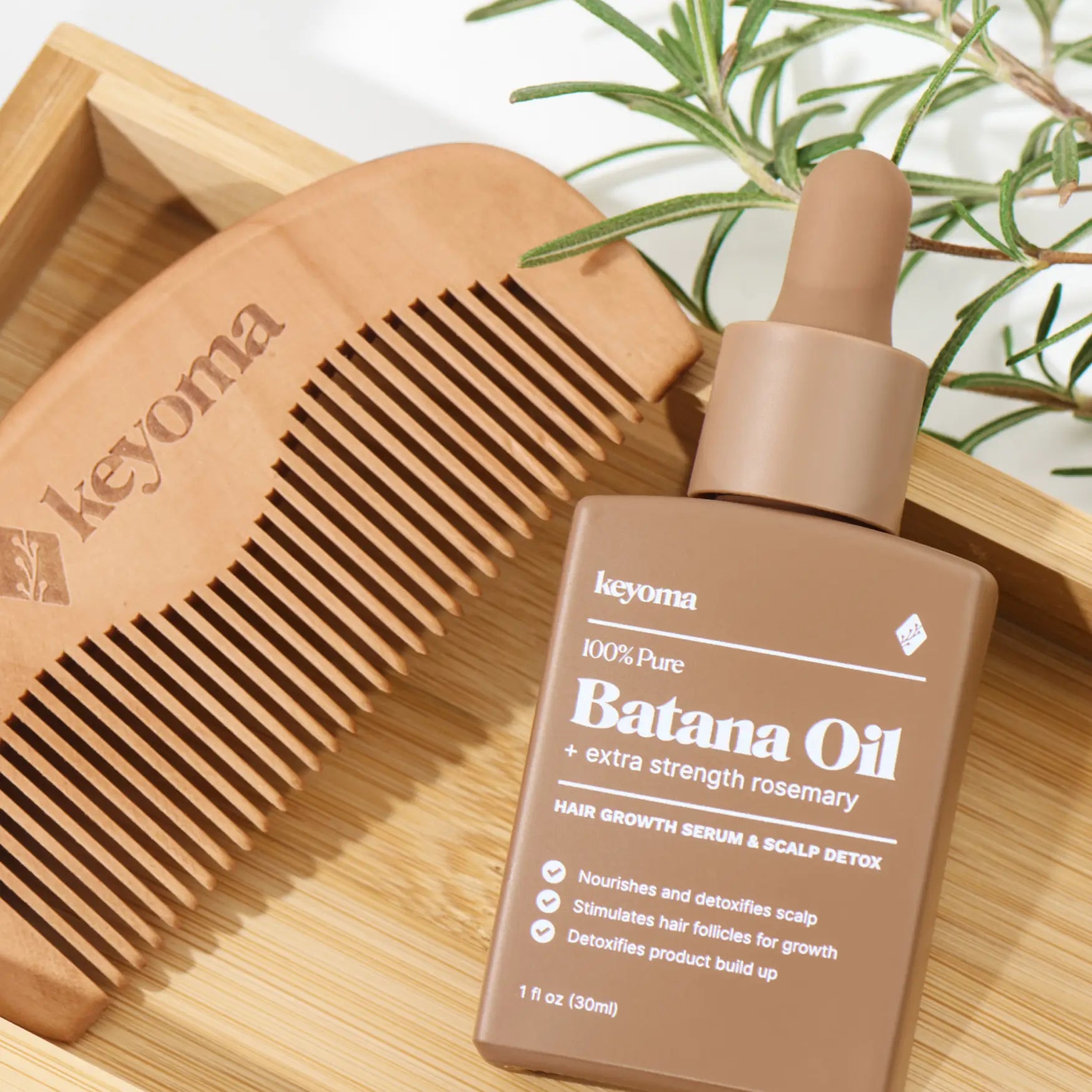
30% Off + 3 FREE Gifts
100% Pure Batana Oil + Rosemary
↓Best Batana Oil to Buy↓

1 Month
Subscribe & Save
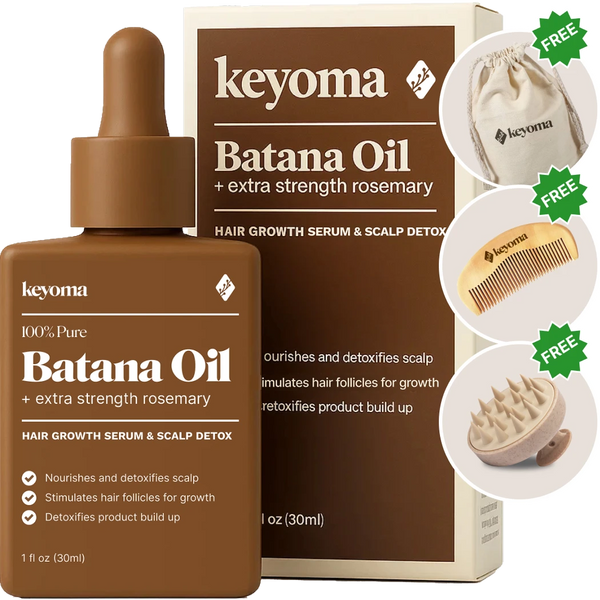


- 30-day supply delivered monthly $35
- 30% off for life $6
- Free haircare essentials kit $33
- Free custom wooden comb $10
- Free scalp massager $15
- Free eco-friendly travel bag $8
- 30-Day Money Back Guarantee
- Free Shipping
- Online portal for easy cancel, skip, or pause.
1 Month One Time Purchase
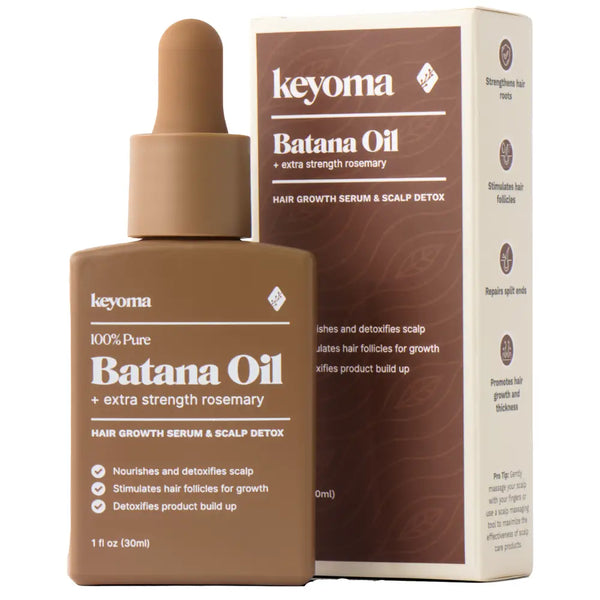
- 30-day supply $50
- 30% off for life $6
- Free haircare essentials kit $33
- Free custom wooden comb $10
- Free scalp massager $15
- Free eco-friendly travel bag $8
