
In this article
Hair porosity, or how well your hair holds onto moisture, matters more than many people realize. Even though brands make products for different hair types, levels of damage, and even hair colors, fewer formulas are truly designed for the distinct needs of low porosity vs. high porosity hair.
As a quick primer, every strand on your head is porous, meaning it absorbs moisture to some extent, but porosity can vary a great deal from one person to the next. Your hair’s porosity level can and should shape the products you use and when you use them. Below, you’ll learn the differences between low porosity hair and high porosity hair, how to identify your hair’s porosity level, and which products may fit your hair’s unique makeup and needs.
Key Takeaways
-
Low porosity hair has tight cuticles, so water and products soak in slowly.
-
High porosity hair has lifted cuticles, so it takes in moisture fast and loses it fast.
-
Low porosity routines favor warm water, lightweight formulas, and regular clarifying to cut buildup.
-
High porosity hair usually needs richer moisturizers, weekly deep conditioning, and less heat.
Which Hair Is Better, Low Porosity or High Porosity?
Neither low nor high porosity hair is automatically "better" because each has its own strengths and challenges: low porosity hair is often strong and shiny but resists moisture, while high porosity hair absorbs moisture quickly and loses it just as fast, which often leads to frizz and dryness.
Low porosity hair is often seen as healthier but usually needs heat and lightweight products to absorb, while high porosity hair needs protein and sealing products to help repair damage and lock in hydration.
Low Porosity Hair vs. High Porosity Hair: Which One Do You Have?
Matching your haircare routine to your porosity level can help support healthy-looking hair. Before you start adjusting your routine, use this guide to figure out which type of hair porosity you have:
What Is Low Porosity Hair?
Low porosity hair has tightly packed, closely layered cuticles, which makes it harder for water and moisture to get into the hair shaft. That also changes the way products settle on your strands. You may have low porosity hair if:
-
Hair products, especially extra moisturizing ones, stay on your hair and take a long time to absorb.
-
Your hair needs a long time to air dry.
-
Water does not soak into your hair very easily when you shower.
-
Your hair can appear dry and dull.
-
It may be resistant to chemical treatments.
What Is High Porosity Hair?
Unlike low porosity hair, high porosity hair has loosely formed cuticles. You may have high porosity hair if:
-
Water gets into your hair very easily when you shower.
-
Moisturizing products sink into your hair quickly.
-
Your hair air-dries quickly.
-
Your hair tends to get breakage and split ends.
Low Porosity and Hair High Porosity Hair: Key Differences

The main difference between low and high porosity hair comes down to the state of the cuticle, but because you cannot actually see your cuticles, the simplest way to spot your porosity is to watch how your hair acts from day to day. The points below show the clearest differences between low and high porosity hair during everyday care and styling.
Moisture Absorption
Low porosity hair has tightly closed cuticles, so water and moisturizing products have a harder time getting into the strand. Because of that, moisture often stays on the surface instead of soaking in. High porosity hair, by contrast, takes in moisture quickly because its cuticles are raised or damaged, but that moisture usually leaves just as fast.
Drying Time
Since low porosity hair resists water absorption, it often takes longer to get fully wet and can have an unexpectedly long air-dry time. High porosity hair absorbs water almost right away, so it usually dries much faster overall.
Product Compatibility
Low porosity hair is more likely to get product buildup, especially from heavy creams, oils, and butters that sit on top of the cuticle. Lightweight, water-based formulas usually work best. High porosity hair, on the other hand, often handles and even needs richer products that help fill gaps in the cuticle and lock in hydration.
Styling Results
Styles on low porosity hair may take longer to set, but they often last longer once they are in place. High porosity hair usually reacts fast to styling but may have trouble holding definition, smoothness, or shine through the day. Without enough moisture and sealing, styles can lose shape or frizz more easily.
What Influences Hair Porosity?
Genetics and age can shape hair porosity, but the way you care for your hair matters, too. Current evidence suggests, as noted in the International Journal of Trichology, that all hair is porous, though damaged hair is even more so.
Researchers observed that heat, UV exposure, and chemical processing, such as bleaching your strands, can sharply increase hair porosity, according to the Journal of Cosmetic Science.
To help protect your strands from damage, try to cut back on chemical treatments and on how often you use hot tools. When you go outside, shield your hair from the sun with UV-protective haircare products, a wide-brimmed hat, or a head scarf to help protect it from strong UV rays.
Low Porosity Hair Care Tips
Here are steps to care for low porosity hair:
-
Use warm water when bathing: Warm water can help people with low porosity hair because it slowly opens the cuticle and lets products move in more easily.
-
Opt for lightweight hair creams, shampoos, and conditioners: Low porosity hair usually takes in moisture better when you use lighter products.
-
Avoid product buildup: Low porosity hair may struggle to absorb products, so buildup can happen over time. To help prevent that, wash regularly with a clarifying shampoo from time to time.
-
Add humidity: If you live in a dry climate, try using a humidifier to bring more moisture into the air, which may help your hair hold onto hydration.
High Porosity Hair Care Tips
To help keep high porosity hair healthy and hydrated, try these steps:
-
Use heavy moisturisers: Choose rich products such as oils, butters, and thick creams to lock in moisture. They help seal the cuticle and reduce excess moisture loss.
-
Deep condition regularly: High porosity hair often benefits from regular deep conditioning. Use a moisturising mask at least once a week to replace lost moisture and bring back softness.
-
Avoid excessive heat: Heat styling can damage the already open cuticles of high porosity hair even more, which can make it more porous. Use hot tools less often and always apply a heat protectant when styling.
-
Use protein treatments sparingly: High-porosity hair may benefit from occasional protein treatments to add strength, but do not overdo them. Too much protein can leave hair feeling stiff and brittle.
-
Protect your hair while sleeping: Sleep on a silk or satin pillowcase, or wrap your hair in a silk scarf to cut down friction and reduce moisture loss overnight.
Best Oils for Low or High Porosity Hair
Hair oils do not act the same way on every hair type. Porosity changes how easily moisture and oils move through the hair shaft. Some oils absorb quickly and help support hydration. Others stay on the surface and help seal moisture inside the strand. The right oil depends on whether your hair has trouble absorbing moisture or loses it too quickly.
Best Oils for Low Porosity Hair

Low porosity hair has tightly packed cuticles. Water and products have a harder time getting into the hair shaft, so heavy oils can stay on the surface and cause buildup. Because of that, lightweight oils, fast-absorbing oils, and small-molecule oils usually work better.
Examples include argan oil, grapeseed oil, and jojoba oil. These oils are light and spread easily across the hair, which can help them absorb without leaving a greasy layer.
Low porosity hair often does better with oil on slightly damp hair or after gentle heat. I noticed lighter oils spread better for me on damp hair. Warmth can help lift the cuticle slightly so oil moves more evenly through the strand.
You can still use heavier oils, but usually in small amounts or in a warm oil treatment. Oils such as batana oil may work better when you warm them between your hands or blend them with lighter oils so they do not sit too heavily on the surface.
Best Oils for High Porosity Hair

High porosity hair has raised or damaged cuticles. Moisture gets in easily but leaves just as fast. Because of that, thicker oils often work better because they form a protective layer around the strand and help reduce moisture loss.
Examples include castor oil, olive oil, coconut oil, and batana oil. These oils are thicker and can help seal in moisture, smooth the cuticle, and support strand protection.
For high porosity hair, oils work best after moisturizer or leave-in conditioner. A friend with bleached hair found this kept her hair softer longer. The oil helps slow water loss and keep hair soft through the day.
Regular oil treatments may also help reduce dryness and improve how damaged strands look over time. With consistent use, sealing oils can support smoother texture and better moisture retention.
Test Low Porosity vs High Porosity Hair to Pick Products
Porosity determines whether your hair keeps moisture or loses it quickly, so stop buying products before you understand that one trait. Low porosity hair often resists absorption and gets buildup, while high porosity hair absorbs quickly and dries out just as fast.
Pure batana oil can suit both needs because it works as a flexible sealant that can smooth the hair surface and help hair feel softer without forcing a heavy routine.
Keep your focus on timing and control instead of piling on layers. When you match your oil use to the way your hair behaves, frizz can drop, shine can look cleaner, and wash days can feel more predictable.
Featured Product
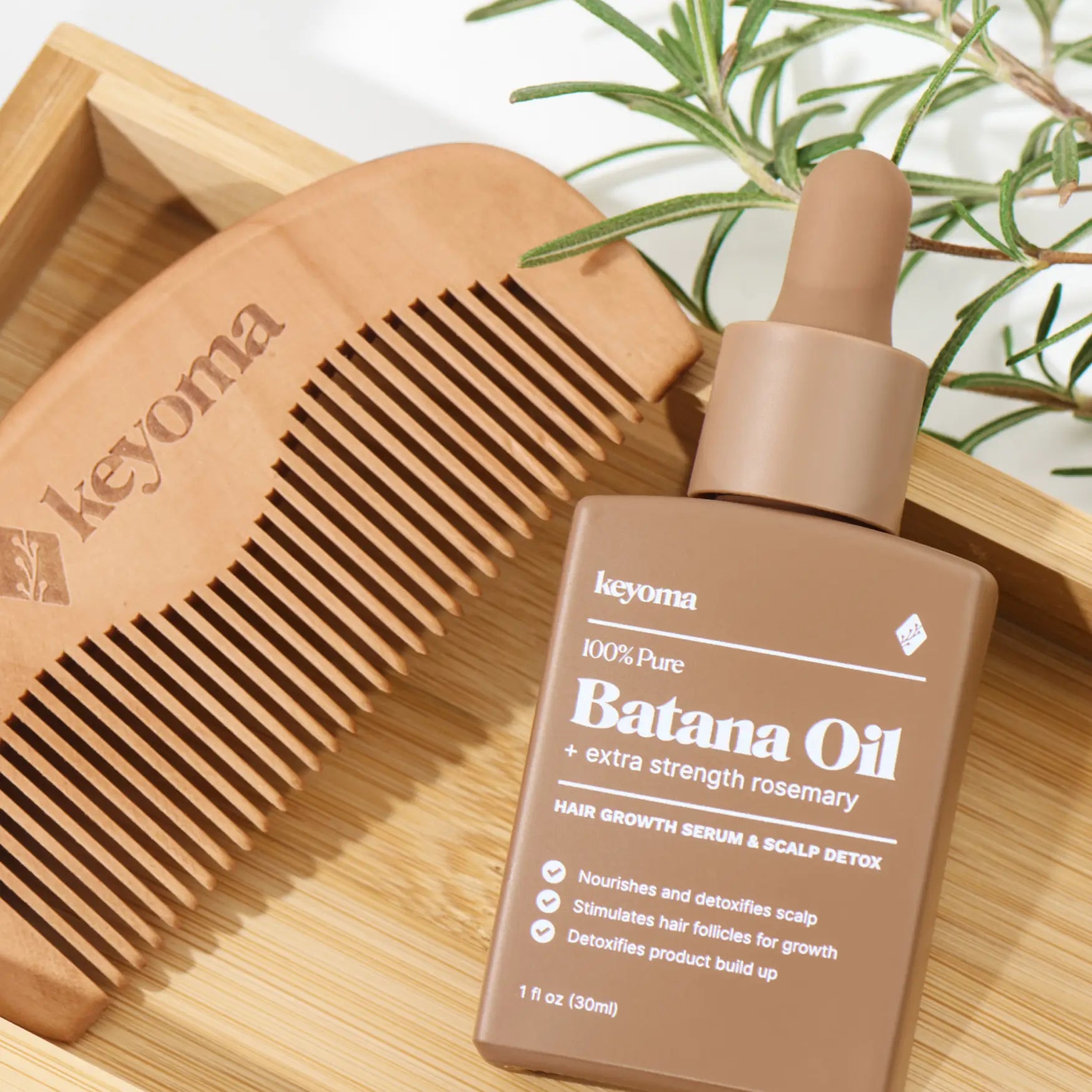
30% Off + 3 FREE Gifts
100% Pure Batana Oil + Rosemary
↓Best Batana Oil to Buy↓

1 Month
Subscribe & Save
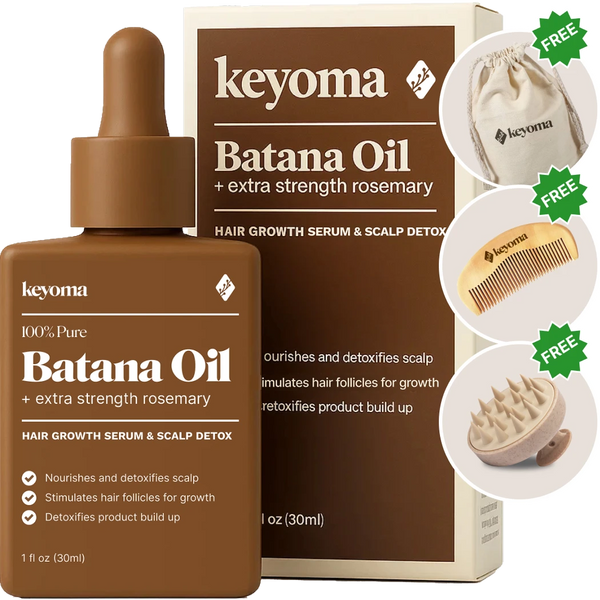


- 30-day supply delivered monthly $35
- 30% off for life $6
- Free haircare essentials kit $33
- Free custom wooden comb $10
- Free scalp massager $15
- Free eco-friendly travel bag $8
- 30-Day Money Back Guarantee
- Free Shipping
- Online portal for easy cancel, skip, or pause.
1 Month One Time Purchase
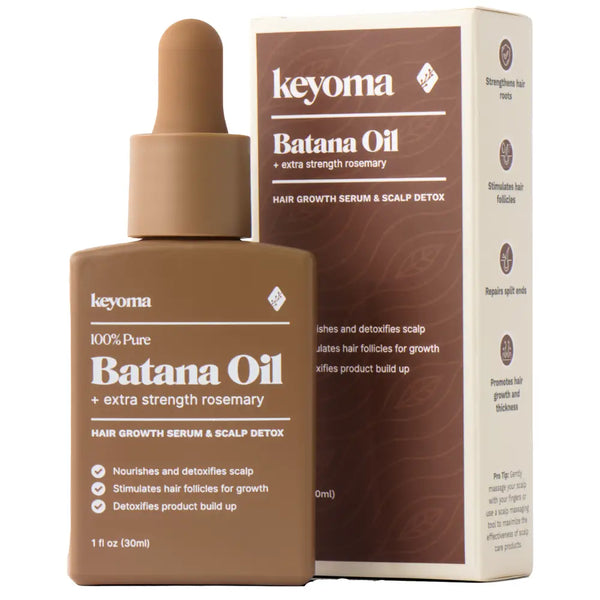
- 30-day supply $50
- 30% off for life $6
- Free haircare essentials kit $33
- Free custom wooden comb $10
- Free scalp massager $15
- Free eco-friendly travel bag $8
