

In this article
We know that healthy, shiny hair isn't lacking in protein. Because it promises a bouncy, voluminous sheen, it seems natural to reach for protein-rich hair products whenever we can. However, despite what our instincts tell us, too much of a good thing is possible. You might be over-doing it, depending on your hair type.
What is protein overload, what causes it, and how can you fix it? Keep reading to learn everything you need to know about this unsuspecting hair problem.
Key Takeaways
-
Protein overload is too much protein buildup, which leaves hair dry, brittle, and prone to breakage.
-
Common signs include more tangles, dullness, stiffness, and changes in how your curls look.
-
Overusing protein treatments, not using enough moisture, and using many protein products can cause overload.
-
Using clarifying washes and moisture-focused products, and getting trims can help bring back balance and softness.
What Is Protein Overload
When talking about your hair, protein overload means there's too much protein and keratin in the cortex of each strand. Keratin usually keeps your hair cuticle layers and follicles healthy and strong.
However, too much of it can cause excess protein to build up on the outer layer of your hair. This can lead to the opposite of what you want: dry and brittle hair that might break.
Signs of Protein Overload in Your Hair Routine

When it comes to protein, you really can overdo it. Learn the signs of protein overload to make sure your curls are as healthy as they can be:
Tangles That Keep Coming Back
If detangling your hair has become your least favorite chore, protein might be to blame. Hair with too much protein tends to tangle more easily, fighting against your brush or comb.
Protein buildup on hair cuticles can make the scales lift and lock with nearby strands. This increased friction between hair fibers leads to tangles happening more often.
Your detangling shouldn't feel like a workout. If you’re having a hard time, you may want to add some moisturizing hair products to your routine. I find that using a wide-tooth comb helps minimize breakage during detangling.
Changes in Your Curl Pattern
For those with curly hair, protein overload can really mess with your coils. Your curls might look limp or just strange if they have too much protein.
Curls form because of asymmetrical disulfide bonds in the hair shaft. Too much protein can create too many bonds, changing your natural curl pattern. This can make your curls form in weird ways or even straighten out in some spots. If you see some odd twists in your hair, you might have too much protein.
Dullness or Dry, Brittle Strands
Smooth hair cuticles reflect light, which gives hair its natural shine. Your hair should be as lively as you are! If your locks look a bit dull, protein buildup might be why.
Protein buildup can make the cuticle surface uneven. Instead of reflecting light evenly, this film scatters it, making your hair look dull.
Researchers observed that maintaining a smooth cuticle is key for shiny hair. Protein overload can also dry out your hair, leaving it feeling like straw. Proteins can temporarily fill gaps in the hair shaft, but too much protein stops moisture from getting in. Keratin repels water, so too much of it can block moisture from entering the hair shaft.
Common Causes of Protein Overload

Usually, protein overload happens when your hair care routine isn't balanced. Here’s what can cause it:
Overusing Protein Treatments
Protein masks, leave-ins, and conditioners are great for fixing damage, but using them too often or with other protein-rich products can cause buildup.
Skipping Moisture
Hydration keeps hair soft, shiny, and healthy. Using protein-heavy products without moisturizing treatments can leave hair stiff and brittle.
Layering Protein-Based Products
Many hair products, from shampoos to styling sprays, have hidden proteins like keratin, hydrolyzed collagen, or silk. Using multiple protein-based products in your routine can unintentionally cause overload.
Low Porosity Hair
Low porosity hair naturally doesn't absorb moisture well, so it's more likely to have protein buildup because it struggles to balance hydration. On the other hand, high porosity hair might handle more protein products.
Ways to Fix Protein Overload

Once you realize that protein buildup is why your hair looks damaged, you can start fixing it. This might take some time, and you may need to try a few different ways to repair your hair.
Clarify to Remove Buildup
Soaking your hair in warm water is a good way to start removing extra oils and buildup, but you’ll probably need a clarifying shampoo to really break down proteins that are stuck to your hair. Find a gentle clarifying shampoo made for your hair type.
Get a Trim if Ends Feel Stiff
If your hair feels heavy and hard to manage, trimming an inch or two of split ends might help. Protein may have been building up in the ends of your hair for a while, and those split ends aren't going to heal.
Use Essential Oils Safely With a Carrier
You can also loosen extra product and protein buildup on your scalp by mixing essential oils into a carrier oil.
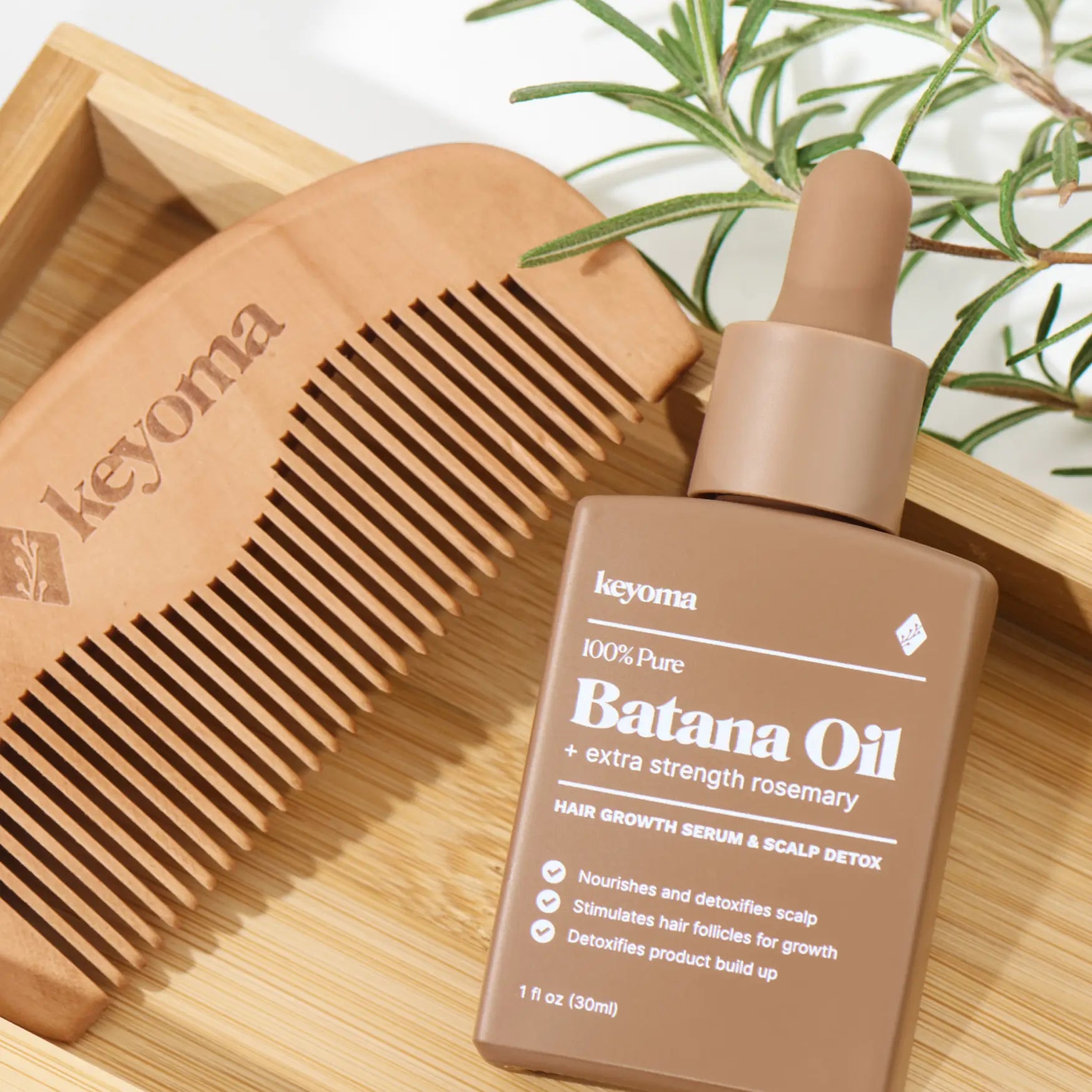
Peppermint, clary sage, and lavender oil can cleanse your scalp and help it circulate better. For a simple carrier, try Keyoma Batana Oil with Rosemary. It dilutes essential oils and gives your scalp and roots a nourishing oil base as you massage. My sister had great results using rosemary oil to stimulate her scalp.
Mix a few drops of essential oil into a small amount of Keyoma Batana Oil with Rosemary, then massage it into your scalp for a few minutes. Rinse and wash gently. Never put essential oils directly on your scalp without a carrier.
Products That Help With Protein Overload

The best products for fixing protein overload are deeply nourishing and hydrating treatments that remove extra protein and replenish hair.
Low-Protein Product Options
Natural hair products often work best for dealing with hair protein overload because they don't disrupt your hair's balance. Natural treatments like fermented rice water can make hair shinier and thicker without messing with its moisture balance.
Moisturizing Conditioners for Recovery
Deep hydration is key to repairing hair with too much protein. Choose a paraben-free conditioner that is pH-balanced to help your hair recover.
Repair-Focused Hair Treatments
Having a good hair care routine will help your hair and scalp recover from protein overload. Adding a rice water hair therapy kit with natural shampoo and conditioner to your routine will soothe and repair your hair as it recovers.
Reset Protein Overload With Moisture and Keyoma
Before you add another “repair” mask, do these three quick tests. First, check the labels of your shampoo, conditioner, and styler for keratin or “hydrolyzed” proteins. Second, wet a small section and feel it. Protein may be blocking moisture if it stays stiff and tangles quickly, since keratin is hydrophobic.
Third, wash with a gentle clarifying shampoo, then use a low-protein, moisture-focused conditioner and avoid protein products for two weeks. If your hair gets softer and easier to detangle, you’ve found the problem.
Check out the Keyoma Hair Care blog for more ingredient checks and reset routines.
Featured Product
30% Off + 3 FREE Gifts
100% Pure Batana Oil + Rosemary


