

In this article
Folic acid, also called folate, is referred to as vitamin B9 in France, Germany, and the United States. This B vitamin is essential for normal cell growth and function. Folate is involved in key processes such as DNA synthesis and making red blood cells. It also matters for hair, since it helps your body build keratin, the protein that forms hair structure.
When folic acid is low, hair can thin or shed more. That is one reason you will often find it listed in hair growth products. Below you will find what folic acid does and how it may support your hair as it grows.
Key Takeaways
-
Folic acid, also known as vitamin B9, supports cell growth and helps form keratin, the hair’s structural protein.
-
Insufficient folic acid can be linked with thinning, extra shedding, and more fragile strands.
-
You can get it from leafy greens, legumes, citrus, avocado, and fortified grains or cereals.
-
Supplements may cause side effects, so lab testing and medical guidance can make use safer.
What Is Folic Acid
Folic acid is a form of vitamin B-9. Folic acid is the synthetic form of the B vitamin folate. Common sources include multivitamins and sulfates. If you prefer to skip supplements, you can eat more dark leafy vegetables and legumes, since both provide plenty of folic acid.
It plays a meaningful role in supporting hair growth and can also help nails grow stronger and faster. People with lower levels of vitamin B are often advised to increase folic acid through diet or supplements. The recommended dose is 400mg a day. Still, you should check with a doctor before changing your diet
It is important to know your current folic acid status because taking more when you do not need it can cause side effects like fatigue, nausea, rashes, or reactions. No one wants that.
5 Possible Benefits of Folic Acids To Hair Health

If you are dealing with shedding, slow growth, low volume, or early changes in pigment, folic acid may be part of the bigger picture, especially when your overall diet has been low in folate.
Just keep in mind that hair changes are slow and depend on the cause, so folic acid is usually supported, not a solo fix. Here is the list of the most common ways it may help, and what each one means in real life.
Supports Keratin Production
Hair is mostly keratin, a structural protein that gives strands strength and shape. Folic acid helps your body create and renew cells, which matters because follicles constantly produce new cells that become the hair shaft. When folate is sufficient and cell activity is steady, follicles can work more smoothly, and new growth may look stronger and healthier over time.
Reduce Hair Loss
Hair shedding has many triggers, including stress, hormone shifts, illness, medications, genetics, and nutrient gaps. Folic acid may be most useful when low folate intake affects the scalp and follicles over time. Because folic acid supports red blood cell formation, it also supports oxygen and nutrient delivery to tissues, including the scalp.
Better delivery does not stop hair loss by itself, but it can help set the stage for a healthier growth cycle when nutrition has been a weak link.
It is also worth keeping expectations in check. If your hair loss is driven mainly by androgenetic factors, autoimmune issues, thyroid conditions, or major hormonal changes, folic acid alone will not fix it. In those cases, it still supports overall nutrition, but it is not a stand-alone treatment.
Slow Graying
Hair color comes from melanin made by pigment cells inside the follicle. Genetics and aging influence graying the most, but overall nutrient status can still support normal follicle function. Folic acid helps with routine cell renewal and tissue processes, which may indirectly support the environment that pigment cells need.
That said, graying is not usually a simple vitamin issue. If your grays started very early or seem unusually fast, consider checking for broader problems like B12 deficiency or thyroid disorders instead of assuming folic acid is the answer.
Support Faster Growth
Hair growth depends on how efficiently follicles keep producing new cells. Since folic acid supports DNA synthesis and cell division, it can help follicles work well when folate intake is low. With a stable scalp environment and well-functioning follicles, hair may grow more consistently over time.
One common mix-up is confusing faster growth with less breakage. If ends are snapping, it can seem like hair is not growing even when it is. Folic acid may support internal growth processes, but heat, chemicals, and rough handling can still limit visible length.
Improve Hair Volume
Hair volume depends on how many hairs are actively growing and how well strands hold up after they emerge. When follicles remain in a healthier cycle, you may notice fewer hairs dropping at once, more consistent regrowth, and strands that look healthier as new hair replaces old.
Over time, that can mean fuller-looking hair, but it is usually a slow change because hair grows in cycles and needs months to show visible progress.
How to Add Folic Acid to Your Hair Care Routine

Folic acid is a form of vitamin B9 that supports cell growth and red blood cell production, which can matter for hair because follicles are very active tissues. The key takeaway is that folic acid helps most when you have low folate intake or a true deficiency. If your levels are already fine, more is not automatically better.
This plan keeps things safe, helps you avoid over-supplementing, and still gives a clear, step-by-step path. It includes batana with rosemary oil as your topical step, since folic acid mainly works inside your body rather than as a hair oil.
Step 1: Start With the Real Goal
Decide what you want to improve, like shedding, slow growth, breakage, or thin-looking volume. This matters because folic acid can support the body’s growth processes, but it will not fix every cause of hair concerns, especially when the root issue is hormonal, autoimmune, or genetic.
If your shedding is sudden, severe, or keeps worsening, treat that as a sign to get medical guidance instead of guessing with supplements.
Step 2: Check Your Folate Baseline First
Before you add folic acid, confirm you actually need it. Many people do well through food alone. The NIH Office of Dietary Supplements lists 400 mcg DFE per day as the recommended amount for most adults, with different needs during pregnancy and breastfeeding.
If possible, ask for labs from a clinician, especially if hair changes came with fatigue, weakness, or other new symptoms. A dermatologist may use bloodwork to check for nutrient gaps and guide which supplements make sense.
Step 3: Make Food Your Daily Folic Acid Habit
The most reliable way to get folate is to make it part of your routine meals. Aim to include folate-rich foods regularly so your body has steady support for cell renewal and follicle activity.
If routines help, link this to something you already do daily, like breakfast or lunch, so it becomes automatic instead of something you forget.
Step 4: Add a Supplement Only If It Makes Sense
If your diet is inconsistent, you have confirmed low folate, or your clinician recommends it, then a folic acid supplement can help. Typical adult products provide 400 to 800 mcg folic acid, depending on the label.
Avoid treating high-dose folic acid like a shortcut. Large intakes can mask vitamin B12 deficiency by improving anemia signs while nerve issues continue, which is one reason to avoid megadoses unless a clinician advises them.
A simple safety rule is to use one supplement consistently, avoid stacking products that all contain folic acid, and re-check if you keep taking it for more than a few months.
Step 5: Pair Folic Acid With Scalp-Friendly Basics
Even though folic acid works internally, your scalp still needs a routine that limits irritation and breakage. Keep wash days consistent, focus on gentle cleansing, and avoid harsh habits that inflame the scalp or snap fragile strands. Lower water temperature tended to calm my scalp in winter months.
Think of this step as protecting the results you are building from the inside. Better internal support plus less external damage is usually smarter than chasing growth with a single product.
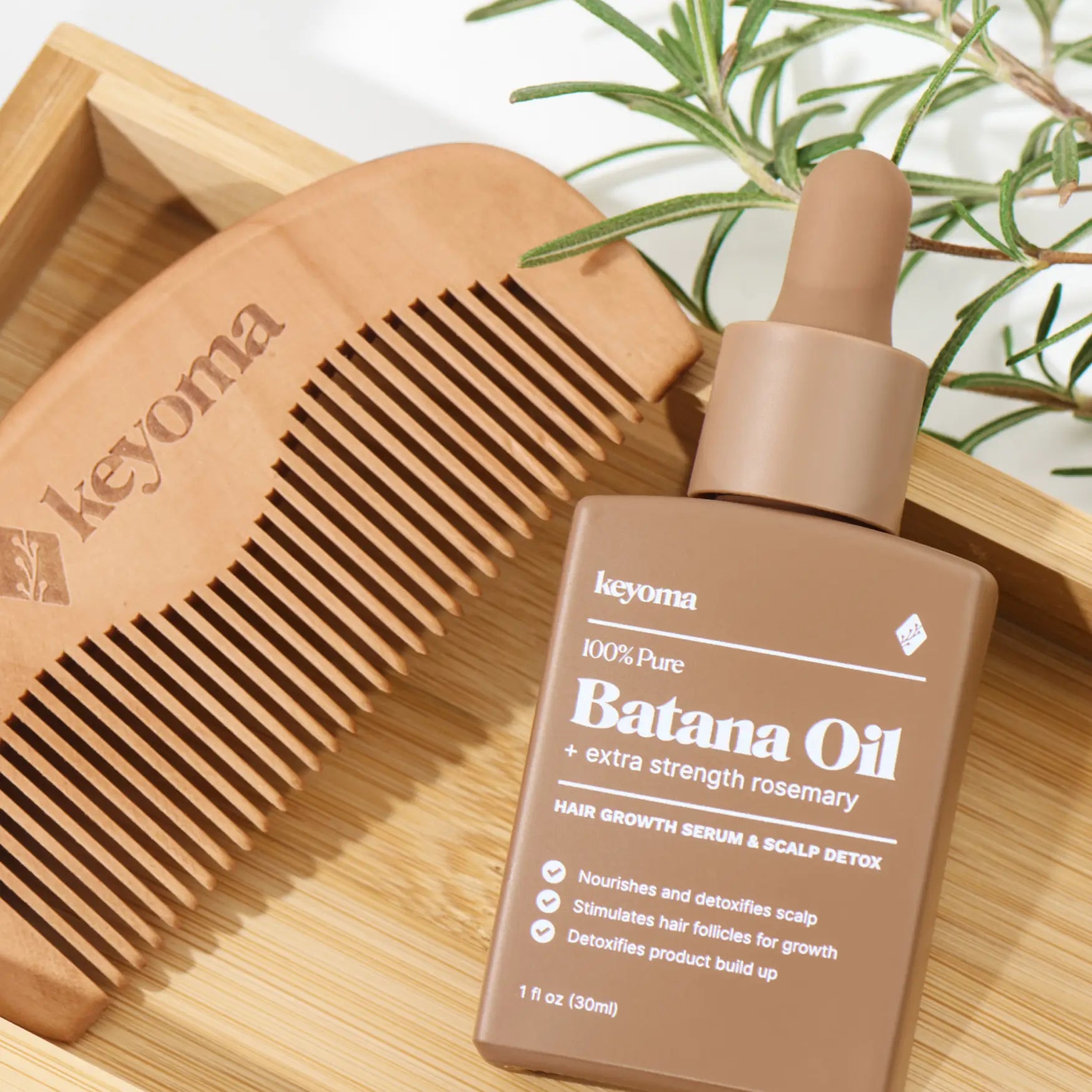
Step 6: Use Batana With Rosemary Oil as Your Weekly Treatment
This is where batana with rosemary oil fits best. Batana oil mainly helps with moisture, softness, and reducing the feel and look of dryness. There is no strong evidence that batana oil directly regrows hair, but it may improve scalp and hair condition, which can support better-looking hair over time.
Use Keyoma Batana with Rosemary Oil as a pre-wash scalp and hair treatment once or twice weekly. Apply a small amount to the scalp, massage for a few minutes, then smooth the rest through mid-lengths and ends. I noticed a 20–30 minute pre-wash oil made detangling easier.
Let it sit for at least 30 to 60 minutes before shampooing. If your hair is fine or your scalp gets oily easily, keep most of the oil on the lengths and use less on the scalp to avoid heaviness.
If you have dandruff, seborrheic dermatitis, or an easily irritated scalp, patch test first and stop if you notice itching or worsening flakes.
Step 7: Protect Your Length So Growth Shows Up
A lot of slow growth is really breakage. Support new growth by cutting back on daily length stealers like high heat, tight styles, and rough detangling. A wide-tooth comb often gave me slip without snagging during detangling. Folic acid can support internal cell production, but you still need your routine to help you keep the hair you grow.
If you heat style, use heat protection every time. If you tie your hair up often, rotate styles and keep tension low.
Step 8: Track Changes the Right Way
Hair moves slowly. Give your plan at least 8 to 12 weeks before you judge results, and track the same simple signs each week, like shedding in the shower, how your scalp feels, and whether your ends are breaking less.
If you see worsening shedding, bald patches, scalp pain, or no improvement after a few months, treat that as a cue to get evaluated. Hair loss often has multiple drivers, and targeted testing can save you months of trial and error.
Folate Rich Foods to Keep Hair Healthy

Folate (Vitamin B9) helps your body make new cells for everything from blood to hair, and like selenium and B12, it may help prevent premature graying. This is why you might see it listed in hair products, though it may appear as folic acid instead.
You are likely getting enough from food already, but if you are pregnant or curious, a quick blood test at your doctor’s office will confirm it.
Here is what the NIH recommends for daily intake:
- Teens 14–18 years - 400 mcg
- Adults 19+ years - 400 mcg
- Pregnant teens and women - 600 mcg
- Breastfeeding teens and women - 500 mcg
If you want to raise your folate intake, it is easy to add leafy greens, citrus fruits, avocados, eggs, and legumes to your meals. Many are folate-rich and simple to fold into daily habits. Below are seven favorites, their folate amounts, and ideas to work them into your diet.
Strawberries
250 grams of strawberries contains 50% of your needed daily folate intake, roughly one of the rectangular grocery store containers. Split it into two or three servings to help you meet your needs. Along with folate you will get vitamin C, potassium, antioxidants, manganese, and iron.
Slice eight strawberries and add them to a spinach salad for a folate boost. Mix a few into a smoothie or yogurt for breakfast or a snack. Strawberries also make an easy swap for chips at lunch or dinner since they are naturally sweet and can help tame midday or evening sugar cravings.
Oranges
With about 9% of your daily folate according to Healthline, these citrus fruits are an easy way to help meet your daily intake. Besides B9, you will also get vitamin C, fiber, a little protein, and potassium, all of which support hair health.
Blend an orange into your morning smoothie, or peel one to snack on during work or school. Squeeze a fresh orange for juice at breakfast or lunch. Or peel and section it for an evening TV snack as a better option than junk food.
It is simple to get enough folate when you plan ahead. Many foods you already enjoy contain plenty, so swap a couple of ingredients or add a few folate-rich options to recipes and you should be covered.
Spinach
Spinach is high in folate and provides vitamin C, iron, and potassium, making it a hair-friendly food. Iron helps carry oxygen to your scalp and follicles, and vitamin C acts as an antioxidant. Vitamin E helps protect your scalp from pollution and UV damage.
Add spinach to an omelet at breakfast, make a spinach-and-strawberry salad at lunch, blend it into smoothies, or sauté it with garlic for a dinner side. One cup is all you need.
Avocado
Also rich in B9, avocados help your hair with omega-3 fatty acids, magnesium, and vitamin E. The omega-3 fatty acids play roles in growth, and magnesium helps your body form the proteins that make up hair. Vitamin E can be eaten, or you can use vitamin E oil for healthy, shiny hair.
Have a side of guacamole when you grab tacos at lunch, or blend an avocado with bananas or other fruit for a breakfast smoothie. Try simple avocado brownie recipes for dessert, or slice it as a topping on a burger.
Eggs
It is no secret that eggs are good for your hair. They can help with luster and shine, and eggs provide selenium, vitamin A to help regulate the growth cycle and vitamin D for hair growth, plus iron. All are hair-healthy in the right amounts.
Fry a couple for breakfast, or add a hard-boiled egg to your spinach salad at lunch. Top a burger with a sunny-side-up egg, make egg salad for a snack, or serve deviled eggs as a simple appetizer at dinner.
Support Thinning Hair With Folic Acid and Keyoma Batana Oil
Choose a food-first plan unless you have a clear reason to supplement. Folic acid supports cell growth and keratin production, but taking extra when you do not need it can backfire with nausea, fatigue, or skin reactions.
Try this simple rule: if your diet is light on leafy greens, legumes, citrus, and fortified grains, focus on your plate for four weeks before buying a new pill bottle.
If you still want to move faster, get guidance first so you do not guess your dose. For more ingredient explainers and routine ideas that fit daily life, explore the Keyoma Hair Care blog.
Featured Product
30% Off + 3 FREE Gifts
100% Pure Batana Oil + Rosemary


