

In this article
Thick hair has plenty of upsides, but keeping it in good shape can be tough. You might spend ages working through knots, hoping the comb doesn’t snag. Then there’s frizz and split ends to manage. You’ll find practical steps here to make thicker-hair care easier.
Key Takeaways
-
Scalp oils and massage may support circulation and help hair look thicker with steady use.
-
Regular heat styling and chemical services raise breakage risk, which lowers overall density.
-
Thickening and volumizing formulas can briefly swell strands and lift roots for more body.
-
Nutrition, gentle scalp exfoliation, and careful styling habits can support growth and reduce shedding.
12 At-Home Ways to Help Hair Look Thicker

Understanding what weakens your hair matters, but action drives results. Chemical treatments and daily heat both create breakage that shrinks your overall strand count, while tight styles in the same spot can tear the cuticle and thin your ends.
Below are twelve practical methods that address breakage, scalp buildup, and styling damage without harsh fixes. Start with the changes that fit your routine.
1. Avoid Common Causes of Breakage
The top driver of hair breakage is chemical processing like hair color, relaxers, and some keratin services. Too-frequent coloring and relaxers cause the most trouble. You can lower breakage by skipping permanent color and bleach (including highlights and balayage), pausing hot tools, avoiding brushing when hair is wet, and loosening tight styles.
That plan won’t fit every lifestyle, and that’s okay. The expert recommends talking with your colorist to avoid overlapping color, since layering color on color raises the chance of breakage. It’s also reasonable to request a bond builder in your service. Bond builders can help shield hair from ongoing and future cuticle damage.
Trims are the only way to remove broken ends. Routine haircuts help, so aim for a cut every three months to keep hair at its best. To bring hair back to a healthy place you’ll need to cut about one inch above the break.
2. Limit Hot Tools When You Can
Round-brush blowouts, curling irons, straighteners, and diffusers can create the look of fullness, but daily heat can backfire. Heat damage leads to breakage, which works against thick, full hair. With fewer longer strands to build volume, lift gets harder.
If you like your tools, stick to the lowest effective heat and always use a heat protectant spray. If you’re blow drying, a hair expert suggests aiming a concentrator at the roots in the opposite direction of the fall to build lift that lasts.
The expert also recommends a light dusting of volumizing hair powder at the roots. Color-treated hair like mine does best with low heat and a protectant.
3. Pick Hairstyles That Reduce Tension
When warm weather hits, putting your hair up can keep you cooler. If you wear ponytails a few times a week, change the placement instead of using the exact same spot each time.
Wearing a tight elastic in one place can cause cuticle tears, especially if you yank it out or slide it higher by pulling the hair in two sections. Swap in a silky scrunchy and keep rotating your pony position.
4. Use Thickening and Texturizing Products
After washing with a targeted shampoo, build on that base with hair-thickening options like texture creams, texturizing sprays, and thickening tonics to boost fullness.
Plump Up Each Strand
Apply a thickening cream to towel-dried hair so it can coat and swell individual strands. This makes hair look and feel thicker, similar to a thickening shampoo.
Add Texture and Root Lift
Volumizing sprays or volumizing dry shampoos work best at dry roots to add grip, lift, and extra oomph. Try a thickening product on damp hair, then finish with a volumizer on dry hair to target both the roots and lengths for a fuller result. A pea-size amount is usually enough for shoulder-length hair.
Check Product Ingredients
Hair experts advise avoiding drying alcohols like ethanol, SD alcohol, propyl alcohol, or isopropyl alcohol. These swell the cuticle to make hair look fuller, but there are better ingredients that won’t dry and damage hair.
“Instead, choose volumizers with hydrolyzed oat protein and fatty alcohols such as cetyl or cetaryl. Also avoid man-made silicones that can weigh hair down.”
5. Use Volumizing or Thickening Shampoo
If you want more volume, start with a volumizing shampoo as your base. Volumizing shampoos help fatten and swell the cuticle for a lighter, airier feel. Both volumizing and thickening shampoos can help hair look fuller. Choose a sulfate-free option to cut down on buildup.
Thickening Shampoo
Thickening shampoos target each strand, while volumizing shampoos focus more on the roots. Thickening formulas add proteins, vitamins, polymers, and moisture to plump individual hairs so they appear wider. This works well to increase the look of thickness in fine hair.
Volumizing Shampoo
Volumizing shampoos focus more on adding lift to the roots. They help break down buildup around the scalp and infuse the hair with invigorating ingredients like caffeine, biotin, and meadowfoam seed oil.
6. Exfoliate Your Scalp to Reduce Buildup
If you’re doing most things right but your hair still falls flat, your scalp might be the issue. Over time, products and oils can build up on the scalp and weigh down roots. When you exfoliate your scalp, you scrub away product and environmental residue, leaving a clean surface that isn’t weighed down. Regular exfoliation can give strands a natural lift.
If you're experiencing thinning hair, working an exfoliating scalp massage into your hair routine could make a big difference. This not only increases blood flow to the scalp to encourage growth, but it can also unclog hair follicles that are blocked from growing due to sebum and product buildup. Over time, hair thinning and overall hair health may improve.
7. Try an Ayurvedic Scalp Massage
A hair expert favors brisk scalp work, including Ayurvedic head massage. Stimulation, circulation and oxygenation of the scalp supports healthy, vibrant, healthy hair growth. If you want to go further, the inversions like headstands and certain yoga poses can increase that stimulation.
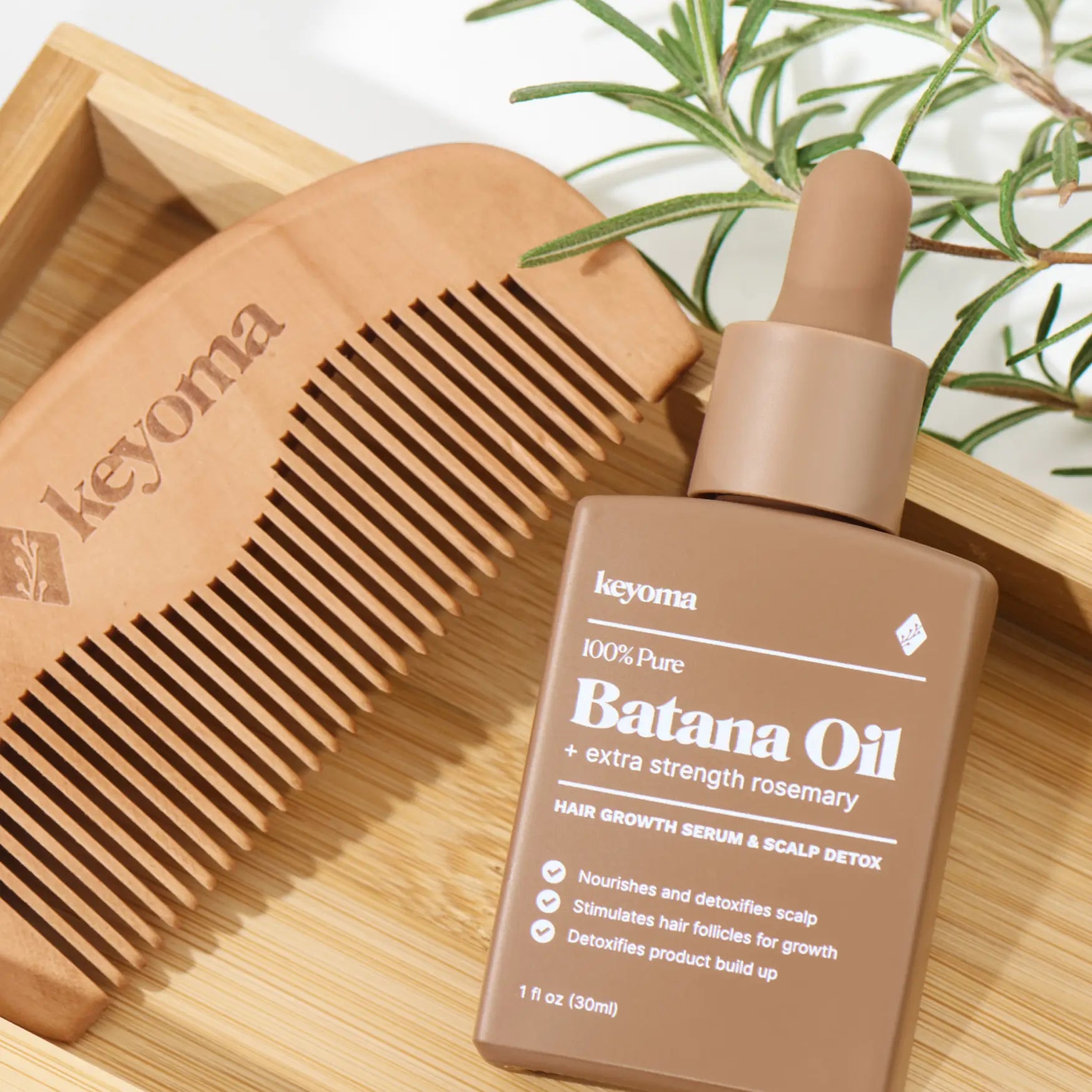
8. Try Keyoma Batana Oil With Rosemary
Several natural oils can support healthier follicles and growth-friendly conditions. One option that pairs nourishment with scalp care is Keyoma’s Batana Oil with Rosemary, which combines batana’s deep conditioning with rosemary’s scalp-stimulating effects.
Batana oil contains fatty acids and antioxidants that help strengthen strands, reduce breakage, and improve texture. With rosemary in the mix, the blend may support scalp circulation, encourage healthier-looking growth, and improve scalp comfort over time.
A lightweight blend also makes scalp massage easier without heavy residue. Apply a small amount to your scalp and lengths, work it in gently, and leave it on as a treatment or weave it into your routine to support thicker, fuller-looking hair from roots to ends.
9. Try Washing Hair in the Morning
Because hair absorbs moisture and leave-ins and swells as it dries, you’ll usually see more fullness after a morning style than after a night’s sleep. Tossing and turning can add frizz and breakage, so start fresh with a morning wash when you can. Clarifying every other week kept my ends light.
10. Use a Cool Dryer Setting
A cool-air dryer is a smart pick, but the key is the very lowest fan setting with a diffuser. Skip power along with heat for the best outcome. It may take longer than a typical blow-dry, yet the fuller look tends to last, the expert notes.
11. Eat for Hair Density Support
You can’t permanently change the diameter of each hair. Thickening products can temporarily swell strands, but fine hair is largely genetic and won’t convert to coarse hair.
Still, supporting healthy growth can increase the number of strands, which can boost overall thickness. Keep your scalp comfortable, nourished, and balanced to give hair a better environment to grow at its best. Over time, this can make your hair look fuller.
Trichologists often suggest adding hair-supportive foods to a balanced diet to promote strong strands. Look for options rich in fatty acids, protein, and vitamins A, B, C, and E, especially if you’re dealing with active hair loss.
12. Consider a Hair Supplement
Just as you might take vitamins for immune support and general health, a hair supplement can help you work toward your goals. Vitamins linked to hair growth include vitamin C, E, B, D, and A.
It’s worth researching which supplements may fit your needs, and it’s best to talk with your doctor or a holistic provider first. Since vitamins can be pricey, know which ones are most likely to help and have professional backing.
Get Thicker Hair With Scalp Care, Less Heat, and Keyoma
Skip chasing “thicker hair” with heavy products that quietly cause buildup and flat roots. A better focus is what changes fastest: breakage and scalp health. If you use oils, masks, and stylers often but still look flat, exfoliate your scalp to clear residue that can block lift and make thinning more obvious.
If you depend on heat or tight styles, rotate placements and book trims about every three months so splits don’t travel and thin your ends. To add one simple, growth-friendly step without redoing your routine, buy Keyoma’s Batana Oil with Rosemary directly from our website.
Featured Product
30% Off + 3 FREE Gifts
100% Pure Batana Oil + Rosemary


