Medium Porosity Hair: How To Keep It Strong, Soft, And Balanced
Written by

Published on Dec 29, 2025

In this article
Medium porosity hair is one of the three hair porosity types. Sometimes known as normal porosity hair, it is one of the easier types to maintain and care for. As with other types, the ability to absorb and hold water varies compared to low and high porosities. As with any haircare routine, feeding your curls with the best ingredients and the right products is paramount to enjoying healthy locks.
Key Takeaways
-
Medium porosity hair has half open cuticles, absorbing moisture easily without losing it quickly.
-
Spray and float tests, balanced moisture, and moderate drying time help identify medium porosity.
-
Care focuses on gentle shampoos, occasional clarifying, light conditioners, and avoiding heavy buildup prone formulas.
-
Balanced deep conditioning, cautious heat styling, healthy nutrition, and plant oils keep strands strong and smooth.
What is Medium Porosity Hair?
Medium porosity hair is characterized by a looser cuticle structure. Hair cuticles are the scales that cover the hair’s surface and control how much moisture can enter into the hair shaft.
In the case of medium porosity hair, they are half-way open, which means that moisture can reach inside the hair shaft quite easily, but at the same time it is not lost too quickly.
It’s the easiest porosity type to manage. It’s important to remember though that with heat, bleaching or coloring the hair gets damaged and the porosity can change over time.
How to Identify Medium Porosity Hair?

Not all hair drinks up moisture the same way. Some hair types hoard hydration, while others let it slip away like a leaky faucet. Medium porosity hair absorbs just enough moisture to stay hydrated but doesn’t drown in it. But how do you know if you have it?
1. Medium Porosity Hair Porosity Test
Try this:
Spray Test
Spritz water on a section of dry hair. If it sits on top for too long, you likely have low porosity hair if it absorbs instantly, high porosity hair. But if it soaks in at a moderate pace, bingo—you’re medium porosity.
Float Test
Drop a clean strand of hair into a glass of water. If it floats, low porosity. If it sinks right away, high porosity. If it hovers somewhere in the middle? Congratulations, you’re in the medium porosity club.
2. It Holds Styles Well Without Being Fussy
Your hair isn’t a diva—it takes styling products well but doesn’t demand an entire chemist’s lab to behave. Curl creams, mousses, and gels do their job without overloading your strands, and heat styling isn’t a total disaster.
3. Balanced Moisture—Not Too Greasy, Not Too Dry
Somewhere between “I need a deep conditioner every day” and “My hair hates products” is medium porosity hair. It retains moisture without turning into an oil slick or a dry mess.
If you’re nodding along to most of these, congrats—you’ve got the most manageable porosity type. But even hair that behaves well needs the right care.
4. Your Hair Absorbs Water, But Doesn’t Stay Wet Forever
Medium porosity hair takes in moisture efficiently but doesn’t hold onto it for an eternity. It dries at a moderate rate—not within minutes, but not hours either. If your wash days don’t feel like a waiting game, that’s a big sign.
How to Care for Medium Porosity Hair?

Your medium porosity hair care routine is about keeping things running smoothly. Your cuticles are naturally balanced, allowing moisture in and holding onto it without much drama. But that doesn’t mean you can slap on any product and expect perfect hair. The key is, give your hair what it needs—without overdoing it.
Here’s how to keep medium porosity hair in its prime—strong, hydrated, and thriving.
Use Gentle Shampoos and Conditioners
Medium porosity hair usually does best with a routine that keeps things clean and balanced.
It can handle products pretty well, but it also collects buildup faster than you might expect, especially if you use creams, oils, dry shampoo, or lots of styling products. The trick is cleaning your scalp and strands without stripping them so hard that your hair turns dry, rough, and frizzy.
Go Gentle for Most Washes
Use a mild, sulfate-free shampoo for your regular wash days. It should lift sweat, oil, and product without leaving your hair feeling squeaky or stiff. Focus on your scalp first, since that’s where most buildup and oil live. Let the suds rinse through the lengths instead of aggressively scrubbing the ends.
Clarify When Your Hair Feels “Coated”
Even with gentle shampoo, buildup happens. Use a clarifying shampoo only when you actually need it, like when your roots feel heavy, your hair looks dull, curls won’t form, or your scalp feels itchy. Most people do well clarifying every 2–4 weeks, but your schedule depends on how much product you use and how hard your water is.
Condition Without Weighing Hair Down
Medium porosity hair often likes a lightweight conditioner that hydrates and smooths without leaving a thick film behind. Apply it from mid-length to ends, detangle gently, and give it a couple minutes to work before rinsing. If your hair gets flat easily, rinse a little more thoroughly. If your ends feel dry, leave a tiny bit more slip on the last rinse.
Pay Attention to What Clean Feels Like
Clean hair should feel light and soft, not stripped. If your scalp gets oily fast, you might need slightly more frequent washing, not harsher shampoo. And if your ends feel dry after every wash, your cleanser might be too strong, or you may need to focus the conditioner a bit more on the ends.
Your hair doesn’t need to be squeaky to be clean. Keep your routine gentle, clarify only when necessary, and condition with just enough moisture to stay smooth and easy to manage.
Make Room for Batana + Rosemary Oil
This is your “seal and protect” step. Medium porosity hair usually absorbs moisture well, but it can still lose it through the ends, especially if you heat style, color, or spend a lot of time in the sun. Batana with rosemary oil fits best after wash day styling, or as a light scalp and hairline routine when your hair needs extra support.
After Washing (Best Time to Use It)
On damp hair, warm 2–4 drops between your palms and smooth it over mid-lengths and ends. Start small. You can always add more, but using too much can make medium porosity hair look heavy.
Between Wash Days (When You Need a Boost)
If your ends feel dry or frizzy, use 1–2 drops to smooth flyaways and help your hair feel softer. Keep it off the roots if you get oily easily.
For Scalp Care
If your scalp feels dry or tight, massage a tiny amount into the scalp 1–2 times per week, then wash it out on your next shampoo day. If you’re prone to buildup, keep this step light and don’t do it too often.
Deep Conditioning
Deep conditioning can be a game-changer for medium porosity hair, but only when you use it with some restraint. Medium porosity strands usually absorb moisture well and hold onto it decently, so piling on heavy treatments too often can leave your hair feeling weighed down, limp, and harder to style.
The goal isn’t to drench your hair in moisture. The goal is to keep it flexible, smooth, and balanced. A good starting point is deep conditioning every other week. If your hair is color-treated, heat-styled a lot, or feels rough from weather changes, you can bump it to once a week for a short stretch.
But if your hair starts looking flat or takes forever to dry, that’s usually your cue to pull back.
Choose the Right Formula
Look for a deep conditioner that supports both moisture and strength. Medium porosity hair often does best with a mix, not an all-moisture mask every time. Rotating between a richer moisturizing mask and a lighter strengthening or protein-balanced treatment can keep your hair from swinging too far in either direction.
Avoid Heavy Treatments on Repeat
Super thick masks, buttery formulas, and constant leave-ins can build up and make hair feel coated. If your roots look greasy faster, curls lose shape, or your hair feels “mushy” when wet, you may be overdoing moisture.
Let your hair tell you what it needs:
-
If your hair feels dry, rough, and tangly, add moisture and consider a deep condition.
-
If it feels soft but weak, breaks easily, or won’t hold a style, you may need a bit more strength and less heavy moisture.
-
If it feels limp and flat, reduce deep conditioning and clarify if buildup is an issue.
Deep conditioning is helpful, but it’s not a daily fix. Use it like a boost, not a crutch, and your hair will stay bouncy, smooth, and easier to manage.
Heat Styling
Your hair can handle a lot, but constant high heat is one of the fastest ways to rough up the cuticle. Over time, hot tools can dry out the strand, make frizz harder to control, and leave hair feeling more porous and “straw-like.” You don’t have to quit heat styling forever. You just need to use it like it costs you something.
Heat Protectant
This is the step you don’t skip. Use a heat protectant spray, cream, or serum before blow drying, straightening, or curling. Focus on mid-lengths and ends, where damage shows up first.
Turn the Temperature Down
Most people use way more heat than they need. Start lower and only go up if your hair truly isn’t responding. Slower passes at a moderate setting usually beat one aggressive pass at max heat.
Mind Your Tool Habits
Limit how often you use hot tools, and avoid going over the same section again and again. If you heat style often, try to space it out and rely on heatless styles on “in-between” days.
Pay Attention to The Signs
If your hair suddenly feels drier, tangles more easily, or looks dull, treat that as a warning. Add moisture, reduce heat for a week or two, and let your hair bounce back. Heat doesn’t have to ruin your hair, but mindless heat will. Protect your cuticle now, and you’ll spend a lot less time fixing damage later.
Feed Your Hair From the Inside
Hair care isn’t only about what you put on your strands. What you eat and drink plays a big role in how strong, smooth, and resilient your hair feels. When your body is running low on key nutrients or you’re not drinking enough water, hair often shows it first. You may notice more breakage, dullness, or slower growth over time.
Protein
Hair is made mostly of protein, so getting enough helps support stronger strands and less snapping. Try to include a solid protein source in each meal, like eggs, chicken, fish, Greek yogurt, beans, tofu, or lentils.
Healthy Fats (Omega-3s)
These support a healthier scalp and can help hair look softer and less dry. Good options include salmon, sardines, walnuts, chia seeds, flaxseed, and avocados.
Hydration
If you’re dehydrated, hair can start feeling rough and brittle. Aim to sip water throughout the day instead of trying to catch up all at once. If you sweat a lot or drink lots of coffee, you may need more.
Small, consistent habits add up. Feed your body well, stay hydrated, and your hair usually responds with better strength and shine.
Things to Avoid For Medium Porosity Hair
Sensitized hair, which is fast to weigh down, doesn't tolerate heavy and thick masks and creamy shampoos that build up at the roots and are hard to rinse from medium porosity hair.
The composition of cosmetics is equally important. It must be realized that medium porosity hair might get dehydrated and dull definitely faster due to being in contact with synthetic substances in shampoos and conditioners.
Shampoo constituents that medium porosity hair doesn't get along with are: monohydroxy alcohol (dehydrate), silicons (reside on hair), strong detergents and preservatives (irritate).
Also, try to avoid heavy, comedogenic and hard-to-remove silicones such as simethicone, trimethicone, trimethylsiloxysilicates.
Furthermore, always check whether a particular oil, mask or conditioner that you want to apply is suitable for your hair type. In the case of medium porosity hair, the less means more. Therefore, use just a few cosmetics which are high quality and which play in tune with your hair structure.
Start Your Medium Porosity Hair Care Routine With Keyoma
Reset your medium-porosity routine based on how your hair behaves, not how it looks. If it feels coated or your curls fall flat, you likely have buildup, so clarify once and cut back on heavy masks for two weeks.
If it feels rough or frizzy, keep conditioner light but consistent, then seal after washing. On damp hair, smooth 2–4 drops through mid-lengths and ends, skipping the roots if you get oily fast.
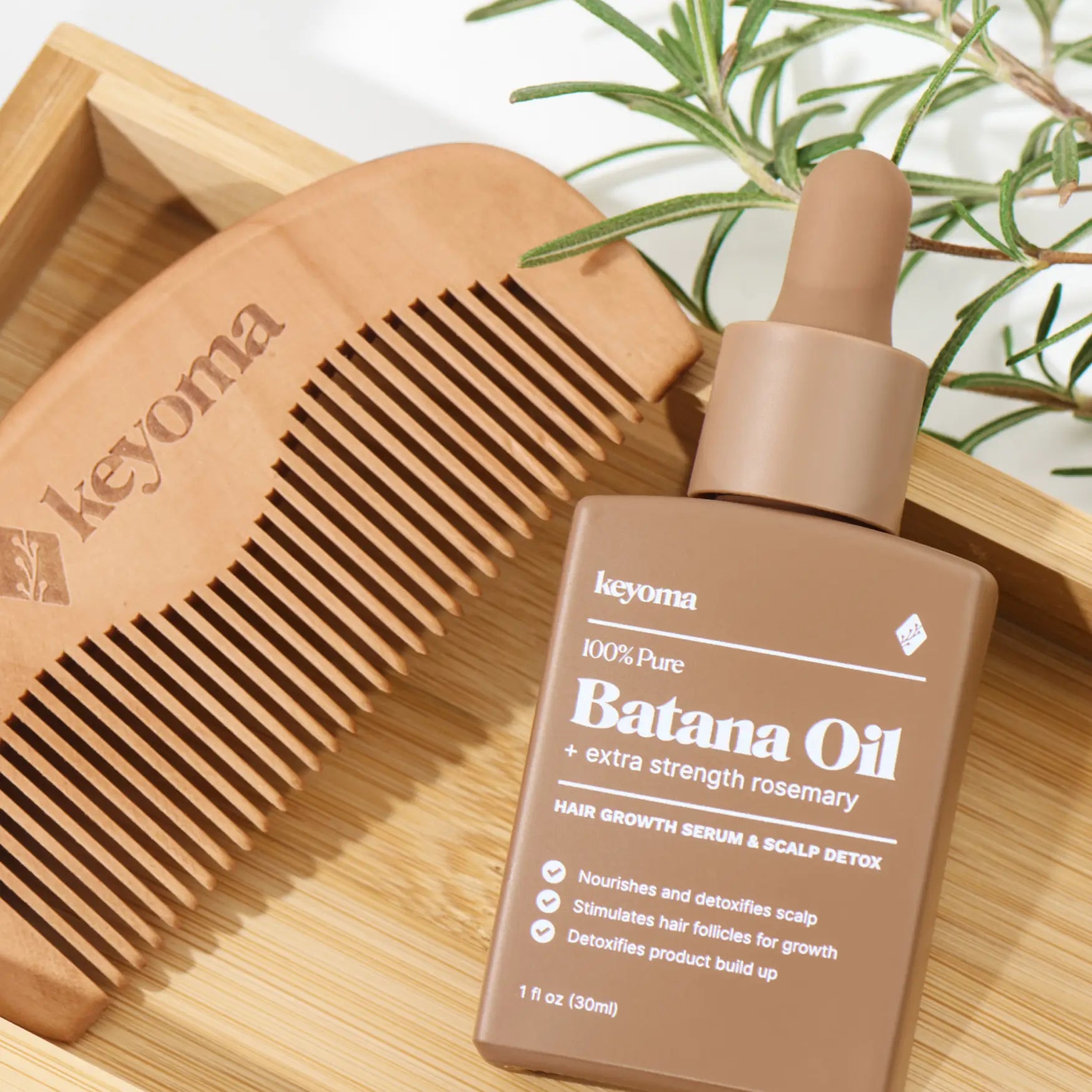
Your goal is slip and protection, not shine at any cost. Ready to lock in balance? Buy Keyoma Batana Oil with Rosemary direct from Keyoma, or shop it in the Keyoma Amazon store.
Featured Product
30% Off + 3 FREE Gifts
100% Pure Batana Oil + Rosemary
↓Best Batana Oil to Buy↓

1 Month
Subscribe & Save
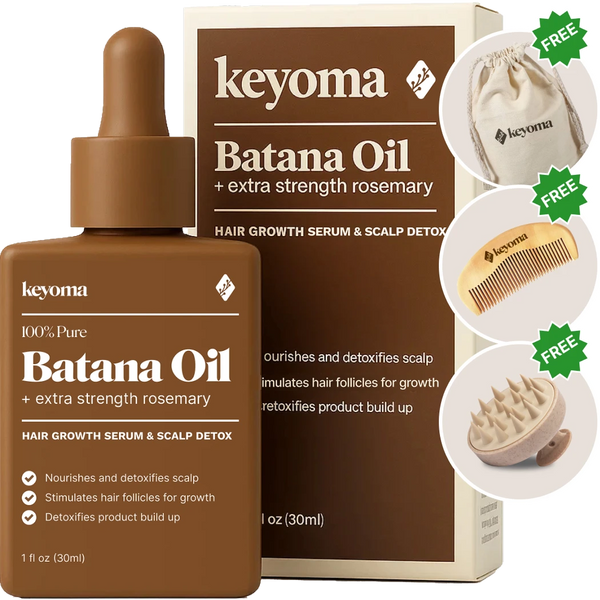


- 30-day supply delivered monthly $35
- 30% off for life $6
- Free haircare essentials kit $33
- Free custom wooden comb $10
- Free scalp massager $15
- Free eco-friendly travel bag $8
- 30-Day Money Back Guarantee
- Free Shipping
- Online portal for easy cancel, skip, or pause.
1 Month One Time Purchase
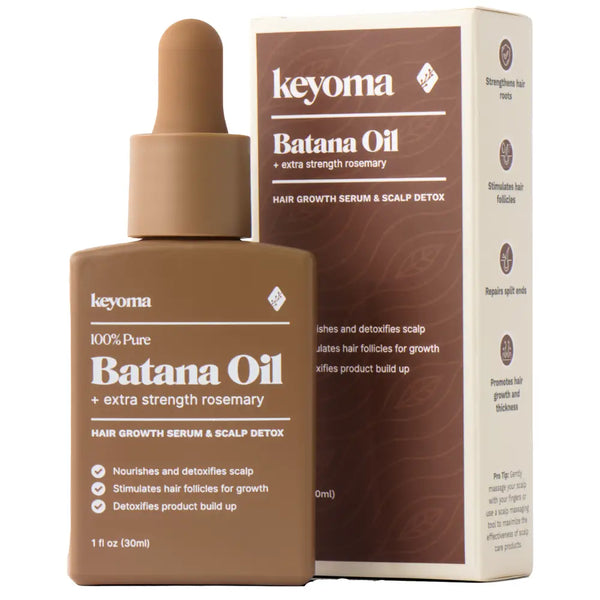
- 30-day supply $50
- 30% off for life $6
- Free haircare essentials kit $33
- Free custom wooden comb $10
- Free scalp massager $15
- Free eco-friendly travel bag $8
