

In this article
Before applying batana oil with rosemary across your scalp, do a small patch test first. A patch test batana oil with rosemary routine helps you see whether your skin reacts to the finished blend before you use it more widely.
The goal is not to make the process feel scary. It is a simple safety step, especially because rosemary oil is an essential oil and the scalp can be reactive. A small test can help you spot redness, itching, burning, bumps, swelling, or tenderness before the blend touches a larger area.
Patch testing also gives you a calmer way to start. If the test area stays clear, you can move slowly into a small scalp application instead of coating your whole scalp on the first try.
Key Takeaways
-
Patch test batana oil with rosemary before full scalp use.
-
Test the finished diluted blend, not undiluted rosemary oil.
-
Wait at least 24 hours, or longer for sensitive skin.
-
Stop for burning, redness, swelling, bumps, or rash.
Why Patch Testing Matters Before Using Batana Oil With Rosemary
A patch test is a small-area test you do before applying a new product more broadly. The American Academy of Dermatology says testing skin-care products on small areas first can help predict whether a product may cause a negative skin reaction.
Batana oil may be used as the carrier base, but the finished blend still needs to suit your skin. Rosemary oil is more concentrated than a basic carrier oil, so dilution and skin tolerance both matter. If your scalp is already reactive, tender, or quick to itch, a cautious approach to oils for sensitive scalp can help you avoid pushing the skin too far.
Natural oils can still irritate some people. DermNet notes that essential oils can trigger allergic contact dermatitis in some users, and these reactions may show up after a delay rather than right away. A clear patch test lowers risk, but it does not promise that a full scalp application will always feel perfect.
Before You Start: Test The Finished Diluted Blend
Patch test the product or mixture exactly as you plan to use it. If you bought a ready-made batana oil with rosemary blend, test that finished blend. If you are making your own mixture, dilute the rosemary essential oil first and test only the diluted version.
Do not patch test undiluted rosemary essential oil. DermNet advises against applying neat, undiluted essential oils directly to the skin because this can raise the risk of sensitization. If you are mixing your own product, follow a safe dilution process before testing it on your skin. For DIY users, this how to dilute rosemary oil for hair guide can support the preparation step.
Choose calm, intact skin for the test. Avoid areas that are broken, scratched, inflamed, freshly shaved, sunburned, or already irritated. Do not test several new products in the same spot at once, and keep the oil away from your eyes.
Where To Patch Test Hair Oil
A good test spot should be small, easy to check, and unlikely to rub against clothing. The scalp can be hard to monitor closely, so it is usually better to test on a visible skin area first.
Common patch test areas include:
-
Inner forearm, because it is easy to see and check throughout the day.
-
Bend of the elbow, because it is a common test area for skin-care products.
-
Behind the ear, because it sits closer to the hairline and can be useful for hair products.
The AAD recommends choosing a small area such as the underside of the arm or the bend of the elbow when testing a product. Behind the ear can also be practical for hair oil, but do not treat it as a perfect match for scalp skin. It is simply a small, easy-to-watch area that helps you screen for obvious irritation before wider use.
How To Patch Test Batana Oil With Rosemary

Use a clean, simple process. The test should use less oil than you would apply to your scalp, and the area should be left alone long enough to show whether your skin is comfortable with the blend.
Step 1: Clean And Dry The Test Area
Wash the test area gently with mild cleanser and water, then let it dry. Do not apply lotion, perfume, exfoliants, fragrance, or another oil to the same spot first.
A clean test area gives you a better read. If the skin already has several products on it, you may not know which product caused a reaction.
Step 2: Apply A Tiny Amount
Use a clean fingertip or cotton swab. Apply a thin layer of the finished diluted blend to a small area, roughly the size of a coin or smaller.
Do not massage it in aggressively. The goal is light contact, not a full treatment. Heavy rubbing can make the area red on its own and confuse the result.
Step 3: Leave It Alone
Let the oil sit without scratching, rubbing, or covering it tightly. Keep the area dry if possible, and avoid adding more product over it.
If the product is meant to be washed off after a set time, follow that use pattern. If it is meant to stay on the scalp, leave the test spot alone unless discomfort appears.
Step 4: Check For Reactions
Check the area after a few hours, then again at 24 hours. For sensitive skin or essential-oil blends, keep checking at 48 hours and even up to 72 hours.
DermNet explains that allergic contact dermatitis from essential oils can be delayed and may appear 24 to 72 hours after exposure. That delay is why a quick five-minute check is not enough for a sensitive scalp patch test.
Step 5: Decide What To Do Next
If the area looks and feels normal, you can try a very small scalp application next. Pick one calm scalp section instead of applying the oil everywhere.
If the test area becomes red, itchy, swollen, painful, bumpy, or irritated, wash it off and stop using the blend. Do not apply more oil to “calm it down,” because adding more product can make the reaction harder to manage.
How Long Should A Patch Test Take?
A basic patch test should last at least 24 hours. For sensitive skin, reactive scalps, or essential-oil blends, 48 to 72 hours is safer because some reactions do not appear right away.
A home patch test is not the same as a dermatologist’s diagnostic patch test. It is a practical first-use screen. Dermatology sources describe more formal patch testing as a longer process, with test areas checked over several days when allergic contact dermatitis is being investigated.
Even after a clear test, start slowly. Amount, frequency, scalp condition, and product layering can change how your skin responds. A small arm test may look fine, but a full scalp application can still feel heavy or irritating if you use too much product or apply it to already inflamed skin.
What Reaction Means You Should Stop?
Stop using the oil if the patch test area starts to feel uncomfortable or looks visibly irritated. Mild warmth that fades quickly is different from burning, swelling, or itching that keeps building.
Watch for these stop signs:
-
Redness, rash, or swelling at the test area.
-
Burning, strong itching, or stinging that does not settle.
-
Bumps, tenderness, or flaking that appears after application.
-
Blisters, raw skin, or open/weeping skin.
-
Pain or spreading irritation beyond the test spot.
DermNet lists itching, redness, and scaling among common features of allergic contact dermatitis from essential oils. The AAD also advises washing a product off and not using it again if a skin reaction develops.
Wash the area gently with mild cleanser and water. Avoid exfoliating, scrubbing, or layering more oil over the reaction. If irritation is severe, spreading, painful, blistering, or not improving, contact a dermatologist or healthcare professional. For broader warning signs, it may help to review when to stop scalp oiling before trying the product again.
What To Do If The Patch Test Looks Clear
A clear patch test is a good sign, but it is not a reason to rush. Your next step should be a small scalp application on calm skin. Apply less than you think you need, then wait to see how your scalp feels.
For the first scalp use:
-
Apply the blend to one small scalp section.
-
Avoid broken, inflamed, or freshly scratched skin.
-
Use a light amount instead of coating the scalp.
-
Do not layer it with exfoliants, strong actives, or several new products.
-
Wait before increasing the amount or frequency.
If you want a simpler path, a finished batana oil with rosemary blend can be easier than mixing essential oils yourself. You still need to patch test it first, because even a properly blended product has to suit your skin.
Keep the rest of your routine calm on test day. A gentle scalp care routine makes it easier to notice whether the oil feels comfortable or whether another product is contributing to irritation.
Common Patch Test Mistakes To Avoid
Most patch test mistakes come from rushing. People often apply too much, test the wrong version of the product, or assume “natural” means irritation cannot happen.
Avoid these common mistakes:
-
Testing undiluted rosemary essential oil. Test only the finished diluted blend.
-
Testing on irritated skin. Broken or inflamed skin can react more strongly.
-
Using too much product. A patch test needs a tiny amount, not a scalp-sized dose.
-
Testing several products at once. If a reaction happens, you will not know the cause.
-
Applying to the full scalp too soon. A few quiet minutes do not replace 24 to 72 hours of checking.
Ignoring mild burning is another problem. If a product stings, itches, or leaves the skin tender, do not keep using it just because it contains plant-based ingredients. Too much oil, poor timing, or the wrong blend can still lead to side effects of hair oiling, especially on a reactive scalp.
Patch Test Batana Oil With Rosemary For Safer Use
Patch testing gives you a safer way to try batana oil with rosemary without applying it across your whole scalp immediately. Test the finished diluted blend, wait long enough to check for delayed reactions, and stop if the skin becomes red, itchy, swollen, painful, bumpy, or irritated.
If the test area stays calm, move slowly. Use a small amount on one calm scalp section first, keep the rest of your routine simple, and give your skin time to respond before using more.
Featured Product
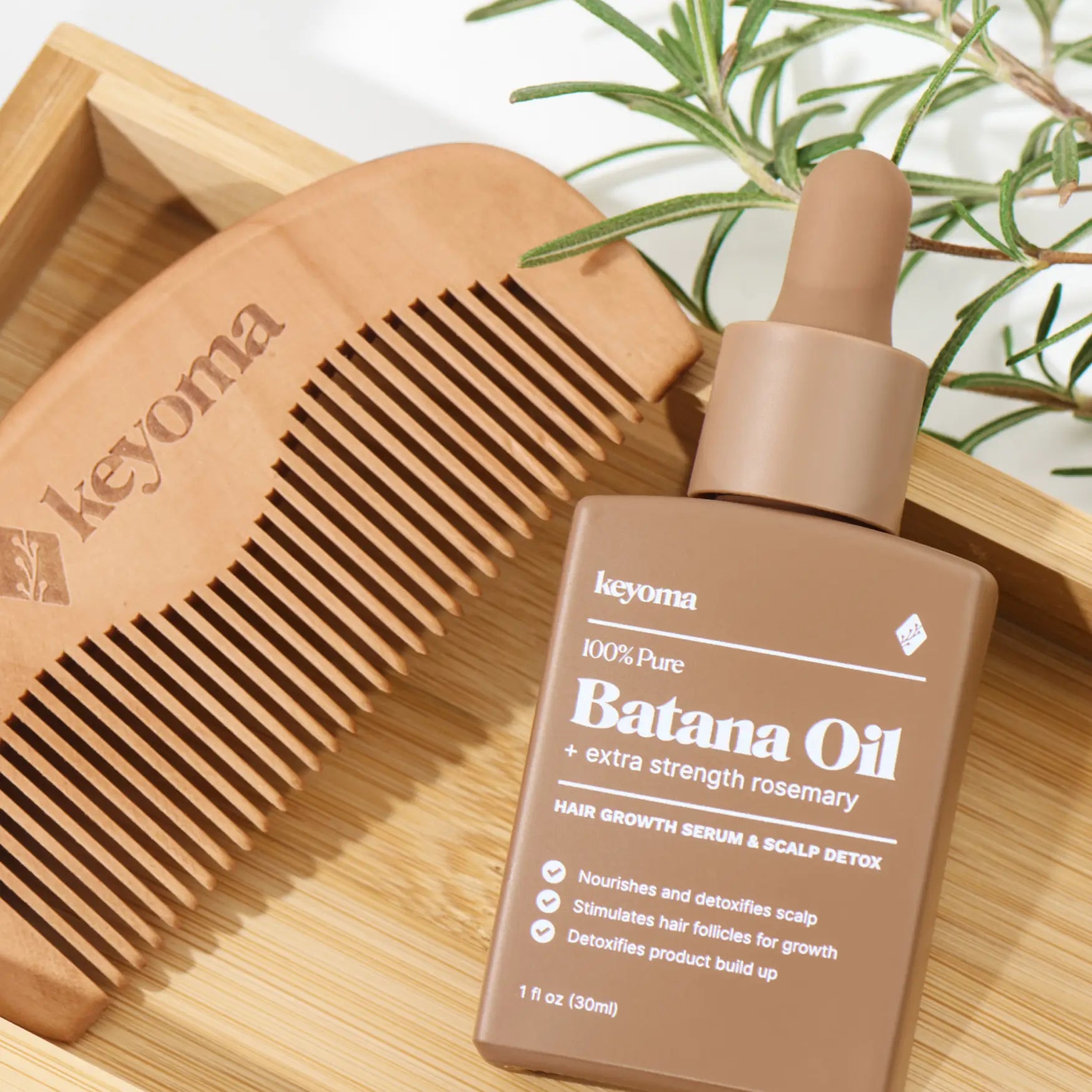
30% Off + 3 FREE Gifts
100% Pure Batana Oil + Rosemary
↓Best Batana Oil to Buy↓

1 Month
Subscribe & Save
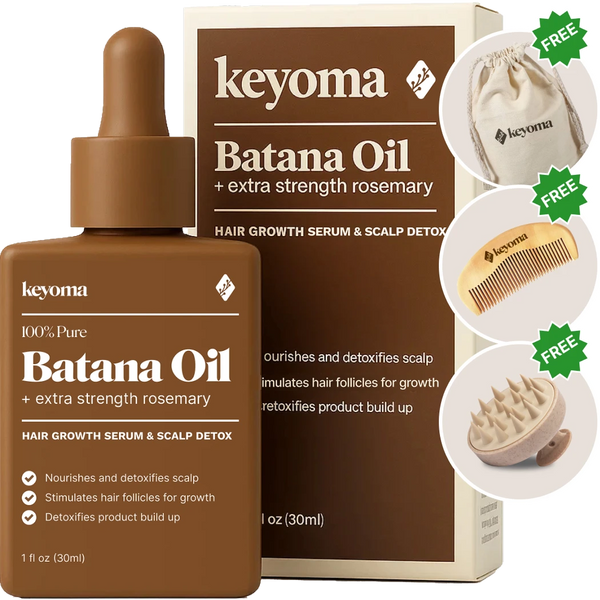


- 30-day supply delivered monthly $35
- 30% off for life $6
- Free haircare essentials kit $33
- Free custom wooden comb $10
- Free scalp massager $15
- Free eco-friendly travel bag $8
- 30-Day Money Back Guarantee
- Free Shipping
- Online portal for easy cancel, skip, or pause.
1 Month One Time Purchase
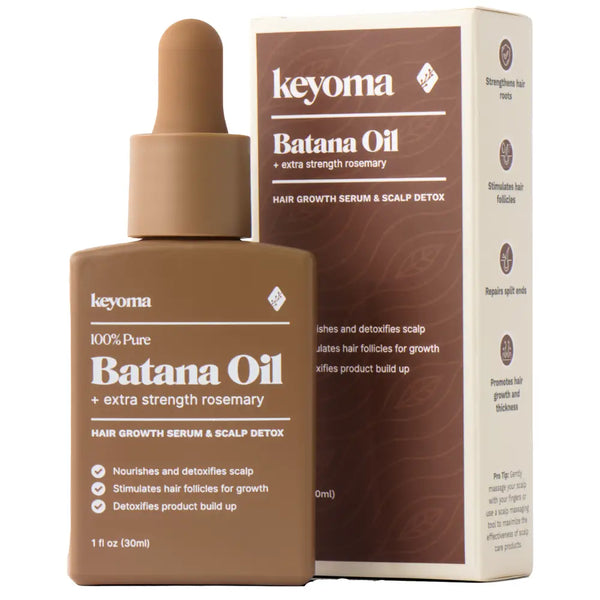
- 30-day supply $50
- 30% off for life $6
- Free haircare essentials kit $33
- Free custom wooden comb $10
- Free scalp massager $15
- Free eco-friendly travel bag $8
