

In this article
Dealing with unruly and poofy hair can be a constant battle. It's frustrating trying to tame hair that has a mind of its own. It can also affect your appearance and how confident you feel. Poofy hair means your hair has too much volume, is frizzy, and hard to control. It often seems impossible to get it to cooperate.
This blog will teach you how to manage and stop poofy hair. By learning why your hair gets poofy and using the right techniques, you can take charge of your hairstyle and manage poofy hair.
Key Takeaways
-
Humidity makes hair absorb water, lifting the cuticle and causing frizz and poofiness.
-
Dry, porous hair grabs moisture faster, so overwashing and sun exposure worsen puffiness.
-
Harsh or mismatched products can leave hair stripped, coated, or stiff and frizzier.
-
Hydration steps plus a small oil seal can smooth strands and reduce poofy volume.
How Poofiness Affects Your Hair
Poofy hair does more than change how your hair looks. It can change how your hair feels and acts all day. It may seem dry or rough, get frizzy fast, and look bigger than you want, even when you just washed it. Sometimes it also makes your hair look less defined, so waves or curls don’t clump the way they should.
Poofiness can also make your hair feel harder to manage. You might notice more flyaways, tangles, and uneven texture, like some sections stay smooth while others puff up. That can push you to wash more often or use more product than you planned, which adds extra time and effort.
That’s why reducing puffiness matters. When you get it under control, your hair can feel softer, look more even, and stay calmer throughout the day.
4 Common Causes of Poofy Hair

Understanding how poofy hair affects your styling choices is only half the story. The other half is knowing what actually causes that unwanted volume in the first place. Humidity, product mismatches, heat damage, and even dryness can all trigger the same frustrating poof, though each works in a different way. Pinpoint what's driving your frizz.
Humidity and Hair Swelling
Humidity is a big reason for poofy hair. Damp air makes your hair soak up moisture, especially if it's porous, color-treated, wavy, or curly. This extra water makes the outer layer of your hair (the cuticle) lift and swell. When the cuticle isn't flat, light doesn't reflect well, and your hair won't style the way you want.
That's why your hair can look bigger, frizzier, and less defined as soon as you go outside. The more damaged or dry your hair is, the quicker it absorbs moisture, making the poofiness even worse.
Heat and Overstyling Damage
Using a blow-dryer, straightener, or curling iron too often can dry out your hair, even if it looks good at first. High heat can weaken the cuticle and stop your hair from holding onto moisture. This can make your hair rough, give you split ends, and cause frizz.
Even brushing your hair too much when it's dry can mess up your natural pattern and create extra volume. If you often use heat, use a heat protectant. Also, use the lowest heat setting, don't go over the same section too many times, and make sure your hair is dry before using hot tools.
Dryness That Leads to Puffiness
It might sound strange, but this is a common cause. If your hair doesn't have enough moisture, it'll try to get it from anywhere it can. Being in the sun, taking hot showers, and not using conditioner can dry out your hair. Also, overwashing can remove the natural oils that keep your hair smooth.
Dry hair tends to snag and expand, looking fluffy because the strands don't stick together. Instead of looking sleek, they separate and create a puffy look. I've found that using a moisturizing hair mask once a week really helps to combat this.
Products That Can Make Puffiness Worse
Using the wrong products can make puffiness worse. Some shampoos are too strong and leave your hair feeling rough, which means the cuticle is lifted. Some conditioners aren't strong enough to smooth your hair, while others are too heavy and make your hair dull and frizzy. Styling products can also cause problems.
If they hold your hair in place but don't moisturize, they can make your hair feel stiff and dry, making poofiness worse. You need to balance hydration, so your hair is smooth without being weighed down.
How to Reduce Poofiness

Knowing the triggers behind poof gives you a clearer target, but fixing it requires a different set of moves. The solution starts with adding moisture back into your strands so they stop pulling humidity from the air and swelling.
Ingredients like glycerin and panthenol can help smooth the cuticle and keep your hair behaving through the day. Build a routine that actually works.
Batana Oil With Rosemary
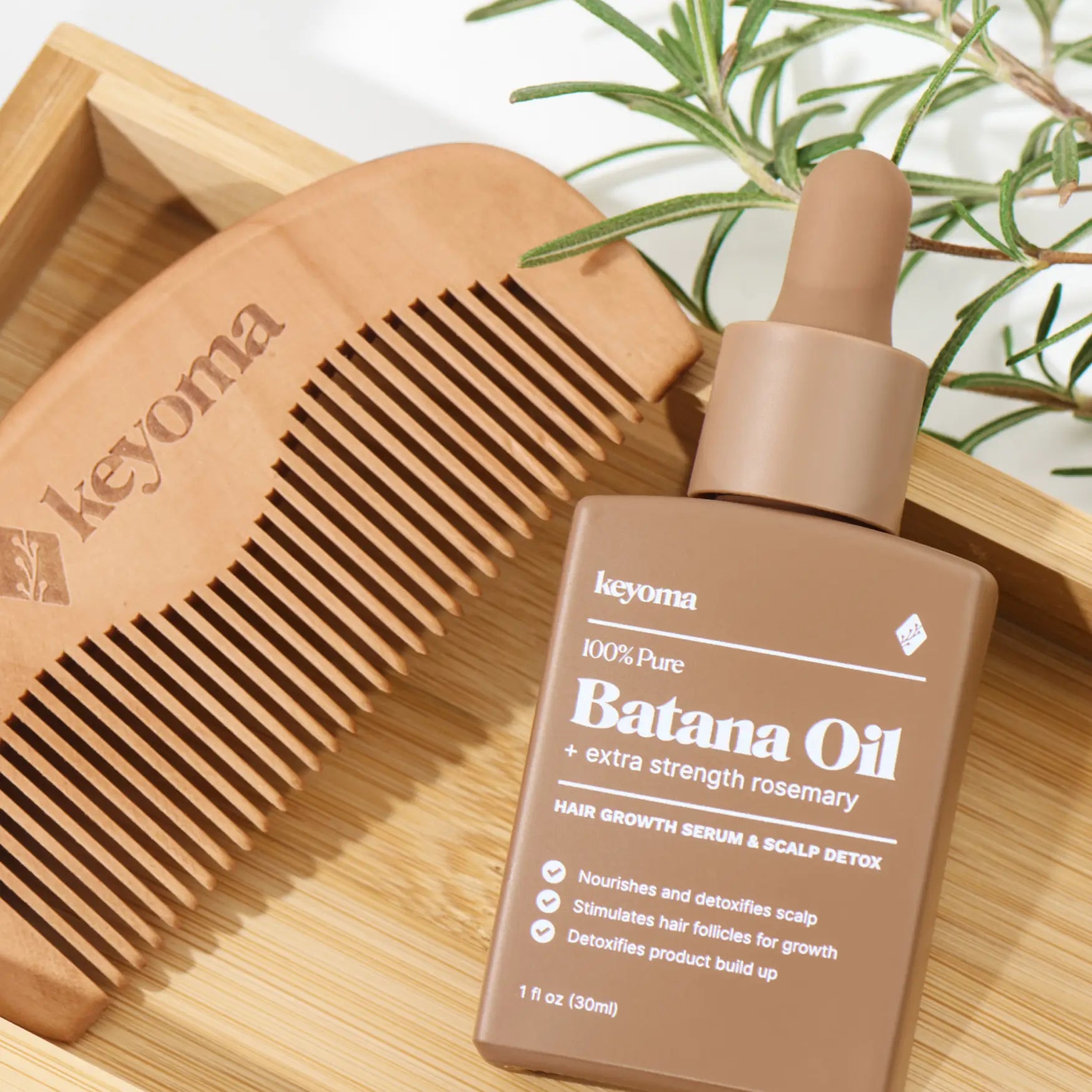
If your hair still puffs up after you moisturize, using oil can help seal in moisture and smooth the surface. Batana oil with rosemary works best in small amounts because it's very rich. Warm a few drops in your hands and smooth it over the middle and ends of your hair to reduce frizz and help the strands stay together.
If your scalp feels dry, you can also put a few drops on your scalp and massage gently for one to two minutes. Leave it on for at least 30 minutes before washing. Start with a little and add more only if you need it, because too much oil can make your hair look heavy.
Hydration Matters Most
If you want less poof, start by hydrating your hair. Poofy hair is usually dry, porous, or both. This makes it absorb water from the air and swell. The solution is to keep your hair smooth and hydrated, so it doesn't soak up moisture from the environment.
Use a hydrating shampoo, moisturizing conditioner, and a leave-in treatment to keep your hair soft after you wash it. Look for ingredients like glycerin, panthenol, aloe, and lightweight oils to help smooth and control your hair.
Choose a Hydrating Shampoo
Choose a shampoo that cleans your hair well but doesn't leave it feeling rough. When your hair is too clean, it can get rough and dry, which makes puffiness worse. If you have wavy or curly hair, a gentle shampoo can help define your pattern instead of making it fluffy.
Use a Moisturizing Conditioner
A richer conditioner can help if your hair dries out quickly. Oils and butters can soften your hair and help the outer layer lie flat, so the strands stay together instead of becoming frizzy. Focus on the middle and ends of your hair, and let the conditioner sit for a few minutes before rinsing.
Add a Leave-In Conditioner
Leave-in conditioner does a lot to fight poofiness. It helps your hair after you shower, when humidity and friction start to cause problems. A good leave-in conditioner can tame frizz, make your hair softer, and keep your texture looking better all day.
Put it on damp hair and gently comb through with your fingers or a wide-tooth comb to cover all your hair.
Work With Your Natural Texture
Fighting your natural hair pattern can make poofiness worse. Wavy, curly, and coily hair expands more easily, especially when you brush it dry or style it in a way that disrupts the pattern. When you embrace your natural texture, your hair is easier to manage and less likely to puff out.
That's because it forms clumps instead of separating into frizz. Detangle your hair in the shower with conditioner, avoid brushing it dry if it makes it bigger, and use styling products that enhance your texture. I've noticed my curls are much more defined when I use a curl-enhancing cream.
Use Protective Hairstyles
Protective styles can really help on humid days. Braids, buns, twists, and ponytails keep your hair away from moisture in the air and friction from your hands, clothes, and wind.
They also hold your strands in place, so they don't expand and get fluffy. Keep the style comfortable and smooth the surface with a little leave-in conditioner or light oil if you need more control.
Many people struggle with poofy hair, but you can usually fix it with the right routine. Keep your hair hydrated, use oil when you need it, style your hair to enhance your natural texture, and use protective styles when the weather is bad. If you take care of your hair, you'll see more definition, less frizz, and a smoother finish that lasts.
Hydrate Your Poofy Hair, Then Seal With Keyoma Batana Oil
Treat poofy hair like a sealing problem, not a styling problem. When humidity hits, strands expand because the cuticle lets water in, so the most useful move is locking in moisture after you hydrate, not piling on more product later.
Apply your leave-in on damp hair, then smooth a few drops of Keyoma Batana Oil with Rosemary over the mid-lengths and ends to keep hair clumped and reduce puffiness. Use less than you think, since too much can weigh hair down and make it look bigger, not sleeker. Ready to seal in smoothness?
Buy Keyoma Batana Oil with Rosemary direct from Keyoma, or shop it in Keyoma Amazon store.
Featured Product
30% Off + 3 FREE Gifts
100% Pure Batana Oil + Rosemary
↓Best Batana Oil to Buy↓

1 Month
Subscribe & Save
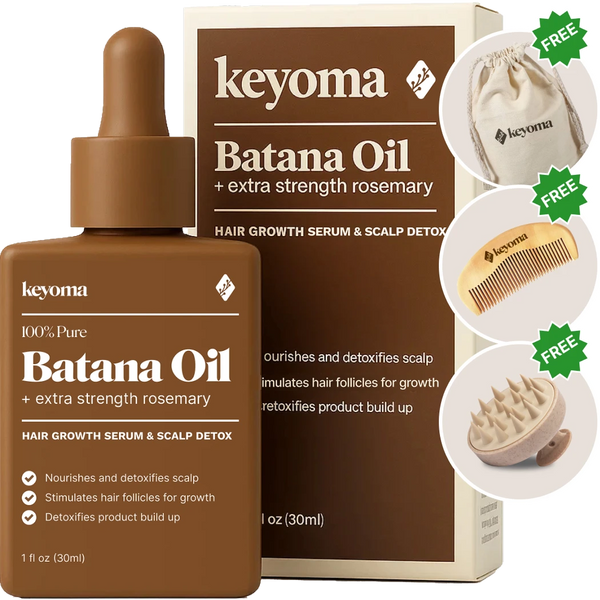


- 30-day supply delivered monthly $35
- 30% off for life $6
- Free haircare essentials kit $33
- Free custom wooden comb $10
- Free scalp massager $15
- Free eco-friendly travel bag $8
- 30-Day Money Back Guarantee
- Free Shipping
- Online portal for easy cancel, skip, or pause.
1 Month One Time Purchase
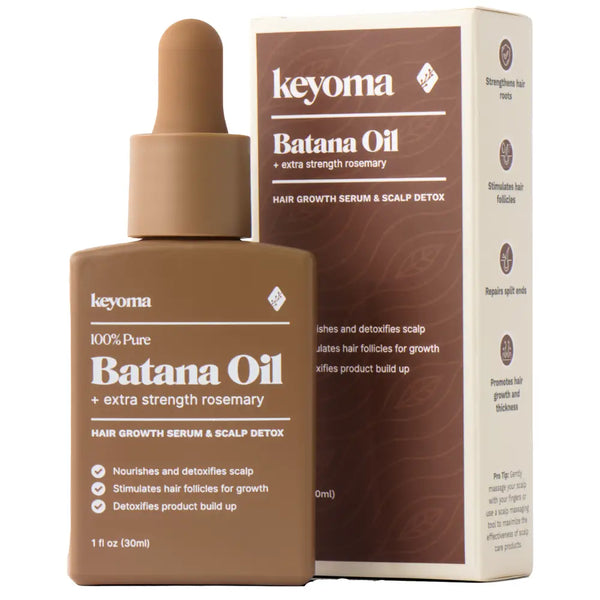
- 30-day supply $50
- 30% off for life $6
- Free haircare essentials kit $33
- Free custom wooden comb $10
- Free scalp massager $15
- Free eco-friendly travel bag $8
