

In this article
Whether you're seeing a receding hairline or overall thinning, most hair loss begins when follicles get damaged or become inactive. Because of this, you might be wondering about how to reopen hair follicles so your hair grows again.
There are several ways to stimulate hair follicles, including minoxidil, supplements, and natural methods like scalp massage. Let's explore how you can reopen dormant hair follicles in order to curb hair loss and encourage new hair growth.
Key Takeaways
-
Inactive follicles don't produce hair, but slowed growth can look like dormancy.
-
Scalp massage, hydration, and fixing nutrient gaps will help create a healthier growth environment.
-
Sudden shedding might point to medical issues like thyroid problems, stress, or medication.
-
Treatments such as minoxidil, microneedling, PRP, or laser therapy might stimulate regrowth.
What Is “Closed” or Inactive Hair Follicles

Let's start with a quick biology lesson. When people refer to closed, dormant, or inactive hair follicles, they're talking about follicles that have stopped producing hair.
So, the idea is that reopening hair follicles may get your hair to grow again. Here’s the process. Each hair follicle goes through different phases of the hair growth cycle:
-
Anagen phase: This is the growth stage, lasting from two to six years. Around 85 to 90 percent of your follicles are actively growing at any time. This means hair cells grow from the follicle, which is fed by blood vessels in your scalp.
-
Catagen phase: Once a hair strand is done growing, it enters the catagen phase. During this time, cell division stops and the hair stops growing for several weeks. This allows each hair to move from the anagen phase of active growth to a dormant phase.
-
Telogen phase: The telogen phase involves a resting phase where your hair doesn’t actively grow. Hairs usually stay in this dormant state for 100 days before falling out.
The shedding process is sometimes seen as its own phase, called the exogen phase. You typically shed about 50 to 100 hairs daily. After the hair falls out, the hair growth cycle restarts. A new hair starts growing from the follicle—if it isn’t damaged or dead—to replace the shed hair.
Most people have 80,000 to 120,000 hairs on their head at any time, with each follicle growing on its own schedule. You can’t change biology, but—depending on your type of hair loss—you can stimulate your follicles to grow new hair.
How to Help Reactivate Hair Follicles

If you think your follicles have become inactive, don’t worry. Often, what seems like “dormant” follicles is actually just slowed growth, inflammation, buildup, stress, or a health problem messing with your hair cycle. Since follicles live in your scalp, that’s the best place to begin.
Do Regular Scalp Massages
Hair follicles rely on blood vessels for nutrients and oxygen. A few minutes of daily scalp massage may boost circulation, loosen scalp tissue, and support a healthier environment for growth. I find that a scalp massage before bed really helps me relax.
You can use your fingertips or a soft-bristled scalp massager. Gently massage in small circles, focusing on areas that are thinning, for about 3 to 5 minutes. Do it on dry hair, or while shampooing, but don't scratch hard, as that can irritate your scalp.
Avoid Common Nutrient Deficiencies
Follicles are fast-growing tissue, so they suffer when you're low on key nutrients. Try to eat regular meals with fruits, vegetables, whole grains, and enough protein. The most important nutrients for hair include vitamin C, omega-3 fatty acids, iron, zinc, and magnesium.
If you're dealing with ongoing shedding, fatigue, or brittle nails, ask a doctor about lab work to check your iron and other common deficiencies.
Drink Enough Water
Hydration helps your skin, including your scalp. When you're often dehydrated, your scalp can get dry, itchy, and flaky, which may make hair look weaker. Make water your main drink, and drink more if you sweat a lot, drink caffeine often, or live in a hot place. Hydration alone won’t “restart” growth, but it gets rid of a common issue that can worsen scalp irritation.
Rule Out Medical Causes
Sudden hair fall or patchy thinning might mean something else is going on in your body. Common causes include thyroid issues, hormone changes, recent illness or fever, a lot of stress, autoimmune problems, or certain medications.
If shedding increases quickly, lasts more than a few months, or involves scalp pain, redness, or scaling, talk to a dermatologist or primary care doctor. The sooner you find the cause, the better your chances of reversing it.
Cut Habits That Can Hurt Hair Growth
Some habits quietly hurt your scalp and hair cycle. Smoking is linked to poorer circulation and higher oxidative stress, which can both affect follicles. Heavy alcohol use may worsen dehydration and affect nutrient absorption.
If you want one simple rule, cut back on anything that dries you out, inflames your skin, or messes with sleep. Getting enough sleep and managing stress also matter, since hair growth is sensitive to hormones like cortisol.
Try Essential Oils Carefully
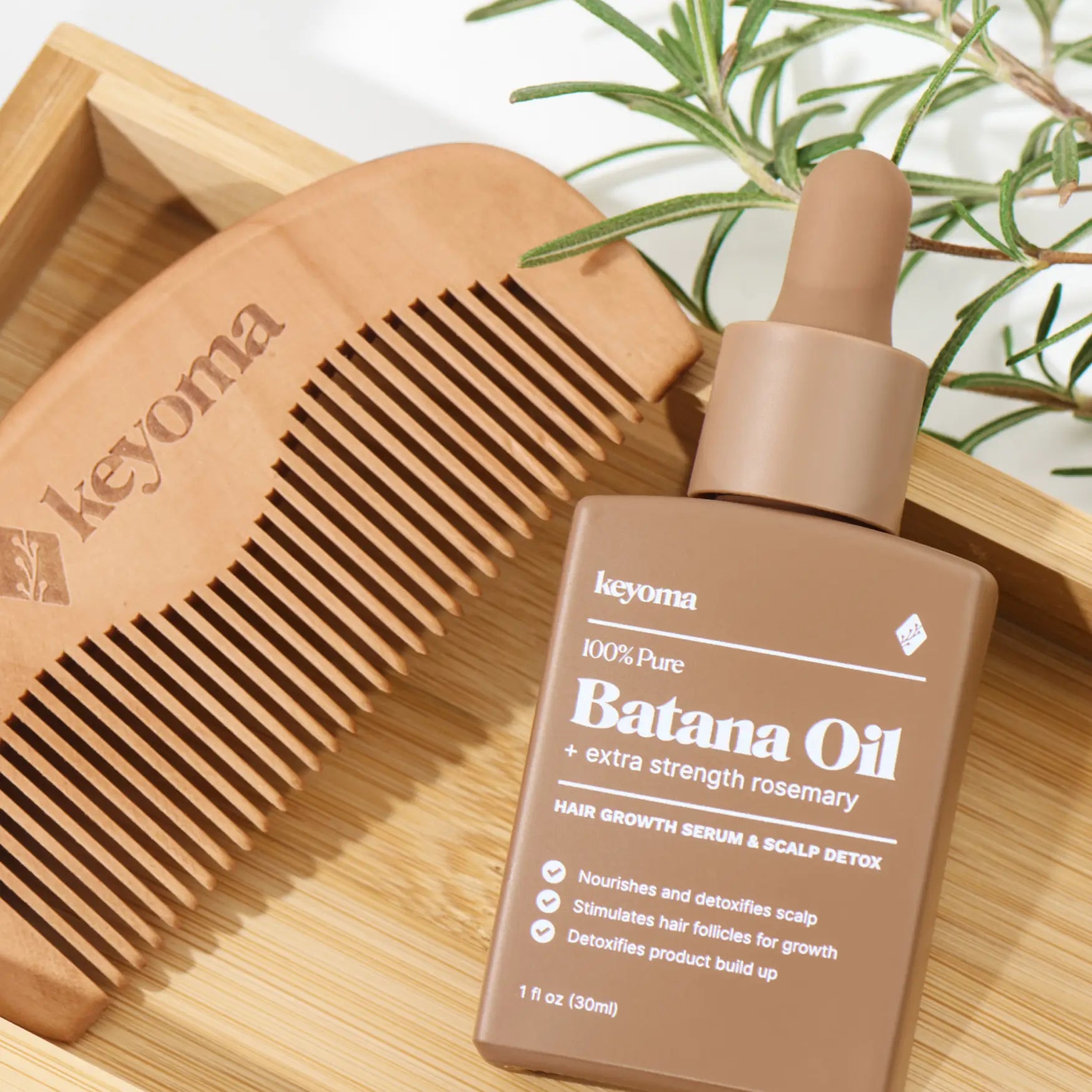
Some people use essential oils as part of their scalp routine, especially rosemary and peppermint oil. One option is Keyoma batana with rosemary oil, which combines a nourishing carrier oil with rosemary for a simple scalp massage blend. Current evidence suggests that rosemary oil can stimulate hair growth.
Put a small amount on your scalp, gently massage for 3 to 5 minutes, then let it sit for 30 to 60 minutes before washing it out. Start using it 2 to 3 times per week and see how your scalp feels.
Research on essential oils for “reactivating” follicles is still limited and results can vary.
Also, essential oils might irritate sensitive scalps, so test a small area first and stop if you notice burning, redness, or more itching. If you have eczema, psoriasis, or a very reactive scalp, stick to gentler scalp-support steps and ask a dermatologist before trying new oils.
Use a Leave-In Scalp Serum
A leave-in scalp serum can help if it makes your scalp feel better and reduces irritation while you address the underlying cause. Look for formulas that are well-tolerated, not heavy, and made for scalp use. Common ingredients in scalp serums include soothing agents, barrier-supporting humectants, and peptides or botanical extracts.
The most important thing is to use it consistently. Most topical products need daily use for at least 8 to 12 weeks before you see results, and even longer if your shedding is related to stress or recovering from an illness.
Hair Products That Support Regrowth

Many hair care products have ingredients that could stimulate hair follicles.
For instance, our hair thickening shampoo has saw palmetto. Researchers observed that this substance might block DHT, protecting follicles from damage.
Our volumizing shampoo contains caffeine extract. One review notes that a caffeine-based topical hair product worked about as well as 5% minoxidil solution for improving hair growth in men who have androgenetic alopecia.
Since poor scalp health may cause hair loss, taking care of your scalp is important. According to the American Academy of Dermatology, you should wash your hair often and use a shampoo and conditioner that are right for your hair type. Also, dandruff should be treated using the right shampoo or topical product.
Microneedling for Hair Loss
If you’re okay with needles, microneedling with a derma-roller might help stimulate hair regrowth. In a 2013 study, 100 men with male pattern baldness received a treatment that included either minoxidil or minoxidil with a derma-roller.
The papers I saw show that while both groups regrew hair, the group using a derma-roller with minoxidil had a statistically significant increase in growth. More recently, a 2017 review concluded that microneedling for hair loss is “promising” and has few side effects when done correctly.
You can do it yourself with a microneedling tool (those for the scalp are usually more like stamps than rollers) or get it done at a clinic.
Corticosteroid Injections for Inflammation
If alopecia areata causes your hair loss, anti-inflammatory medications might be needed.
Corticosteroids, which are anti-inflammatory drugs, can be injected into the scalp to reduce inflammation.
This keeps your follicles from being further damaged. A 2022 study showed that corticosteroid injections are often effective at stimulating hair growth in people with alopecia areata. However, your hair loss might return when you stop the injections.
Platelet-Rich Plasma (PRP) Therapy
Platelet-rich plasma therapy, or PRP, involves drawing your blood and using a machine to separate it into parts, including platelet-rich plasma. The platelet-rich plasma is then injected into your scalp. While PRP for hair loss is fairly new, it’s become popular over the past few years.
Laser Therapy (Low-Level Light)
Laser hair growth treatment—also called low-level light therapy or LTTT—uses laser light to stimulate follicles. Like PRP and corticosteroid injections, it needs repeated sessions.
Laser therapy may help hair growth by stimulating follicles and moving them into the anagen phase. It can help treat hair loss from alopecia areata or chemotherapy.
Supplements for Deficiencies
To give your follicles a good chance, you need to give them all the nutrients they require. This can come from eating well, but sometimes, supplements might help keep your follicles happy—especially if you have a nutritional deficiency. For best hair health, consider supplements like:
-
Biotin
-
Zinc
-
Iron
Talk to a healthcare professional to see if you have any deficiencies that could be causing hair loss and which supplements might help.
Hair Transplant Surgery Options
Hair follicles can die. If that happens, your options for stimulating them are limited—and your hair loss might be permanent. That's where hair transplants come in. Hair transplant surgery moves follicles from an area of your scalp with normal hair growth to an area with significant hair loss, such as the crown or hairline.
Combining a hair transplant with minoxidil may make it more effective. This can be costly; the price depends on how many follicles you need to move.
Support Hair Follicles With Scalp Care and Batana Oil
Instead of thinking about “reopening” follicles, focus on creating conditions that keep them growing. If shedding is light and your scalp feels tight, itchy, or coated, then focus on scalp health.
Massage your scalp for 3 to 5 minutes to help circulation, wash often enough for your hair type to prevent buildup, and treat flaking so follicles aren't stuck in an irritated environment.
Essential oils might help some people, but they can also irritate sensitive scalps, so test a small area first and stop if you see burning or redness.
Featured Product
30% Off + 3 FREE Gifts
100% Pure Batana Oil + Rosemary
↓Best Batana Oil to Buy↓

1 Month
Subscribe & Save
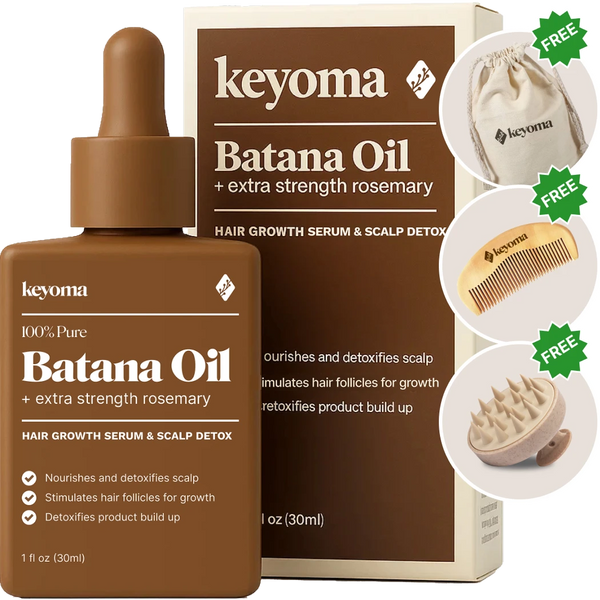


- 30-day supply delivered monthly $35
- 30% off for life $6
- Free haircare essentials kit $33
- Free custom wooden comb $10
- Free scalp massager $15
- Free eco-friendly travel bag $8
- 30-Day Money Back Guarantee
- Free Shipping
- Online portal for easy cancel, skip, or pause.
1 Month One Time Purchase
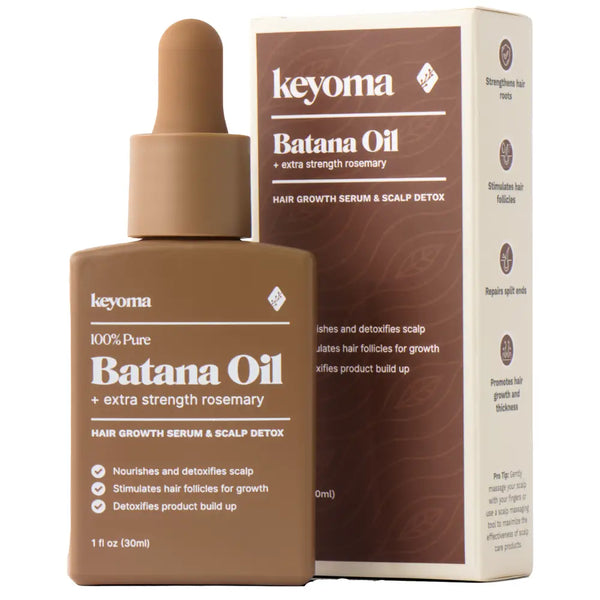
- 30-day supply $50
- 30% off for life $6
- Free haircare essentials kit $33
- Free custom wooden comb $10
- Free scalp massager $15
- Free eco-friendly travel bag $8
