

In this article
If you’ve spent hours looking for ways to make your dead hair look alive again. You may have tried pricey hair treatments and DIY home fixes, but nothing seems to last.
Still, don’t write it off. After testing plenty of remedies, you can often improve dry, breakage-prone hair with a steady routine.
Next, you’ll learn the signs to watch for and the steps that can help.
Key Takeaways
-
Dead hair may lose shine, strength, and softness after heat, dye, chemicals, or bleach.
-
Common signs include dullness, frizz, split ends, a straw-like feel, and easy breakage.
-
Truly dead ends can’t be repaired and need a trim, but damage can look smoother.
-
Trims, fewer washes, conditioner, light oils, clarifying, and silk can limit breakage.
What Causes Dead Hair?
Dead hair isn’t a medical diagnosis. It describes hair that’s lost shine, strength, and softness. Usual causes include too much heat, frequent coloring, chemical straightening, or aggressive bleaching.
Long sun exposure, polluted air, and not enough nourishing care can also strip natural oils and proteins. Over time, strands turn dry, brittle, and more likely to snap.
Weak routines, like skipping conditioner or using sulfate shampoos that cleanse too hard, can speed things up. Without changes, damaged hair may split, knot, and look dull even after styling.
What Does Dead Hair Look Like?
Dead hair often looks heavily damaged. Your hair may be in this state if you notice these signs:
-
Flat and limp
-
Dull and lackluster
-
A fried, unruly, or frizzy look
-
Clear split ends
-
Ends that look jagged, snapped, or uneven
Truly dead ends can’t be brought back and usually need to be cut off. Still, damaged hair may be workable. Some treatments can add moisture and smooth the cuticle, so hair looks softer and more hydrated.
What Does Dead Hair Feel Like?
Looks aren’t the only clue. Dead hair can also feel like this:
-
Dry, brittle strandsthat feel delicate
-
Hair that feels straw-like
-
A coarse, rough texture
-
Rigid strands that don’t spring back after a gentle stretch
-
Frizzy split ends you can feel when you run your fingers over them
7 Ways To Revive Dead Hair

Even if hair feels “dead,” you can often improve how it looks by protecting the cuticle, adding moisture, and cutting down breakage with consistent care.
Change one thing at a time, note how your hair reacts after washes, and stick with it long enough to see a shift. Ready to begin. Here are 7 ways to revive dead hair.
1. Trim Split Ends
A trim helps when hair is truly dead. Once ends start splitting, there’s no real fix, so cutting them sooner helps stop breakage from traveling up the strand.
Before you overhaul anything else, book a visit with your stylist. If you want to keep length, ask for a small trim so only the most brittle tips come off.
2. Wash Less, Shine More
If you’re trying to improve dry, damaged hair, one of the simplest tweaks is to shampoo less often, washing less often.
If you’re dealing with dry, damaged hair, try changing your schedule. Aim to wash two or three times a week instead of every day.
Spacing out wash days gives your hair time to hold onto moisture. For me, one extra day between washes reduced that tight, squeaky feel. It also lets your natural scalp oils spread along the lengths, which can make hair look shinier and feel softer.
3. Use Natural Oil
When hair feels dry and rough, a tiny amount of natural oil can help smooth the cuticle and cut down frizz, breakage, and that straw-like texture. Apply it to mid-lengths and ends since those areas are usually the most dry and fragile. Oils won’t “repair” split ends, but they can make damage look and feel better by sealing in moisture and improving slip.
You’ve got choices. Argan oil works well as a light finisher, jojoba oil often feels less heavy on fine hair, and coconut oil may be better as a pre-wash step for some hair types. Castor oil is thicker, so save it for hair that does well with heavier oils.
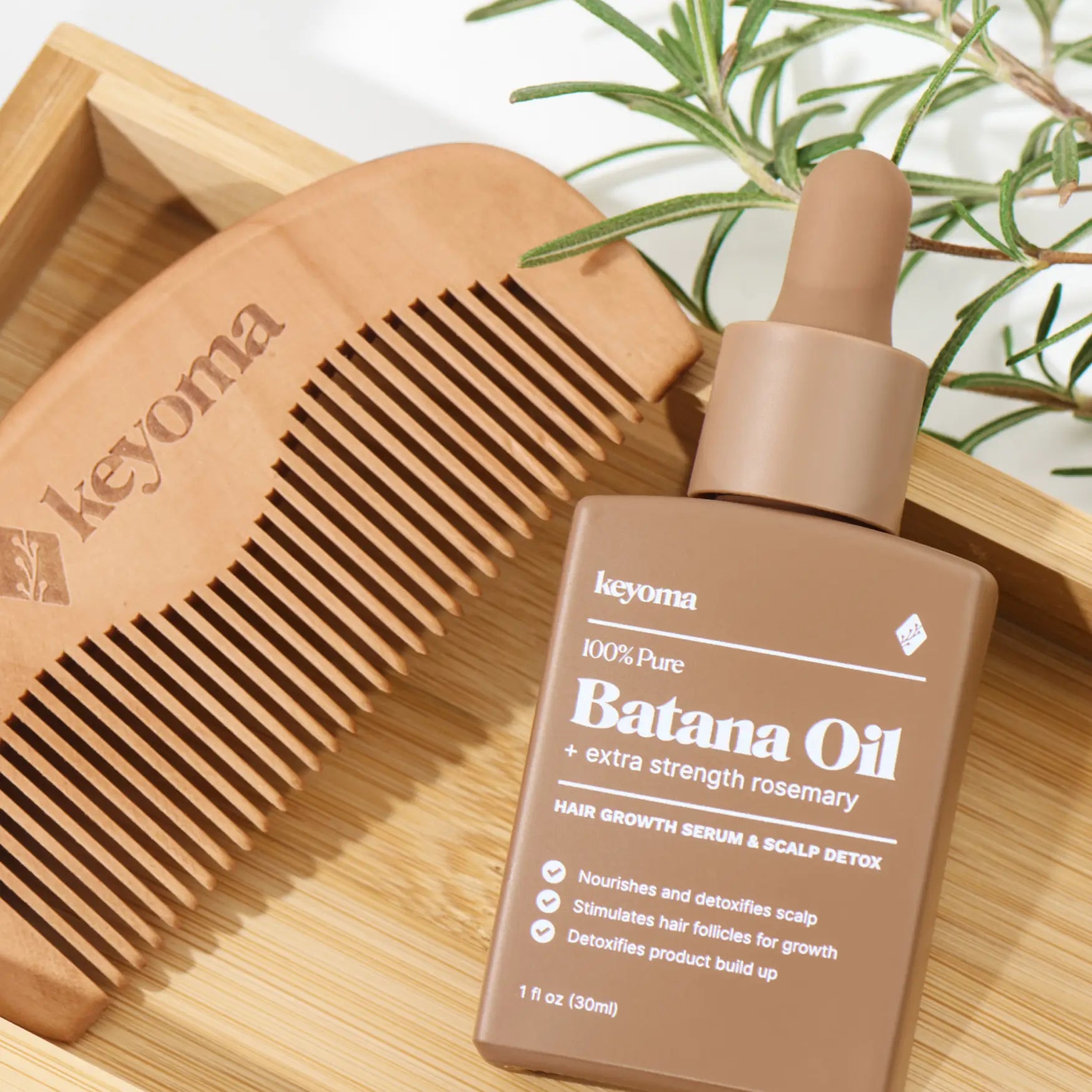
If you want one option that conditions without feeling like buildup, Keyoma Batana Oil with Rosemary can fit well into regular use because a little goes a long way and may soften brittle strands while adding shine.
4. Switch to Clarifying Shampoo
If your hair looks dull and heavy from product residue and extra oil, a clarifying shampoo can help.
Styling products, serums, and sprays can build up over time and leave a film that makes hair look flat. That residue can also make strands feel rough, even if you keep adding more product.
Using it is straightforward. Lather in the shower the same way you do with your usual shampoo, then rinse well so hair feels clean, not coated.
One small tip, shampoo a second time if you still feel scalp buildup. That extra pass can help your hair feel lighter afterward.
5. Use Conditioner
Here’s the basic move that matters most. Conditioning helps bring dry hair back toward softness and makes it easier to manage.
Hair takes a hit from heat, pollution, and everyday wear, which can leave it dry and rough. Regular conditioning helps replace lost moisture and smooth the surface so strands tangle less.
A practical tip, focus conditioner on your ends since they’re usually the driest. Work it through gently with your fingers, then rinse until hair feels slick but not weighed down.
6. Avoid Heat Styling
It’s easy to lean on blow dryers, curling irons, and straighteners. The downside is repeated heat can weaken strands over time and worsen dryness and breakage.
If you’re wondering what dead hair looks like, think dry, frayed ends and less bounce. Taking breaks from hot tools and using gentler styling can help protect hair follicles.
Cut back on heat styling when you can, and lean on air-drying or low-heat settings to reduce stress on the hair.
7. Use Silk Pillowcase
Let’s talk about sleep, because your pillow can affect your hair. A smoother surface can mean less rubbing at night, which may help reduce frizz and snapping.
To make your sleep setup more hair-friendly, swap rough cotton for silk. Silk is gentler, reducing friction and helping limit frizz.
Also, a silk pillowcase can be helpful beyond hair. The smooth fabric is gentler on skin and may reduce crease marks from nightly rubbing, so it can support both hair and skin.
Stop Dead Hair From Getting Worse With Keyoma Batana Oil
Stop the damage early so it doesn’t keep creeping upward. If your ends look jagged, split, and keep snapping even with conditioner, treat that section as finished and trim it, since truly dead ends won’t recover and will keep breaking.
After trimming, protect what’s left by washing two or three times a week and avoiding high heat so your natural oils can help do their job.
For quick softness, try a pre-wash oil step on the lengths, then shampoo until hair feels clean instead of coated. Ready to help dry, damaged hair look better?
Shop Keyoma Batana Oil with Rosemary direct from Keyoma.
Featured Product
30% Off + 3 FREE Gifts
100% Pure Batana Oil + Rosemary
↓Best Batana Oil to Buy↓

1 Month
Subscribe & Save
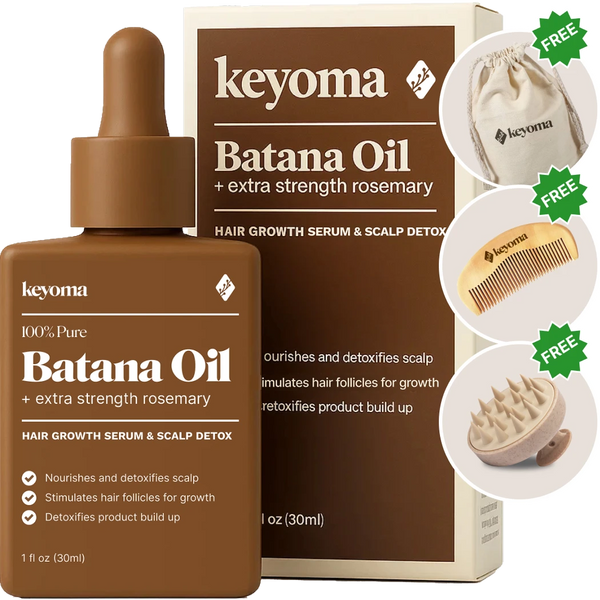


- 30-day supply delivered monthly $35
- 30% off for life $6
- Free haircare essentials kit $33
- Free custom wooden comb $10
- Free scalp massager $15
- Free eco-friendly travel bag $8
- 30-Day Money Back Guarantee
- Free Shipping
- Online portal for easy cancel, skip, or pause.
1 Month One Time Purchase
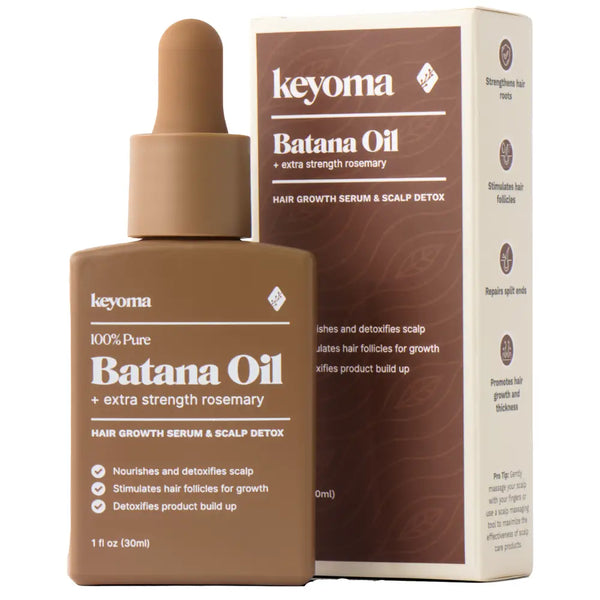
- 30-day supply $50
- 30% off for life $6
- Free haircare essentials kit $33
- Free custom wooden comb $10
- Free scalp massager $15
- Free eco-friendly travel bag $8
