Scalp Exfoliation vs Scalp Massage: Which One Fits You?
Written by

Published on Apr 02, 2026

In this article
When you start paying more attention to hair growth, scalp care usually enters the picture too. Two methods come up again and again: scalp exfoliation and scalp massage. People often talk about them like they serve the same purpose. They do not.
Both scalp exfoliation and scalp massage can support scalp health, but they do very different jobs. One clears away buildup and dead skin, while the other helps circulation and spreads oils or treatments across the scalp. The better choice depends less on hair growth alone and more on what your scalp is actually dealing with.
For a lot of people, the best routine is not picking one method forever and ignoring the other. It is knowing when exfoliation makes sense, when massage makes sense, and how both can work inside a healthier scalp routine for hair growth.
Key Takeaways
-
Scalp exfoliation clears away buildup, dead skin, excess oil, and leftover product residue.
-
Scalp massage helps circulation, eases tension, and spreads oils more evenly.
-
Scalps that get oily or collect buildup often do better with occasional exfoliation.
-
Scalps that feel dry or tight usually do better with gentle massage done regularly.
What’s the Difference Between Scalp Exfoliation and Scalp Massage?
People often put scalp exfoliation and scalp massage in the same category, but they address different issues. The biggest misunderstanding is assuming massage and exfoliation do the same thing.
They do not. If your scalp has buildup, massage will not actually lift that buildup away. It may only spread oil and residue over a larger area. On the other hand, if your scalp feels dry or tight, exfoliating too often may irritate it more instead of helping.
A simple way to think about it is this. Exfoliation helps clean the scalp, while massage helps support it. Most people do better with exfoliation once in a while and massage more often, instead of trying to rely on only one. Once you understand that difference, building a routine that truly helps your scalp and hair becomes much easier.
What Scalp Exfoliation Does
Scalp exfoliation is meant to remove buildup, dead skin, excess oil, and leftover product from the scalp. Over time, shampoo, dry shampoo, styling products, oil, and skin cells can collect there. That buildup may leave your scalp feeling greasy, itchy, or heavy, and it may also affect how well hair products sink in.
Scalp exfoliation may help lift product buildup, reduce excess oil, loosen flakes of dead skin, improve overall scalp cleanliness, help shampoo wash the scalp more effectively, help scalp treatments absorb more easily, and reduce clogged follicles linked to buildup.
What Scalp Massage Does
Scalp massage does not clear buildup away. Instead, it focuses on circulation, easing tension, and spreading natural oils or scalp treatments more evenly across the scalp.
Scalp massage may help improve blood flow to the scalp, ease tight scalp muscles, spread natural scalp oil, distribute scalp oils more evenly, improve scalp comfort, support overall scalp condition, and reduce tension around the follicles.
Scalp Exfoliation vs Scalp Massage: Which Helps Hair Growth More?
This is what most people want to know, but there is no simple one-size-fits-all answer. The better option depends on the scalp issue you are actually trying to address.
Scalp Buildup and Oily Roots
If your scalp gets greasy fast, looks flaky, or still feels coated after washing, scalp exfoliation is usually more useful than massage. Exfoliation tends to fit oily scalp, product buildup, dry shampoo buildup, flakes caused by buildup, heavy styling products, a scalp that feels clogged or heavy, and scalp detox routines.
Dryness and Tension
If your scalp feels tight, dry, or uncomfortable instead of oily, scalp massage is usually the better fit. Massage tends to work better for dry scalp, a tight scalp feeling, scalp tension, stress-related tightness, supporting oil treatments, improving comfort, and gentle scalp care routines.
Product Absorption and Scalp Oils
If you use scalp oils such as rosemary oil or batana oil, scalp massage becomes more important. Massage helps spread the oils more evenly across the scalp and helps them reach more of the skin.
Massage works well with oil treatments, pre-wash scalp oiling, rosemary oil routines, batana oil scalp massage, dry scalp oil routines, and routines focused on scalp hydration.
Long-Term Scalp Health
For long-term scalp health, the answer is usually both, but not at the same frequency. A balanced routine often includes occasional scalp exfoliation, more regular scalp massage, oil massage before wash day, gentle shampoo to keep the scalp clean, and avoiding too much exfoliation.
How to Choose the Right Option for Your Scalp Type
A lot of people do well with both methods in the same routine. For example, you might exfoliate once every one to two weeks, massage the scalp with oil a few times each week, massage briefly during shampooing, focus exfoliation on areas with buildup, and use massage to help oil spread and support relaxation.
The best place to start when choosing between scalp exfoliation and scalp massage is your scalp type and the problems your scalp tends to have.
Choose Exfoliation for Oily or Buildup-Prone Scalps
Scalp exfoliation may be the better choice if your scalp gets oily quickly, you rely on dry shampoo often, you use a lot of styling products, your scalp feels coated, you notice flakes but your scalp is oily, shampoo does not seem to clean enough, or your roots feel heavy or flat.
Choose Massage for Dry or Tight Scalps
Scalp massage may be the better choice if your scalp feels dry, tight, or tense, you produce very little oil, your scalp feels uncomfortable, you want to use scalp oils, your hair feels fine but your scalp feels tight, or you want a gentler scalp routine.
How to Build a Healthy Scalp Routine for Hair Growth
A healthy scalp routine usually works best when you treat it like a simple wash day system, not a long string of treatments. The goal is to clear buildup when needed, support the scalp with massage more often, and use oils in a way that suits your scalp instead of overloading it.
Step 1: Check What Your Scalp Needs First
Before doing anything else, look at the condition of your scalp. If it feels oily, coated, itchy, or weighed down by product, exfoliation may make more sense first. If it feels dry, tight, or uncomfortable, massage is usually the better starting point.
Step 2: Exfoliate Only as Often as Your Scalp Can Handle
Most people do not need to exfoliate often. If your scalp gets oily or collects buildup easily, once a week may be enough. If your scalp is more balanced, every one to two weeks usually works well. Dry scalps often need it less, and sensitive scalps may only tolerate very gentle exfoliation or none at all.
Step 3: Use a Small Amount of Oil Before Massage
If you are doing a scalp massage, put on a small amount of oil first so your fingers can glide more easily across the scalp. This is where rosemary oil or batana oil can fit nicely, especially in a pre-wash routine. For me, lighter application usually kept the scalp from feeling too coated. Keep the amount small so the scalp does not end up overloaded.
Step 4: Massage With Your Fingertips, Not Your Nails
Use your fingertips and move in small circles for around five minutes. Keep the pressure gentle and consistent. A good scalp massage should feel calming, not rough or scratchy.
Step 5: Let the Oil Sit Briefly, Then Wash It Out Well
Once you finish massaging, leave the oil on for a short time before shampooing. That gives the product time to sit on the scalp without turning the routine into an all-day treatment. A friend found shorter pre-wash timing easier to rinse out fully. Wash well so oil, loosened buildup, and leftover residue do not stay behind.
Step 6: Avoid the Routine Mistakes That Cause More Problems
The most common mistakes are exfoliating too often, massaging too hard, scratching with your nails, using heavy oils every day, and not washing oils out thoroughly. A healthy scalp routine should leave your scalp feeling cleaner and more comfortable, not irritated or coated.
Give What Your Scalp Needs With Keyoma Batana Oil
A healthy scalp responds better to precision than to effort alone. The more useful insight is that growth support usually improves when you stop stacking treatments and start matching the method to what your scalp is actually dealing with.
Buildup, tightness, dryness, and oiliness do not need the same response, and treating them like they do can make your routine work against you. That is why scalp care usually gets better when it becomes more selective, not more aggressive.
Even something as simple as limiting massage to about five minutes reflects that balance. Pure batana oil fits best in that kind of routine because it can support the scalp without turning care into another source of stress.
Featured Product
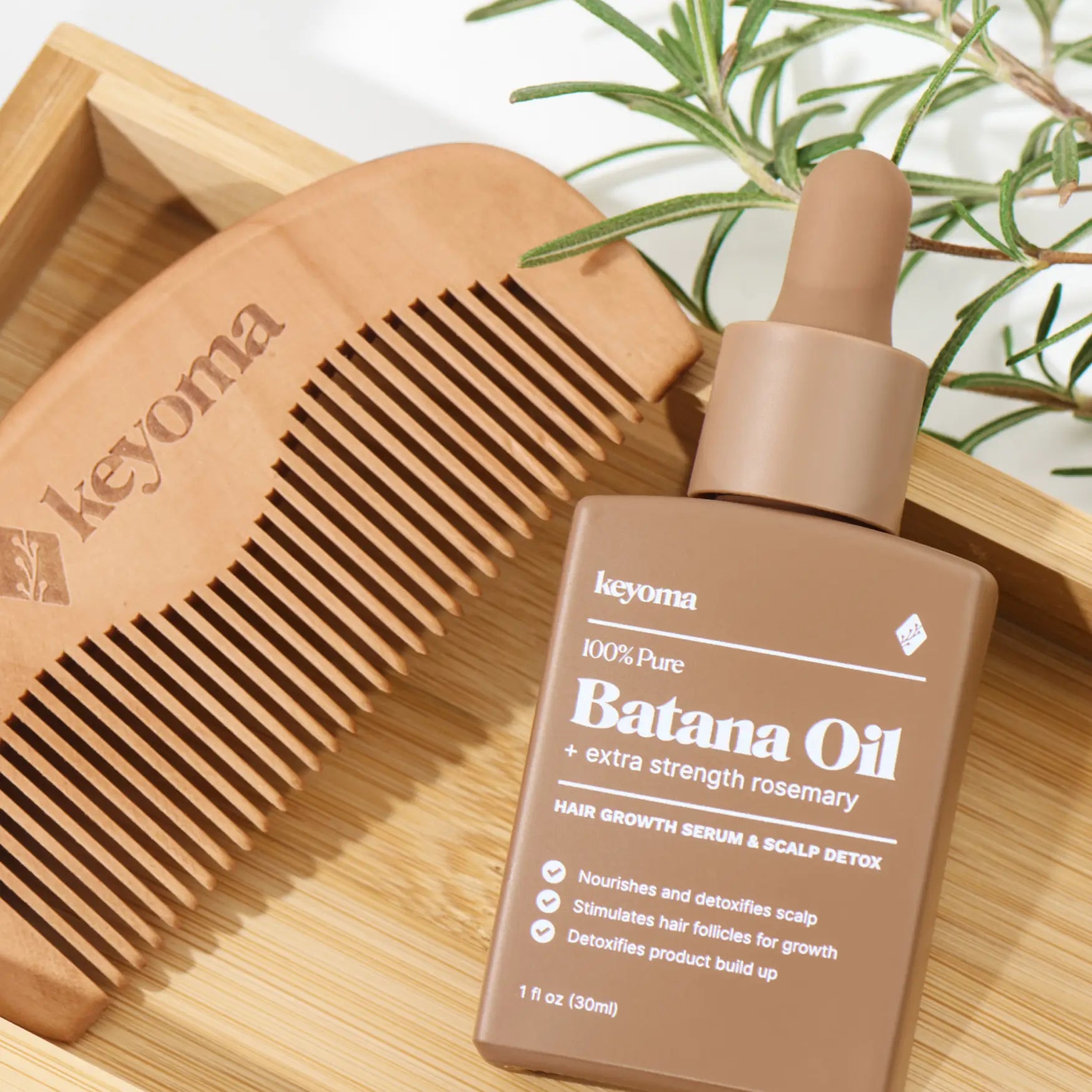
30% Off + 3 FREE Gifts
100% Pure Batana Oil + Rosemary
↓Best Batana Oil to Buy↓

1 Month
Subscribe & Save
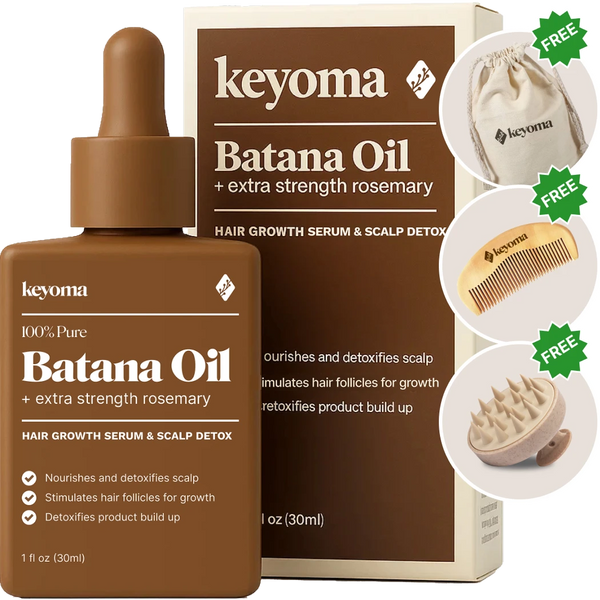


- 30-day supply delivered monthly $35
- 30% off for life $6
- Free haircare essentials kit $33
- Free custom wooden comb $10
- Free scalp massager $15
- Free eco-friendly travel bag $8
- 30-Day Money Back Guarantee
- Free Shipping
- Online portal for easy cancel, skip, or pause.
1 Month One Time Purchase
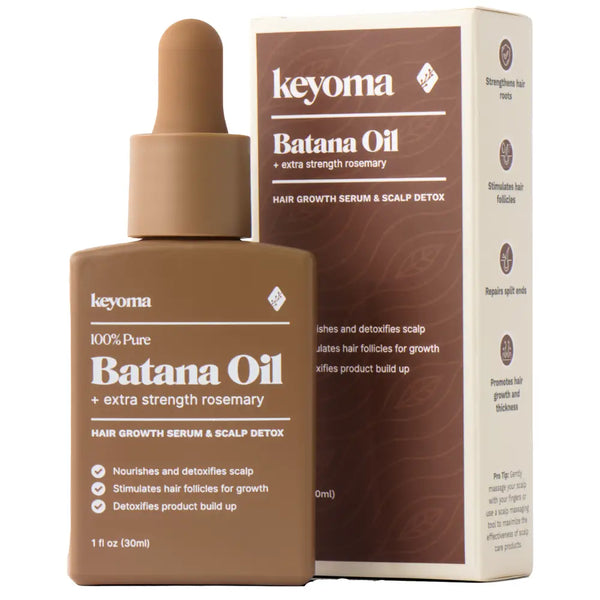
- 30-day supply $50
- 30% off for life $6
- Free haircare essentials kit $33
- Free custom wooden comb $10
- Free scalp massager $15
- Free eco-friendly travel bag $8
