

In this article
You can apply batana oil to wet or dry hair, but the better choice depends on your goal. Use it on damp hair when you want light sealing after washing. Use it on dry hair when you want a pre-wash treatment, softer ends, frizz control, or shine.
Avoid applying batana oil to dripping wet hair. Water can make it harder to judge how much oil you are using, and heavier oils can leave hair feeling coated if they sit on top of soaked strands.
For most first-time users, dry hair before washing is the safer starting point. It lets you test the texture, control placement, and rinse out extra oil before you decide whether damp-hair use belongs in your regular routine.
Key Takeaways
-
Damp hair is best when you want light sealing after washing.
-
Dry hair is best for pre-wash conditioning and shine control.
-
Mid-lengths and ends are safer starting points than the scalp.
-
Use less batana oil after washing because it can feel heavy.
Should Batana Oil Go on Wet or Dry Hair?
Batana oil can work on both, but it should not be treated like a one-rule product. Damp hair helps when your goal is to seal in the moisture left after washing. Dry hair helps when your goal is to coat dry ends before shampooing, smooth frizz, or add a small amount of shine after styling.
A helpful split is simple: use damp hair for light finishing and dry hair for treatment. If you need full steps beyond timing, use a broader batana oil application guide instead of turning this decision into a full routine.
Batana oil also has a richer feel than many lightweight finishing oils. Trichologist Hannah Gaboardi describes batana oil as thick and buttery, and notes that it may weigh down fine or oily hair when too much is used. That texture is why timing and amount matter so much.
If your hair is fine, oily, or easily flattened, start with dry-hair pre-wash use. If your hair is thick, curly, coily, dry, or porous, you may tolerate a small amount on damp hair better, especially through the ends.
When to Apply Batana Oil to Wet Hair

Apply batana oil to wet hair only when the hair is damp, not soaked. Towel-dried hair gives you enough moisture to seal while still letting you control the amount. If water is still dripping from your ends, wait a little longer.
Wet or damp use works best as a light finishing step after a wash. WebMD lists wet, clean hair and dry hair as different batana oil use cases, with wet hair fitting leave-in or styling placement and dry hair fitting shine and moisture-locking needs.
After Shower When Hair Is Towel-Dried
Use batana oil after showering when your hair feels damp and clean, but not saturated. Blot with a towel first, then warm a tiny amount between your palms before touching your hair.
Keep the first use small. For dense or coily hair, you may need more over time. For fine or straight hair, even a small dab can be enough. If your hair looks stringy after drying, you used too much or applied it too close to the roots.
For Light Moisture Sealing
Damp-hair application is not mainly about deep treatment. It is better for sealing softness after conditioner or adding slip to dry-prone ends. Think of it as a final layer, not the main source of hydration.
Hair needs water-based moisture first. Oil can help reduce moisture loss, but it does not replace conditioner, leave-in products, or a wash routine that suits your texture.
On Mid-Lengths and Ends
For most readers, mid-lengths and ends are the safest placement. These areas are older, drier, and more exposed to friction than the roots. They usually need more softening without making the scalp greasy.
Maria Nila recommends focusing hair oil on the mid-lengths and ends and avoiding the scalp unless the product is designed for scalp use. If you are unsure how much batana oil to use, begin with less than you think you need and add only after your hair dries.
When You Need Less Oil
Damp hair can hide heaviness at first. Your hair may look fine while wet, then dry flat or greasy later. That delayed result is common with richer oils.
Use the smallest visible amount on wash day. Rub it into your palms until the product thins out, then lightly press it over the lower half of your hair. Avoid the crown unless your scalp is very dry and you already know it tolerates oil.
When to Apply Batana Oil to Dry Hair

Dry hair is the better choice when you want batana oil to act as a pre-wash treatment. You can see where the oil is going, focus on dry areas, and shampoo it out before it has a chance to leave your finished style heavy.
Cleveland Clinic dermatologist Dr. Shilpi Khetarpal recommends applying oil to dry hair, using a small amount, focusing from the middle of the hair to the ends, and washing it out after about 20 minutes to an hour. That approach fits batana oil well because its richer texture is easier to manage before cleansing.
Before Wash Day Conditioning
Use batana oil before wash day when your ends feel rough, dull, or hard to detangle. Apply it to dry hair, wait long enough for the hair to feel coated but not soaked, then shampoo and condition as usual.
This method is especially useful for first-time users. You get the softening benefit without committing to leave-in wear. If your hair feels too coated after shampooing, use less oil next time or shampoo twice only when needed.
For Frizz and Shine Control
Dry hair can also take a tiny amount of batana oil after styling. This works best on frizzy ends, flyaways, or areas that look dull. The goal is polish, not saturation.
Living Proof recommends using very small amounts of hair oil on dry hair and focusing on frizzy shafts and ends while avoiding the roots and scalp. With batana oil, that small-amount rule matters even more because the texture can feel richer than a lightweight serum.
When Trying It for the First Time
A dry-hair pre-wash test gives you the most control. Apply a small amount to the lower half of your hair, leave it for 20 minutes, then wash it out. If your hair feels softer and not weighed down, you can try a longer pre-wash window later.
If you are comparing oils or choosing a pure batana oil, texture should matter as much as the ingredient name. A thicker oil may suit dry, coarse, curly, or coily hair better than fine hair that loses volume easily.
When Your Scalp Gets Oily or Flaky
Scalp use should be limited and intentional. Batana oil may feel comforting on dry areas, but leaving an occlusive oil on the scalp for long periods is not ideal for everyone.
Dermatologist Dr. Melanie Palm told Health that people with dandruff or seborrheic dermatitis should avoid leaving occlusive oils on the scalp for long periods, and first-time users should patch test before applying batana oil more widely. If your scalp gets itchy, greasy, flaky, or irritated, keep batana oil on the mid-lengths and ends instead.
Is Batana Oil Better Before or After Washing?
Batana oil is usually easier to manage before washing, especially if you are new to it. Pre-wash use lets you apply enough to soften dry areas, then remove the extra with shampoo. It is the best starting point if you are unsure how your hair will respond.
After washing, batana oil should be used more lightly. Damp-hair use can help seal softness, but too much product can make clean hair feel coated. If you want to use batana oil after showering, apply a very small amount to towel-dried ends and keep it away from the scalp.
For a simple decision, match timing to the result you want:
-
Use batana oil before wash day for conditioning and softer ends.
-
Use batana oil on damp hair after washing for light sealing.
-
Use batana oil on dry styled hair only for small frizz or shine touch-ups.
-
Avoid long scalp contact if you are prone to dandruff, oiliness, or irritation.
Batana oil may support softness, hydration, shine, and a smoother look, but it should not be framed as a proven hair regrowth treatment. Health notes that there is no scientific proof that batana oil regrows hair, even though it may help hydration and overall hair health. If shedding is sudden, patchy, painful, or persistent, speak with a dermatologist instead of relying on oil alone.
A batana oil collection can help when you are evaluating product type, but your application method still decides how heavy or light the result feels. If your hair often looks greasy after oiling, review hair oil overuse before adding more product.
Apply Batana Oil to Wet or Dry Hair Without Heaviness
Use dry hair first if you want the lowest-risk routine. Apply a small amount before washing, focus on the mid-lengths and ends, leave it on briefly, then shampoo it out. That method gives you room to adjust without leaving your finished hair greasy.
Use damp hair only when your hair needs light sealing after wash day. Keep the amount smaller than your pre-wash amount, avoid the roots, and judge the final result after your hair fully dries.
Batana oil works best when the timing matches the goal. Dry hair is better for pre-wash conditioning and controlled shine. Damp hair is better for light sealing. The scalp is optional, not automatic, and ends are the safest place to start.
Featured Product
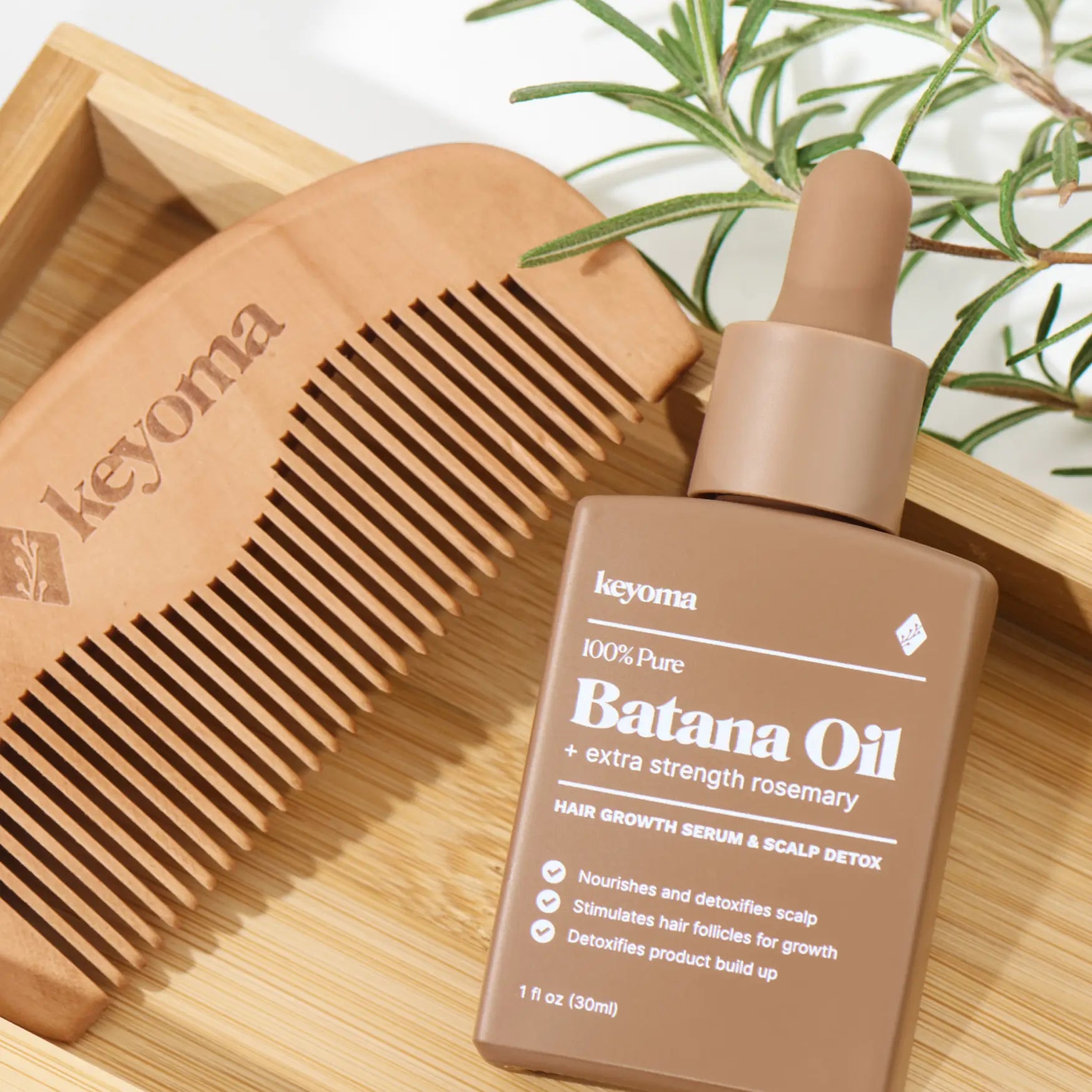
30% Off + 3 FREE Gifts
100% Pure Batana Oil + Rosemary
↓Best Batana Oil to Buy↓

1 Month
Subscribe & Save
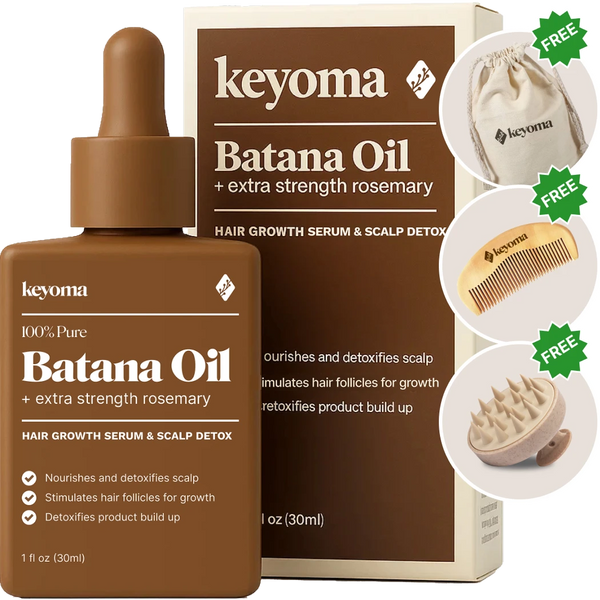


- 30-day supply delivered monthly $35
- 30% off for life $6
- Free haircare essentials kit $33
- Free custom wooden comb $10
- Free scalp massager $15
- Free eco-friendly travel bag $8
- 30-Day Money Back Guarantee
- Free Shipping
- Online portal for easy cancel, skip, or pause.
1 Month One Time Purchase
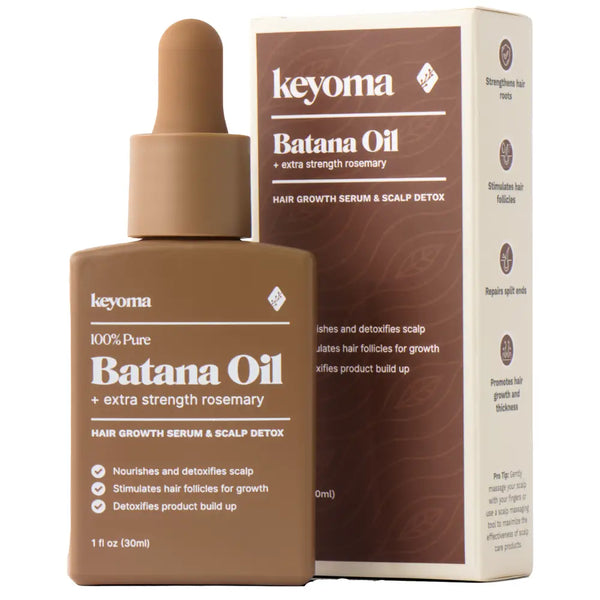
- 30-day supply $50
- 30% off for life $6
- Free haircare essentials kit $33
- Free custom wooden comb $10
- Free scalp massager $15
- Free eco-friendly travel bag $8
