Side Effects of Rosemary Oil on Hair: How Keyoma’s Formula Helps Reduce Risk
Written by

Published on May 08, 2026

In this article
Rosemary oil is popular in hair care, but it can still cause side effects when used the wrong way. The most common problems are scalp irritation, burning, redness, itching, dryness, flaking, buildup, or allergic reactions.
Most issues happen when people apply rosemary essential oil directly to the scalp, use too many drops, massage too roughly, or apply it too often. Dilution helps lower that risk, but it does not make rosemary oil irritation-proof.
Keyoma’s batana and rosemary formula gives you a lower-guesswork option because you do not have to mix raw essential oil ratios yourself. It can support a scalp and hair care routine, but it should still be patch tested and used with care.
Key Takeaways
-
Rosemary oil can irritate sensitive scalps.
-
Undiluted rosemary essential oil is riskier.
-
Dilution helps lower scalp reaction risk.
-
Stop use if burning or swelling appears.
What Are the Side Effects of Rosemary Oil on Hair?

The side effects of rosemary oil on hair usually show up on the scalp first. Your hair may feel worse later if the scalp becomes inflamed, itchy, dry, or coated with too much product.
Cleveland Clinic dermatologist Dr. Shilpi Khetarpal lists possible rosemary oil side effects such as scalp irritation, redness, burning, damaged hair follicles, and inflammation. She also advises stopping use and consulting a dermatologist if irritation or side effects happen. Cleveland Clinic also notes that results vary and there are no guarantees.
Scalp Irritation
Scalp irritation can feel like itching, tenderness, tightness, warmth, or stinging after application. It may happen quickly, or it may build after repeated use.
A mild, short-lived sensation is not the same as ongoing discomfort. If your scalp keeps itching or feels sore after rosemary oil, stop using it and let the scalp calm down before trying another product.
Burning or Redness
Burning or redness is a stronger warning sign. Rosemary oil should not make your scalp feel hot, painful, or inflamed.
Healthline warns that rosemary essential oil can irritate skin and advises diluting it with a carrier oil or another product before scalp application. It also says to stop using rosemary oil if irritation happens. Healthline makes this clear because essential oils are concentrated, even when they come from natural sources.
Dryness and Flaking
Dryness and flaking can happen if rosemary oil is too strong, used too often, or mixed into a formula that does not suit your scalp. Some people also react to fragrance compounds, not just the oil itself.
Flaking after rosemary oil does not always mean dandruff. It may be irritation, dryness, buildup, or a scalp condition that needs different care. If your scalp is already dry or reactive, a rosemary oil patch test is a smart first step.
Buildup and Greasiness
Buildup and greasiness can happen when you apply too much oil or do not wash it out well. The scalp may feel coated, roots may look flat, and hair may feel heavy.
This is more common with frequent use or heavy application near the roots. If your hair is fine or oily, rosemary oil may work better as a short pre-wash step than as a leave-in scalp oil.
Allergic Reaction
An allergic reaction can show up as rash, swelling, strong itching, hives, burning, or open sores. Health.com notes that rosemary oil is highly concentrated and may cause skin irritation or allergic reactions, with signs such as redness, itching, burning, and open sores. Health.com also recommends patch testing before scalp use.
Swelling, spreading rash, breathing symptoms, or severe discomfort should be treated seriously. Rinse the product off and seek medical advice.
Why Can Rosemary Oil Cause Scalp Problems?
Rosemary oil can cause scalp problems because it is not a simple moisturizing oil. Rosemary essential oil is a concentrated botanical extract. It needs careful dilution and careful placement before scalp use.
A natural product can still be too strong for your skin. Scalp reactions often come from concentration, frequency, skin sensitivity, or rough application rather than rosemary oil alone.
Undiluted Essential Oil
Undiluted rosemary essential oil is the biggest risk. Essential oil should not be applied directly to the scalp because the concentration can irritate skin.
Medical News Today says rosemary oil should be diluted before scalp application and should never be applied without dilution. Medical News Today also explains that rosemary oil may not be effective or safe for everyone who uses it for hair loss.
If you are unsure about essential oil strength, review how to dilute rosemary oil for hair before applying anything to your scalp.
Too Many Drops
Too many drops can make a blend stronger than your scalp can tolerate. More rosemary oil does not mean better results.
A strong mix can increase the chance of itching, burning, redness, or dryness. Use a low dilution, measure carefully, and avoid adding extra drops because you want faster growth.
Too Much Frequency
Using rosemary oil too often can irritate the scalp or create buildup. Daily use is not the right default for every person.
Fine, oily, sensitive, or inflamed scalps may need less frequent use. If your scalp starts feeling itchy or coated, reduce frequency or stop use. A routine should feel comfortable, not aggressive.
Sensitive or Inflamed Scalp
A sensitive or inflamed scalp can react faster to rosemary oil. If you already have itching, flaking, eczema, dermatitis, scalp acne, sunburn, or scratches, wait before applying active oils.
Applying rosemary oil to an irritated scalp can make discomfort worse. For sensitive routines, oils for sensitive scalp may help you think more carefully about product weight, fragrance, and patch testing.
Rough Scalp Massage
Scalp massage should be gentle. Rough rubbing can create soreness, scratching, or more inflammation, especially when paired with a concentrated oil.
Use the pads of your fingers, not your nails. Massage slowly and lightly. The goal is even spread and comfort, not pressure.
Can Rosemary Oil Damage Hair?
Rosemary oil is more likely to bother the scalp than directly damage the hair shaft. Still, scalp irritation can affect how your hair feels. If your scalp becomes inflamed, itchy, flaky, or coated with buildup, your routine may start making your hair look worse.
Hair can also feel dry or heavy if rosemary oil is used in the wrong format. Too much oil can make roots greasy. A harsh or overly concentrated essential oil blend can leave the scalp uncomfortable. Rubbing too hard during application can increase breakage around fragile areas.
Rosemary oil is not a guaranteed hair growth fix. Some people use it as part of a scalp massage routine, but ongoing hair loss should not be handled by adding more oil. If shedding continues, becomes patchy, or comes with pain or irritation, speak with a dermatologist.
For a realistic view of evidence and expectations, rosemary oil for hair growth should be treated as a scalp care topic, not a promise of regrowth.
Who Should Be Careful With Rosemary Oil?

Some people should be more cautious with rosemary oil. A product that feels fine for one scalp may trigger itching, redness, or burning on another.
Use extra care if your scalp is sensitive, your skin reacts to fragrance, you have active irritation, you are pregnant or breastfeeding, or your hair loss is ongoing. Rosemary oil should support a thoughtful routine, not replace medical guidance.
Sensitive Scalps
Sensitive scalps need a lower-risk approach. Patch test first, start with a small amount, and avoid strong DIY blends.
Even diluted rosemary oil can irritate some people. If your scalp reacts easily to fragrance, essential oils, or leave-on treatments, choose simpler formulas and stop at the first sign of burning or lasting redness.
Fragrance Sensitivity
Rosemary has a strong herbal scent because it contains aromatic compounds. People with fragrance sensitivity may react even when the oil is diluted.
If scented products often make your scalp itch or your skin flush, rosemary oil may not be the best match. A fragrance-free scalp routine may be safer.
Active Scalp Irritation
Do not apply rosemary oil to a scalp that is already burning, scratched, swollen, rashy, or painful. Active irritation needs calm care first.
Using rosemary oil on irritated skin can make it harder to tell whether the product helped or worsened the problem. Wait until the scalp feels normal, then patch test before wider use.
Pregnancy or Breastfeeding
Pregnancy and breastfeeding are times to be more careful with essential oils. WebMD advises that women who are pregnant or breastfeeding should avoid rosemary oil. WebMD also notes that rosemary oil should be diluted before skin use.
Ask your healthcare provider before using rosemary essential oil during pregnancy or breastfeeding, especially as a repeated scalp treatment.
How Keyoma’s Batana and Rosemary Formula Lower the Risk

Keyoma’s batana and rosemary formula lowers risk by reducing common DIY mistakes. You do not have to handle raw rosemary essential oil, guess drop counts, or create a blend that may be too strong for your scalp.
This does not mean there is zero risk. Any hair oil can bother a sensitive scalp. The advantage is that a pre-blended format gives you a simpler routine with less room for mistakes like using undiluted essential oil or adding too many drops.
Rich Batana Oil Base
Batana oil gives the formula a rich base that suits dry, brittle, rough, or textured hair. It can help the hair feel softer and make application smoother.
This is helpful when rosemary oil alone feels too concentrated or too sharp for scalp use. The batana base supports a more cushioned application.
Carrier Oil Support
Keyoma’s formula uses batana oil in a carrier-style role, so you are not placing raw rosemary essential oil directly on your scalp. That makes it more routine-friendly than DIY mixing for many users.
For readers comparing ingredient pairings, rosemary and batana oil can help connect rosemary scalp care with richer strand support.
Gentler Scalp Contact
A pre-blended oil can make scalp contact feel gentler because the rosemary is already distributed through the formula. You still need to use a small amount and patch test first.
Apply lightly and avoid irritated skin. If your scalp burns, itches strongly, swells, or stays red, rinse and stop using it.
Less Irritation Risk
Keyoma’s formula may help reduce irritation risk linked to DIY mistakes. It helps you avoid applying undiluted rosemary essential oil or adding too much essential oil into a homemade blend.
It cannot prevent every reaction. If you are sensitive to rosemary, fragrance, or oils in general, you may still react. That is why patch testing matters even with a pre-blended formula.
Better Spreadability
A richer oil base can help the formula spread more evenly over the scalp and hair. Better spreadability means you can use less product and avoid overworking one area.
Use gentle pressure and section the hair if needed. If your roots get greasy fast, keep the amount small and focus on areas where you actually need scalp or strand support.
Lower Side Effects of Rosemary Oil on Hair With Keyoma
The side effects of rosemary oil on hair usually come from scalp irritation, overuse, undiluted essential oil, too many drops, or rough application. Burning, lasting redness, swelling, strong itching, rash, open sores, or unusual shedding are signs to stop using the product and rinse it out.
Keyoma’s batana and rosemary formula gives you a softer, lower-guesswork way to add rosemary to your routine without mixing essential oils yourself. Patch test first, use a small amount, and keep your routine gentle. If hair loss continues or your scalp reacts, speak with a dermatologist instead of increasing rosemary oil use.
Featured Product

30% Off + 3 FREE Gifts
100% Pure Batana Oil + Rosemary
↓Best Batana Oil to Buy↓

1 Month
Subscribe & Save
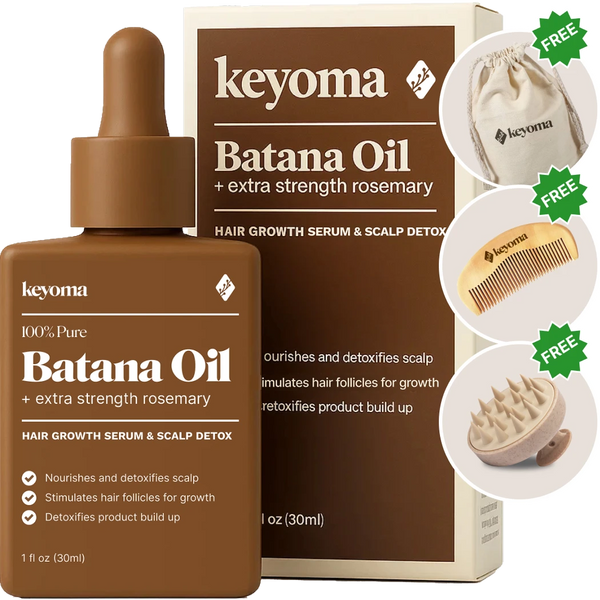


- 30-day supply delivered monthly $35
- 30% off for life $6
- Free haircare essentials kit $33
- Free custom wooden comb $10
- Free scalp massager $15
- Free eco-friendly travel bag $8
- 30-Day Money Back Guarantee
- Free Shipping
- Online portal for easy cancel, skip, or pause.
1 Month One Time Purchase
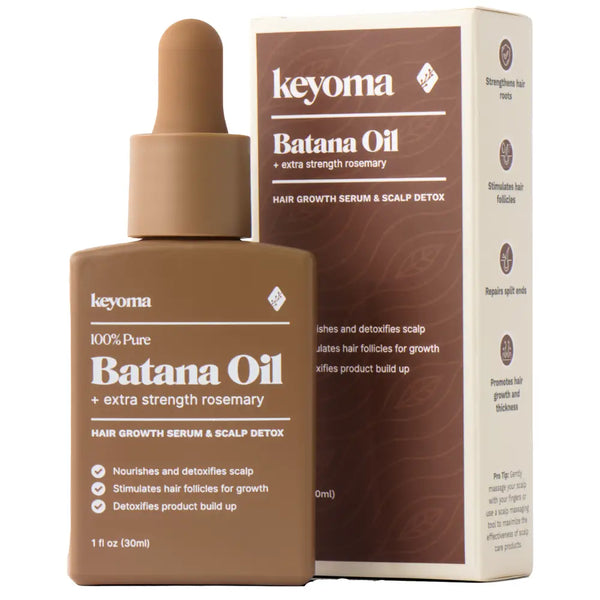
- 30-day supply $50
- 30% off for life $6
- Free haircare essentials kit $33
- Free custom wooden comb $10
- Free scalp massager $15
- Free eco-friendly travel bag $8
