

In this article
Is your hair coarse, difficult to manage, and rebellious? Despite your best efforts, does it seem to have a mind of its own, refusing to stay smooth and in place? It can feel like a daily battle to tame your locks!
How can you get control of out-of-control hair? Whether humidity, heat damage, or natural frizz is the problem, we're sharing our guide for shiny, smooth, and manageable hair. We've heard your call for help, and we're here to assist!
Key Takeaways
-
Unruly hair feels hard to control, frizzes, tangles, and looks dull or dry.
-
Low scalp oil, low moisture, and cuticle damage raise friction and puffiness.
-
Wrong product weight and high friction habits can cause buildup, breakage, flyaways.
-
Gentle cleansing, consistent conditioning, low-heat drying, and light sealing help reduce frizz.
What Unruly Hair Looks and Feels Like
Unruly hair is hard to style and doesn't cooperate, even with effort. It might puff up, frizz easily, or resist holding a smooth style. Many people find it feels rough or dry, tangles quickly, and lacks shine.
Sometimes, your hair may seem to have a mind of its own, changing shape as it dries, reacting to humidity, or becoming frizzier as the day goes on. Thick, coarse, curly, or highly textured hair is often more prone to unruliness, but any hair type can feel this way when dry, stressed, or lacking the right moisture and protection.
Common Causes of Unruly Hair

Understanding what unruly hair looks and feels like is only half the picture. The real shift happens when you identify why your hair behaves this way in the first place. Your scalp may produce less natural oil than your hair needs, or friction from everyday styling could be lifting the cuticle and creating frizz you can't smooth down. Pinpoint what drives your texture.
Dry Hair
When your scalp doesn't produce enough natural oil, your hair loses a key protector. This oil coats the hair, reduces friction, and keeps it flexible. Without enough oil, hair feels rough, looks dull, and frizzes easily because the surface isn't smooth.
This is often most noticeable on the mid-lengths and ends, as oil doesn't travel down the hair shaft well, especially on thick, curly, or long hair. You might find your roots feel normal while your ends feel dry and straw-like, and your hair tangles more than it should.
Dehydrated Hair
Unruly hair often starts with internal dehydration. When hair lacks water, the outer layer can lift and feel rough, allowing humidity to cause swelling and frizz. Dry hair also lacks slip, leading to tangles and increased friction. Signs of this include hair that feels dry soon after washing, quick-returning frizz, and brittle ends.
Hair Damage
Damage alters the cuticle, and a lifted or chipped cuticle leads to unruly texture. Heat styling, chemical treatments, harsh brushing, and friction from towels or pillowcases can wear down the surface. A rough cuticle causes snags, reduces shine, and increases frizz.
You might see split ends, breakage, a rough feel even after conditioning, or dullness no matter what you do. Damaged hair may also react more to weather, as moisture moves in and out faster.
Mismatched Products
Product mismatch commonly makes hair unmanageable. Strong shampoos can strip oils, leaving hair stiff. Light conditioners might not provide enough smoothing, leading to tangles and frizz.
On the other hand, heavy products can cause buildup, making hair look dull and hard to style. Hair can feel dry and weighed down simultaneously. A clue is when hair feels rough and frizzy but looks flat or gets greasy quickly.
Styling Habits That Add Friction
Friction quickly turns normal hair unruly. Brushing dry, textured hair, detangling roughly, moving hair around while blow-drying, or rubbing with a towel can raise the cuticle and create flyaways.
Even touching your hair, wearing tight hats, or letting hair rub against rough fabric can increase frizz. If your hair looks good at the start of the day but becomes frizzier later, friction is likely a major cause. I've noticed that gently patting my hair dry helps minimize frizz.
Humidity and Weather Shifts
Humidity doesn't create unruly hair from scratch but highlights existing issues. When the cuticle is raised or hair is dehydrated, it absorbs moisture from the air, causing swelling, frizz, and loss of shape.
In dry weather, moisture can leave the hair, making it brittle and prone to static, leading to flyaways. If your hair changes dramatically with the season or time of day, you likely need better internal moisture and external sealing.
Inconsistent Routine
Inconsistent routines, rather than a single "bad" product, often cause unruly hair. If hair sometimes gets moisture but not regularly, it may feel soft one day and frizzy the next. Regular heat use without enough conditioning can slowly make hair rough and hard to style.
Clarifying too often strips hair, while never clarifying can block moisture and dull hair. Consistent gentle cleansing, conditioning, careful detangling, and a reliable leave-in product usually improve unruly hair.
5 Ways to Tame Unruly Hair

Unruly hair often results from dryness, friction, and a raised cuticle that allows humidity to cause puffiness. The goal is to clean gently, add and seal in moisture, and style in ways that avoid rubbing and heat damage. Use these steps as a consistent routine.
1. Moisturize Your Hair
Frizz worsens when shampoo strips too much oil and lifts the cuticle. Choose a gentle, sulfate-free shampoo focused on hydration and smoothing. If your hair feels squeaky, tight, or rough after rinsing, the cleanser is too harsh. Use lukewarm water instead of hot water, which can increase puffiness.
Focus shampoo on the scalp, letting lather rinse through the lengths. If your hair is very dry or textured, shampooing less often can help it stay softer.
2. Condition Every Wash
Conditioner smooths the cuticle, improves slip, and reduces tangles, lowering breakage and flyaways. After shampooing, squeeze out excess water so the conditioner isn't diluted. Apply through the mid-lengths and ends, smoothing it down in sections. Detangle gently with your fingers or a wide-tooth comb while conditioning to reduce friction.
Let it sit for two to five minutes before rinsing. If your roots get oily, avoid the scalp and focus below the ears for softness without heaviness.
3. Seal With Batana Oil
A light oil helps lock in moisture and reduce friction, which can significantly control frizz. Batana oil softens and coats the hair shaft, while rosemary oil supports the scalp and hair. Apply the batana oil to damp hair after washing. Start with a few drops, warm between your palms, and smooth over the top layer, mid-lengths, and ends.
For oily roots, avoid the scalp. For wavy or curly hair, use a gentle glazing motion to avoid disrupting your pattern. If refreshing dry hair, use a small amount on the frizziest areas to avoid weighing it down. Current evidence suggests that rosemary oil can help with hair thickness over time.
4. Dry With Less Friction
How you dry your hair affects cuticle smoothness and frizz. Instead of using high heat on soaking-wet hair, let it air-dry partially before finishing with a dryer if needed. Aim for about 80% to 90% dry before using heat. Use low to medium heat, moderate airflow, and hold the dryer at least six inches away, keeping it moving.
Staying in one spot can overdry the area and cause frizz. If you have wavy or curly hair, a diffuser can help maintain your pattern. A friend with curly hair finds that a diffuser really helps keep her curls defined.
5. Finish With Light
A leave-in finisher can reduce frizz, add shine, and soften hair, but application is key. Start with a small amount, warm it between your palms, and smooth it over the outer layer and ends where frizz is most visible.
For flyaways, apply the product only to those areas. If frizz appears later, refresh with a tiny amount of dry hair, focusing on the surface and ends. Too much product can weigh hair down, while a targeted touch keeps it smooth and natural.
Control Your Unruly Hair With Keyoma Batana Oil
Unruly hair is often a grip problem: rough outer strands catch on everything, then lift and scatter. A rich oil can help, but only if it adds slip without flattening your shape. Keyoma Batana Oil with Rosemary is best when you use a small amount on damp hair, focused on the outer layer and ends, since that is where flyaways start.
If your hair is fine or gets oily fast, keep it off the roots so you do not trade control for heaviness. You want hair that looks smoother, feels softer, and stays put longer between wash days.
Ready to keep unruly hair under control? Buy Keyoma Batana Oil with Rosemary direct from Keyoma, or shop it in the Keyoma Amazon store.
Featured Product
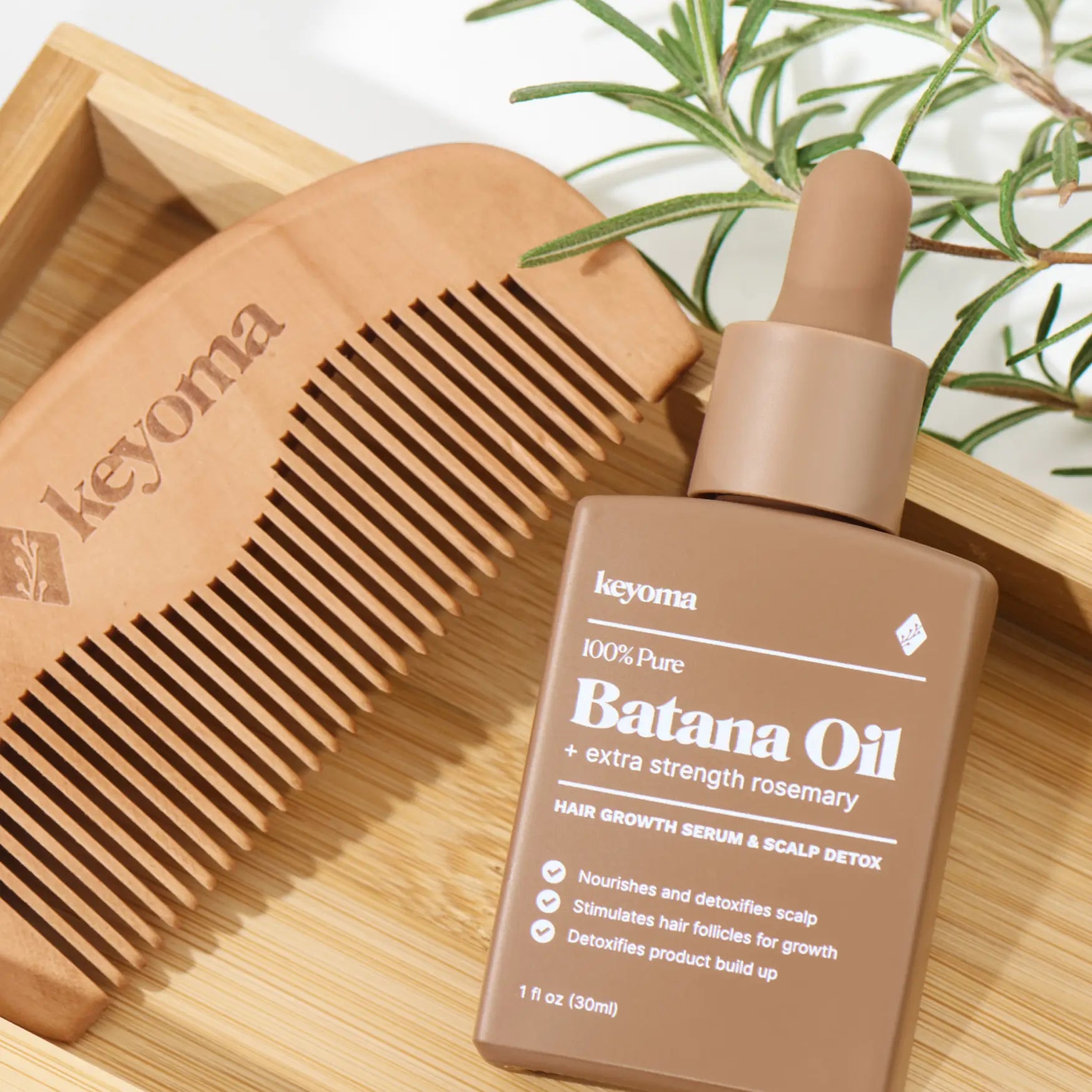
30% Off + 3 FREE Gifts
100% Pure Batana Oil + Rosemary
↓Best Batana Oil to Buy↓

1 Month
Subscribe & Save
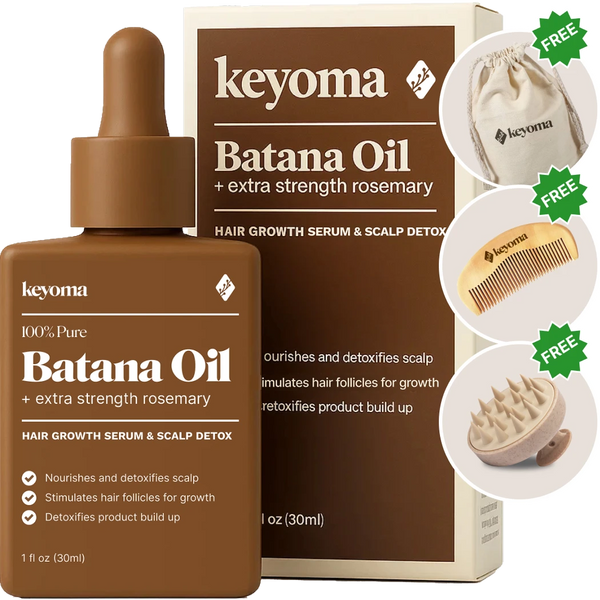


- 30-day supply delivered monthly $35
- 30% off for life $6
- Free haircare essentials kit $33
- Free custom wooden comb $10
- Free scalp massager $15
- Free eco-friendly travel bag $8
- 30-Day Money Back Guarantee
- Free Shipping
- Online portal for easy cancel, skip, or pause.
1 Month One Time Purchase
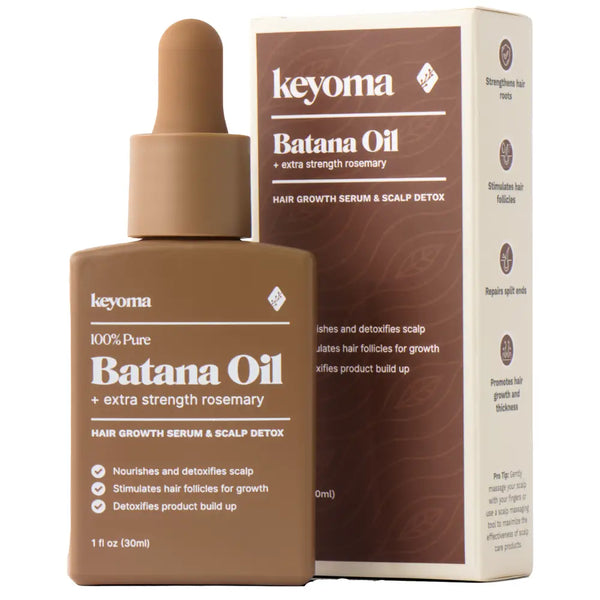
- 30-day supply $50
- 30% off for life $6
- Free haircare essentials kit $33
- Free custom wooden comb $10
- Free scalp massager $15
- Free eco-friendly travel bag $8
