Vegan Hair Masks: How to Pick the Best One for Your Hair
Written by

Published on Apr 20, 2026

In this article
Vegan hair masks can help dry, damaged, or weak hair feel softer, smoother, and easier to manage, but the word vegan by itself does not tell you whether a mask will actually work for your hair. Results usually depend more on the ingredients, the weight of the formula, and how well it fits your hair type than on the label alone.
A strong vegan hair mask should do two things well. It should add moisture and reduce stress on the hair fiber. Some formulas do that with oils and butters, while others rely more on aloe, avocado, or plant-derived conditioning ingredients.
The better option depends on whether your hair is dealing with breakage, roughness, frizz, or a dry scalp. Current evidence and expert overviews on hair masks consistently connect them with more moisture, softer texture, less frizz, and less breakage when the ingredients match what the hair actually needs.
Key Takeaways
-
Vegan hair masks leave out animal-derived ingredients, but that is different from cruelty-free, which refers to animal testing.
-
Different plant-based ingredients serve different roles, with batana oil helping reduce protein loss and aloe or avocado supporting moisture and softness.
-
Matching the mask to your hair type matters more than following trends, since fine hair often needs lighter formulas and thicker or drier hair can handle richer ones.
-
Consistent use usually matters more than a one-time treatment, and DIY masks work best as simple support instead of replacing every store-bought option.
What Is a Vegan Hair Mask?
A vegan hair mask is a deep conditioning treatment made without animal-derived ingredients such as honey, beeswax, silk proteins, or animal-based keratin and collagen. Instead, it usually depends on plant oils, butters, aloe, fruit extracts, and plant-derived conditioning ingredients.
That does not mean every vegan mask is gentle or automatically right for every hair type. Some formulas are rich and heavy, while others are lighter and better for smoothing or occasional repair. Vegan and cruelty-free are also not the same thing. A product can be cruelty-free and still contain animal-derived ingredients, so it helps to check both claims separately.
The better question is whether the formula suits your main concern. Dry hair usually needs richer moisture, weak hair needs less friction and breakage, and sensitive scalps often respond better to simpler, soothing ingredients.
Benefits of Vegan Hair Masks for Hair Health

Vegan hair masks can improve hair health when the formula matches the problem. The biggest benefits usually come from better moisture balance, reduced breakage, and a smoother hair surface. Hair masks in general are linked with softer hair, more shine, less frizz, and less visible damage, but the ingredient choice changes how those benefits show up.
Deep Hydration
Deep hydration is often the main reason people reach for a hair mask. Hair that feels rough, dull, or especially dry usually needs better water retention and more surface protection. Plant-based oils and emollients help by coating the strand and slowing moisture loss, while ingredients like aloe and avocado support softness and help dry hair feel less brittle. Aloe vera is commonly described as moisturizing and soothing, while avocado contains natural oils and fatty acids that are especially helpful for dehydrated hair.
Hydration also changes how the hair behaves. Better-hydrated hair usually bends more easily, tangles less, and feels less straw-like after washing. That is one reason a mask often improves manageability before it creates any dramatic visual change.
Reduced Breakage
Hair masks help reduce breakage mainly by improving flexibility and lowering friction. Hair that is dry or structurally stressed snaps more easily during brushing, detangling, and styling. Oils and conditioning ingredients reduce that stress by smoothing the outer layer and helping the strand hold onto moisture.
Coconut oil stands out here because research has shown it can reduce protein loss in both damaged and undamaged hair. That matters because the hair fiber is made largely from protein, so preserving it supports strength better than surface shine alone. Coconut oil’s lauric acid and low molecular weight are part of the reason it can move into the hair shaft more effectively than many other oils.
Scalp Soothing and Balance
Not every hair mask needs to go on the scalp, but some vegan masks can support scalp comfort when dryness or irritation is part of the issue. Aloe vera is the clearest example in this group. It is often used because of its moisturizing and anti-inflammatory profile, which may help calm scalp irritation. Rosemary oil is sometimes added in very small amounts to scalp-focused masks, though it should be diluted properly and treated as a support ingredient rather than a cure-all.
Scalp balance matters because hair usually behaves better when the scalp is not overly dry, flaky, or irritated. That does not mean every weak-hair routine needs a scalp mask, but it does mean the scalp should not be ignored when dryness or thinning is part of the picture.
Smoother and Shinier Hair
Shine is not just a cosmetic extra. It often reflects a smoother cuticle surface. When the outer layer of the hair lies flatter, strands feel softer, catch less on each other, and reflect light more evenly. Argan oil is often used for that reason because its fatty acids and vitamin E content help moisturize and condition while keeping the finish lighter than heavier treatment oils.
Smoother hair also tends to frizz less. That is one reason masks can help more than people expect even when the hair is not severely damaged. Less roughness usually means less puffiness, less tangling, and a cleaner finish after styling.
Best DIY Vegan Hair Masks Recipe

DIY vegan hair masks work best when they stay simple. One or two strong ingredients usually do more than a long kitchen-style mixture. That also makes it easier to see what your hair responds to. The goal is not to replace every product in your routine. It is to use plant-based ingredients in a way that makes sense for your hair type.
For weak or dry hair, richer oils and fatty ingredients often help most. For roughness, frizz, or scalp discomfort, lighter or more soothing ingredients may be a better fit. Use the ingredient that matches the problem instead of treating every DIY mask as interchangeable.
Batana Oil
Batana oil works best for hair that feels dry, rough, brittle, or overprocessed. It is a richer oil, so it makes more sense as a softness and moisture treatment than as a growth ingredient.
Recipe:
-
Mix 1 tablespoon of batana oil with 1 tablespoon of plain aloe vera gel.
-
Apply it mostly through the mid-lengths and ends.
-
Use only a very small amount on the scalp if it feels dry.
-
Leave it on for 20 to 30 minutes, then rinse and shampoo well.
It works especially well when your hair needs a richer treatment and longer-lasting softness. For me, the ends felt better when I kept it mostly off the roots. Used once a week, it can help dry strands feel more supple, smoother, and easier to manage.
Coconut Oil
Coconut oil is one of the strongest DIY choices for weak or breakage-prone hair because it can help reduce protein loss. That makes it more useful for strength support than for shine alone.
Recipe:
-
Use 1 to 2 tablespoons of coconut oil on its own, or mix it with a small amount of aloe vera.
-
Apply it to damp hair before washing.
-
Focus on the weaker or more fragile sections.
-
Leave it on for about 20 minutes, then shampoo thoroughly.
It works best as a strengthening treatment when your hair needs extra support and a more nourishing feel. It is a practical option for hair that snaps easily and needs more resilience between washes.
Argan Oil
Argan oil is better for softening and smoothing than for deep repair. It is often used when the goal is less frizz, more softness, and a lighter finish.
Recipe:
-
Mix 1 tablespoon of argan oil with 2 tablespoons of plain, fragrance-free conditioner or aloe gel.
-
Apply it through the mid-lengths and ends.
-
Leave it on for 15 to 20 minutes.
-
Rinse well and continue with the rest of your routine.
This is one of the easier mask options when you want softness without heaviness. I noticed lighter masks sat better on finer hair. It fits especially well into routines focused on shine, smoother texture, and lighter moisture support.
Avocado
Avocado is a strong DIY option for dry hair because it combines moisture, softness, and a richer feel without needing much else. It contains natural oils and fatty acids that are especially useful for dehydrated hair.
Recipe:
-
Mash half an avocado until smooth.
-
Mix it with 1 tablespoon of olive oil or argan oil if your hair is very dry.
-
Apply it to clean, damp hair.
-
Leave it on for 15 to 20 minutes, then rinse thoroughly.
It is especially helpful when your hair needs a richer moisture boost and a softer finish. For dry hair that looks dull or feels stiff, it can leave the strands feeling more cushioned and flexible.
Aloe Vera
Aloe vera is useful when the hair feels dry but the scalp also feels sensitive. It is lighter than the oil-based options in this section and is often used for moisture and scalp comfort.
Recipe:
-
Use 2 tablespoons of pure aloe vera gel.
-
Mix it with a small amount of jojoba, argan, or coconut oil depending on your hair type.
-
Apply it to the scalp and hair.
-
Leave it on for 15 to 20 minutes, then rinse and cleanse gently.
It is one of the best options here when you want moisture without a heavy finish. It also works nicely when you want the mask to feel soothing and refreshing rather than rich or coating.
How to Use a Vegan Hair Mask in Your Routine

A vegan hair mask works best when it fits cleanly into the rest of your routine. You do not need a complicated sequence. You need the right product, the right placement, and enough consistency for the hair to respond.
Step 1: Cleanse Hair Before Application
Most hair masks perform better on freshly cleansed hair or as a pre-wash treatment with a clear purpose. If you are using a richer DIY hair mask, applying it before shampooing often makes the most sense. If you are using a lighter moisturizing mask, clean damp hair usually gives better distribution.
Starting with hair that is not covered in styling residue helps the ingredients spread more evenly. It also reduces the chance of trapping old buildup underneath the mask.
Step 2: Apply Evenly From Roots or Mid-Lengths
Placement should depend on the problem instead of habit. If the issue is dryness through the lengths, keep the mask mainly on the mid-lengths and ends. If the scalp feels dry or irritated, use a lighter scalp-safe mask there and avoid overloading it.
Masks are often less effective when they are applied the same way to every part of the head. Most hair needs support in certain zones, not saturation everywhere.
Step 3: Leave On Based on Hair Needs
More time is not always better. Most masks do enough in 15 to 30 minutes. Very dry or coarse hair may handle a little more time with richer oils, but there is rarely much benefit in stretching the timing too far.
Hair that is fine, low density, or easily coated usually responds better to shorter sessions and lighter textures. That keeps the routine effective without leaving the hair flat afterward.
Step 4: Rinse and Follow With Routine Care
Rinse thoroughly and continue with the rest of your routine based on how the hair feels. Some DIY masks need a light shampoo afterward, especially if they contain richer oils. Others rinse more cleanly and only need conditioner or a leave-in afterward.
The routine should feel easier after a mask, not heavier. If the hair feels coated, greasy, or harder to style, the ingredient may be too rich, the amount may be too much, or the mask may be used too often.
Consistent use usually matters more than intensity. A mask used once a week in a way that matches your hair type is more useful than a stronger treatment done irregularly.
Choose Vegan Hair Masks for Softer, Stronger Hair
Vegan hair masks can support healthier-looking hair, but the real difference comes from choosing the right ingredients and using them consistently. Some formulas work better for softness and hydration, while others do more for breakage control or scalp comfort.
If your hair feels dry, coarse, brittle, or overworked, pure batana oil stands out as one of the richer vegan mask ingredients to build around. It gives a DIY mask more weight, more slip, and more lasting softness, which makes it especially helpful when lighter ingredients do not feel like enough.
The best vegan hair mask is the one that matches the problem in front of you. For hair that needs deeper treatment and a more nourishing finish, a mask built around pure batana oil can be one of the most effective plant-based options in the routine.
Featured Product
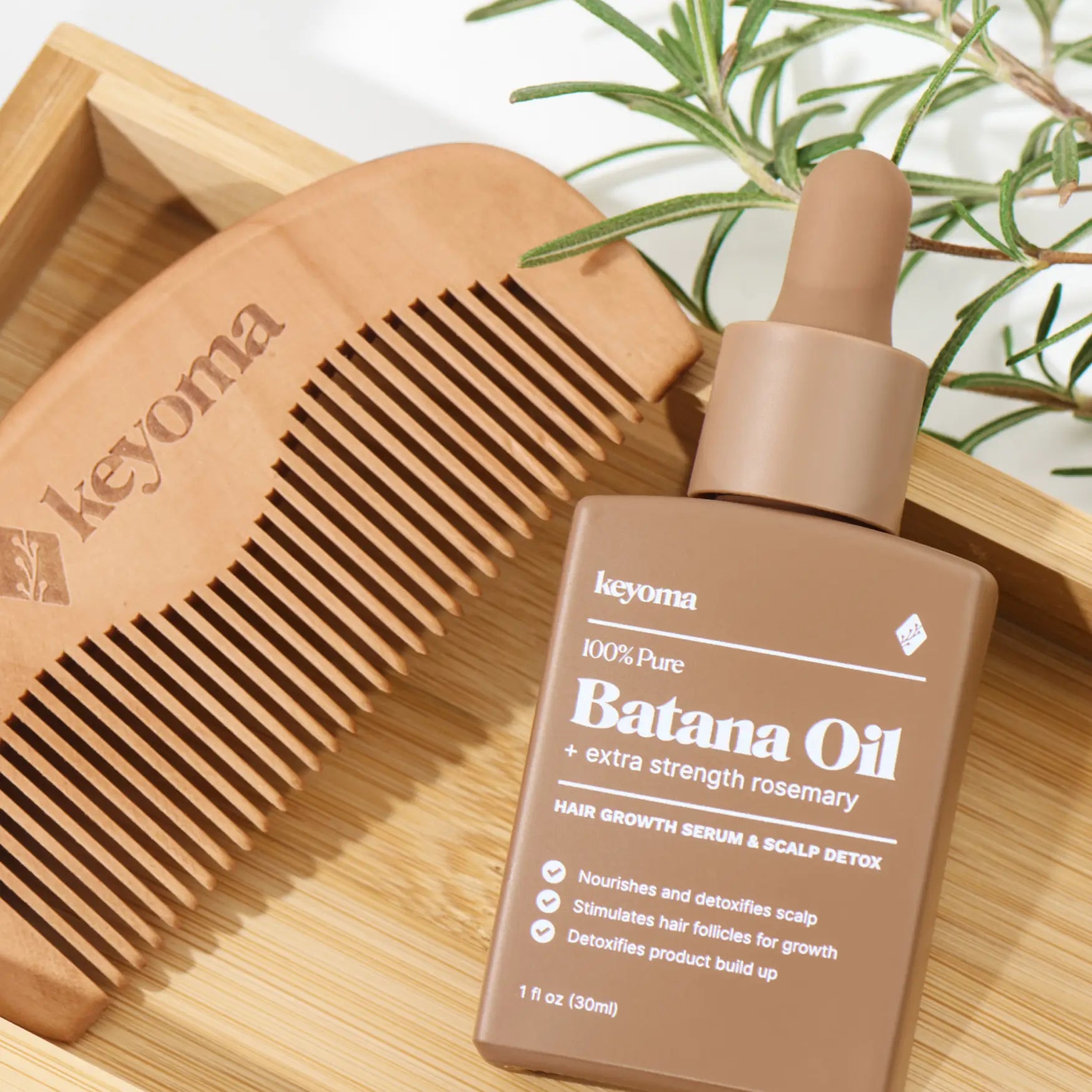
30% Off + 3 FREE Gifts
100% Pure Batana Oil + Rosemary
↓Best Batana Oil to Buy↓

1 Month
Subscribe & Save
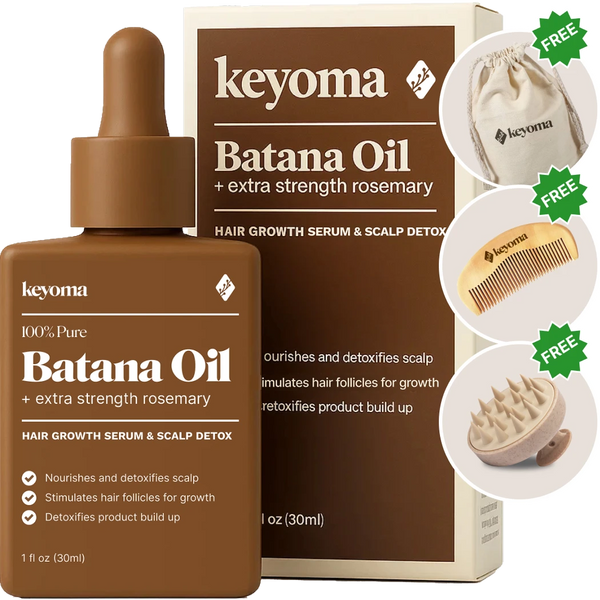


- 30-day supply delivered monthly $35
- 30% off for life $6
- Free haircare essentials kit $33
- Free custom wooden comb $10
- Free scalp massager $15
- Free eco-friendly travel bag $8
- 30-Day Money Back Guarantee
- Free Shipping
- Online portal for easy cancel, skip, or pause.
1 Month One Time Purchase
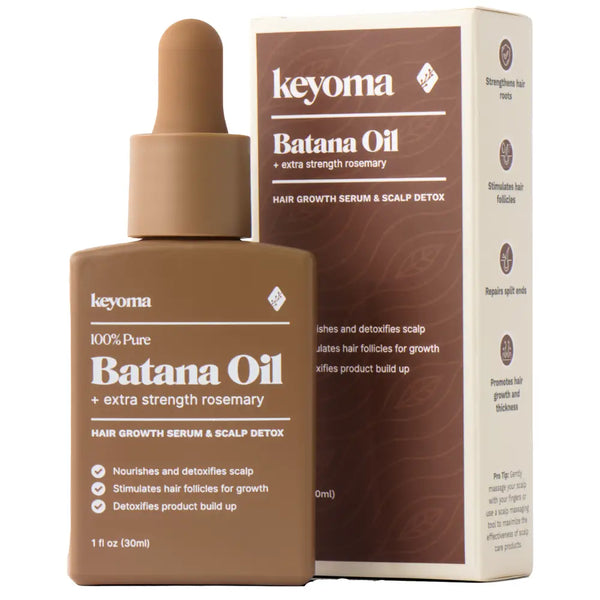
- 30-day supply $50
- 30% off for life $6
- Free haircare essentials kit $33
- Free custom wooden comb $10
- Free scalp massager $15
- Free eco-friendly travel bag $8
