

In this article
If you used too much batana oil and your hair feels greasy, flat, coated, or hard to rinse, you do not need to panic. A heavy result usually means the amount, placement, contact time, or wash step needs adjusting.
Batana oil is rich, so a little can feel like a lot, especially on fine hair, low-volume styles, oily roots, or hair that already has product residue. The goal is not to scrub your hair harshly. The goal is to lift the excess oil, reset the scalp and strands, then restart with a smaller amount next time.
You can usually fix oily hair after oiling with warm water, careful shampooing, and a lighter routine going forward. If the greasy feeling returns every time, your hair may need less oil, shorter contact time, or fewer oiling sessions.
Key Takeaways
-
Too much batana oil can make hair feel greasy, flat, heavy, or coated.
-
Warm water and scalp-focused shampooing usually remove excess oil.
-
Shampoo twice only if your hair still feels slick after the first wash.
-
Restart with less oil, shorter contact time, and ends-first placement.
What Happens If You Use Too Much Batana Oil?
Using too much batana oil can leave a visible oily film on the hair. Your roots may look flat, your ends may clump together, and your hair may feel dull instead of soft. Some people also notice that their hair feels dirty soon after washing because the oil was not fully removed.
That does not always mean batana oil is wrong for your hair. Cleveland Clinic dermatologist Shilpi Khetarpal, MD, explains that dry, coarse, tightly curled hair may tolerate oil better, while fine, straight hair can be weighed down more easily. Your result depends on hair type, scalp oil level, how much oil you used, and whether you applied it near the roots.
A greasy result is often a routine issue, not a product failure. If your hair usually feels light but became heavy after one oil treatment, you likely need a reset wash and a smaller amount next time.
How to Fix Too Much Batana Oil in Hair

The best fix depends on whether you can wash your hair right away. If you have time to shower, focus on loosening the oil first, then cleansing the scalp and roots. If you cannot wash yet, absorb what you can and style your hair in a way that makes the oil less obvious.
Avoid harsh panic fixes like dish soap, aggressive scrubbing, or repeated shampooing until your scalp feels tight. Those can leave your hair dry and irritated, especially if your strands are already fragile.
Blot And Style It If You Cannot Wash Yet
If you cannot wash your hair immediately, blot the oiliest areas with a soft towel or clean cotton T-shirt. Press rather than rub. Rubbing can rough up the cuticle and make the hair look frizzier once the oil is removed.
Hairstylist Nathaniel Hawkins suggests dry shampoo, brushing out excess powder, and using a sleek ponytail or braided bun when too much hair oil has been applied. Dry shampoo will not fully remove batana oil, but it can absorb enough residue to make your hair more wearable until wash time.
If your bangs or front pieces look oily, blot those areas separately. Small sections near the face often show oil faster than the rest of the hair.
Rinse With Warm Water First
Before shampoo, rinse your hair thoroughly with warm water. Warm water helps soften the oil and makes it easier for shampoo to spread. Do not use very hot water, since heat can make your scalp feel dry or uncomfortable.
Give this step more time than usual. Let the water run through the roots, underside, and nape area, where oil often collects. I noticed that rushing the first rinse tends to make the shampoo feel less effective.
When the hair feels evenly wet and less slick, move to shampoo. Starting too quickly can make shampoo sit on top of the oil rather than mixing through it.
Shampoo The Scalp And Roots
Apply shampoo to your scalp and roots first. That is where oil, sweat, and residue usually collect. Massage with your fingertips, not your nails, and work slowly around the hairline, crown, temples, and nape.
Let the suds move through the lengths as you rinse. If your mid-lengths and ends are very oily, you can gently smooth the lather downward, but avoid rough scrubbing. For more wash-day support after a heavy oil treatment, a gentle hair-oiling frequency adjustment may help if your hair keeps feeling coated after every session.
After the first shampoo, rinse until the water runs clean and the roots feel less slippery. If your hair feels normal after one wash, stop there and condition the ends.
Shampoo A Second Time Only If Needed
Double shampooing can help when hair still feels slick after the first cleanse, but it should not be automatic. Dr. Melanie Palm and Dr. Brendan Camp note that double shampooing can remove oil, sweat, and product residue, but doing it too often may dry the scalp and hair or make breakage more likely for some people.
Use a second shampoo only if your roots still feel oily, waxy, or coated after the first rinse. Keep the second cleanse focused on the scalp. You do not need to scrub the lengths twice unless they still feel visibly greasy.
If your scalp starts feeling tight, itchy, or irritated, stop shampooing and rinse well. A clean scalp should feel fresh, not stripped.
Condition The Ends After Cleansing
Once the oil is removed, apply conditioner only to the mid-lengths and ends. Skip the roots if your hair already felt greasy or flat. Conditioner near the scalp can add more weight right after a heavy oiling mistake.
Leave the conditioner on long enough to soften the hair, then rinse thoroughly. Your strands may feel lighter but slightly less silky after removing a lot of oil, so conditioner helps restore slip without adding another heavy layer.
After washing, let your hair dry before judging the result. Hair can feel different while wet, and leftover heaviness is easier to assess once the roots and ends are fully dry.
Why Your Hair May Feel Greasy After Batana Oil?
Hair may feel greasy after batana oil because the oil is too rich for the amount used. Batana oil can work well as a pre-wash treatment, but it may feel heavy as a leave-in if you apply too much or place it close to the roots.
Placement makes a big difference. Roots already receive natural scalp oil, so adding batana oil there can make fine or oily hair look flat faster. If your hair often feels limp after oils, the issue may be that your hair oil is too heavy for your current routine or you are using it in the wrong area.
Another reason is contact time. Leaving a rich oil on for hours may be too much for some hair types, especially if the hair is fine, straight, low-density, or freshly washed. Shorter contact time often gives the hair softness without the coated finish.
Can Too Much Batana Oil Cause Buildup?
Too much batana oil can contribute to buildup when it collects on the scalp or hair and does not wash away fully. The hair may feel greasy, waxy, dull, or dirty even after cleansing. Roots may collapse quickly, and strands may separate into oily pieces.
WebMD notes that hair needs oil to stay healthy, but too much oil can lead to buildup on the hair and scalp. With batana oil, buildup is more likely when you use a large amount, apply it repeatedly without enough cleansing, or combine it with heavy conditioners, creams, and styling products.
If your hair feels coated every wash day, look at the full routine. Oil may be only one layer. Heavy masks, leave-ins, styling creams, and scalp products can all add to product buildup, especially near the roots.
How Much Batana Oil Should Beginners Use Next Time?

After overusing batana oil, restart smaller than you think you need. The safest beginner approach is to use a tiny amount, keep it mostly away from the roots, and wash it out fully before deciding whether your hair needs more.
The goal is not to cover every strand in a thick layer. A light coating on dry or rough areas is usually enough. If your hair still feels dry after a few lighter sessions, you can slowly increase the amount.
Start With A Pea-Sized Amount
For many beginners, a pea-sized amount is enough for the mid-lengths and ends. Warm it between your palms first so it spreads more evenly. Thick oils are easier to overapply when they are placed directly onto one section of hair.
If your hair is very short, fine, or low-density, use even less. If your hair is long, coarse, curly, or very dry, you may need slightly more, but add it in tiny layers rather than one large scoop.
A small amount is easier to repeat than a large amount is to remove. That one change can prevent most over-oiling problems.
Keep It Mostly On Mid-Lengths And Ends
Apply batana oil where hair usually needs softness most: the mid-lengths and ends. These areas are older, drier, and more exposed to brushing, styling, and friction.
Use caution near the scalp. Roots can become greasy faster because they already sit close to natural sebum. If your scalp is dry and you want to oil it, use a very small amount and plan to wash it out.
For most users, ends-only placement is the better restart. It gives the hair a softer finish without making the roots collapse.
Use Shorter Contact Time
If you previously left batana oil on for several hours or overnight, try a shorter pre-wash treatment. Twenty to sixty minutes may be enough for many hair types.
Shorter contact time is especially useful for fine hair or hair that gets oily quickly. It lets you test how your hair responds without creating the same greasy problem again.
If your hair feels soft after washing and drying, keep that timing. More time is not always better.
Increase Only If Hair Still Feels Dry
Add more batana oil only when your hair still feels dry after a lighter application. If your hair feels soft, smooth, and clean after washing, you found a better amount.
Increase slowly. Add a little more to the ends, not the roots, and keep the wash step consistent. If the greasy feeling comes back, return to the smaller amount.
For a cleaner reset, you can also use pure batana oil mainly as a pre-wash oil instead of a heavy leave-in. That keeps the routine focused on softness without leaving excess residue in the finished style.
Should You Stop Using Batana Oil If Hair Feels Greasy?
You do not have to stop using batana oil after one greasy result. A single over-oiling mistake usually means your hair needs less oil, better placement, or a stronger wash-out step.
Stop or pause only if your scalp feels irritated, itchy, painful, or unusually flaky after use. You should also avoid scalp oiling if you already know heavy oils worsen your dandruff, seborrheic dermatitis, or scalp sensitivity. When symptoms are persistent or severe, a dermatologist can help you sort out whether the issue is oil, buildup, irritation, or an unrelated scalp condition.
If the issue is only heaviness, restart with a smaller amount and use batana oil before shampooing. A pre-wash hair oil approach is often easier to control because the oil is meant to be rinsed out rather than left to sit on clean hair.
Reset Used Too Much Batana Oil For Lighter Hair
Using too much batana oil can make your hair feel greasy, heavy, and coated, but it is usually fixable. Blot what you can if you cannot wash yet, then use warm water, scalp-focused shampooing, and a second cleanse only when your hair still feels slick.
Next time, restart with less oil, apply it mostly to the mid-lengths and ends, shorten the contact time, and wash it out fully. A lighter approach can help you keep the soft, nourished feel without the greasy finish.
Featured Product
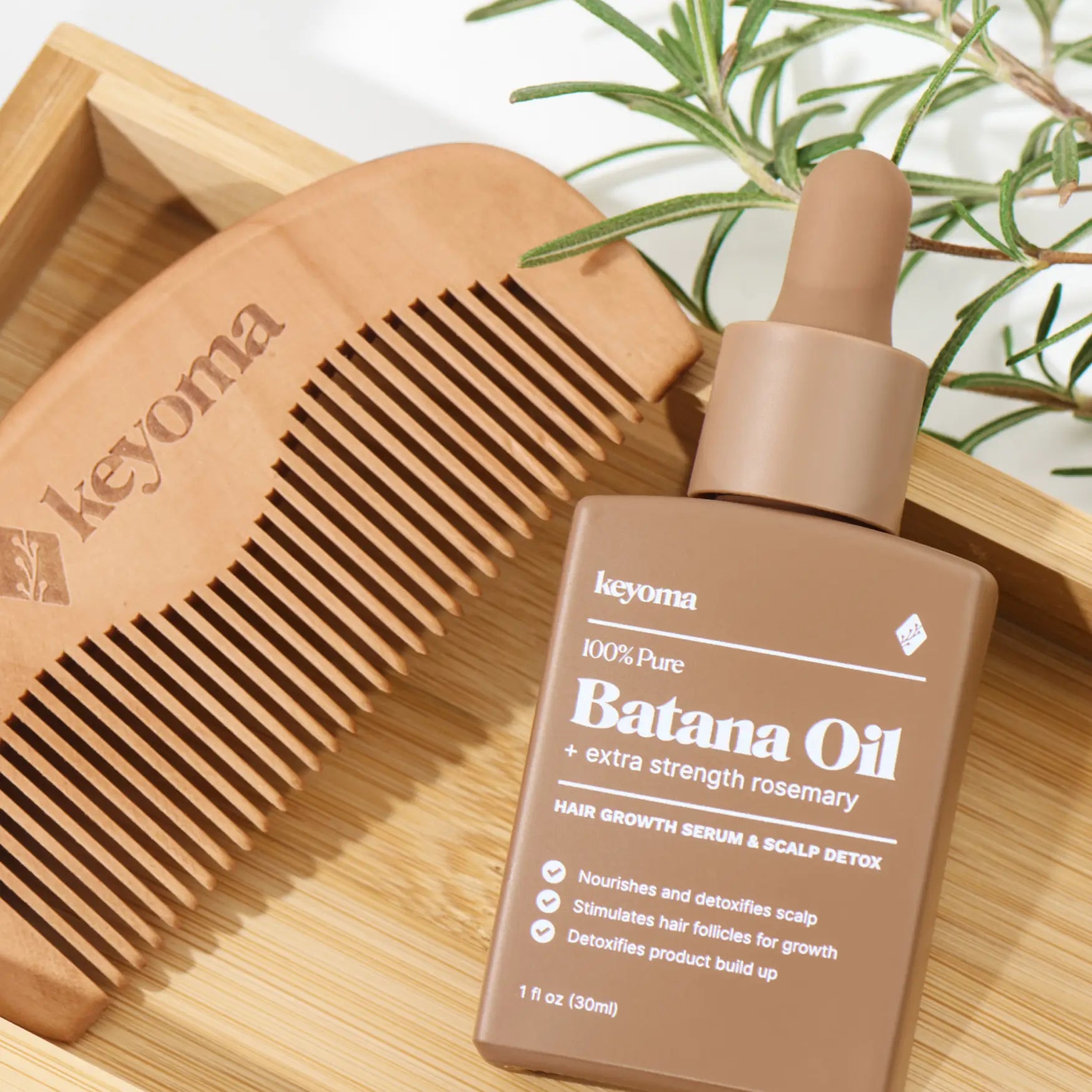
30% Off + 3 FREE Gifts
100% Pure Batana Oil + Rosemary
↓Best Batana Oil to Buy↓

1 Month
Subscribe & Save
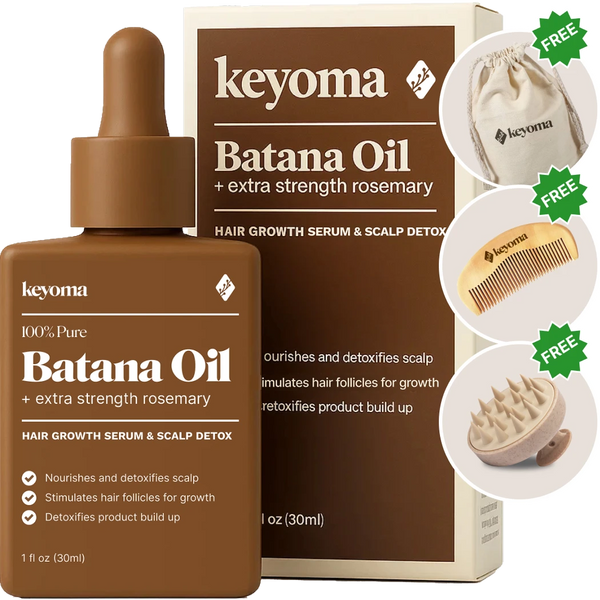


- 30-day supply delivered monthly $35
- 30% off for life $6
- Free haircare essentials kit $33
- Free custom wooden comb $10
- Free scalp massager $15
- Free eco-friendly travel bag $8
- 30-Day Money Back Guarantee
- Free Shipping
- Online portal for easy cancel, skip, or pause.
1 Month One Time Purchase
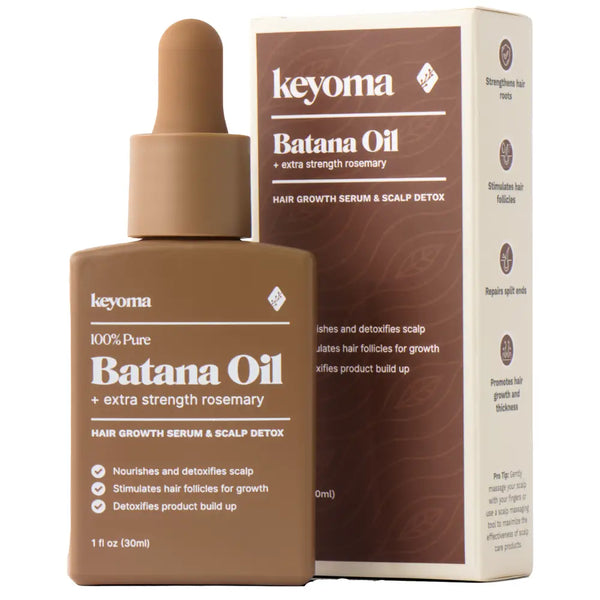
- 30-day supply $50
- 30% off for life $6
- Free haircare essentials kit $33
- Free custom wooden comb $10
- Free scalp massager $15
- Free eco-friendly travel bag $8
