

In this article
A simple ingredient hair oil is not automatically better than a longer formula. It is easier to judge. When the ingredient list is short and clear, you can see the base oil, understand why each ingredient is included, and decide whether the formula fits your scalp, hair texture, and routine.
That clarity matters when you are comparing pure oils, rosemary blends, scented oils, and formulas with added stabilizers or fragrance. A shorter label can make your choice feel less confusing, but it still needs to make sense. Every ingredient should have a purpose.
For batana and rosemary, simplicity is especially useful. Pure batana oil can work as a focused conditioning step. A batana and rosemary blend can feel more targeted when rosemary is properly diluted into a carrier-oil base. Neither should depend on miracle-growth promises.
Key Takeaways
-
Simple formulas are easier to read and compare.
-
Fewer ingredients do not always mean better results.
-
Rosemary oil should be diluted in a carrier oil.
-
Fragrance-free oils may be easier to judge for sensitive scalps.
Why Do Simple Hair Oil Ingredients Matter?
Simple hair oil ingredients matter because a hair oil sits close to your scalp and hair fiber. You should be able to tell what the base oil is, whether the formula contains an essential oil, and whether fragrance or extra additives are included. A clear label lets you compare products by function instead of guessing from marketing language.
The FDA says cosmetic products sold at retail generally need an ingredient declaration, but fragrance and flavor ingredients can appear simply as “Fragrance” or “Flavor”. That means the label may not show every aromatic compound in the blend.
Fragrance is not automatically bad, but it can reduce label clarity. If your scalp feels itchy, greasy, tight, or comfortable after use, a shorter formula may make it easier to connect the response to the product. That is a practical trust issue, not a clean-beauty claim.
What Ingredients Should Be in Hair Oil?

A good hair oil formula should begin with a clear base. From there, any added ingredient should earn its place. A simple formula might contain one carrier oil, a diluted essential oil, or a few supporting ingredients for stability, scent, or texture.
For a batana-focused routine, that may mean choosing pure batana oil when you want one conditioning oil with minimal guesswork. If you want rosemary included, the formula should make it clear that rosemary is part of a blend rather than a standalone oil applied straight to the scalp.
Clear Carrier Oil
A carrier oil is the foundation of many scalp and hair oils. It helps spread the formula and can condition the hair shaft by adding slip and reducing a dry, rough feel. Batana oil can fit this role because it is oil-based.
For label clarity, the base oil should be easy to identify. The INCI name for batana oil is Elaeis Oleifera Kernel Oil, which helps you recognize it on a cosmetic ingredient list. If you are comparing batana oil ingredients, look for clear naming instead of vague claims like “ancient oil blend.”
Measured Essential Oil
Rosemary essential oil is different from a carrier oil. Essential oils are concentrated aromatic extracts, so they are not usually treated like a plain scalp oil. Cleveland Clinic explains that carrier oils help dilute essential oils because essential oils are potent.
That distinction matters for a rosemary hair oil blend. When rosemary is included in a carrier-oil base, the formula is easier to understand and apply evenly. If you are unsure about ratios, a guide on how to dilute rosemary oil for hair can show why dilution is part of scalp-fit, not just formulation detail.
No Hidden Fragrance
Fragrance can make a hair oil feel more pleasant, but it can also make the ingredient story harder to read. The FDA lists fragrances and preservatives among common cosmetic allergen classes. A 2024 review on hair product allergy also lists fragrances among common hair product allergens, along with hair dyes, persulfate salts, ammonium thioglycolate, coconut fatty acid derivatives, and acrylates.
Fragrance-free does not guarantee scalp comfort. It only removes one common source of uncertainty. For people who already know their scalp reacts to scented products, a fragrance-free oil can make testing more controlled.
Useful Supporting Ingredients
Some supporting ingredients are reasonable. A formula may include an antioxidant to help protect oils from oxidation, or a texture ingredient to make the oil feel lighter. Those additions do not automatically make a formula worse.
The question is whether each ingredient has a clear job. If the label includes many botanical extracts, fragrance components, colorants, and vague blends, it becomes harder to know what you are actually using.
Is a Simple Hair Oil Better?
A simple hair oil is better when the formula matches your goal and is easy to use consistently. It is not better just because the ingredient list is shorter. A one-ingredient oil can still feel too heavy for fine hair, while a longer formula can still be well-made if every ingredient has a clear role.
For pure conditioning, batana oil may be the simpler choice. It keeps the routine focused on softness, slip, and pre-wash conditioning. If you are deciding whether it fits your hair, a practical page on how much batana oil to use can be more useful than adding extra ingredients too soon.
For a more targeted scalp-oiling step, a batana and rosemary blend may make sense. Rosemary gives the formula a more specific scalp-care direction, while the carrier oil keeps the blend practical for application. A blend can still be simple if the base oil is clear, rosemary has a purpose, and the formula avoids confusing extras.
Why Fragrance-Free Oils Are Better?
Fragrance-free oils are often better for label clarity because they remove one ingredient category that can hide multiple aromatic compounds. For someone who wants a simple scalp oil, that can make the product easier to evaluate. You are looking at the base oil, any active botanical addition, and the texture rather than wondering what sits behind the word “fragrance.”
Sensitive scalp users may also prefer fewer scent variables. A fragrance-free formula still needs to be tested carefully, but it can lower the chance that a scent component becomes the confusing factor. If your scalp often feels reactive, a page on oils for sensitive scalp may help you think through product fit with more care.
Scent does not prove performance. A plain oil with a clear ingredient list may look less exciting, yet be easier to judge over repeated use. Choose fragrance-free when clarity, sensitivity, or scent preference makes it useful. Choose a scented formula only when you understand the tradeoff and your scalp tolerates it well.
How to Choose a Simple Hair Oil Routine

Choosing a simple hair oil routine starts with the product label, but it does not end there. The right formula also has to match how often you oil, how much product your hair can handle, and whether you want pure conditioning or a rosemary-supported blend.
A good routine should feel easy to repeat. If you need too many rules to avoid greasy roots or scalp discomfort, the formula or amount may not be right for you. I noticed that using less oil first makes it easier to judge texture before adjusting.
Match the Oil to Your Scalp
Your scalp response should guide the pace. If you are sensitive, start with a very small amount and avoid layering several new products at once. A simple formula helps because there are fewer ingredients to track.
If your scalp feels comfortable but your hair feels heavy, the issue may be amount. If your scalp burns, stings, or itches, stop using the product and reassess. Seek medical guidance for severe irritation, bleeding, signs of infection, sudden hair loss, patchy hair loss, or symptoms that do not improve.
Read the Ingredient List First
Before buying, scan the ingredient list in order. Look for the base oil, then look for rosemary, fragrance, preservatives, stabilizers, or extra botanical blends. If the formula is positioned as batana oil, the label should make the batana component easy to identify.
A page explaining what batana oil is made of can help you connect the common name to the ingredient label. For a more focused product path, a rosemary and batana oil collection can make sense when you want the blend logic already built into the formula.
Use It in a Way You Can Repeat
Most people do better with a simple pre-wash method than a heavy daily oiling habit. Apply a small amount, focus on the areas that need it, let it sit long enough to condition, then wash thoroughly. A guide on when to oil hair before shampooing can help you choose timing without guesswork.
Fine hair may need only a light touch on the ends. Dense, curly, or dry hair may tolerate more. The best simple routine gives enough conditioning without leaving your scalp uncomfortable or your roots flat.
Choose Simple Ingredient Hair Oil With Clearer Scalp Fit
A simple ingredient hair oil gives you a clearer way to choose, test, and adjust your routine. It helps you see the base oil, understand whether rosemary is included for a reason, and decide whether fragrance or added ingredients fit your scalp.
Pure batana oil is the more focused option when you want a straightforward conditioning step. A batana and rosemary blend is useful when you want rosemary in a carrier-oil base instead of treating essential oil as a standalone scalp product.
The strongest choice is not the longest label or the shortest label. It is the formula you can understand, use comfortably, and evaluate without guessing what each ingredient is supposed to do.
Featured Product
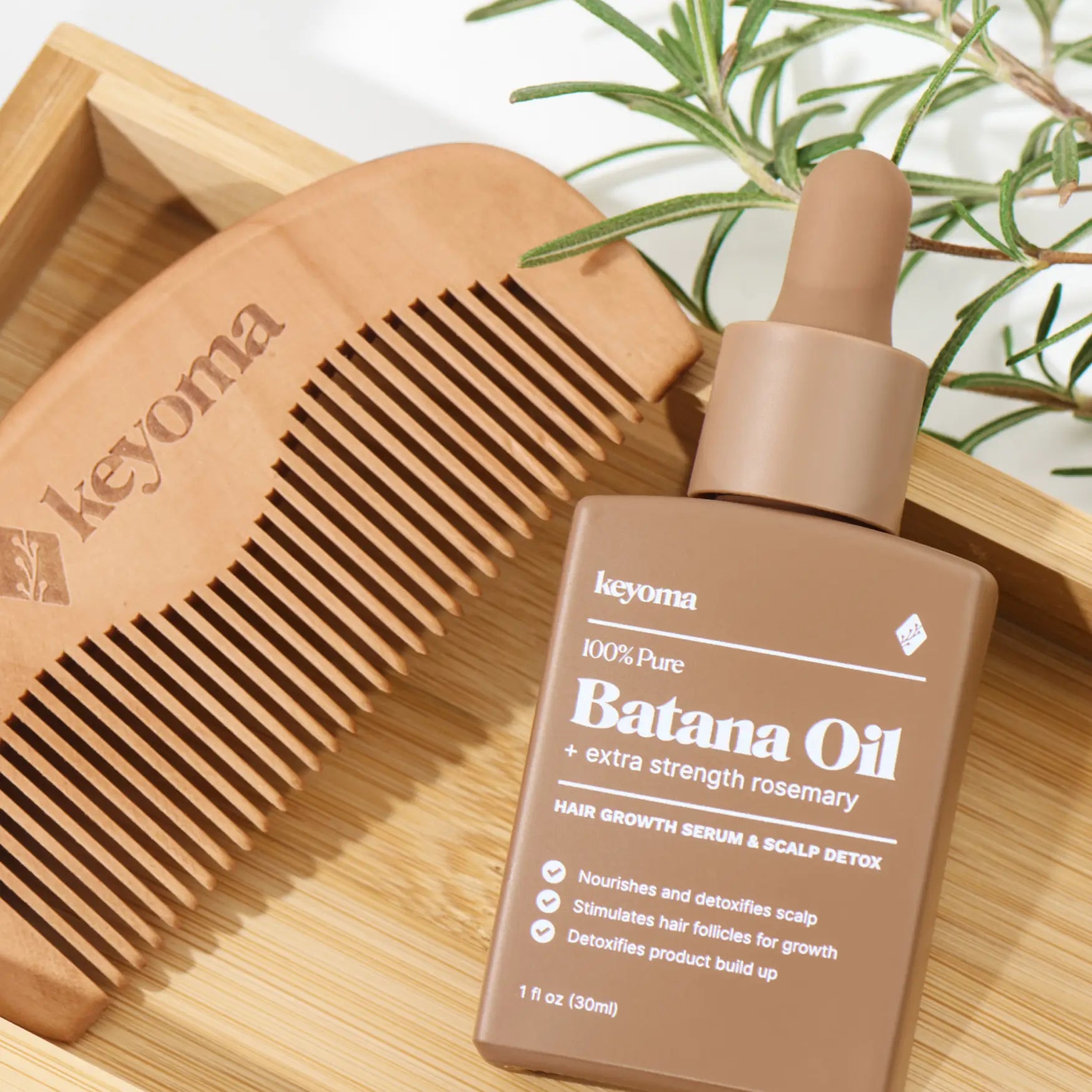
30% Off + 3 FREE Gifts
100% Pure Batana Oil + Rosemary
↓Best Batana Oil to Buy↓

1 Month
Subscribe & Save
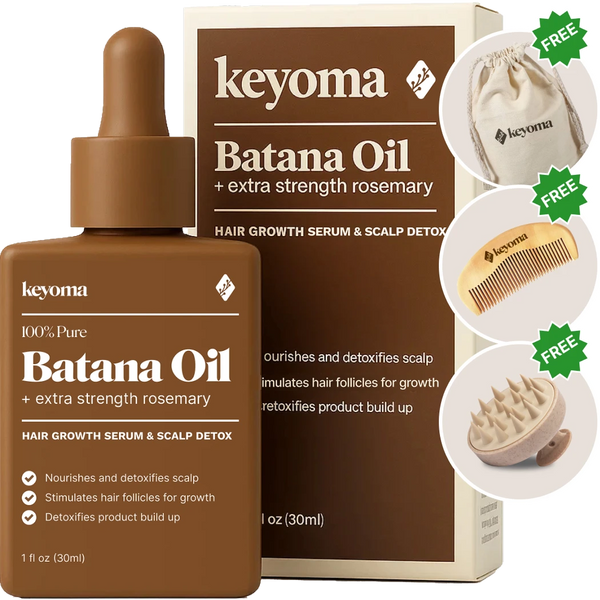


- 30-day supply delivered monthly $35
- 30% off for life $6
- Free haircare essentials kit $33
- Free custom wooden comb $10
- Free scalp massager $15
- Free eco-friendly travel bag $8
- 30-Day Money Back Guarantee
- Free Shipping
- Online portal for easy cancel, skip, or pause.
1 Month One Time Purchase
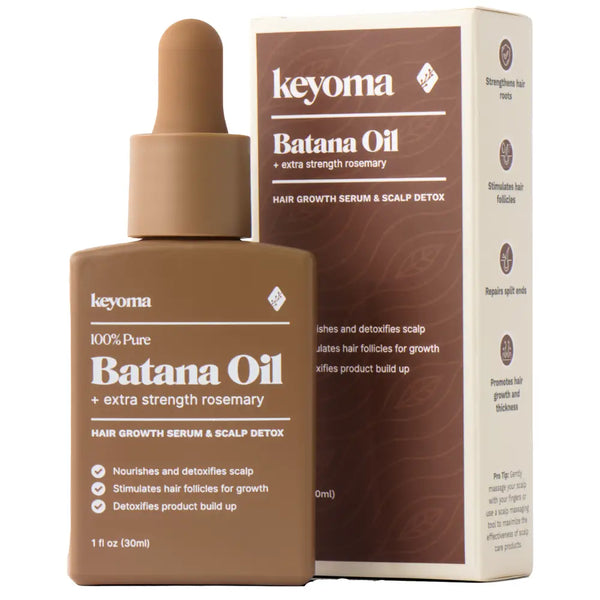
- 30-day supply $50
- 30% off for life $6
- Free haircare essentials kit $33
- Free custom wooden comb $10
- Free scalp massager $15
- Free eco-friendly travel bag $8
