Is Your Hair Part Widening? Causes and What You Can Do
Written by
Last updated May 23, 2026

In this article
Noticing that your hair part is getting wider can be alarming. To many people, it's one of the first noticeable signs of hair thinning or loss. Whether you're styling or brushing your hair, or just looking in the mirror, a wider part might make you wonder about the health of your hair.
Hair loss is an issue that affects millions, and it can be caused by many things, from lifestyle to genetics. Luckily, there are some effective ways to deal with it and even get your hair to grow back.
Let's look at the reasons your hair might be parting more, what that means for your hair, and what you can do about it.
Key Takeaways
-
Noticing a wider hair part often signals gradual thinning as more scalp becomes visible.
-
Triggers can include stress related shedding, tight hairstyles, frequent heat, chemicals, genetics, and hormonal shifts.
-
Regular scalp massages, gentle cleansing, and occasional exfoliation may support circulation, reduce buildup, improve growth conditions.
-
Using volumizing styles, reduced heat and chemicals, and batana with rosemary oil can improve fullness.
What a Normal Hair Part Looks Like
A hair part is the line that appears when hair is combed in different directions, showing some of your scalp. It’s a popular styling method that can highlight your face and show off your style.
Knowing what a normal hair part looks like can help you tell the difference between normal changes and possible thinning.
A normal hair part should be a thin, clear line that doesn't show too much scalp. How your hair falls and parts can depend on your hair growth and how healthy your scalp is. Your hair part also depends on how thick your hair is. If you have thick hair, your part might not be as obvious, but if you have fine hair, you might see more of your scalp.
How your hair grows naturally, including cowlicks and the direction of your follicles, greatly affects how your hair part looks. Also, scalp problems like dryness or oiliness can change how your hair looks, which is why it’s so important to take care of your scalp.
What a Widening Hair Part Usually Means
Often, a widening hair part is the first sign that your hair is thinning. This happens when you start to see more of your scalp along your part or hairline. It's a common symptom for women with female pattern hair loss (FPHL), though men can experience it too.
Hair thinning becomes noticeable after about 50% of hair density is lost in one spot. This is usually a slow process, caused by hair follicles going into a long resting phase or stopping growth altogether.
Common Causes of a Widening Hair Part

There are many reasons why your hair part might be widening, often involving a mix of genetics, hormones, and things in your environment. Knowing these factors can help you find ways to manage and prevent it:
Stress and Sudden Life Changes
Both physical and emotional stress can affect your hair. For example, telogen effluvium is a condition where a lot of stress causes many hair follicles to go into a resting phase, which leads to shedding and thinning. Hair usually starts to grow back after the stress is gone, but in the meantime, it can make your part look wider.
Hairstyles and Hair Treatments That Strain Your Roots
Certain hairstyles, especially those that pull your hair tight at the roots (like tight braids, ponytails, or extensions), can put stress on your scalp and cause hair loss known as traction alopecia. Also, using heat styling tools, chemical relaxers, or dyes too often can weaken your hair and make it thinner.
Genetic Factors That Raise Hair Thinning Risk
Just like you can inherit the color, texture, and type of your hair, you can also inherit how likely you are to lose or thin hair. If other people in your family have had similar issues, then genetics could be playing a role in your wider part.
Hormonal Changes That Affect Your Hair Part
Hormones control many processes in your body, including hair growth and loss. Women might especially notice changes in their hair when their hormones change, such as during pregnancy, menopause, or when using hormonal birth control. Conditions such as polycystic ovary syndrome (PCOS) can also affect how healthy your hair is.
Practical Ways To Manage and Help Prevent a Widening Hair Part

While you're waiting to see results from treatments, there are steps you can take to make your part look less wide and help your hair grow healthier:
Using Batana With Rosemary Oil Around Your Hair Part
Make this a regular part of your routine instead of using it randomly. Batana oil helps control breakage and makes hair softer, which can make your hair look thicker around the part. Rosemary oil is often used to help the scalp, especially if you’re trying to make thinning hair look better over time
Put a small amount on your scalp in sections, gently massage for a minute or two, and then smooth any extra oil through the middle of your hair.
If you have fine hair, leave it on for a short time; if your scalp is okay with it, leave it on longer, then shampoo well. If you get any itching or redness, use it less often or stop using it, since irritation can make a wide part look even worse.
Everyday Hairstyling Tips To Soften a Wide Part
You can instantly make your hair look less see-through by using hair fibers or root touch-up powder, especially in bright light.
Also, try changing your part slightly, adding some lift at the roots, and using light volumizing products to help without stressing your hair. If you're already seeing thinning near your hairline or crown, don't wear tight ponytails, slick buns, or tight braids, since they can cause traction-related thinning.
Scalp Care Habits That Support a Healthier Part
While treatments take time, keeping your scalp healthy will give new hair a better chance to grow. Gently massage your scalp for a few minutes to improve circulation and relieve tension.
I find that a scalp massage with my fingertips can be really relaxing. If you see product buildup, flakes, or sweat, use a gentle scalp exfoliator every so often to clean the surface. Be gentle and don't do it too much, since scrubbing too hard can irritate your scalp and make shedding seem worse.
Gentle Hair Care To Reduce Breakage Near the Part
A wide part often looks worse when hair is dry or breaks easily near the top. Use a shampoo without sulfates that cleans your hair without drying it out, and wash mostly your scalp, not the ends.
Use conditioner on the middle and ends of your hair to help with tangles and prevent friction. Also, be careful about using heavy products near your roots, as they can weigh your hair down and make your part look wider.
How To Minimize Heat and Chemical Stress on Hair
Using heat and harsh chemicals on your hair can weaken it over time, leading to breakage that makes your part look wider. Use moderate heat settings, use a heat protectant, and don't go over the same section too many times.
If you straighten, color, relax, or chemically treat your hair, wait a while between treatments and focus on strengthening and moisturizing your hair in between so you’re not always putting stress on fragile hair.
Protect Your Part This Week With Gentler Care and Keyoma
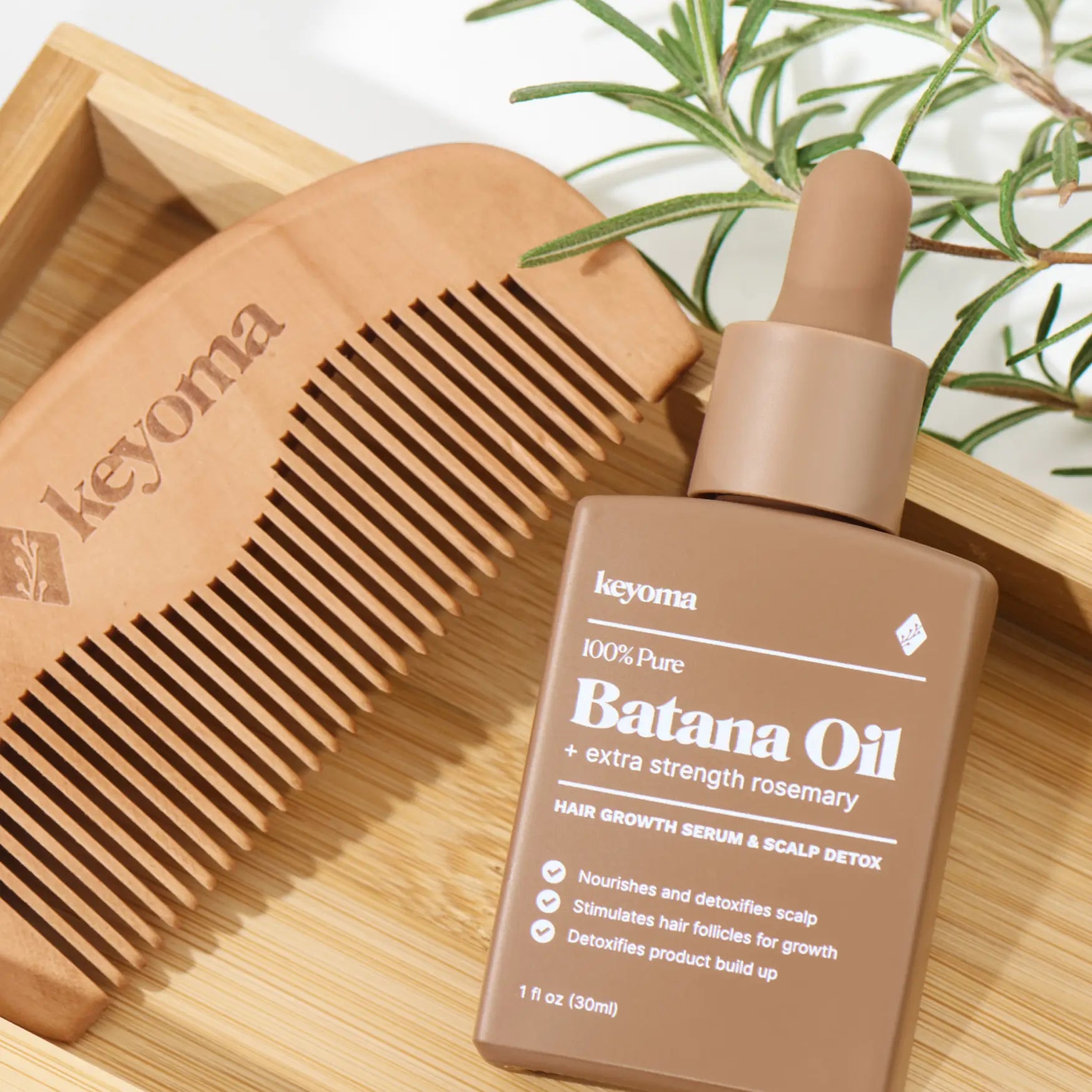
Act fast when your part widens. Shift your part slightly every few days, avoid tight styles, and go light on heat and heavy root products. Then support the area with a consistent routine by massaging a small amount of Keyoma batana oil with rosemary into the part for one to two minutes and shampooing well.
Featured Product
30% Off + 3 FREE Gifts
100% Pure Batana Oil + Rosemary
↓Best Batana Oil to Buy↓

1 Month
Subscribe & Save
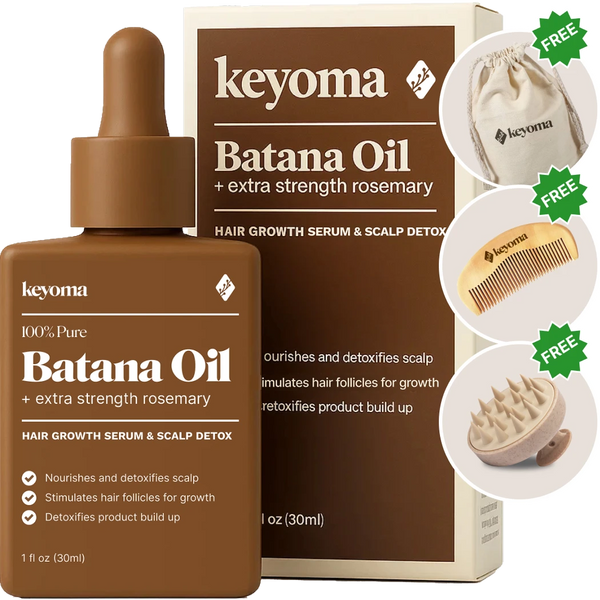


- 30-day supply delivered monthly $35
- 30% off for life $6
- Free haircare essentials kit $33
- Free custom wooden comb $10
- Free scalp massager $15
- Free eco-friendly travel bag $8
- 30-Day Money Back Guarantee
- Free Shipping
- Online portal for easy cancel, skip, or pause.
1 Month One Time Purchase
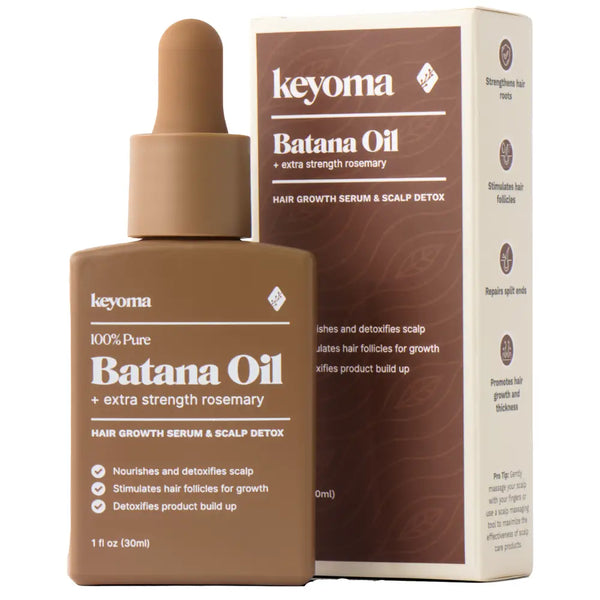
- 30-day supply $50
- 30% off for life $6
- Free haircare essentials kit $33
- Free custom wooden comb $10
- Free scalp massager $15
- Free eco-friendly travel bag $8
