Batana Oil on Relaxed Hair for Softer Ends and Less Breakage
Written by

Published on Mar 03, 2026

In this article
Relaxed hair has a reputation for looking sleek and polished, but anyone who has maintained a relaxer knows that the process changes the hair in ways that require thoughtful care. Chemically straightened strands tend to be more fragile, prone to dryness, and vulnerable to breakage. That is why the products used afterward matter just as much as the relaxer itself.
In recent years, batana oil has been getting attention across beauty forums and hair care communities. The oil, derived from the nuts of the American oil palm native to Central America, has long been used by the Miskito people of Honduras, who are known for their traditionally healthy hair. Today, it has become a popular ingredient in natural hair care routines.
But how does batana oil actually perform on relaxed hair? The answer depends on understanding both the science behind relaxers and the properties of the oil itself. When used properly, batana oil can support moisture, protect fragile ends, and help maintain the overall health of chemically treated hair.
Key Takeaways
-
Relaxers break disulfide bonds, raising porosity and weakening strands after straightening.
-
Batana oil has a rich texture and can seal hydration after conditioning.
-
Use oils lightly on mid lengths and ends before relaxing, not scalp.
-
Fine hair may prefer rinse-out treatments, while thicker textures can handle leave-in.
What Happens to Hair After a Relaxer
A relaxer permanently changes the structure of the hair. It works by breaking down disulfide bonds within the hair shaft, which alters the natural curl pattern and allows the hair to lie straight.
This process is effective, but it also weakens the internal structure of the strand.
Hair that has been chemically relaxed typically becomes more porous. Porous hair absorbs moisture quickly, yet it also loses that moisture faster than untreated hair. This is why relaxed hair often feels dry only a day or two after washing.
Relaxers can also affect the cuticle layer. The cuticle is the protective outer coating of each hair strand. When that layer becomes raised or damaged, the hair becomes more vulnerable to environmental stress, heat styling, and friction.
Why Relaxed Hair Becomes More Fragile
Relaxed hair is not inherently unhealthy, but it is structurally different from natural hair. Because the relaxer breaks down bonds inside the hair fiber, the strand becomes weaker than it was before treatment.
Several factors contribute to this increased fragility:
-
Chemical processing
-
Heat styling
-
Frequent manipulation
-
Moisture loss
When these factors combine, the result is hair that may snap easily under tension. This is one reason many stylists emphasize strengthening and moisturizing treatments after relaxing.
Common Problems: Dryness, Breakage, and Split Ends

This combination of dryness and structural weakness explains why oils are frequently added to relaxed hair routines. Three issues appear repeatedly in relaxed hair routines.
Dryness
Relaxed hair often lacks natural oils along the length of the strand. Straightened hair does not retain sebum the same way tightly coiled hair can, which makes hydration essential.
Breakage
When the hair shaft becomes brittle, it breaks rather than stretching. Breakage can occur during brushing, detangling, or even simple styling.
Split Ends
The ends of relaxed hair are usually the oldest and most fragile part of the strand. Without protection, they split and fray, eventually traveling upward along the hair shaft.
Can You Use Batana Oil on Relaxed Hair?
Yes, pure batana oil can be used on relaxed hair. In fact, many hair care professionals consider it compatible with chemically treated strands because of its conditioning properties.
Batana oil contains fatty acids, antioxidants, and vitamin E, all of which help nourish both the hair and scalp. These nutrients can support moisture retention and improve the overall appearance of dry or damaged hair.
Unlike lightweight oils that evaporate quickly, batana oil has a richer texture. That thicker consistency allows it to coat the hair shaft and seal in hydration after washing or conditioning. Chemically treated hair can benefit from this protective layer. Batana oil may improve softness, elasticity, and shine while reducing the appearance of frizz.
Another reason the oil works well for relaxed hair is its compatibility with different hair types. Beauty experts note that batana oil can be used on natural, color treated, or chemically relaxed hair without stripping or damaging the strands.
However, the key lies in how it is applied. Relaxed hair responds best to controlled use of heavier oils. Applying too much can weigh down fine strands or create buildup on the scalp.
When to Use Batana Oil Before or After a Relaxer

Timing matters when introducing oils into a relaxed hair routine. The scalp is particularly sensitive before and after a chemical service, which means batana oil should be used strategically rather than randomly.
Using Batana Oil Before a Relaxer
Some stylists recommend using oils as a protective treatment before relaxing hair. Applying batana oil to the lengths of the hair a day or two before a relaxer may help reduce dryness during the chemical process. The oil forms a barrier that can minimize excessive moisture loss.
However, the scalp should remain clean before a relaxer. Oils directly on the scalp can interfere with the even application of the relaxer cream.
If batana oil is used beforehand, it is best applied lightly to the mid lengths and ends rather than the roots.
Using Batana Oil After a Relaxer
After a relaxer, the focus shifts to restoration and moisture. Once the neutralizing shampoo and conditioner have been completed, batana oil can help replenish lost hydration.
Many people apply a small amount to damp hair as a sealing oil. This method locks moisture into the hair shaft after conditioning. Others use it during weekly deep conditioning treatments to improve softness and manageability.
Consistent use over several weeks may improve the look and feel of chemically treated hair by supporting elasticity and reducing dryness.
Benefits of Batana Oil for Relaxed Hair

Batana oil is popular in hair care routines because it addresses several common concerns associated with relaxed hair.
Moisture Support for Dry Relaxed Hair
One of the most valuable roles of batana oil is moisture retention. Relaxed hair often loses hydration quickly due to raised cuticles and chemical processing. Oils help slow this moisture loss by forming a barrier along the strand.
Batana oil contains fatty acids that condition the hair shaft and improve softness. These compounds help smooth the cuticle layer, which reduces frizz and dryness. When used after a moisturizing conditioner, the oil helps maintain hydration longer.
Protection for Relaxed Hair Ends
Hair ends are usually the first place where breakage begins. Batana oil can act as a protective sealant for these fragile areas. By coating the ends, the oil reduces friction from brushing, styling, and daily manipulation.
This protective layer may also help prevent split ends from worsening. In many routines, stylists recommend applying oils specifically to the ends after styling. A small drop is often enough to provide shine and protection.
Scalp Care for Chemically Treated Hair
Healthy hair growth begins with a healthy scalp. Batana oil contains antioxidants and soothing compounds that may help calm irritation and dryness on the scalp.
Massaging oil into the scalp also increases circulation in the area. Improved circulation helps deliver nutrients to hair follicles, which can support stronger growth over time.
It is important to note that oils do not directly stimulate hair growth in the medical sense. Instead, they support scalp health and reduce breakage, which helps hair retain length.
How to Use Batana Oil on Relaxed Hair Safely

Using batana oil effectively requires moderation and technique. Relaxed hair can benefit from the oil, but heavy application may create buildup. A few practical methods work well for most routines.
Applying Batana Oil to the Scalp
Scalp treatments with batana oil are typically done once or twice per week. Start by warming a small amount of oil between the palms. This helps it spread evenly.
Section the hair and gently massage the oil into the scalp using fingertips. The motion should be slow and light rather than aggressive. Massaging the scalp for several minutes can improve circulation and help distribute the oil evenly. Afterward, the oil may be left on overnight or washed out during the next shampoo.
Applying Batana Oil to Relaxed Hair Ends
The ends of relaxed hair benefit from targeted oil application. A pea sized amount of batana oil is usually sufficient for most hair lengths. Rub the oil between the palms and smooth it over the ends of the hair. Avoid applying large amounts near the roots, which may make the hair appear greasy.
This method works well after blow drying, flat ironing, or roller setting. The oil adds shine while helping protect the ends from further damage.
Leave In vs Rinse Out Use
The choice depends on hair texture and personal preference. Many people use it as a hot oil treatment. Warming the oil slightly helps it penetrate the hair shaft more effectively. Fine relaxed hair may benefit from rinse out treatments, while thicker hair textures may tolerate leave in use. Batana oil can be used in two different ways.
Leave in Use
A small amount can be applied to damp or dry hair as a finishing oil. This technique helps seal moisture into the hair shaft and reduce frizz.
Rinse Out Treatment
Batana oil may also be used as a pre shampoo or deep conditioning treatment. In this method, the oil is applied generously to the hair and left for several hours before washing.
Use Batana Oil on Relaxed Hair for Softer Ends
Keep batana oil in the “support role” and you will get more out of it on relaxed hair. Relaxers break disulfide bonds, so your strands are structurally weaker and more likely to snap from normal styling tension.
Treat moisture like something you seal, not something you keep reapplying until your hair feels slick. Use a light hand and target the places that actually fail first, which are your mid-lengths and ends.
If you notice your hair looks shiny but still feels rough, you are likely layering oil over dehydration. Reset with conditioner, then seal with restraint so softness lasts longer and breakage stays down.
Featured Product
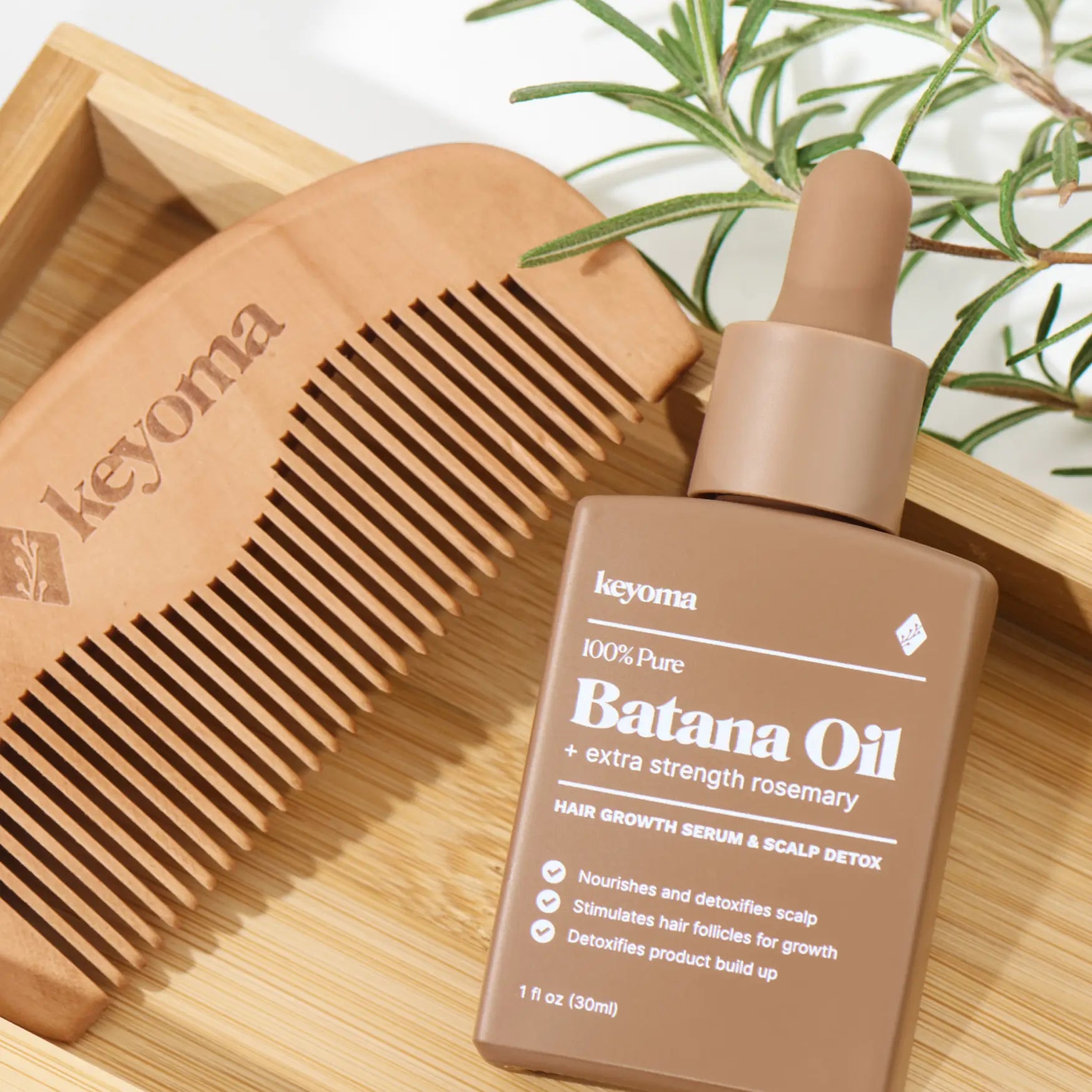
30% Off + 3 FREE Gifts
100% Pure Batana Oil + Rosemary
↓Best Batana Oil to Buy↓

1 Month
Subscribe & Save
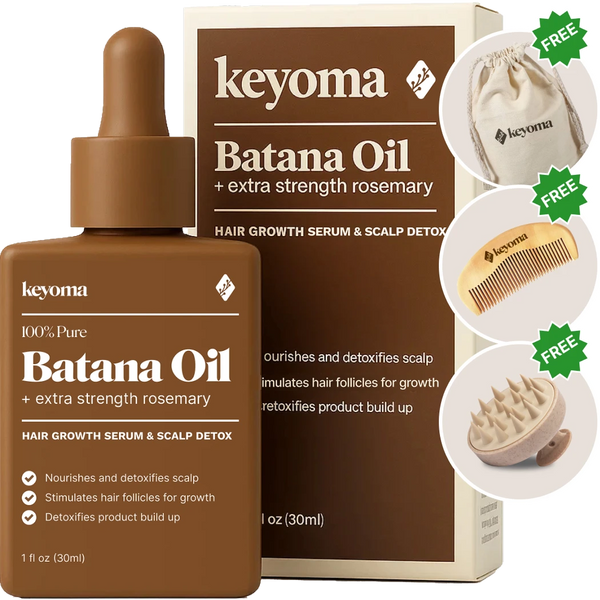


- 30-day supply delivered monthly $35
- 30% off for life $6
- Free haircare essentials kit $33
- Free custom wooden comb $10
- Free scalp massager $15
- Free eco-friendly travel bag $8
- 30-Day Money Back Guarantee
- Free Shipping
- Online portal for easy cancel, skip, or pause.
1 Month One Time Purchase
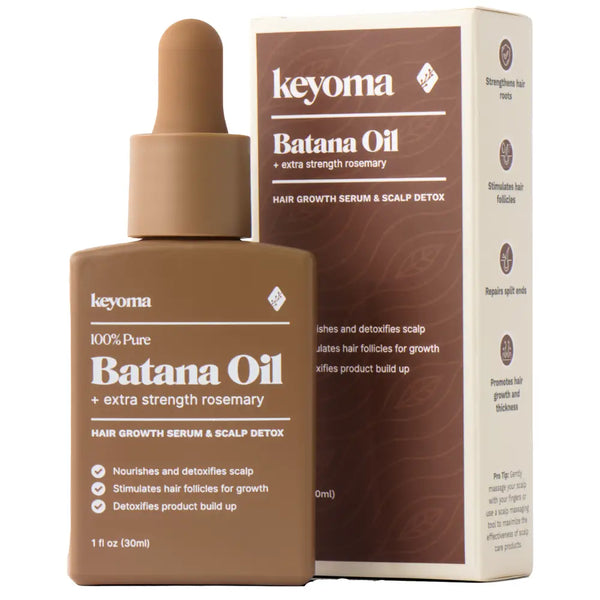
- 30-day supply $50
- 30% off for life $6
- Free haircare essentials kit $33
- Free custom wooden comb $10
- Free scalp massager $15
- Free eco-friendly travel bag $8
